Introduction – Dive into Eco-Friendly Plumbing
As the world becomes increasingly aware of environmental issues, homeowners are seeking ways to integrate eco-friendly solutions into their living spaces. Eco-friendly plumbing products are designed to reduce water and energy consumption, minimize environmental impact, and promote sustainability in plumbing systems. By opting for these products, you can conserve water, reduce greenhouse gas emissions, and lower utility costs while maintaining performance and comfort. Let’s explore some of the best eco-friendly plumbing options available today.

Water-Saving Fixtures
One of the simplest ways to enhance your home’s plumbing efficiency is by installing water-saving fixtures. Here are some key products to consider:
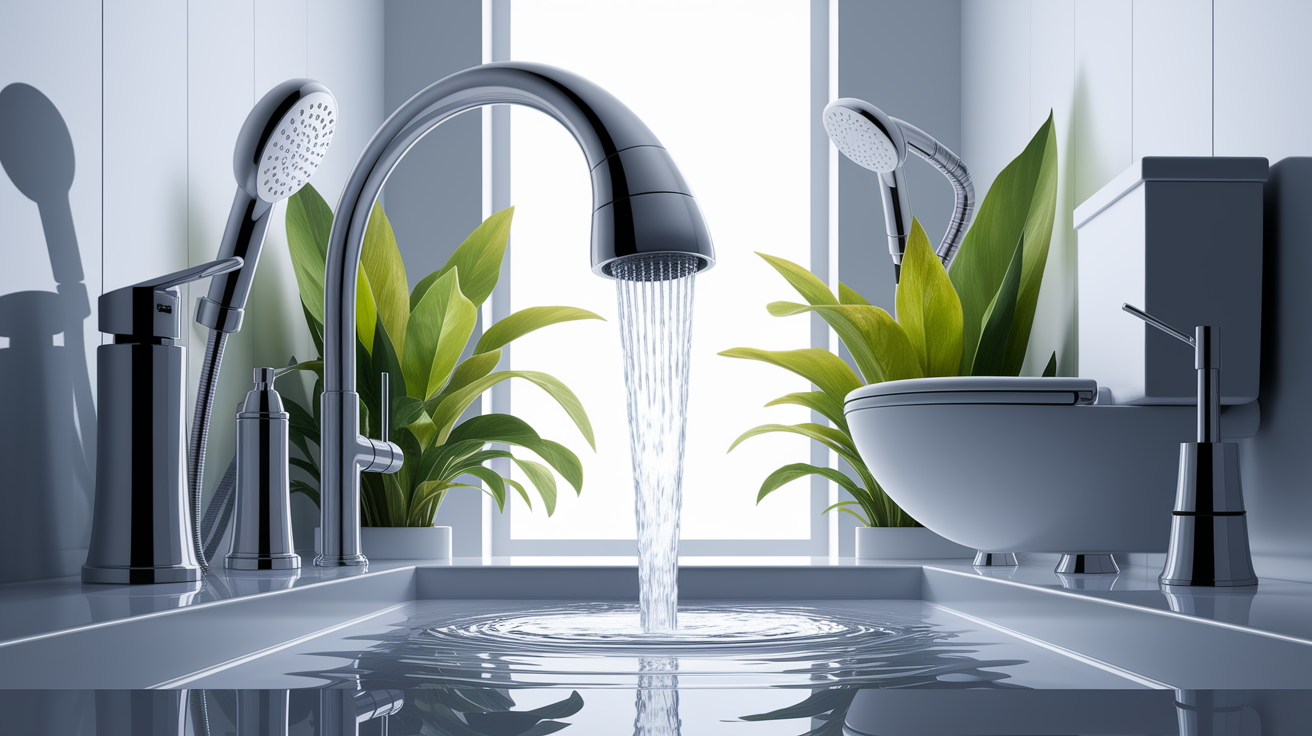
- Low-Flow Toilets: These models use about 1.28 gallons per flush, significantly less than older toilets that can use up to 7 gallons.
- Water-Efficient Faucets: Look for WaterSense certified products that meet strict water efficiency standards.
- Water-Saving Showerheads: These fixtures maintain strong water pressure while using less water, making showers both enjoyable and efficient.
- Dual-Flush Systems: These toilets allow you to choose between different flush volumes, further conserving water.
The good news is that many of these fixtures are easily installed as DIY projects, providing immediate benefits in water conservation.
Sustainable Materials
Using sustainable materials in plumbing can make a significant difference in overall environmental impact. Here are some options:
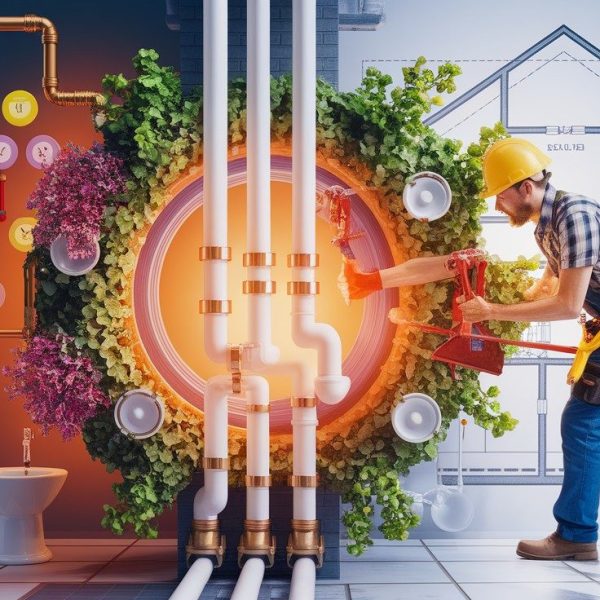
- PEX Piping: Cross-linked polyethylene (PEX) piping requires less energy to produce and resists corrosion, prolonging its lifespan.
- Recycled Metals: Incorporating recycled metals in plumbing components helps reduce the demand for new raw materials.
- Bioplastics: Innovations in biodegradable materials can reduce waste and enhance sustainability in plumbing systems.
These materials not only benefit the environment but also enhance the durability and efficiency of your plumbing system.
Energy-Efficient Water Heaters
Heating water accounts for a significant portion of energy consumption in homes. Transitioning to energy-efficient water heaters can lead to substantial savings:
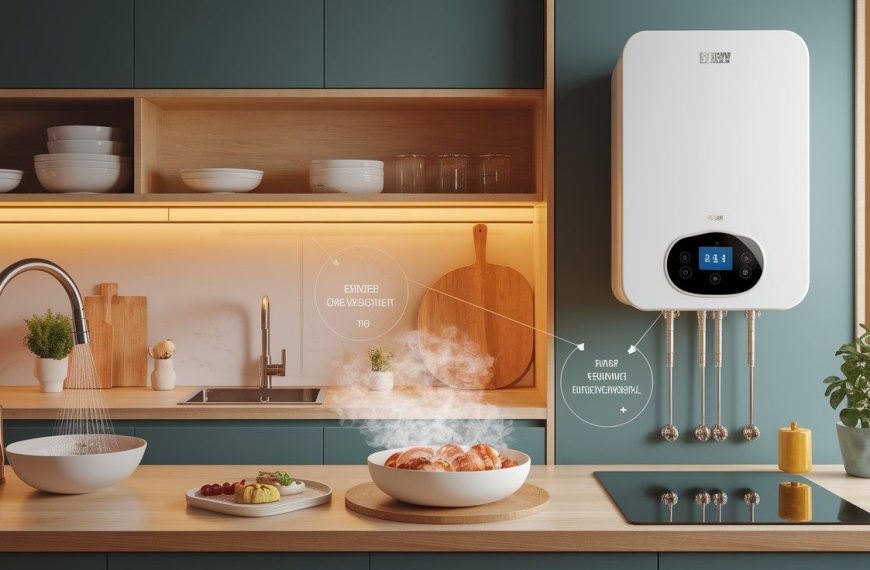
- Tankless Water Heaters: These units heat water on demand, eliminating standby heat loss and reducing energy consumption by up to 30% compared to traditional tank heaters.
- Heat Pump Water Heaters (HPWHs): HPWHs utilize ambient air to heat water, offering superior energy efficiency and lower greenhouse gas emissions.
Both options contribute to long-term cost savings and come with longer lifespans, making them valuable investments for a sustainable home.
Greywater Systems
Implementing greywater systems is another innovative way to promote sustainability in your plumbing:
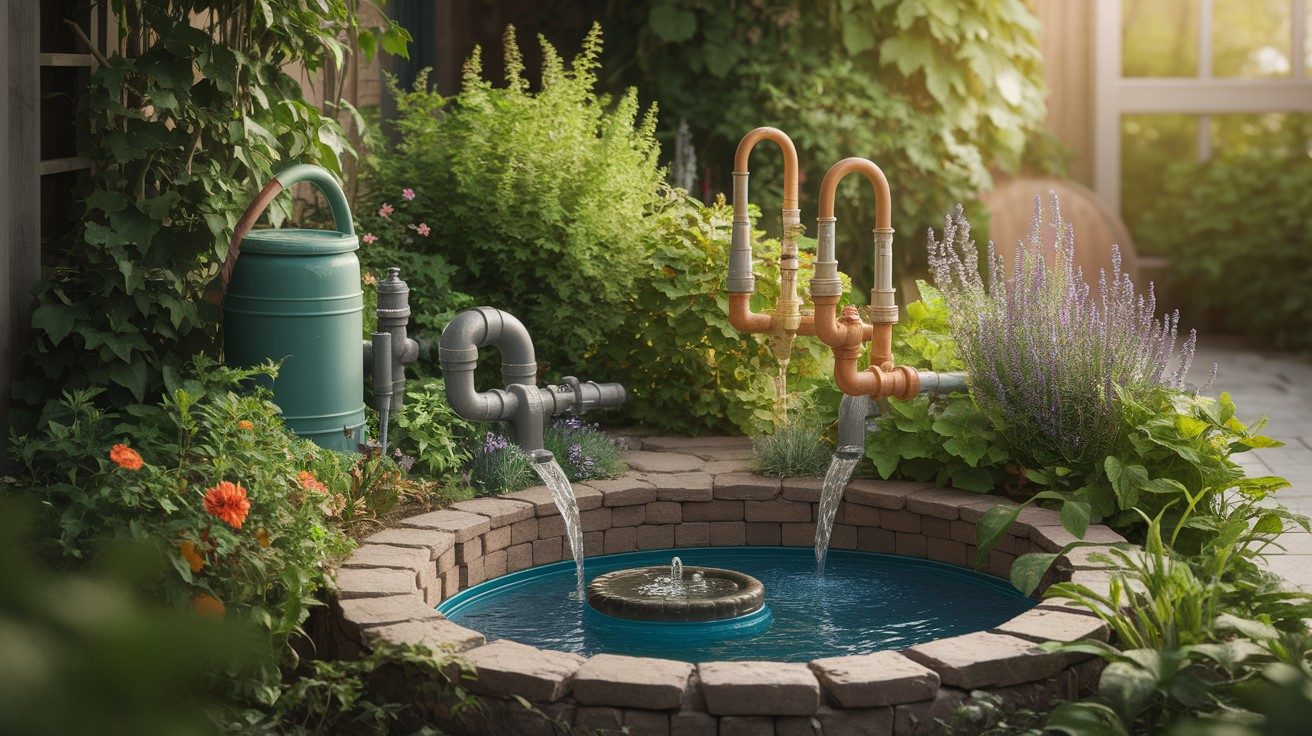
- Greywater Recycling: This practice involves reusing water from baths, sinks, and laundry for irrigation or flushing toilets, significantly reducing fresh water consumption.
- Rainwater Harvesting Systems: These systems collect and store rainwater for non-potable uses, further decreasing reliance on municipal water supplies.
Both options not only conserve water but also support sustainable water management practices in your home.
Conclusion – Embrace a Greener Future
Transitioning to eco-friendly plumbing products and practices is a proactive step toward sustainability. From water-saving fixtures and sustainable materials to energy-efficient water heaters and innovative greywater systems, there are numerous options available to enhance your home’s efficiency while protecting the environment. By embracing these green plumbing solutions, you can create a more sustainable future for yourself and generations to come.