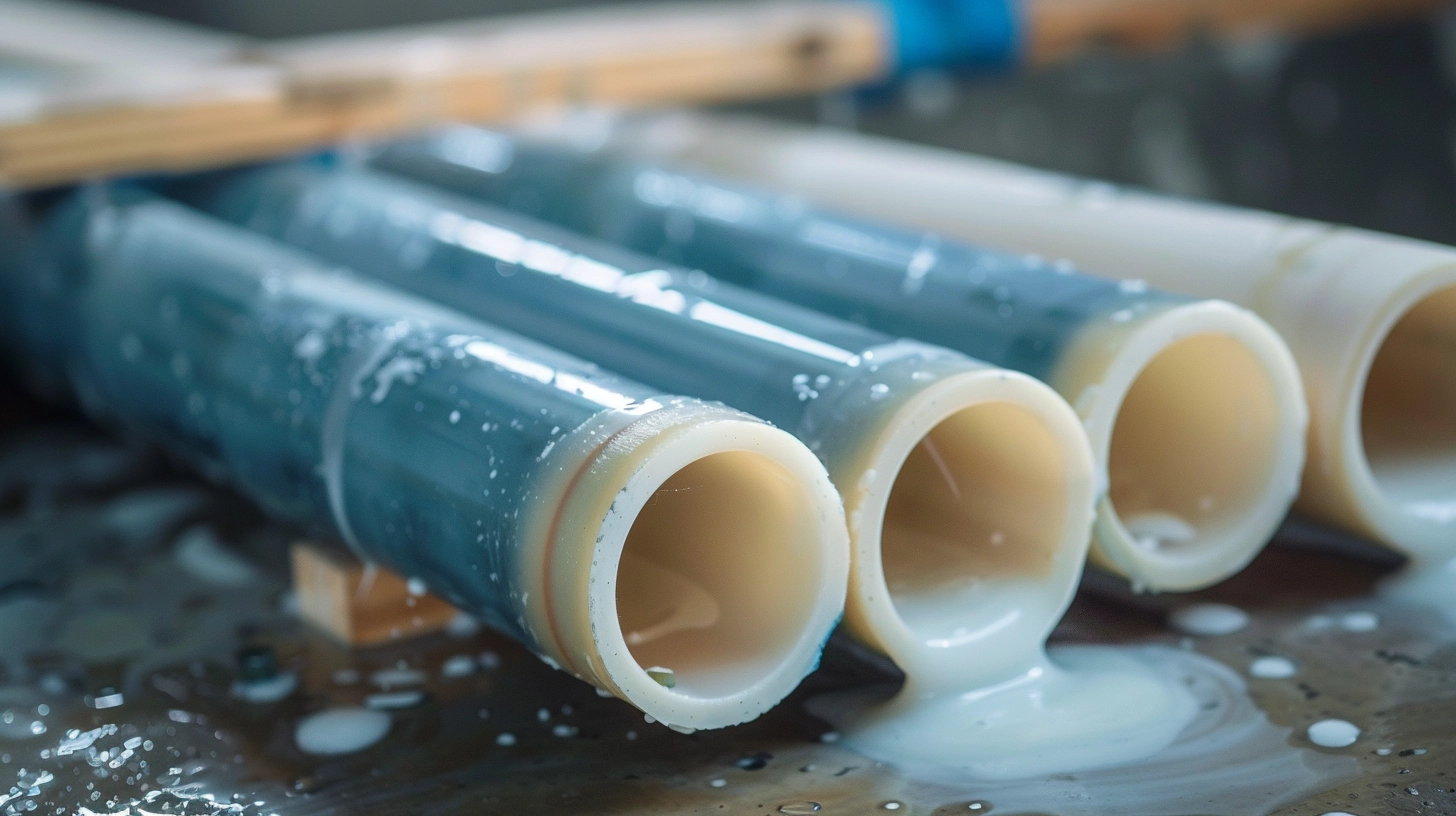
CPVC pipes, a staple in plumbing, offer durability and corrosion resistance. However, their sturdy nature can pose a challenge when it comes to cutting them. This guide delves into the intricacies of cutting CPVC pipes, arming you with the knowledge and techniques necessary for a clean and proper cut.
Understanding CPVC Pipes
CPVC pipes, comprised of chlorinated polyvinyl chloride, find widespread use in residential and commercial plumbing. Their tolerance to both hot and cold liquids, coupled with exceptional resistance to corrosion, makes them the go-to choice for various applications, including those within corrosive environments like chemical plants.
Choosing the Right Tools
A variety of tools are at your disposal for tackling CPVC pipe cutting tasks. Explore the following options and identify the one that aligns best with your needs:
- Tubing Cutter: This user-friendly tool facilitates effortless cuts with minimal force, making it a favorite amongst many.
- Ratchet Cutters: Ideal for thicker CPVC pipes, these cutters boast a ratchet mechanism that ensures a clean, even cut.
- Hacksaw: While effective for cutting CPVC pipes, the hacksaw requires more effort and may result in rough edges.
Achieving a Clean and Square Cut
Following these guidelines paves the way for a perfect cut:
- Sharpness is Key: A sharp blade or cutter minimizes burrs and jagged edges.
- Precision Matters: Maintaining a 90-degree angle during the cut guarantees proper fitting.
- Secure the Pipe: For optimal control, firmly hold the pipe in place.
- **Smoothing Out: ** Eliminate rough edges with a file or sandpaper.
- Precision with a Square: Utilize a square to ensure straightness and uniformity in your cut.
Addressing Cracked CPVC Pipes
Even with the utmost care, cracks can sometimes appear during the cutting process. Worry not, follow these steps to rectify the situation:
- Cut a fresh section slightly below the crack.
- Smooth out the cracked area with sandpaper and apply solvent cement.
- Connect a new pipe segment using a fitting and solvent cement.
The Power of Solvent Cement
Creating a watertight seal requires the magic of solvent cement. Here’s how to use it effectively:
- Prior to application, meticulously clean the inside of the fitting and the pipe exterior.
- Generously apply solvent cement to both the fitting and the pipe.
- Swiftly insert the pipe into the fitting and hold for a few seconds, allowing the cement to work its magic.
Conclusion
While cutting CPVC pipes may initially seem daunting, mastering the techniques outlined in this guide makes it an achievable task. Remember to prioritize sharp tools, proper angles, and the trusty solvent cement. With these guidelines in hand, you’re well-equipped to conquer any CPVC pipe cutting challenge!
FAQs
Q: What’s the best way to cut CPVC pipe?
A: Opt for a specialized CPVC pipe cutter for ease and efficiency.
Q: Is a saw suitable for CPVC cutting?
A: Yes, a fine-toothed saw can be used, but proceed with caution to avoid damage.
Q: General best practices for cutting CPVC pipe?
A: Proper handling techniques and ensuring proper contact between the cutting tool and the pipe are crucial.
Q: Ratchet cutters vs. regular cutters for CPVC pipe?
A: Ratchet cutters are superior due to their design, ensuring precise and effortless cutting.
Q: Cutting CPVC with a miter box?
A: Yes, but secure the pipe securely and cut at a slight bevel for optimal results.
Q: Specific blade type for CPVC cutting?
A: When using a saw, opt for a fine-toothed blade for a clean cut and minimal pipe damage.
Q: Is cutting CPVC tubing simple?
A: Yes, with proper tools and techniques. However, older CPVC might necessitate a power saw.
Q: Avoiding cracked CPVC pipe during cutting?
A: Carefully inspecting the pipe for any pre-existing cracks is key. Replace cracked pipes before continuing.
Q: Tips for hand tool cutting of CPVC pipe?
A: Choose either a wheel cutter or pipe cleaner for hand tool cutting of CPVC.
Q: How much pipe end to cut off?
A: At least 1 inch should be removed from the pipe end to guarantee a secure fit with the fitting.