No More Drips: Introduction
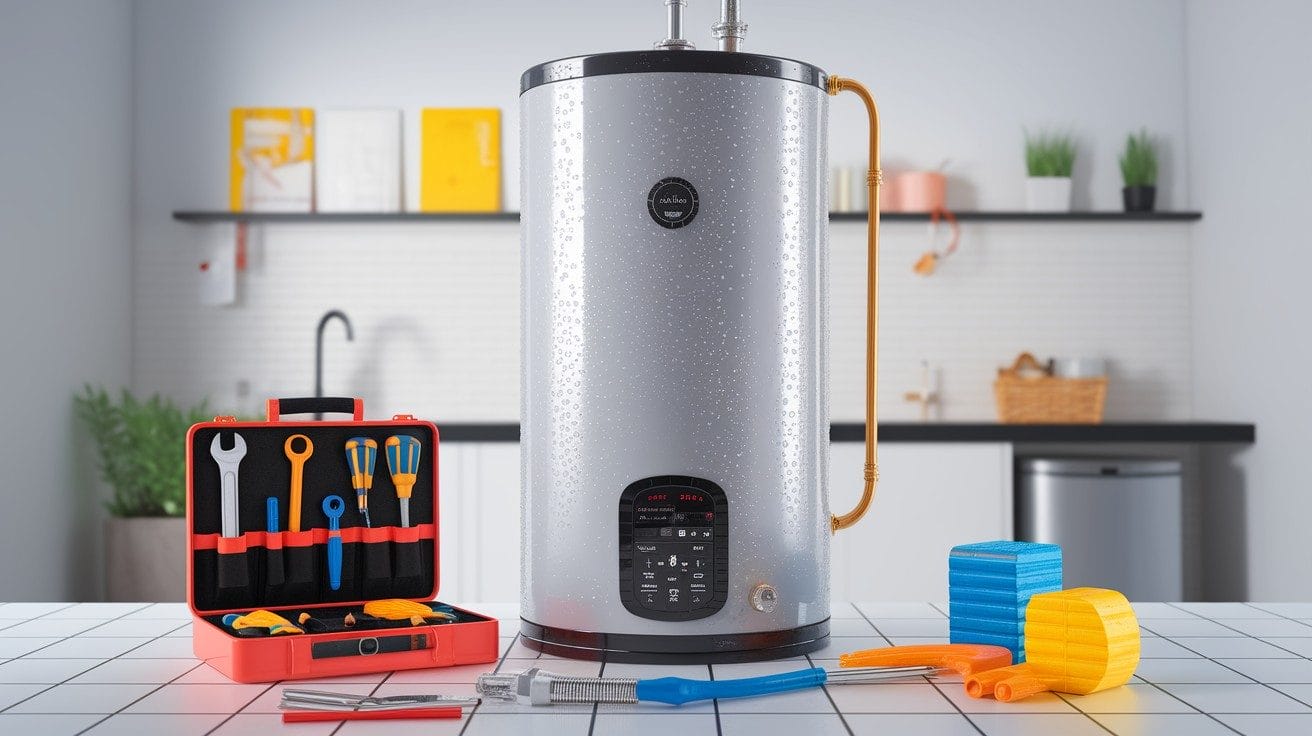
Discovering water pooling around your water heater can be alarming, but before you panic about a major leak, you might be dealing with a condensation issue. Water heater tank sweating is more common than many homeowners realize, especially in humid environments or poorly ventilated spaces. The good news is that learning how to stop water heater condensation doesn’t require extensive plumbing knowledge or expensive repairs.

Understanding the difference between actual leaks and condensation is crucial. While leaks involve water escaping from the tank itself, condensation occurs when water vapor in the air turns back into liquid water on cooler surfaces. This comprehensive guide will walk you through practical solutions to eliminate that frustrating dripping and protect your home from potential water damage.
Spotting the Sweat: Why Condensation Forms
To effectively prevent water heater condensation, you first need to understand what causes water heater condensation. The process begins when warm flue gases produced by the burner cool down and reach their dew point. This cooling process causes water vapor to condense into liquid water, creating those telltale droplets you see forming on and around your water heater.

Key Factors Contributing to Condensation
Several environmental and operational factors work together to create the perfect storm for water heater base sweating:
- Temperature Differential: The greater the difference between your water heater’s surface temperature and the surrounding air, the more likely condensation will form
- Humidity Levels: High ambient humidity provides more moisture in the air to condense
- Poor Insulation: Inadequate insulation allows heat to escape, creating cooler surfaces where condensation can form
- Ventilation Issues: Stagnant air traps moisture around the unit
Modern, efficient water heaters can produce approximately half a gallon of water vapor per hour during operation. When you combine this with high humidity levels, you create ideal conditions for condensation around water heater units. This is particularly problematic in basements, garages, and other enclosed spaces where air circulation may be limited.
It’s important to note that condensation issues are often mistaken for leaks because both can result in water pooling around the heater. However, condensation typically appears as small droplets forming on the exterior surfaces, while leaks involve water directly escaping from tank connections or the tank itself.
Wrap It Right: Insulating Your Water Heater
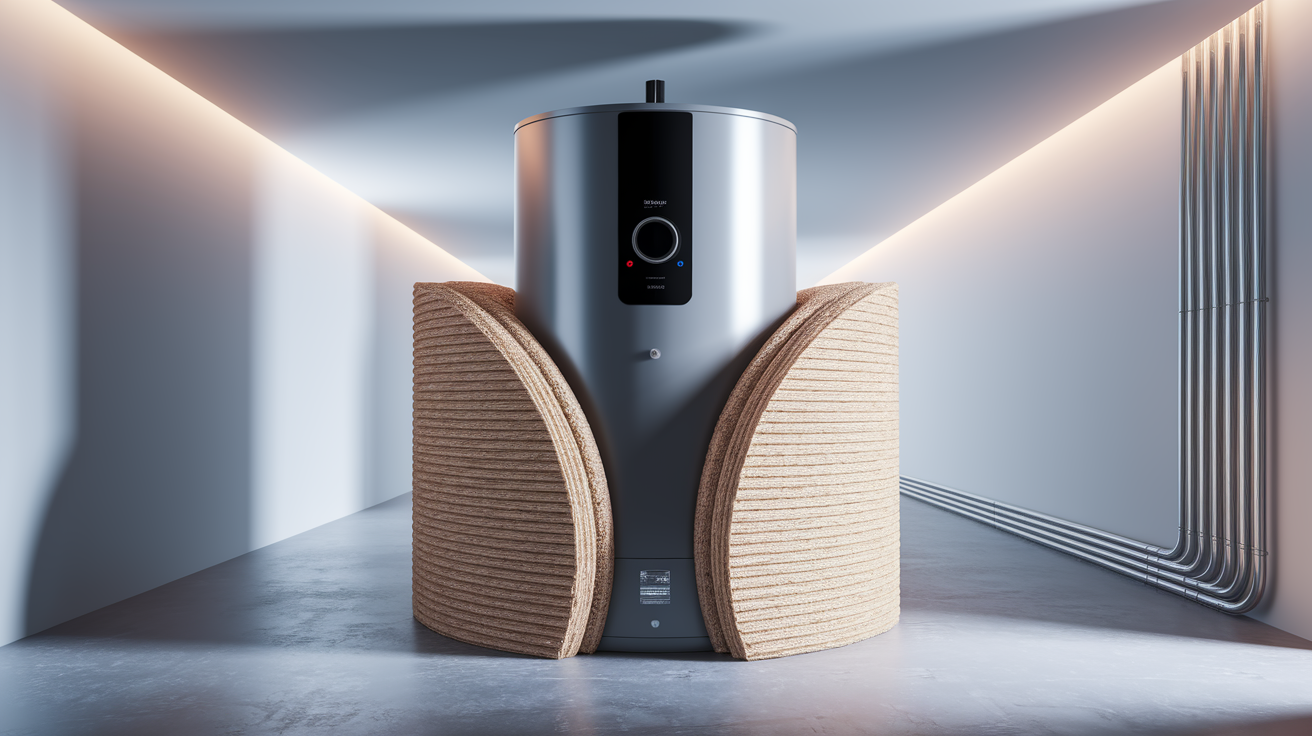
Proper insulation is one of the most effective methods for how to stop water heater tank sweating in basement and other locations. Insulation helps maintain consistent surface temperatures, reducing the likelihood of condensation formation.
Water Heater Tank Insulation
Installing a water heater blanket or insulation jacket around your tank provides several benefits:
- Reduces heat loss from the tank surface
- Maintains more consistent surface temperatures
- Decreases energy costs by improving efficiency
- Minimizes condensation formation
How to insulate water heater tank:
- Measure your water heater’s height and circumference
- Purchase an appropriately sized insulation blanket (typically R-10 rating or higher)
- Wrap the blanket around the tank, leaving access panels and temperature controls uncovered
- Secure with tape or straps according to manufacturer instructions
- Ensure vents and safety valves remain unobstructed
Pipe Insulation
Don’t forget about cold water supply line condensation. Insulating both hot and cold water pipes helps prevent sweating on these lines as well:
- Use foam pipe insulation sleeves for easy installation
- Focus on the first 6 feet of piping from the water heater
- Seal joints and connections to prevent air gaps
- Consider self-adhesive pipe wrap for irregularly shaped connections
Let It Breathe: Improving Ventilation
Poor ventilation is a primary culprit in garage water heater sweating solution scenarios and other enclosed spaces. Improving air circulation helps remove excess moisture and maintains more stable ambient conditions.

Natural Ventilation Solutions
Simple ventilation improvements can make a significant difference:
- Install vents: Add intake and exhaust vents to create cross-ventilation
- Keep doors open: When possible, leave utility room doors open to improve air circulation
- Remove obstructions: Ensure at least 6 inches of clearance around the water heater
- Clean existing vents: Remove dust and debris from current ventilation systems
Mechanical Ventilation Options
For persistent humidity issues, consider these mechanical solutions:
- Exhaust fans: Install a bathroom-style exhaust fan to remove humid air
- Dehumidifiers: Use a portable or whole-house dehumidifier to control moisture levels
- HVAC integration: Connect the water heater area to your home’s heating and cooling system
The goal is to reduce humidity near water heater installations and maintain consistent air circulation. This approach is particularly effective for crawl space water heater condensation issues where natural ventilation may be limited.
Set It Smart: Optimal Temperature Settings
Your water heater’s temperature setting plays a crucial role in condensation formation. Finding the right balance between comfort and condensation prevention requires understanding how temperature affects vapor formation.
Recommended Temperature Settings
Most manufacturers recommend setting your water heater to 120°F (49°C) for optimal performance and safety. However, for condensation control, consider these factors:
- Avoid extreme temperatures: Very high settings increase vapor production
- Consider seasonal adjustments: You might need slightly different settings during humid summer months
- Monitor performance: Track condensation levels when making temperature changes
- Balance efficiency: Higher temperatures increase energy costs and condensation risk
Gradual Heating Approach
For what causes heavy condensation around a new water heater situations, consider a gradual heating approach:
- Start with a lower temperature setting (110°F)
- Allow the unit to operate for several days
- Gradually increase temperature in 5°F increments
- Monitor condensation levels at each setting
- Find the optimal balance for your specific conditions
This method is particularly useful when dealing with troubleshooting condensation issue with tankless water heater exhaust systems, as these units can be more sensitive to rapid temperature changes.
Keep an Eye on It: Regular Maintenance
Consistent maintenance is essential for long-term condensation prevention. Regular inspections and upkeep help identify potential issues before they become major problems.
Monthly Inspection Checklist
Perform these checks monthly to stay ahead of condensation issues:
- Visual inspection: Look for water droplets, pooling, or wet spots around the unit
- Check insulation: Ensure blankets and pipe insulation remain properly positioned
- Test ventilation: Verify fans and vents are operating correctly
- Monitor humidity: Use a hygrometer to track moisture levels in the area
- Inspect drainage: Ensure proper drainage if you have a drain pan installed
Seasonal Maintenance Tasks
Perform these tasks seasonally to maintain optimal conditions:
- Clean vents and fans: Remove dust and debris that can restrict airflow
- Check insulation integrity: Replace damaged or compressed insulation materials
- Inspect flue connections: Ensure proper slope on water heater flues for drainage
- Test safety systems: Verify temperature and pressure relief valves function properly
- Professional inspection: Consider annual professional maintenance for optimal performance
Signs That Require Professional Attention
While many condensation issues can be resolved with DIY solutions, certain situations warrant professional help:
- Persistent condensation despite implementing multiple solutions
- Signs of corrosion or rust on the water heater or surrounding components
- Unusual noises that might indicate mechanical problems (you can troubleshoot other water heater noises as well)
- Significant increases in energy bills that might indicate efficiency problems
- Concerns about distinguishing between condensation and actual leaks
Remember that addressing condensation issues promptly helps prevent more serious problems like potential water heater leaks or the need to deal with a broken water heater.
A Drier Tomorrow: Conclusion
Successfully stopping water heater condensation requires a multi-faceted approach combining proper insulation, adequate ventilation, optimal temperature settings, and regular maintenance. By understanding why condensation forms and implementing these practical solutions, you can eliminate that frustrating sweating and protect your home from potential water damage.
Key takeaways for preventing water heater condensation:
- Install proper insulation on both the tank and connecting pipes
- Improve ventilation to reduce humidity and increase air circulation
- Set appropriate temperature levels to minimize vapor production
- Perform regular maintenance and inspections
- Know when to call a professional for persistent issues
Remember that is water heater tank sweating normal or a problem depends on the severity and persistence of the issue. Minor condensation during initial startup or extreme weather conditions is typically normal, but ongoing sweating indicates a need for the solutions outlined in this guide.
With these strategies in place, you can enjoy reliable hot water service without the worry of condensation-related water damage. Take action today to implement these solutions and maintain a dry, efficient water heating system for years to come.