Time-Stamp Your Tank: Discover Your Water Heater’s Age Instantly
Your water heater is one of the unsung heroes of your home, working silently to provide hot water for everything from your morning shower to your evening dishes. But like any major appliance, it has a finite lifespan. Knowing your water heater’s age is the first step in proactive maintenance and planning for an eventual replacement. This is especially true for owners of a State water heater, a brand with a rich history of reliability.
State Industries, now part of the A.O. Smith family of brands, has been a leading manufacturer for over 75 years, growing from humble beginnings to become a major force in the water heating industry. Understanding the age of your State tank water heater, whether it’s a gas or electric model, is crucial for maintaining its efficiency, ensuring its safety, and preventing a catastrophic failure. This guide will walk you through exactly how to pinpoint the manufacturing date of your unit, giving you the power to stay ahead of potential problems.
Finding the Data Plate and Serial Number
Your water heater’s birth certificate is its data plate (also called a rating plate). This label contains all the vital statistics of your appliance, including the tank capacity, model number, and most importantly, the serial number. This is where you’ll find the code that reveals the manufacturing date.
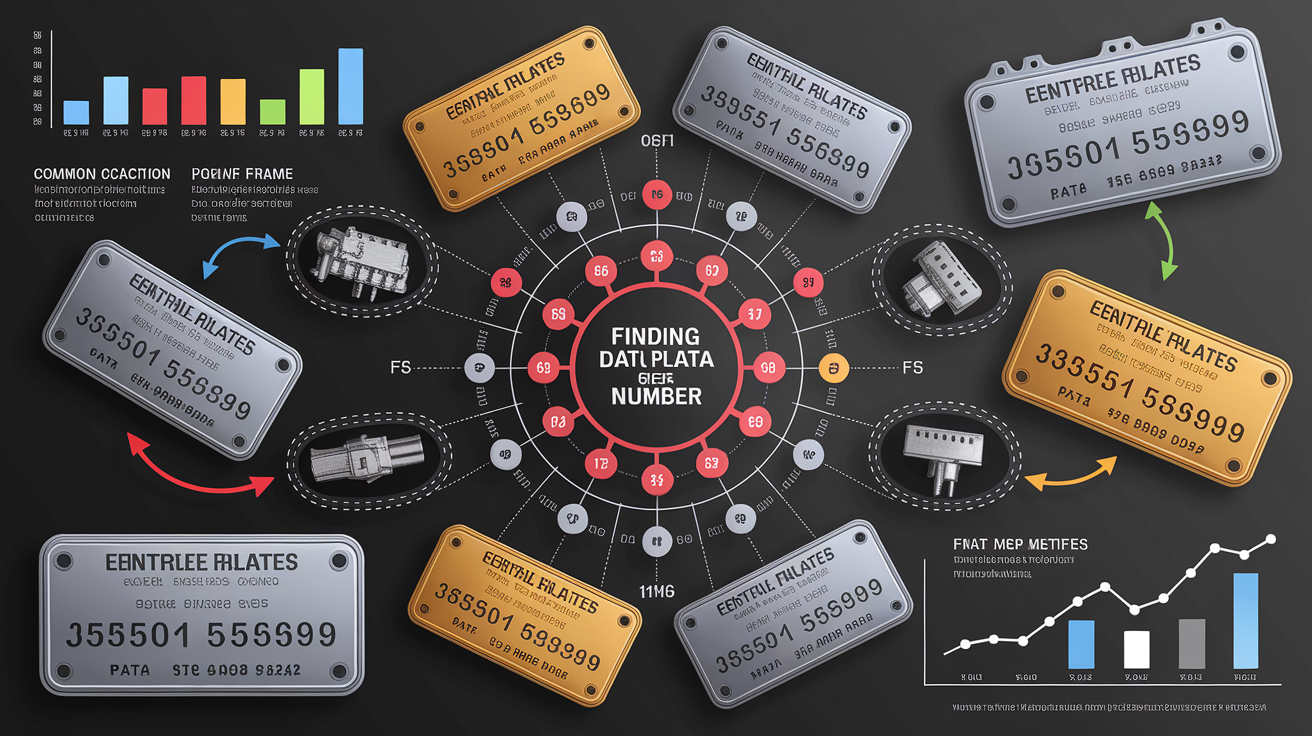
So, where is this all-important sticker? On most State hot water tanks, you can find the data plate on the side of the unit, usually in the upper half. It’s typically a large, metallic-looking sticker. You may need a flashlight to read it clearly, especially if your water heater is tucked away in a closet or a dimly lit corner of the basement. Take a moment to wipe away any dust or grime so you can read the numbers clearly. Once you’ve found it, locate the “Serial Number” or “S/N” line. This sequence of letters and numbers is the key to decoding your State water heater’s age.
Cracking the Date Code
State water heaters, especially those made in recent decades under A.O. Smith, use a consistent and straightforward serial number format that makes dating the appliance relatively easy. While older formats existed, the most common one you’ll encounter follows a YYWW pattern for the year and week of manufacture.

Here’s the step-by-step guide to decoding the most common State water heater serial number format:
- Locate the Serial Number: As mentioned, find the serial number on the data plate. It will be a long string of letters and numbers.
- Focus on the First Four Digits: The most crucial information is typically at the beginning of the number.
- Identify the Year (YY): The first two digits of the serial number represent the year the water heater was manufactured.
- Identify the Week (WW): The third and fourth digits represent the week of that year.
Let’s look at an example. Suppose you find a serial number that reads: S/N 1825J123456
- The first two digits are 18. This means the water heater was manufactured in the year 2018.
- The next two digits are 25. This means it was made in the 25th week of the year (which is late June).
This method is highly accurate and is the standard for most models, including the popular State ProLine, State SELECT, and State Premier lines. This simple serial number comparison is the fastest way to find your water heater’s manufacturing date.
It’s important to note that very old models might use different formats. Some older State Industries heaters used a letter-based month code. For instance, a serial number starting with ‘J08’ could indicate it was made in October of 2008. However, the YYWW format is the most prevalent and reliable for most units installed in the last 20-25 years.
Backup Methods When Serial Numbers Are Unreadable
What if the data plate is damaged, painted over, or just completely illegible? Don’t worry, you still have a few options for dating your water heater.

- Check for an ANSI Date: Look elsewhere on the data plate for an ANSI (American National Standards Institute) standard number. You might see a date next to it, like “ANSI Z21.10.1-2004,” which indicates the standard the unit was built to. While this isn’t the manufacturing date, it gives you a baseline—the heater couldn’t have been made before that year.
- Look for Installation Stickers: Often, the plumber who installed the unit will place their own company sticker on the tank with the installation date. This date is usually very close to the manufacturing date and is an excellent indicator of the appliance’s age.
- Contact the Manufacturer: If all else fails, you can try contacting A.O. Smith (State’s parent company) customer service. If you can provide them with the model number (which is often easier to read than the serial number), they may be able to look up the manufacturing period for that specific model.
Why Verifying Your Heater’s Age Matters
Determining your water heater’s age isn’t just a matter of curiosity; it’s a critical part of responsible homeownership. A State water heater has an average lifespan of about 10-12 years, though this can be influenced by water quality and maintenance.
Here’s why the age of your hot water tank is so important:
- Efficiency and Cost: As a water heater ages, it loses efficiency. Sediment builds up at the bottom of the tank, forcing the heating element or burner to work harder to heat the water. This leads to higher energy bills. This sediment can also be the reason your hot water heater is whistling or draining slowly.
- Risk of Failure: The older a water heater gets, the higher the risk of failure. The most common point of failure is corrosion of the steel tank, which can lead to leaks. A minor drip can quickly turn into a major flood, causing thousands of dollars in water damage. Knowing your unit is approaching its 12-year mark allows you to budget for a replacement before disaster strikes. Proactively installing a water heater drain pan is a smart move for any unit, but especially an older one.
- Safety Concerns: While modern water heaters have many safety features, older units can pose risks. Malfunctioning temperature and pressure relief valves or faulty thermostats are more common in aging appliances.
- Warranty Status: A standard State water heater warranty is typically 6 years for parts and the tank. If your unit is younger than that, it may still be under warranty, which is important to know if you encounter any issues. You can often check the warranty status with the manufacturer using your serial number.
If you’re already experiencing issues like water heater leaks, you’re on borrowed time. If you find yourself in a situation where you need to decide if you can shower with a broken water heater, a replacement should be your top priority.
Wrapping Up Your Heater’s Timeline
Decoding your State water heater’s age is a quick and easy DIY task that empowers you as a homeowner. By finding the data plate and reading the first four digits of the serial number, you can instantly determine the year and week your unit was made. This simple piece of information is invaluable for planning maintenance, anticipating replacement costs, and protecting your home from the potential damage of a failed tank.
Take a few minutes today to check your water heater’s manufacturing date. If it’s approaching or has surpassed the 10-year mark, it’s wise to start researching a replacement. Staying ahead of the game ensures you’ll never be left out in the cold.