Instant Answer: Yes, But It Depends
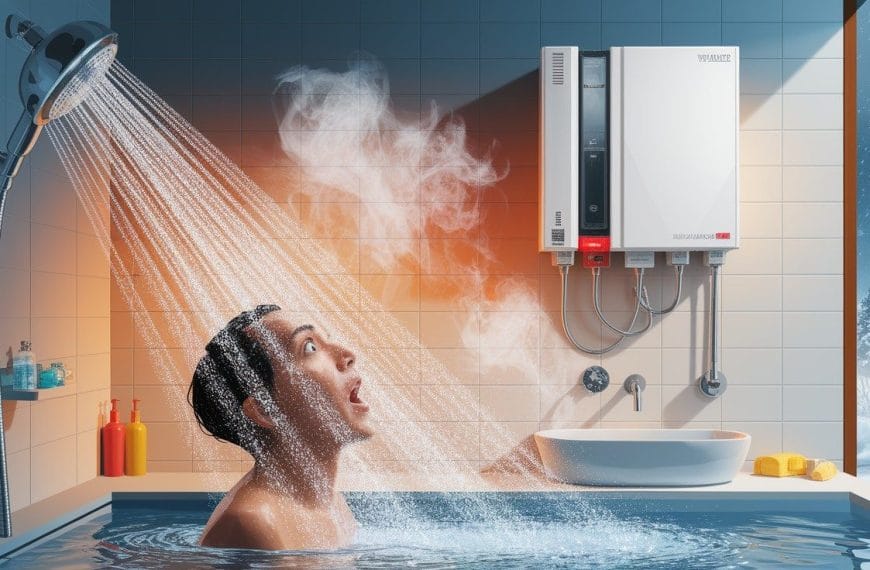
When it comes to considering a tankless water heater, the straightforward answer is yes, they can be worth it. However, whether they are the right choice for you depends on various factors including household size, hot water needs, and budget. Understanding the pros and cons can help you make an informed decision.

Benefits of Going Tankless
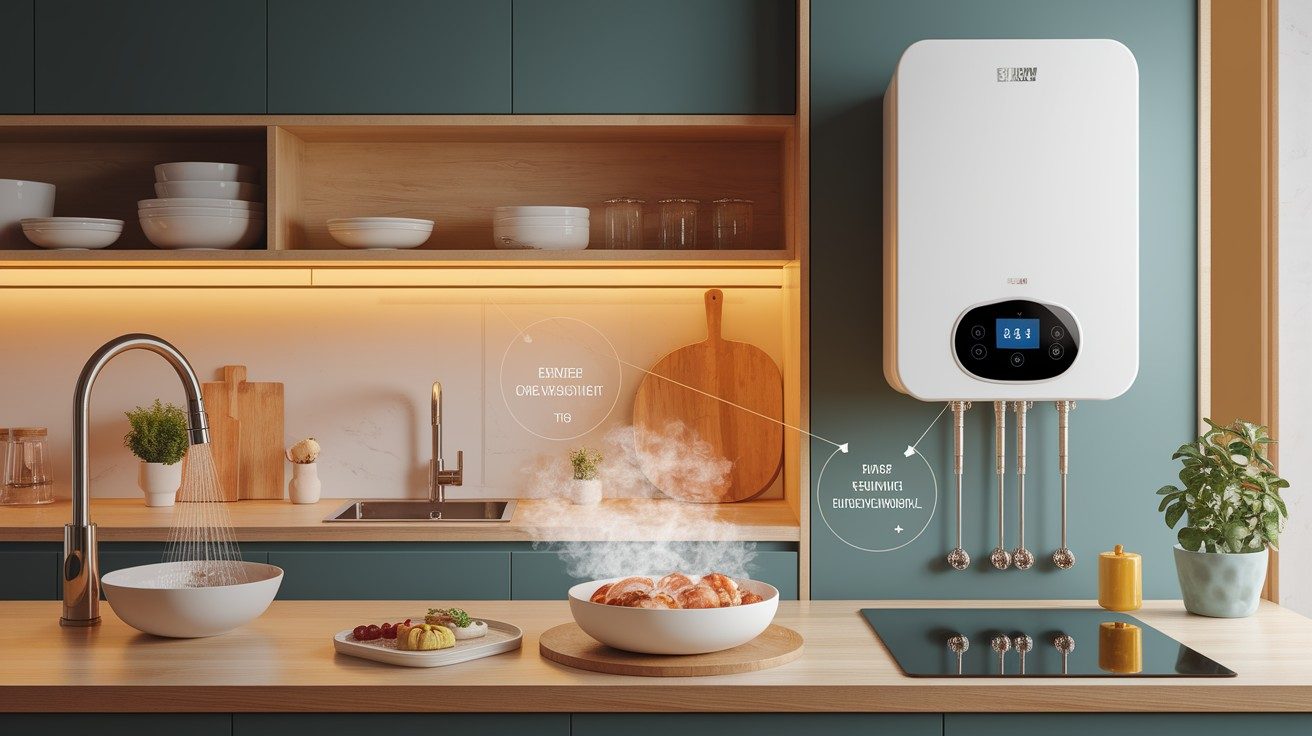
Tankless water heaters, also known as on-demand water heaters, offer several advantages over traditional tank models:
- Energy Efficiency: These systems heat water only when needed, eliminating standby heat losses associated with traditional units. This leads to significant energy savings.
- Longer Lifespan: Typically, a tankless water heater lasts 15-20 years, while traditional tank heaters last about 10 years.
- Space-Saving Design: Their compact size is ideal for smaller homes or apartments.
- Precise Temperature Control: Many models offer enhanced temperature management for better comfort and safety.
The good news is that these benefits can translate into lower hot water supply costs over time, making them an appealing option for many homeowners.
Potential Drawbacks to Consider
Despite their advantages, tankless water heaters come with some potential drawbacks:

- Higher Upfront Costs: The initial investment for a tankless water heater and its installation can be significantly higher than traditional systems.
- Limited Flow Rate: Tankless units may struggle to provide enough hot water for multiple fixtures at once, which can be an issue for larger households.
- Maintenance Requirements: These systems may require more frequent maintenance, particularly in areas with hard water.
- Installation Complexity: Upgrades to electrical or gas lines may be necessary, adding to installation costs.
Understanding these limitations is crucial in determining if a tankless system fits your lifestyle.
Comparing Costs: Tankless vs. Traditional
Cost considerations play a vital role in your decision-making process. Tankless water heaters generally range from $1,400 to nearly $4,000, including installation costs. Here’s a breakdown of the financial aspects:
- Initial Investment: Higher for tankless models due to both the unit and potential installation modifications.
- Operating Costs: While upfront costs are higher, tankless systems can lead to lower energy bills and longer lifespans.
- Return on Investment: For homes with moderate hot water needs, the operational savings may offset the initial costs over time.
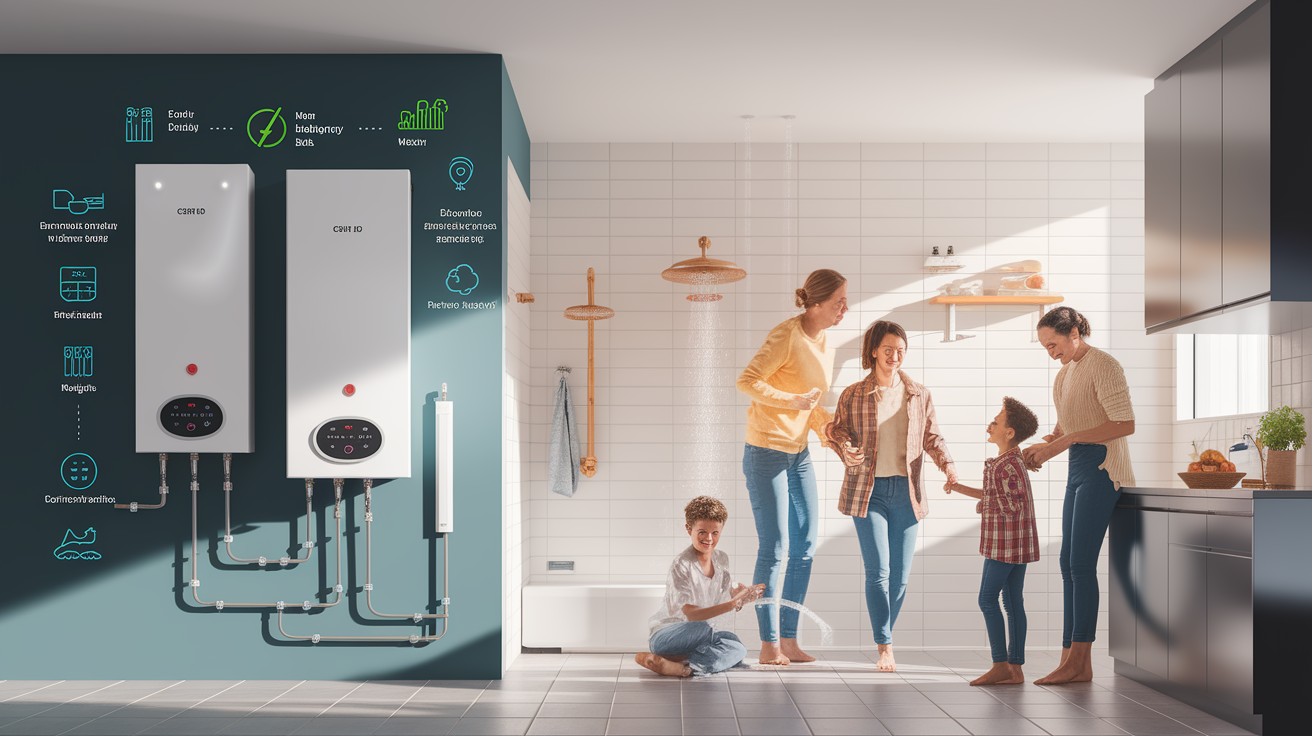
For large families with high simultaneous hot water demands, multiple traditional tanks or a combination of tankless units might be more practical.
Who Should Consider a Tankless Water Heater?
Tankless water heaters are ideal for:
- Smaller households or apartments with limited space.
- Homeowners looking to reduce their environmental impact through energy-efficient solutions.
- Individuals who prioritize long-term savings over initial costs.
However, if your household frequently requires hot water for multiple uses simultaneously, a traditional tank model might be more suitable.
Making the Decision: Factors to Weigh
When deciding whether to install a tankless water heater, consider the following factors:
- Household Size: Analyze your hot water needs based on the number of occupants and simultaneous usage.
- Budget: Assess your willingness to invest upfront for potential long-term savings.
- Local Energy Prices: Evaluate how fuel type and energy costs in your area affect overall savings.
- Water Quality: Consider the hardness of your water, which may impact efficiency and maintenance.
These factors will help guide you to the right choice for your home.
Conclusion: The Final Verdict
In summary, a tankless water heater can be a worthwhile investment, particularly for those seeking energy efficiency and long-term savings. However, it’s essential to weigh the initial costs, household needs, and installation requirements against the benefits. For many, the switch to a tankless system could lead to improved comfort and lower utility bills.