Quick Tips to Prevent Frozen Pipes
Preventing plumbing freezes is crucial for maintaining the integrity of your home’s plumbing system. Here are some quick tips to keep your pipes flowing:
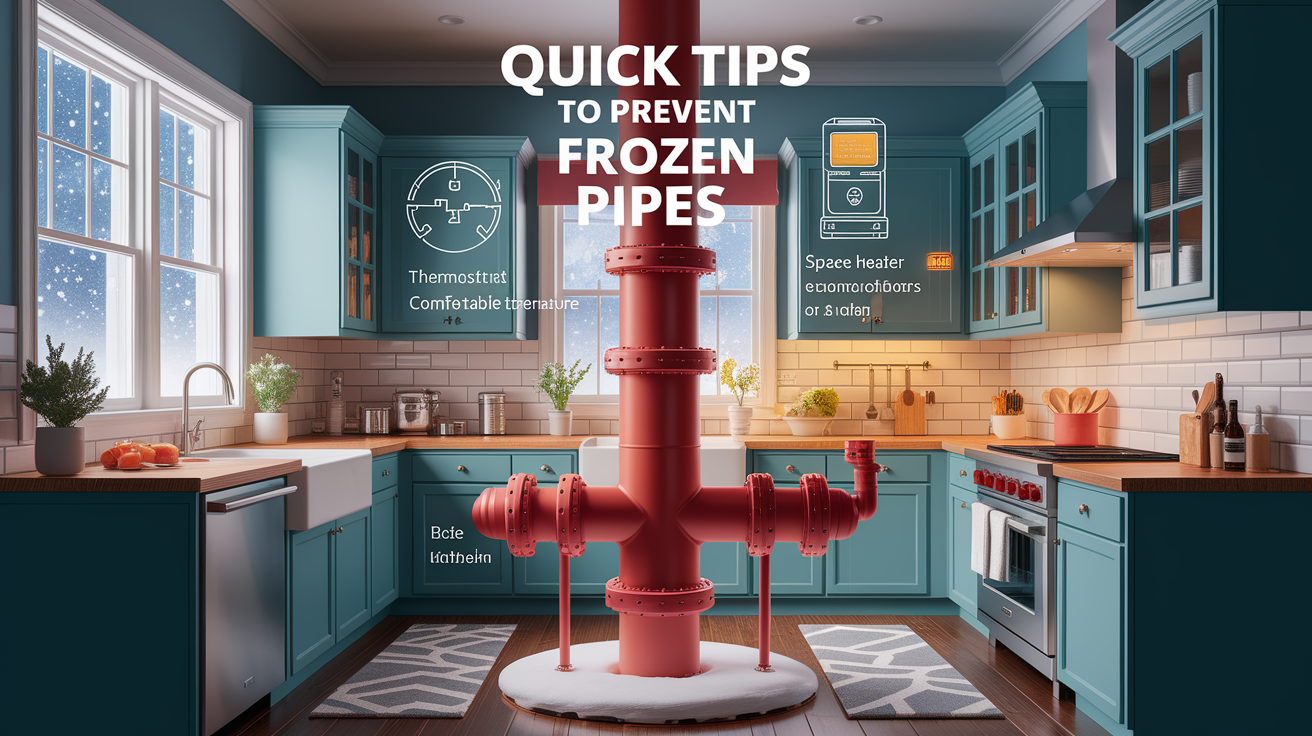
- Set your thermostat to at least 55°F during cold weather.
- Insulate any exposed pipes using foam insulation or pipe wrap.
- Seal air drafts around plumbing fixtures to keep cold air out.
- Disconnect and drain outdoor hoses before freeze conditions.
- Open cabinet doors to allow warm air to circulate around pipes.
- Let faucets drip slowly to keep water moving, especially those farthest from the main valve.
Long-Term Solutions for Pipe Protection
For a more permanent solution to prevent plumbing freezes, consider implementing these long-term strategies:

- Insulate Pipes: Use high-quality pipe insulation materials, such as foam or fiberglass, particularly in unheated areas.
- Install Heat Tape: Electric heat tracing or heat tape can actively maintain pipe temperatures during severe cold. Ensure you follow the manufacturer’s instructions carefully.
- Monitor Indoor Temperature: Regularly check and maintain indoor temperatures, especially in areas like basements and crawl spaces.
What to Do If Your Pipes Freeze
If you suspect that your pipes have frozen, quick action is essential. Follow these steps:
- Turn off the main water shut-off valve to prevent flooding if a pipe bursts.
- Open faucets connected to the frozen pipes to relieve pressure.
- Apply gentle heat to the frozen section using a hairdryer or heating pad.
- Never use open flames or high heat sources, as these can damage your pipes.
- If the frozen area is in the water meter, contact your water utility for assistance.
Winterize Your Home
Proper winterization of your home not only protects your plumbing but also enhances overall energy efficiency. Here’s how to effectively winterize:
- Insulate the Basement: Use insulation boards or blankets to keep basement pipes warm.
- Heat Your Crawl Space: Consider installing a space heater in the crawl space during extreme cold.
- Seal Cracks: Use weather stripping to seal any drafts around windows and doors.
Stay Warm and Worry-Free
By taking proactive measures, you can significantly reduce the risk of plumbing freezes. Here are some final encouraging tips:
- Regularly check your plumbing system and perform maintenance as needed.
- Stay informed about weather forecasts and prepare your home accordingly.
- Invest in advanced freeze protection technologies if you live in areas with extreme cold.
With these strategies in place, you can enjoy a warm, worry-free winter, knowing your plumbing system is well protected against the cold.
Quick Tips to Prevent Frozen Pipes
Implementing simple strategies can go a long way in safeguarding your plumbing. Here are some quick tips:
- Let Faucets Drip: Allowing a small trickle of water to run through faucets during particularly cold nights can prevent freezing.
- Open Cabinet Doors: Open kitchen and bathroom cabinet doors to allow warmer air to circulate around plumbing.
- Disconnect Hoses: Remove garden hoses and drain outdoor faucets to prevent water from freezing in the lines.
Long-Term Solutions for Pipe Protection
Investing in long-term solutions can provide peace of mind and protect your plumbing for years to come. Consider the following:
- Pipe Insulation: Use foam sleeves or fiberglass insulation on exposed pipes to maintain a consistent temperature.
- Install Heating Cables: Consider applying heat tape on vulnerable pipes to prevent freezing.
- Replace Problematic Pipes: If certain pipes consistently freeze, consider upgrading to more resilient materials.
What to Do If Your Pipes Freeze
If you find that your pipes have frozen, it’s important to act quickly and carefully. Follow these steps:
- Turn off the water supply to prevent flooding when the pipes thaw.
- Apply heat to the frozen section using a hairdryer or heating pad.
- Keep the faucet open to allow water to flow as the ice begins to melt.
Winterize Your Home
Proper winterization of your home not only protects your plumbing but also enhances overall energy efficiency. Here’s how to effectively winterize:
- Insulate the Basement: Use insulation boards or blankets to keep basement pipes warm.
- Heat Your Crawl Space: Consider installing a space heater in the crawl space during extreme cold.
- Seal Cracks: Use weather stripping to seal any drafts around windows and doors.
Stay Warm and Worry-Free
By taking proactive measures, you can significantly reduce the risk of plumbing freezes. Here are some final encouraging tips:
- Regularly check your plumbing system and perform maintenance as needed.
- Stay informed about weather forecasts and prepare your home accordingly.
- Invest in advanced freeze protection technologies if you live in areas with extreme cold.
With these strategies in place, you can enjoy a warm, worry-free winter, knowing your plumbing system is well protected against the cold.