Introduction – The Secret Behind Seamless Plumbing
For many homeowners, plumbing can seem like a complex web of pipes and fixtures. Yet, one critical component often goes unnoticed: plumbing venting. Understanding plumbing venting is essential for ensuring that your home’s drainage system functions efficiently. In essence, plumbing vents are the unsung heroes of your plumbing system, playing a vital role in maintaining air pressure and preventing sewer gases from infiltrating your living spaces.
The Purpose of Plumbing Vents
The primary purpose of a plumbing vent system is to regulate air pressure within your plumbing infrastructure. According to Tom’s Mechanical, these vents allow air to enter and sewer gases to escape, thus ensuring that wastewater flows smoothly through drainpipes. Without proper venting, negative pressure can cause water seals in traps—those U-shaped pipes beneath your fixtures—to be siphoned dry, allowing harmful gases to enter your home. Properly installed plumbing vents also help prevent issues like slow drainage and unpleasant odors.
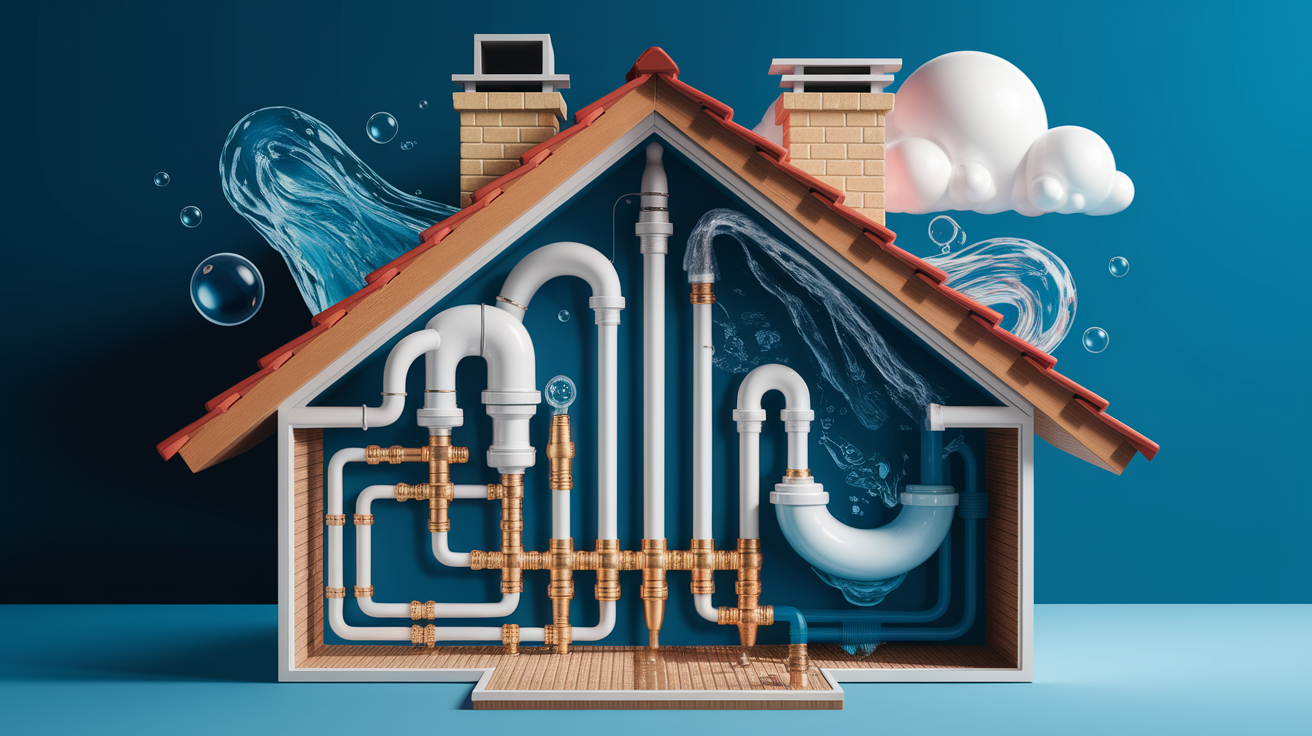
Types of Plumbing Vents
Understanding the different types of plumbing vents is crucial for effective installation and maintenance. Here are the main types:
- Main Vent Stack: A vertical pipe that extends through the roof, connecting multiple branch vents.
- Branch Vents: These serve individual fixtures, maintaining pressure balance in the system.
- Re-Vent Pipes: Auxiliary vents that connect drain lines back to the main vent.
- Air Admittance Valves (AAVs): Mechanical valves that allow air into the drainage system while preventing sewer gases from escaping. They are useful in areas where traditional venting is impractical.
- Combination Waste and Vent (CWV) Pipes: Large horizontal pipes that serve both drainage and venting functions, but are limited to non-toilet fixtures due to blockage risks.
For more detailed information, you can refer to Trust Eyman.
Common Venting Issues and Solutions
Even with a well-designed plumbing vent system, issues can arise. Common signs of venting problems include:
- Sewer gas odors inside the home
- Slow drainage from sinks or tubs
- Gurgling noises from drains
- Bubbling in toilet bowls
- Sewage backups into fixtures
These problems often stem from blocked vents caused by debris, bird nests, or damaged pipes. Regular inspection and maintenance are essential. For troubleshooting, consider the following steps:
- Inspect vent pipes for visible blockages.
- Check for signs of moisture or corrosion around vent openings.
- Use a plumbing snake to remove blockages if necessary.
- Consider consulting a professional for persistent issues.
For more tips on common venting problems, check out Armadillo One.
Conclusion – Venting: The Unsung Hero of Plumbing
Understanding and maintaining your plumbing vent system is crucial for a healthy and efficient home plumbing environment. By knowing the purpose of plumbing vents, the various types available, and how to troubleshoot common issues, homeowners can ensure their plumbing systems run smoothly. Remember, regular maintenance and adherence to local building codes can save you from costly repairs and health hazards down the line.
Moreover, it’s important to educate yourself about local plumbing codes, as they dictate the proper installation and maintenance of vent systems. This knowledge not only ensures compliance but also enhances the overall efficiency of your plumbing. Engaging with a licensed plumber for any modifications or new installations can provide peace of mind, knowing that your system meets the necessary standards.
In conclusion, while plumbing vents may not be the most glamorous aspect of home maintenance, their role is undeniably vital. A well-functioning vent system contributes significantly to the longevity and efficiency of your plumbing, preventing potential disasters and costly repairs. Take the time to understand this essential component of your plumbing system, and you will appreciate the seamless operation it facilitates.