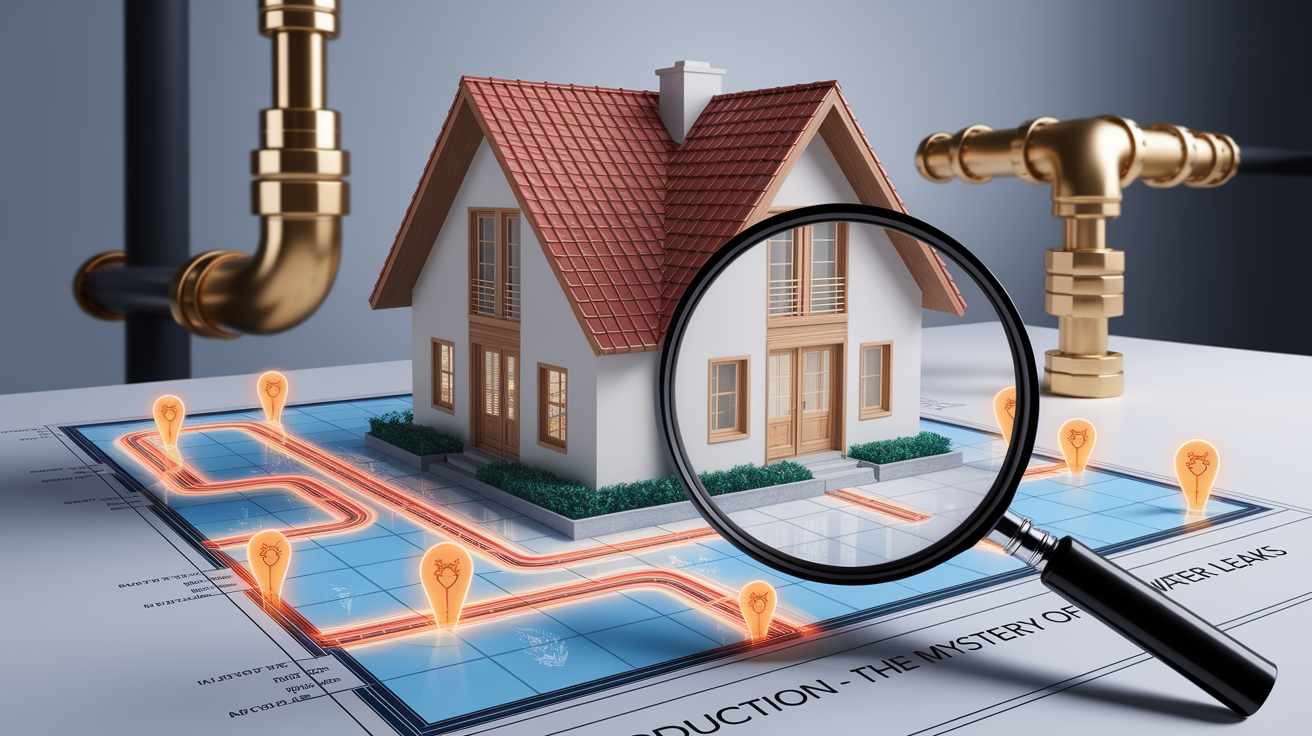
Introduction – Uncovering the Mystery of Water Leaks
Water leaks can quietly wreak havoc on homes, leading to structural damage, mold growth, and increased utility bills. Identifying these leaks early is essential for preventing costly repairs and maintaining a healthy living environment. Here’s what you need to know about effective water leak detection techniques that can help safeguard your home.
Visual Inspection Techniques
The first step in identifying a water leak is often a simple visual inspection. Here are some practical tips:

- Check for stains: Look for water stains on walls, ceilings, and floors, as these can indicate hidden leaks.
- Inspect your plumbing: Examine pipes, faucets, and appliances for signs of moisture or corrosion.
- Monitor water bills: A sudden spike in your water bill can signal a leak.
By regularly conducting visual inspections, you can catch leaks early and address them before they escalate.
Acoustic Leak Detection
Acoustic leak detection is a non-invasive method that utilizes sensitive microphones or sensors to detect the sound of water escaping from pipes under pressure. Here’s how it works:
- Acoustic sensors listen for specific sound signatures, such as hissing or whooshing noises.
- The sounds are amplified and analyzed to pinpoint the leak’s location accurately.
This technique is effective for both above-ground and underground pipes and can provide real-time leak localization. For more on these technologies, you can read about acoustic detection methods.
Infrared Thermography
Infrared thermography is a powerful technique that visualizes temperature differences to detect moisture. This method can uncover hidden leaks behind walls or under floors without causing damage. Here’s how to use it:
- Use an infrared camera to scan areas where leaks are suspected.
- Look for cooler spots that may indicate moisture presence.
This approach is particularly useful in identifying water intrusion in roofing or insulation systems. For detailed information on this method, check out this resource.
Pressure Testing
Pressure testing is a method that assesses the integrity of plumbing systems. It involves the following steps:
- Isolate the section of the plumbing to be tested.
- Pressurize the system and monitor for drops in pressure.
- A significant drop indicates a leak that needs to be located and repaired.
This technique is especially beneficial for older systems where leaks may not be visually apparent.
Moisture Meters and Sensors
Moisture meters and sensors are invaluable tools for homeowners. They can provide precise measurements of moisture levels in various materials. Here’s how to use them:
- Moisture meters can be used on walls, floors, and ceilings to detect high moisture content, which may indicate a leak.
- Install water sensors in areas prone to leaks (like basements or near appliances) to receive alerts on moisture presence.
These devices are relatively affordable and easy to use, making them a smart investment for water leak monitoring.
Conclusion – Stay Ahead of Water Leaks
By mastering these water leak detection techniques, homeowners can proactively protect their property from the damaging effects of water leaks. Whether you choose to conduct visual inspections, employ acoustic detection, or invest in moisture meters, being vigilant can save you time, money, and stress. Remember, early detection is key!