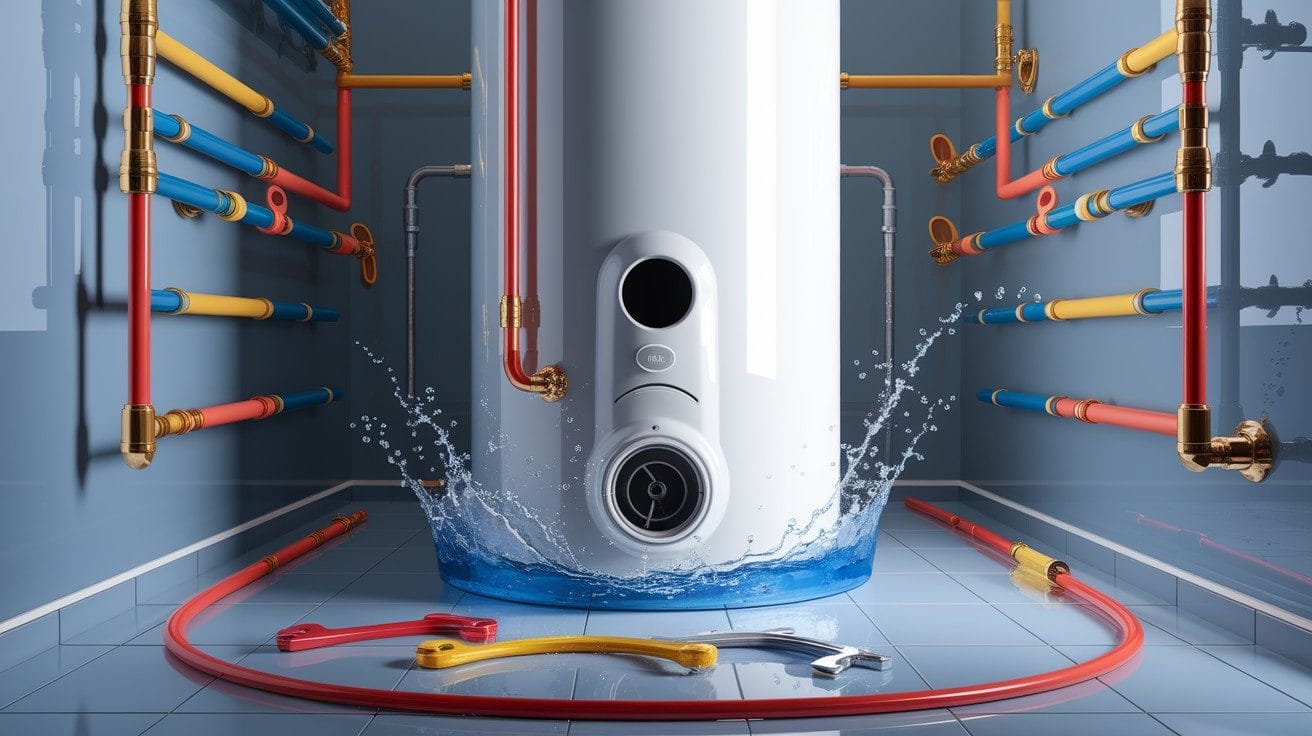
Standing by your water heater with a garden hose attached, watching water trickle out at an agonizingly slow pace? You’re not alone. Many homeowners face this frustrating scenario when attempting to drain their water heaters for maintenance. Understanding why your water heater is draining so slow can save you time, prevent damage, and extend the life of your appliance.
Drain Detective – Quick Explanation
If you’re wondering why your water heater is draining so slow, the short answer is likely sediment buildup. Over time, minerals from your water supply settle at the bottom of your tank and can clog the drain valve. This is especially common in areas with hard water.
The typical signs of a slow-draining water heater include:
- Water trickling rather than flowing from the drain valve
- Draining taking hours instead of 20-30 minutes
- Discolored or debris-filled water coming out initially
- Complete stoppage after partial draining
A properly functioning 40-gallon water heater should drain completely in about 20-30 minutes. If yours is taking significantly longer, it’s time to investigate further.
Common Culprits Slowing Your Drain
Sediment Accumulation
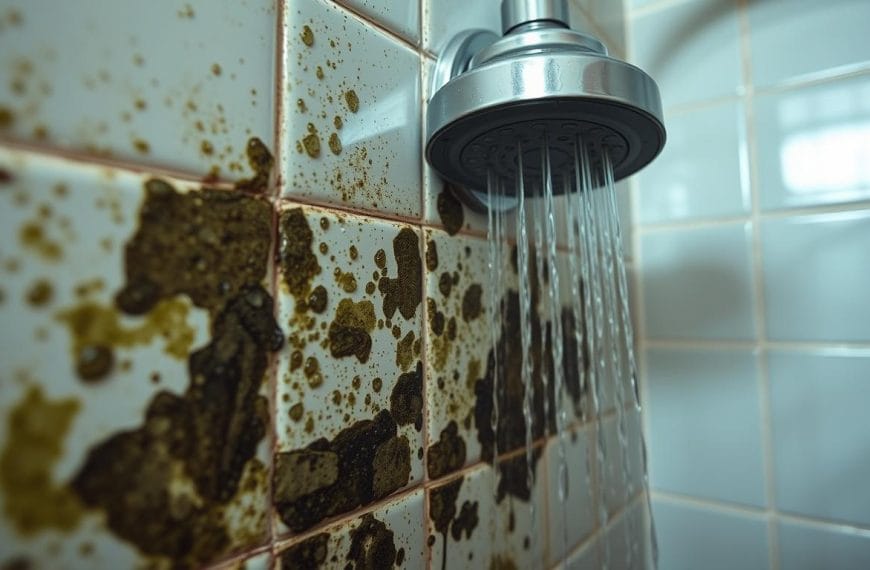
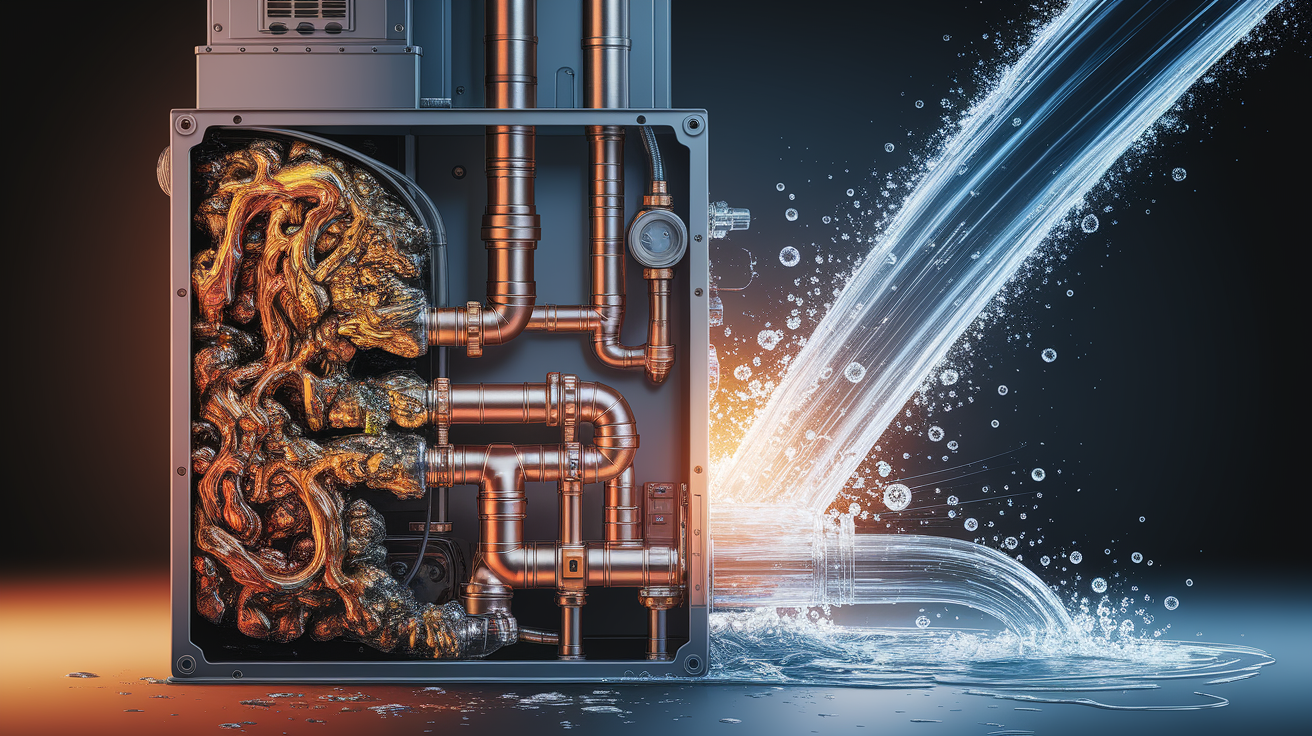
The primary reason why your hot water tank is draining slowly is sediment accumulation. Minerals like calcium and magnesium naturally present in water settle at the bottom of your tank over time. These minerals form a thick layer that can obstruct the drain valve’s operation, reducing water flow significantly.
In areas with particularly hard water, this sediment buildup can happen more quickly, sometimes creating a cement-like substance at the bottom of your tank. This not only causes slow draining but can also reduce your water heater’s efficiency and lifespan.
Clogged Drain Valve
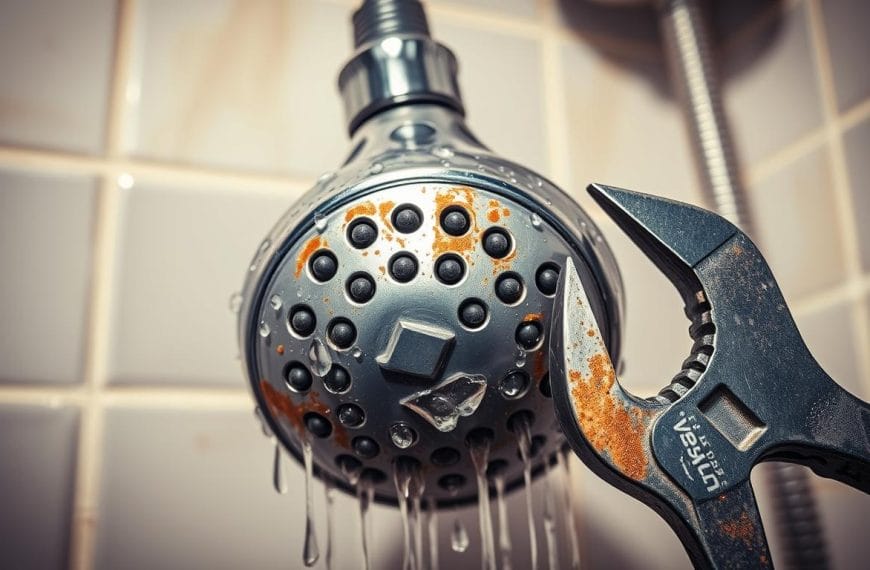
Your water heater’s drain valve is particularly vulnerable to blockages. When your drain valve is clogged with sediment, you’ll notice the valve only trickling water when opened. Over time, rust and limescale can exacerbate valve blockages, further reducing water flow.
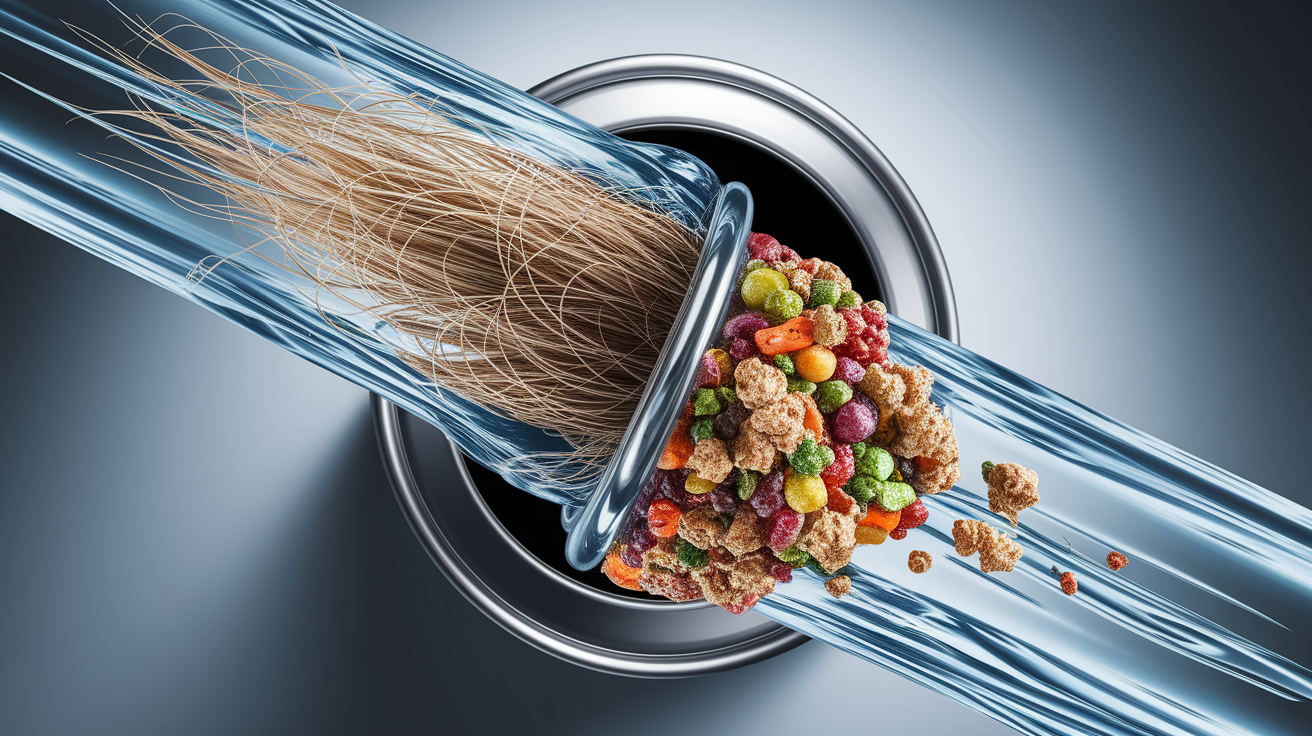

The type of valve on your water heater also matters. Plastic drain valves found on many budget models are more prone to clogging than brass valves. Similarly, gate valves tend to clog more easily than ball valves.
Vacuum Lock
Sometimes the problem isn’t a physical blockage but a vacuum lock. This occurs when air can’t enter the tank to replace the draining water, creating a vacuum that prevents proper drainage. This is why opening a hot water faucet elsewhere in your home can sometimes solve the slow draining issue.
Diagnosing the Slow Drain
Before attempting any fixes, it’s important to properly diagnose why your water heater drain is slow when flushing. Here’s a systematic approach:
Step 1: Check for Vacuum Lock
First, ensure a hot water faucet is open somewhere in your home. This allows air to enter the system and can immediately improve drainage if a vacuum lock is the issue.
Step 2: Inspect the Drain Valve
Examine the drain valve for visible signs of damage, corrosion, or blockage. If your water heater drain valve is not opening fully due to mineral deposits or damage, this could explain the slow drainage.
Step 3: Test Water Flow
If possible, compare the water flow from your drain valve to another water source using the same hose. This can help determine if the issue is with the valve specifically or potentially with the hose or connection.
Step 4: Check Water Quality
Observe the color and consistency of the water coming out. Cloudy, discolored, or sediment-filled water confirms mineral buildup inside your tank.
The signs of a clogged water heater drain valve include:
- Water dribbling rather than flowing
- Unusual noises when opening the valve
- Visible mineral deposits around the valve opening
- Complete stoppage despite the valve being fully open
Unclogging and Flushing Your Heater
Once you’ve identified why your water heater is draining so slow, it’s time to address the problem. Here are effective methods to get things flowing again:
Method 1: Create Proper Pressure Balance
To fix a slow draining water heater, first ensure proper pressure balance by opening a hot water faucet in your home. This allows air to enter the tank, replacing the water as it drains and preventing vacuum lock. If this simple step doesn’t work, move on to more intensive methods.
Method 2: Valve Manipulation Technique
Sometimes, repeatedly opening and closing the drain valve can help dislodge minor obstructions. This technique works by creating pressure changes that can break up sediment blocking the valve. Multiple drain valve manipulations might be necessary to clear stubborn blockages.
Method 3: Force Air Into the System
For more stubborn cases where your water heater drain valve is clogged with sediment:
- Turn off the water supply to the heater
- Shut off power to the unit (gas or electric)
- Connect a garden hose to the drain valve
- Open the drain valve
- Loosen (but don’t remove) the supply lines connected to the heater to force air intake
- Once drainage improves, tighten the supply lines
Method 4: Backflushing
For extremely stubborn clogs, you might need to try backflushing:
- Connect a garden hose to the drain valve
- Connect the other end to a water source (like an outdoor spigot)
- Turn on the water source briefly to send water back into the tank
- Turn off the water source and open the drain valve again
- Repeat if necessary
This method can help dislodge sediment blocking the valve, but should be used cautiously to avoid damaging your water heater.
When to Call a Professional
If your attempts to fix the slow draining issue are unsuccessful, it might be time to call in a professional. Professional assistance is recommended when:
- The drain valve appears damaged or severely corroded
- You’ve tried multiple methods without success
- The water heater is very old (10+ years)
- You notice other issues like leaks or unusual noises
A plumbing professional can safely replace the drain valve if necessary or perform a more thorough cleaning of your system.
Keeping It Flowing – Preventative Tips
The best way to avoid wondering why your water heater is draining so slow is to prevent the problem in the first place. Here are essential preventative maintenance tips:
Regular Flushing Schedule
Establish a regular water heater flush schedule based on your water quality:
- Hard water areas: Every 6 months
- Moderate water: Annually
- Soft water: Every 1-2 years
Regular flushing helps prevent sediment accumulation that leads to slow draining issues.
Install a Water Softener
If you live in an area with particularly hard water, consider installing a water softener. This can significantly reduce the mineral content reaching your water heater, minimizing sediment buildup and helping to prolong your water heater’s lifespan.
Check Your Anode Rod
The anode rod in your water heater helps prevent corrosion inside the tank. A failing anode rod can lead to increased sediment and corrosion, potentially affecting drainage speed. Inspect it during your regular maintenance and replace it if it’s more than 50% deteriorated.
Upgrade Your Drain Valve
If your water heater has a plastic drain valve, consider upgrading to a brass ball valve. These are less prone to clogging and generally more durable. This is a relatively inexpensive upgrade that can make future maintenance much easier.
Final Drop – Wrap-Up and Takeaways
A slow-draining water heater is more than just an inconvenience—it’s a warning sign of sediment buildup that could be reducing your heater’s efficiency and shortening its lifespan. Understanding why your water heater is draining so slow is the first step toward solving the problem.
Key takeaways to remember:
- Sediment buildup is the most common cause of slow draining water heaters
- Regular maintenance can prevent most drainage issues
- Simple techniques like opening a hot water faucet can often improve drainage
- For stubborn clogs, valve manipulation or backflushing might be necessary
- Don’t hesitate to call a professional for persistent problems
By addressing slow drainage promptly and implementing a regular maintenance schedule, you can ensure your water heater operates efficiently and reliably for years to come. Remember that proper water heater maintenance not only solves annoying problems like slow draining but also saves you money through improved energy efficiency and a longer-lasting appliance.
Frequently Asked Questions
How long should it take to drain a 40-gallon water heater?
A properly functioning 40-gallon water heater should drain completely in approximately 20-30 minutes. If it’s taking significantly longer, you likely have a sediment or clog issue.
Is a slow draining water heater a problem?
Yes, a slow draining water heater indicates sediment buildup, which can reduce efficiency, increase energy costs, cause overheating, and shorten your water heater’s lifespan.
What tools do I need to drain my water heater?
You’ll need a garden hose, a flathead screwdriver or channel locks (to open the valve), a bucket, and possibly gloves. For more stubborn clogs, you might need additional plumbing tools.
Can I still use my water heater if it’s draining slowly?
While you can continue to use a water heater that drains slowly, it’s not recommended for long periods. The underlying issue (typically sediment buildup) will continue to worsen, potentially leading to more serious problems.
Should I replace the drain valve on my water heater?
If your drain valve is damaged, severely corroded, or consistently clogs despite cleaning attempts, replacing it is a good idea. Upgrading from a plastic to a brass ball valve can also improve future maintenance.