Kickstart Your Clog-Free Flush
When your toilet is clogged and water won’t drain, panic can set in quickly. Whether you’re dealing with an overflowing toilet or standing water that simply won’t budge, knowing how to drain a clogged toilet is an essential DIY skill every homeowner should master.
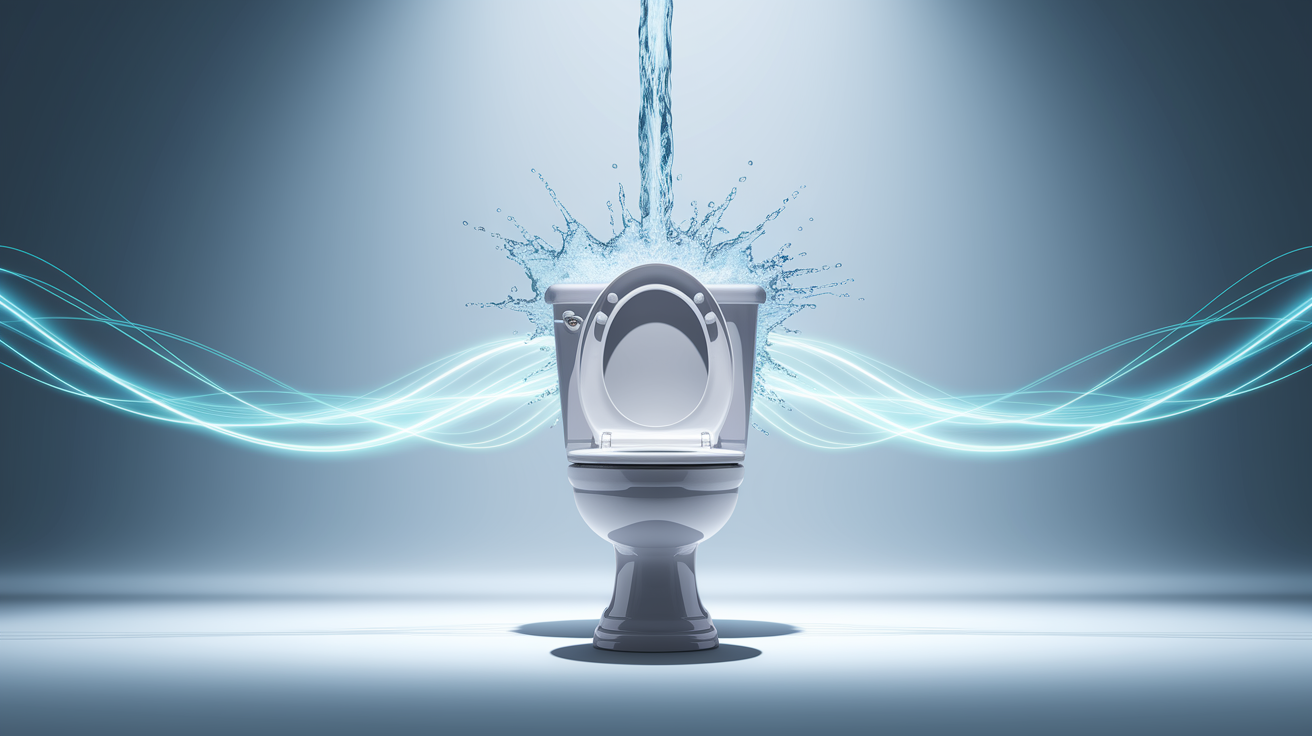
The key to successfully unclogging a toilet often starts with removing excess water from the bowl. This crucial first step provides better access to the blockage and prevents messy overflow situations. Before you can effectively use a plunger or auger, you need to lower the toilet water level to a manageable point.
Understanding what causes toilet clogs can help you prevent future issues. Common culprits include flushing items that aren’t meant to be flushed, such as disposable cloths, menstrual products, napkins, ear swabs, cotton balls, and hair. Even products marketed as “flushable” can cause significant backups in your plumbing system.
Gather Your Essential Tools
Before tackling your clogged toilet, assemble the right tools for the job. Having everything ready will make the drainage process smoother and more effective.

Basic Drainage Tools
- Rubber gloves: Essential for hygiene and protection
- Large bucket or container: For collecting and disposing of toilet water
- Small cup or container: For scooping water from the bowl
- Towels or rags: To clean up spills and protect surrounding areas
- Toilet plunger: The classic tool for forcing clogs through to the main sewer line
Advanced Unclogging Equipment
- Wet/dry shop vacuum: Effective for removing large amounts of standing water
- Toilet auger (snake): Designed to reach deeper into the drain and break up stubborn blockages
- Drain unblocker chemicals: Use with caution and proper ventilation
- Dish soap: Can help lubricate and break down clogs
Safety Essentials
- Eye protection
- Face mask (for chemical methods)
- Old clothes or apron
- Proper ventilation
Step-by-Step Drainage Process
When your toilet won’t flush and water remains standing in the bowl, follow these systematic steps to drain the water safely and effectively.
![A hyper-realistic, professionally lit, step-by-step instructional photorealistic illustration detailing the process of [Insert Specific Drainage Process - e.g., French drain installation, unclogging a sink, storm drain clearing]. Each step is clearly and sequentially presented in a clean, well-composed layout. Vivid visual aids include prominent, contrasting arrows indicating flow and progression, bold, legible numbered steps (1, 2, 3...), and distinct visual separation between each stage of the process. Key elements like [Add 2-3 specific tools or materials relevant to the process, e.g., shovel and gravel for a French drain, plunger and drain snake for a sink, grate lifter and hose for a storm drain] are depicted with sharp focus and high detail within the appropriate steps. The overall style is professional, detailed, and instructional, with excellent lighting highlighting the textures and details, ensuring a sharp and clear visual guide. Clean background with minimal distractions. 8k resolution.](https://plumbadvisor.com/wp-content/uploads/2025/12/1749510032022_9LiPyFmc.png)
Method 1: Manual Water Removal
- Turn off the water supply: Locate the shut-off valve behind the toilet and turn it clockwise to prevent additional water from entering the bowl.
- Put on protective gear: Wear rubber gloves and old clothes to protect yourself from contaminated water.
- Remove water manually: Using a small cup or container, carefully scoop water from the toilet bowl into a bucket. Work slowly to avoid splashing.
- Lower water level: Continue removing water until the level drops below the normal waterline, exposing more of the drain opening.
- Dispose of water properly: Pour the collected water down a floor drain, utility sink, or outside drain—never back into the same toilet.
Method 2: Shop Vacuum Drainage
- Prepare the vacuum: Ensure you’re using a wet/dry shop vacuum capable of handling liquids. Remove any paper filters and install foam filters if available.
- Create a seal: Place the vacuum hose directly into the toilet bowl drain opening, creating as tight a seal as possible.
- Start suction: Turn on the vacuum and allow it to remove the standing water. This method is faster than manual removal but requires the right equipment.
- Monitor progress: Stop periodically to empty the vacuum tank and check water levels in the toilet bowl.
Safety Precautions During Drainage
- Never use a regular household vacuum for water removal
- Avoid mixing different chemical drain cleaners
- Work in a well-ventilated area
- Keep children and pets away from the work area
- Sanitize all tools and surfaces after completion
Quick Alternative Techniques
When standard drainage methods aren’t available or effective, these alternative techniques can help you empty a clogged toilet bowl and address the blockage.

Dish Soap Method
Add several squirts of liquid dish soap directly into the toilet bowl. The soap acts as a lubricant and can help break down organic matter in the clog. Let it sit for 10-15 minutes before attempting to flush or plunge.
Hot Water Technique
Heat a gallon of water to just below boiling point (not boiling, as this can crack porcelain). Pour the hot water into the toilet bowl from waist height to create additional pressure. This method works well for organic clogs and can sometimes clear minor blockages without plunging.
Baking Soda and Vinegar Solution
For stubborn clogs, combine household items for a natural unclogging approach:
- Add 1 cup of baking soda to the toilet bowl
- Follow with 1 cup of white vinegar
- Allow the mixture to fizz and work for 30 minutes
- Follow up with hot water and attempt to flush
Emergency Overflow Prevention
If your toilet is overflowing and won’t stop:
- Immediately remove the toilet tank lid
- Push down the flapper to stop water flow
- Turn off the water supply valve
- Begin emergency water removal as outlined above
Understanding what items should never be flushed can prevent many emergency situations and recurring clogs.
Know When to Call a Pro
While DIY toilet unclogging methods are effective for most clogs, certain situations require professional intervention. Recognizing when professional help is needed can save you time, money, and potential damage to your plumbing system.
Signs You Need Professional Help
- Recurring clogs: If your toilet clogs frequently despite proper use and maintenance
- Multiple fixtures affected: When other drains in your home are also backing up
- Sewage backup: If sewage is backing up into your home through floor drains or other fixtures
- Non-biodegradable blockages: When items like toys, jewelry, or substantial foreign objects are causing the clog
- Weak flushing power: Persistent weak flushing that doesn’t improve with basic maintenance
Complex System Issues
Some toilet problems extend beyond simple clogs and may involve:
- Partially blocked toilet traps (the S- or P-shaped section)
- Obstructions in vent pipes
- Septic system complications requiring tank pumping or cleaning
- Toilet flange problems affecting the toilet’s connection to the drain pipe
- Main sewer line issues that affect multiple fixtures
Professional Tools and Expertise
Plumbers have access to specialized equipment that homeowners typically don’t, including:
- Industrial-grade augers and snakes
- High-pressure water jetting equipment
- Video inspection cameras to diagnose hidden problems
- Professional-grade chemical treatments
Cost Consideration: While professional service typically costs $150-$400 for standard clog removal, it’s often more economical than risking damage to your plumbing system with inappropriate DIY methods.
Flush with Confidence
Successfully draining and unclogging your toilet is a valuable DIY skill that can save you time and money. By following the systematic approaches outlined above, you can handle most toilet drainage issues effectively and safely.
Prevention is Key
Regular toilet maintenance significantly reduces the likelihood of clogs. Key prevention strategies include:
- Inspecting toilet mechanisms semi-annually
- Ensuring proper flapper function for adequate flushing power
- Performing preventive plunging twice yearly
- Avoiding flushing inappropriate items
- Scheduling regular septic system maintenance if applicable
Quick Reference Checklist
Keep these key points in mind for future toilet drainage needs:
- Safety first: Always wear protective gear and ensure proper ventilation
- Turn off water supply: Prevent additional water from complicating the situation
- Start with manual removal: Simple water removal often provides the access needed for effective unclogging
- Use appropriate tools: Match your approach to the severity of the clog
- Know your limits: Call professionals for recurring issues or complex problems
With these techniques in your DIY toolkit, you’ll be prepared to handle toilet clogs confidently and effectively. Remember that other toilet issues may arise, but maintaining your knowledge of basic plumbing troubleshooting will serve you well as a homeowner.
The next time you face a clogged toilet situation, you’ll have the knowledge and confidence to drain the water safely and restore your toilet to proper working condition.