
The PEX Pipe Landscape: What Homeowners Need to Know
PEX pipe has become a staple in modern plumbing systems, offering homeowners a durable and cost-effective alternative to traditional materials. Whether you’re building a new home, remodeling, or facing a plumbing repair, understanding the lifespan of your water pipes is crucial for making informed decisions. PEX tubing, short for cross-linked polyethylene, has gained popularity in residential plumbing due to its flexibility, resistance to freezing, and simplified installation process.
But the question remains: how long can you expect your PEX plumbing to last? This guide explores the realistic lifespan of PEX pipes, examines factors that affect their durability, and compares them with other common plumbing materials to help you make the best choice for your home’s plumbing system.
Demystifying PEX Pipe Lifespan
Average Lifespan and Material Grades
PEX pipes generally last between 40-50+ years under ideal conditions, making them a long-term investment for your home’s plumbing infrastructure. According to industry data, properly installed PEX plumbing systems can reach the 50-year mark with appropriate maintenance and favorable operating conditions.
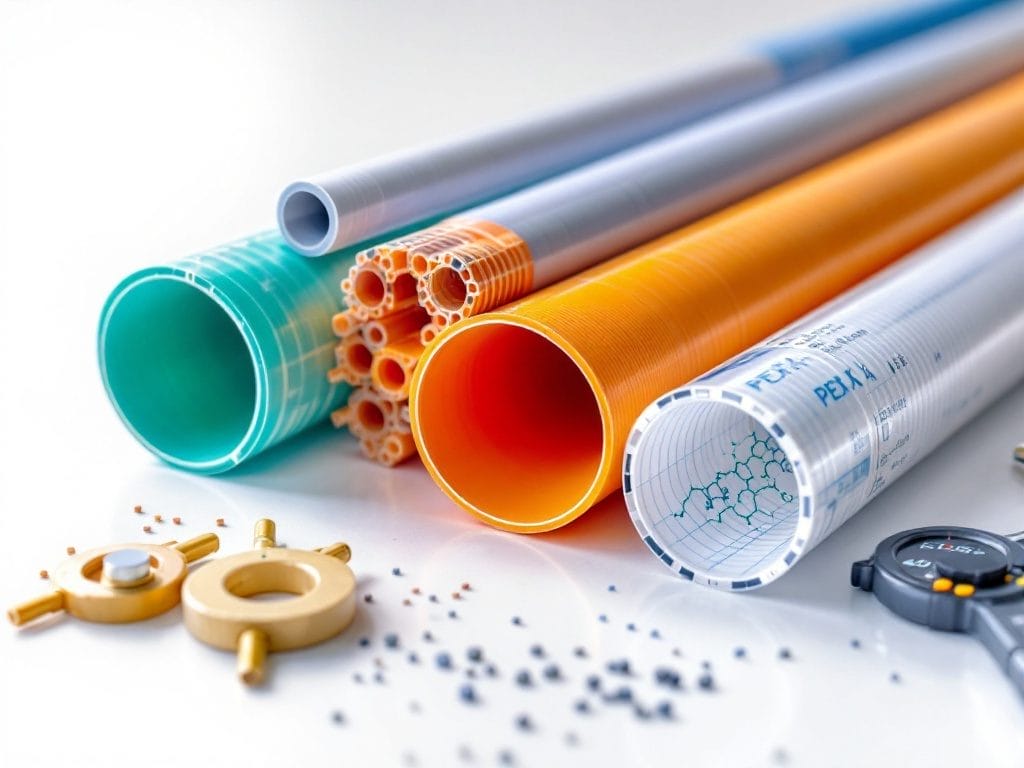
The material grade of your PEX tubing plays a significant role in determining its durability:
- PEX-A: Considered the most durable option, PEX-A pipes are manufactured using the peroxide method, resulting in the highest degree of cross-linking (around 85%). This grade offers superior flexibility and resistance to cracking.
- PEX-B: Created using the silane method, PEX-B provides balanced flexibility and strength with a cross-linking percentage of approximately 65-70%. While slightly less flexible than PEX-A, it maintains excellent durability at a typically lower cost.
- PEX-C: Produced using electron beam processing, PEX-C has the lowest cross-linking percentage (around 60-70%) and is generally the least flexible of the three grades. This can make it more susceptible to kinking during installation.
Many manufacturers offer 25 to 50 years of warranties, reflecting their confidence in the product’s service life. The actual longevity of your PEX pipe system depends heavily on several key factors we’ll explore next.
Behind the Numbers: Factors That Affect PEX Longevity
Installation Quality
The skill and care you put into installing your PEX pipes significantly impact their lifespan. Poor installation is one of the leading causes of premature pipe failure, potentially cutting decades off the expected lifespan.
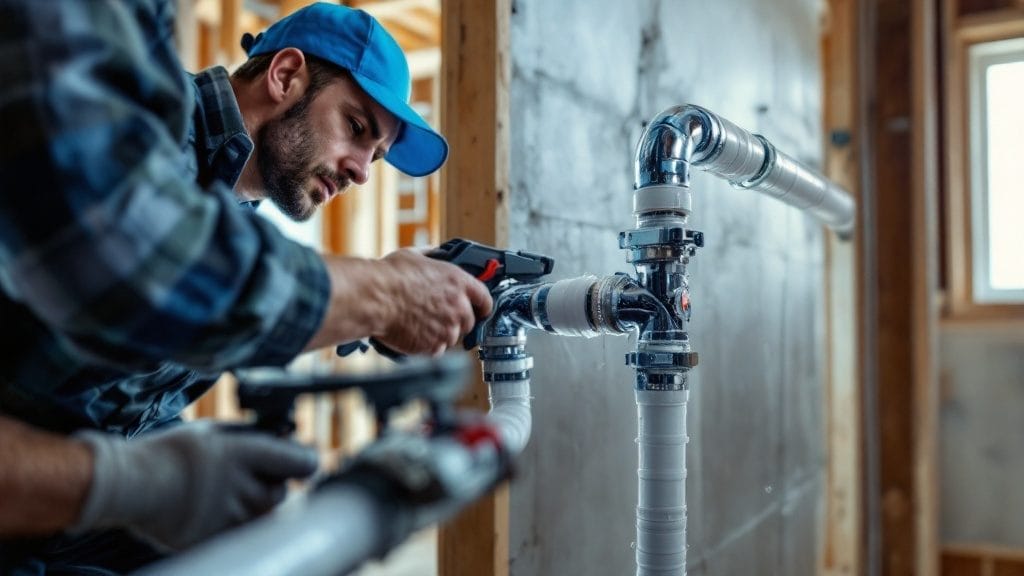
Key installation factors include:
- Proper connections: PEX pipe fittings must be correctly sized and secured using appropriate crimping tools or expansion methods.
- Avoiding kinks: Unlike rigid pipes, PEX tubing can kink if bent too sharply, creating weak points in the system that may fail over time.
- Support spacing: PEX pipes require proper support at regular intervals to prevent sagging, which can create stress points.
- Accounting for expansion: PEX expands and contracts with temperature changes, so installation must allow for this movement to prevent undue strain on connections.
Professional installation by a licensed plumber familiar with PEX systems can prevent these common issues and help ensure your pipes reach their maximum potential lifespan.
Water Quality and Environmental Conditions
The environment your PEX pipes operate in plays a crucial role in determining their durability:
- Hard water: Areas with hard water containing high mineral content may experience faster degradation of plumbing components. Installing a water softener can help mitigate these effects and extend pipe longevity.
- Chlorine exposure: Municipal water supplies containing chlorine can oxidize PEX over time. PEX-A typically offers the best chlorine resistance, while PEX-B and PEX-C may be more vulnerable.
- UV light exposure: One of PEX’s notable vulnerabilities is its sensitivity to ultraviolet light. Exposure to UV light can degrade PEX pipes, making them brittle and prone to cracking. Always store unused PEX away from sunlight, and ensure installed pipes aren’t exposed to direct sunlight through windows.
- Temperature extremes: While PEX handles freezing better than many alternatives, repeated freeze-thaw cycles or sustained extreme temperatures can still impact long-term durability.
Proper pipe insulation in areas subjected to temperature fluctuations and keeping PEX pipes away from UV exposure can significantly extend their service life.
Usage Patterns
How you use your plumbing system affects pipe wear and tear:
- Water pressure: Consistently high water pressure puts additional stress on pipes and fittings. Installing a pressure regulator if your home’s water pressure exceeds 80 PSI can help prevent premature pipe failure.
- Temperature fluctuations: While PEX handles hot water well, frequent and dramatic temperature changes create expansion and contraction that stress the material over time.
- High-intensity use: Homes with heavy plumbing usage may experience faster wear on all system components, including PEX pipes.
Regular monitoring of your plumbing system for early signs of issues—such as pressure changes, water discoloration, or unusual sounds—can help catch problems before they lead to significant damage.
Comparing PEX with Other Piping Materials
PEX vs. Copper
Copper has long been the gold standard for residential plumbing, but how does it compare to PEX?
| Feature | PEX | Copper |
|---|---|---|
| Average Lifespan | 40-50+ years | 50-70+ years, potentially 100+ in ideal conditions |
| Cost | Lower material and installation costs | 2-3 times more expensive than PEX |
| Installation | Flexible, fewer fittings, no soldering | Rigid, requires soldering, more labor-intensive |
| Freeze Resistance | Excellent – expands without bursting | Poor – prone to bursting when frozen |
| Corrosion Resistance | Immune to corrosion and scaling | Susceptible to pinhole leaks in certain water conditions |
While copper pipes technically have a longer potential lifespan than PEX, this advantage may be offset by copper’s vulnerability to corrosion in homes with acidic water. Additionally, the significantly higher cost of copper installation makes PEX an attractive alternative for many homeowners.
PEX vs. PVC/CPVC and Cast Iron
PEX competes with several other common plumbing materials:
| Material | Lifespan | Strengths | Limitations |
|---|---|---|---|
| PEX | 40-50+ years | Flexible, freeze-resistant, corrosion-proof | UV sensitive, rodent vulnerable |
| PVC | 25-40 years | Low cost, simple installation | Not suitable for hot water, more rigid |
| CPVC | Up to 50-75 years | Handles hot water, corrosion resistant | More brittle than PEX, especially in cold |
| Cast Iron | 75-100 years | Extremely durable, sound dampening | Heavy, expensive, corrodes eventually |
CPVC offers comparable longevity to PEX in many situations, but PEX’s flexibility and ease of installation give it distinct advantages, particularly in retrofit applications where running rigid pipes through existing walls would be challenging.
Cast iron remains popular for waste lines due to its sound-dampening properties and extreme durability, but it’s rarely used for water supply lines in modern construction due to weight, cost, and installation complexity.
Weighing the Pros and Cons of PEX Pipes
Key Advantages for Homeowners
PEX offers several significant benefits that have contributed to its growing popularity:
- Cost efficiency: PEX typically costs 20-40% less than copper systems when accounting for both materials and labor.
- Installation simplicity: PEX tubing’s flexibility allows for fewer fittings and joints than rigid piping systems, reducing potential leak points and simplifying installation.
- Freeze resistance: Unlike metal pipes, PEX can expand during freezing conditions without bursting, making it ideal for homes in colder climates.
- Corrosion immunity: PEX doesn’t corrode or develop pinhole leaks, even in areas with acidic water or harsh chemical conditions that would damage metal pipes.
- Quiet operation: PEX absorbs water hammer and pipe noise better than rigid pipes, creating a quieter plumbing system.
- Energy efficiency: PEX has better thermal insulation properties than metal pipes, reducing heat loss from hot water lines and potentially lowering energy costs.
These advantages make PEX an attractive option for both new construction and repiping projects in existing homes.
Considerations and Limitations
Despite its many benefits, PEX has some limitations to consider:
- UV sensitivity: PEX degrades when exposed to sunlight, limiting its use in outdoor applications unless properly protected.
- Rodent vulnerability: Some homeowners report rodents chewing through PEX pipes, though this is relatively uncommon and can be mitigated with proper pest control.
- Installation expertise: While PEX is easier to install than many alternatives, improper installation can still lead to problems. Kinks, over-tightened connections, and improper support can all reduce system longevity.
- Environmental concerns: Some homeowners have concerns about potential chemical leaching, though modern PEX is certified for potable water use and meets strict safety standards.
- Recycling challenges: At the end of its life cycle, PEX is more difficult to recycle than metal piping materials.
- Building code variations: While PEX is approved in all 50 states, some local building codes may have specific requirements regarding its use.
Understanding these limitations helps ensure you make an informed decision about whether PEX is right for your specific plumbing needs.

Final Insights: Smart Decisions for Your Home’s Plumbing
When evaluating plumbing materials for your home, PEX pipes offer an excellent balance of durability, cost-effectiveness, and performance. With a typical lifespan of 40-50+ years, PEX provides reliable service comparable to more expensive alternatives like copper, while offering superior resistance to freezing and corrosion.
The key to maximizing PEX pipe longevity lies in quality installation, proper maintenance, and understanding the material’s limitations. For most residential applications, PEX represents a practical choice that will likely last for decades with minimal issues.
If you’re considering a plumbing upgrade or facing a repiping project, consult with a licensed plumber who can assess your specific needs and water conditions. This professional guidance, combined with the information in this guide, will help you make a confident decision about your home’s plumbing system that balances performance, longevity, and cost.