Drains & Pipes
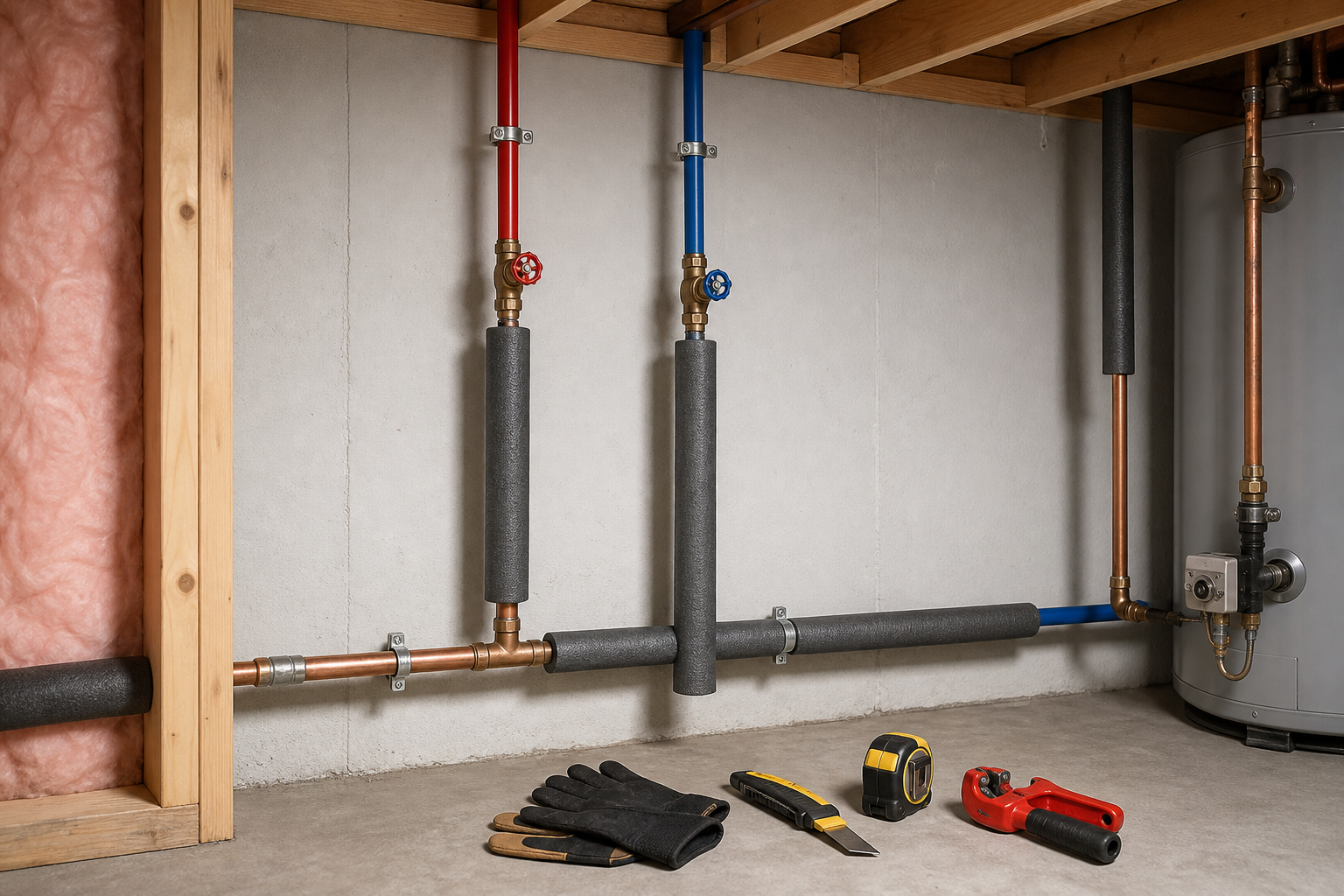
Water Pipe Insulation: How to Choose a Safer Fit
Choose water-pipe insulation by goal, pipe material, diameter, temperature, moisture, location, and equipment clearances—not a universal product label.
Read guideHomeowner plumbing guides
Start here for visible leaks, clogs, pipe-material questions, water-pressure symptoms, and whole-home plumbing clues.
Call a plumber for an active hidden leak, water near electrical equipment, sewage, a main-line problem, or a pressure device that needs adjustment.
Choose the guide that best matches the fixture, symptom, or decision in front of you.
Choose water-pipe insulation by goal, pipe material, diameter, temperature, moisture, location, and equipment clearances—not a universal product label.
Read guide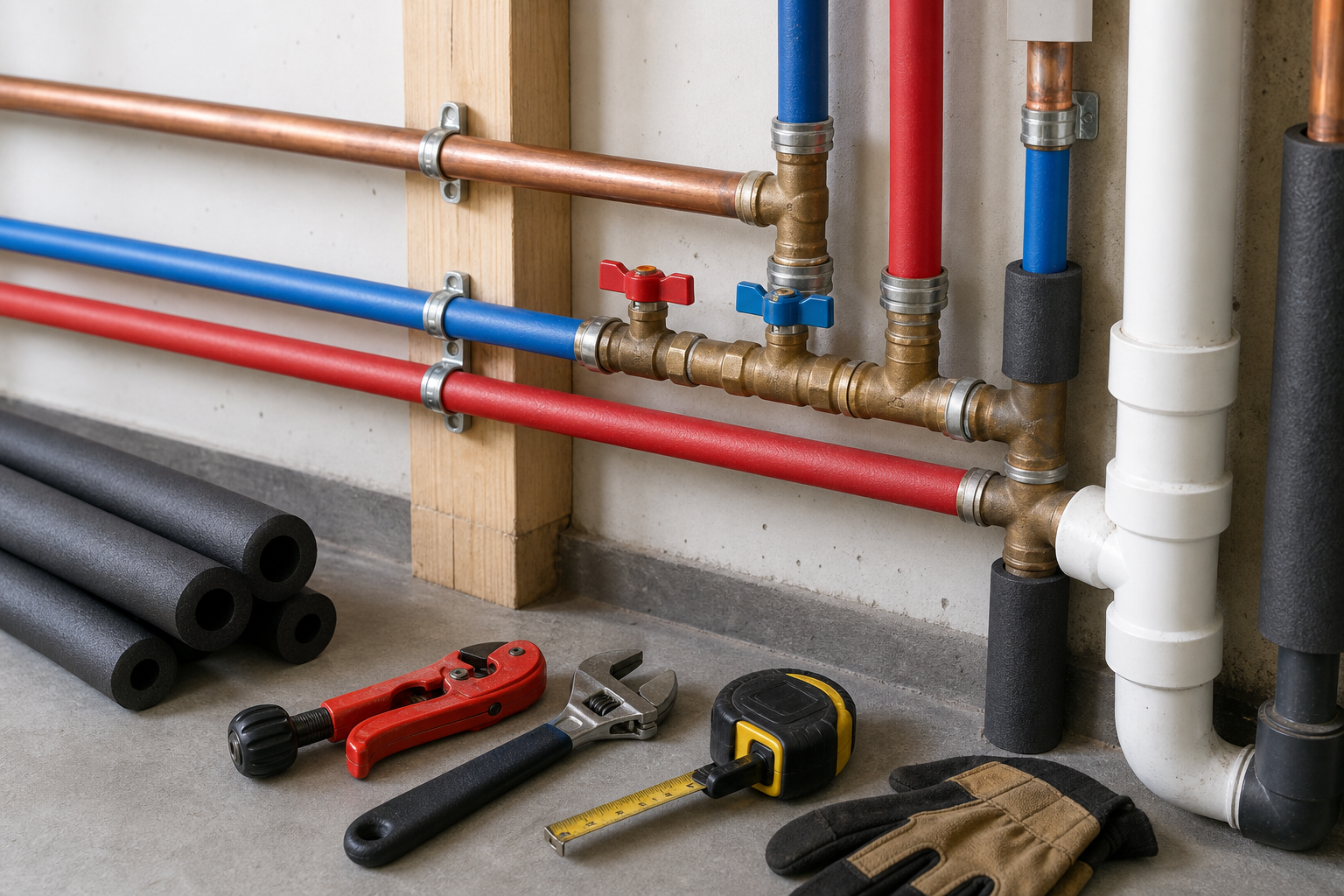
PEX can freeze even if it tolerates expansion better than some materials; learn warning signs, prevention checks, and when not to thaw DIY.
Read guide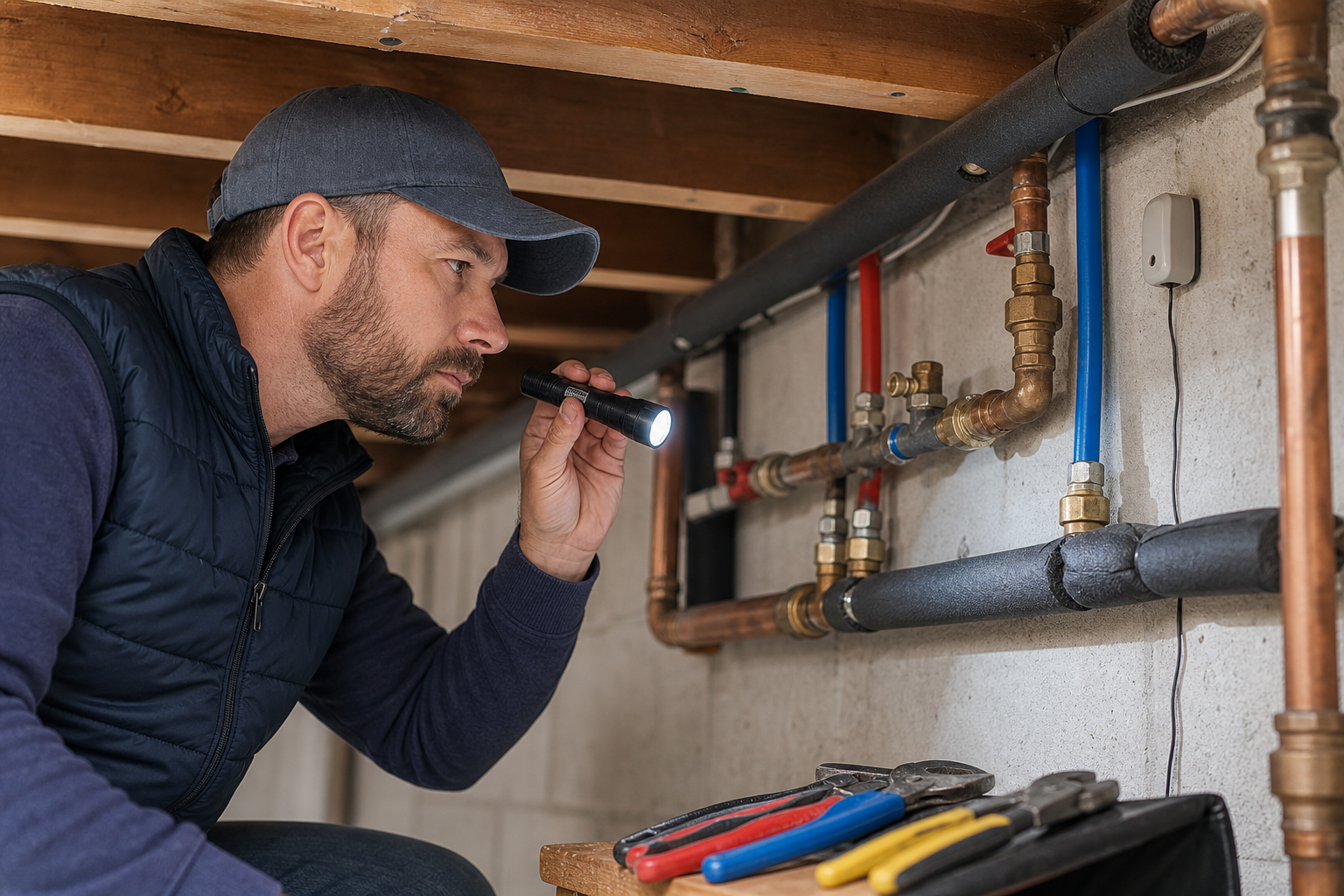
Pipe freeze alarms warn about low-temperature risk; choose placement, alert type, battery plan, and response steps before cold weather.
Read guide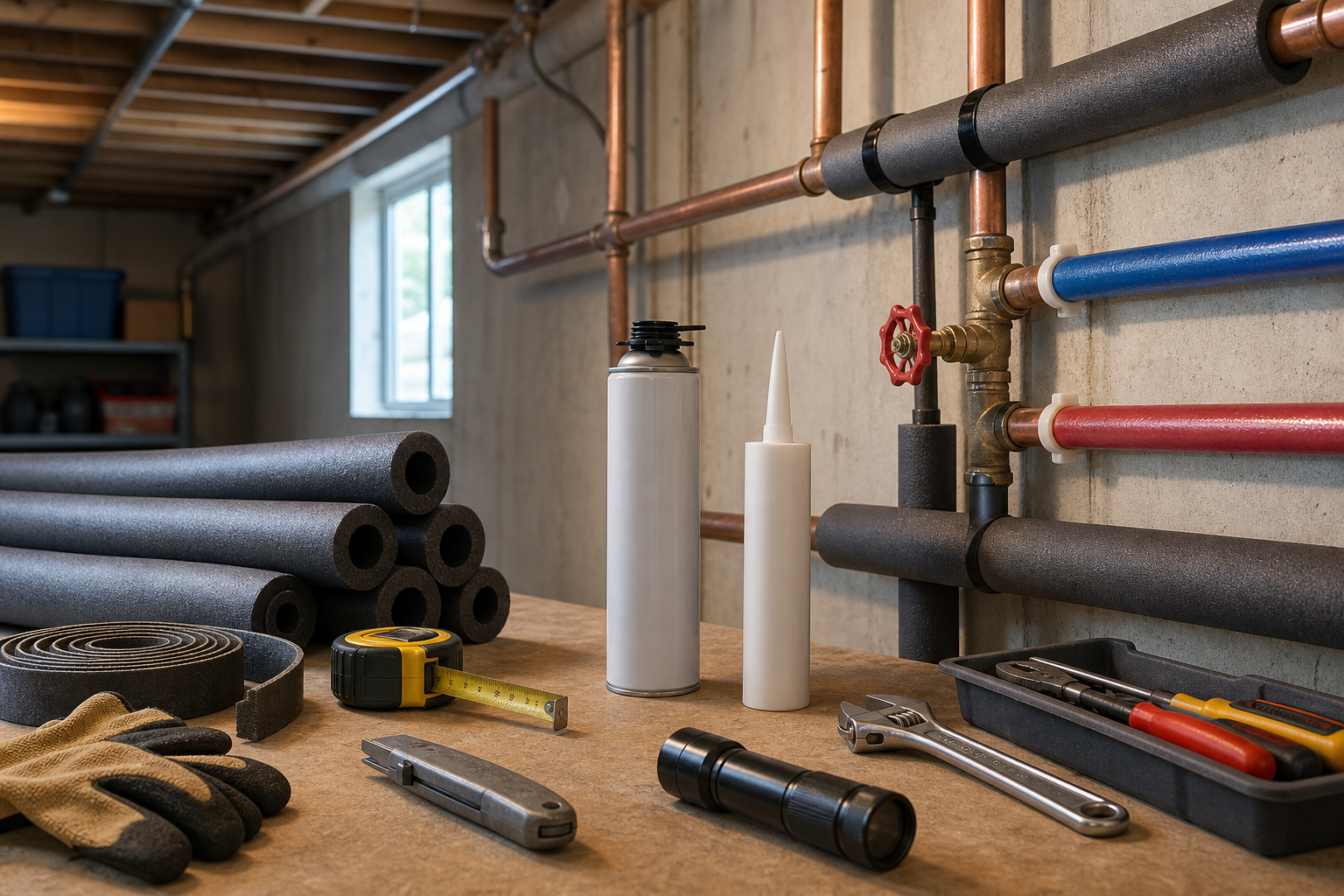
Prevent freeze damage with safe observation, insulation planning, draft sealing, shutoff knowledge, and clear no-flame/no-unsafe-thawing boundaries.
Read guide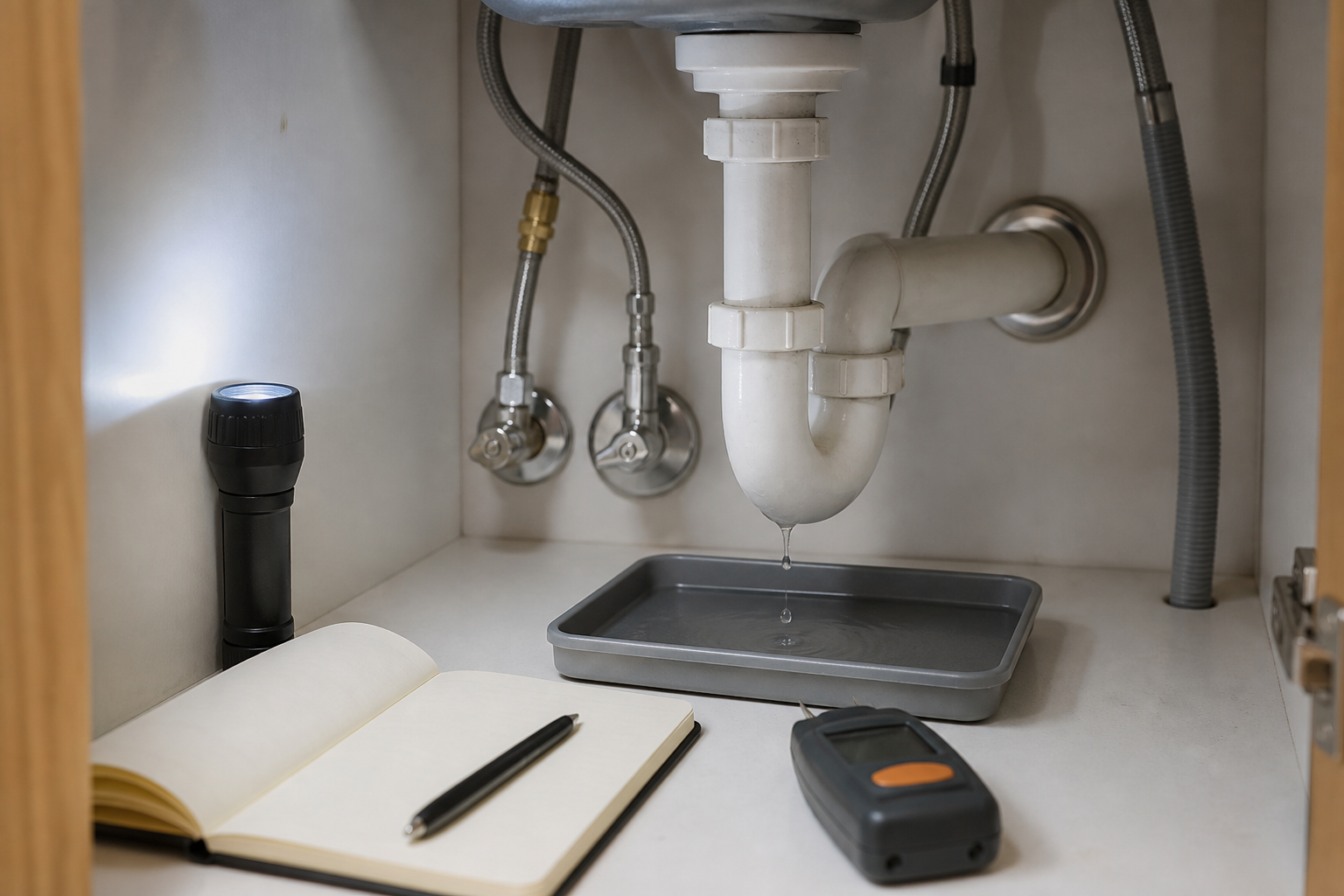
Pressure changes, corrosion, water chemistry, vibration, freeze stress, and unsupported pipes can make small leaks worse.
Read guide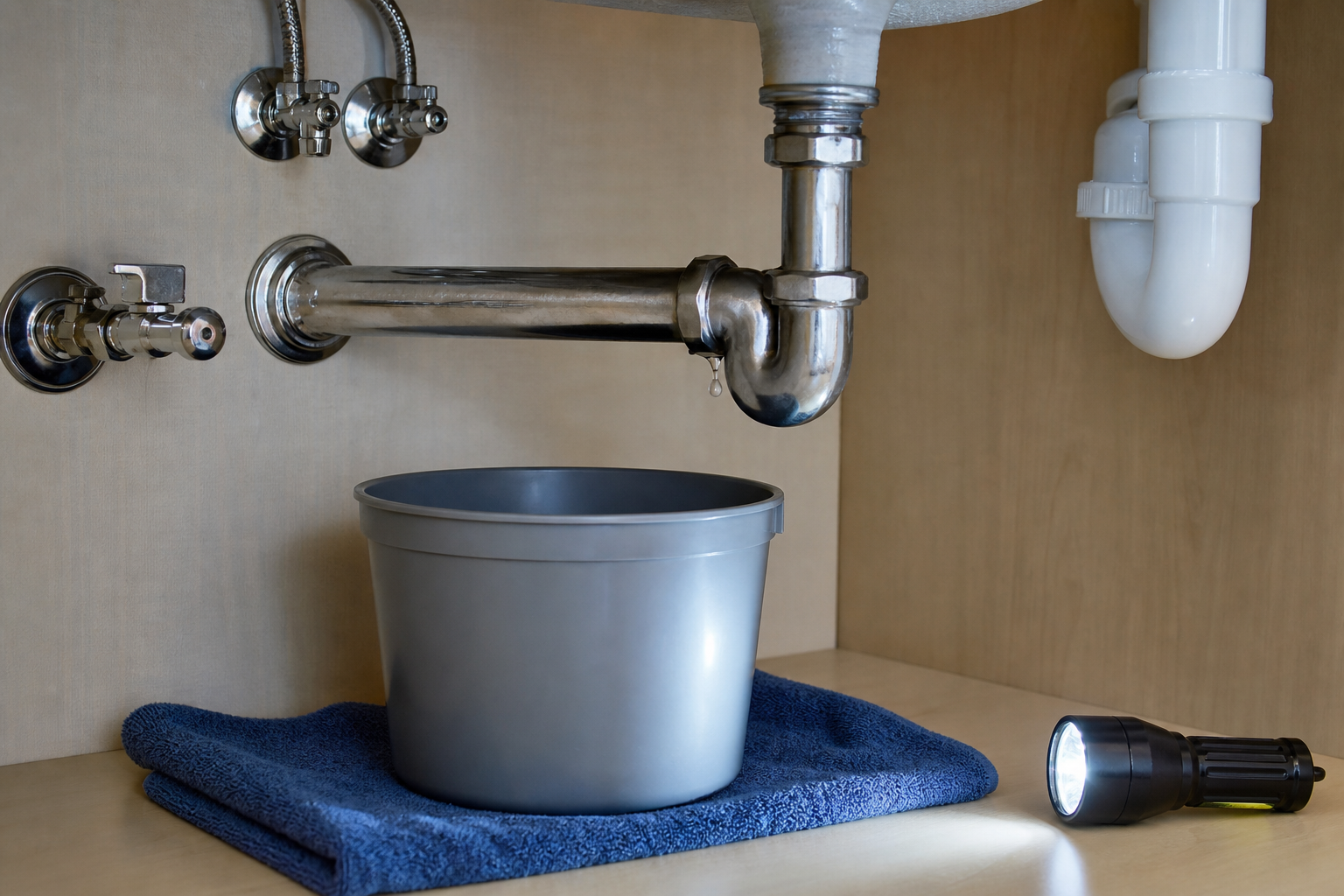
A pipe leak should not be treated as self-healing; mineral deposits or pressure changes can hide a problem while damage continues.
Read guide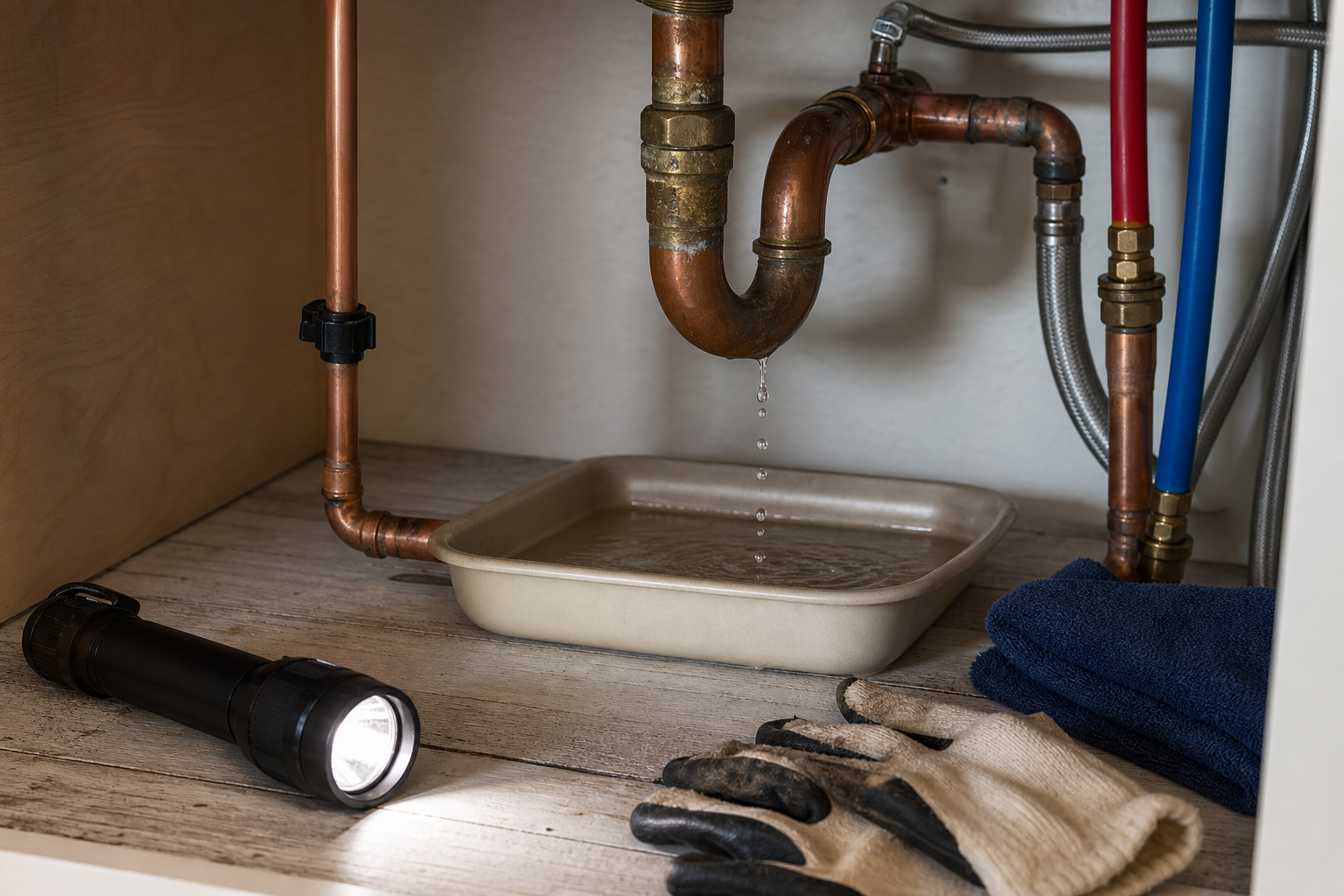
Learn how a small pipe leak can damage cabinets, walls, floors, and electrical areas, plus safe first actions and urgent stop points.
Read guide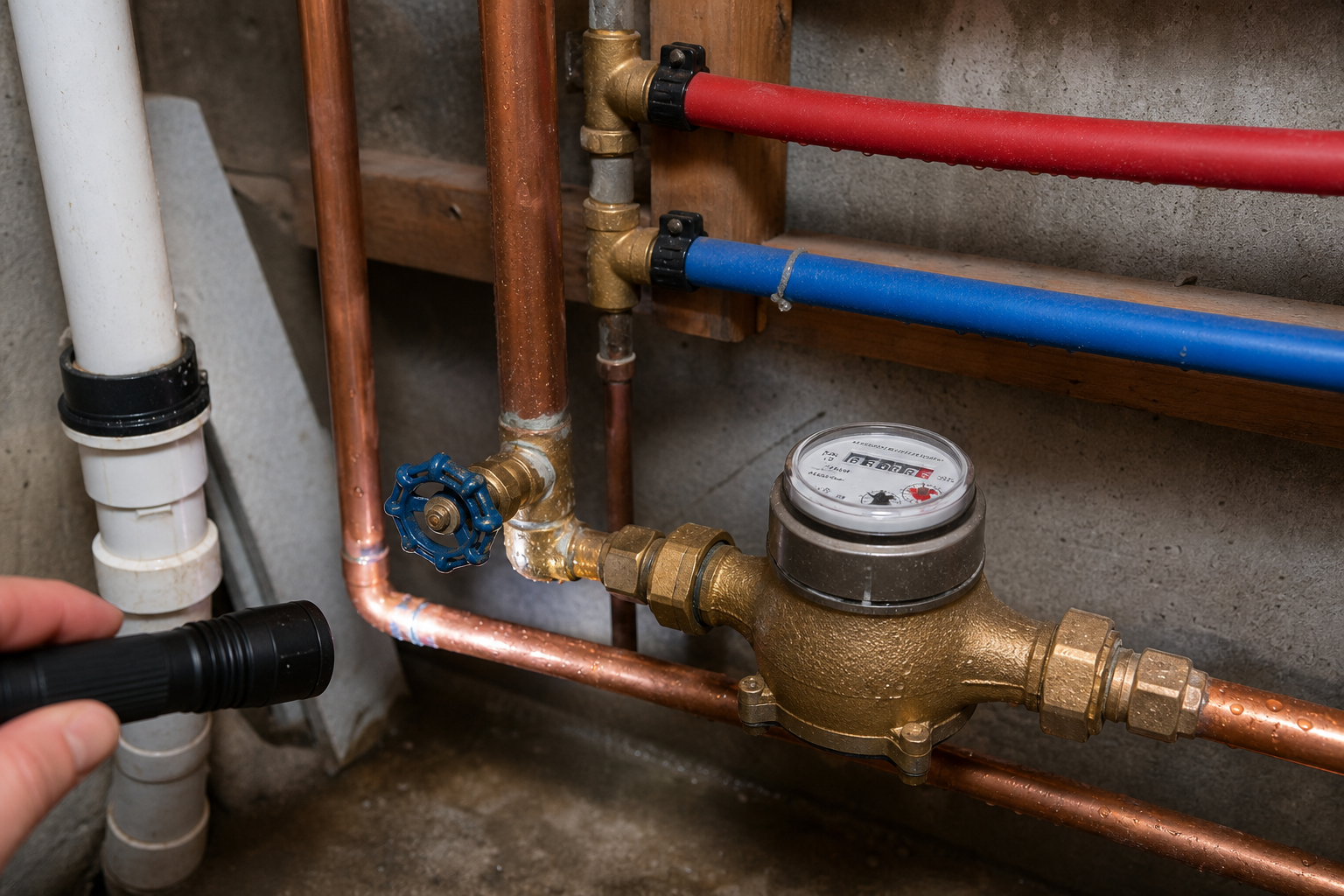
Leak clues include meter movement with fixtures off, stains, soft flooring, running toilets, pressure changes, odors, and unexplained water use.
Read guide
Hidden-leak checks should stay noninvasive: use the meter, utility data, visible stains, fixture isolation, and photos before opening walls.
Read guide
Condensation can mimic a leak; compare humidity, pipe temperature, insulation gaps, and drip timing before opening walls or tightening fittings.
Read guide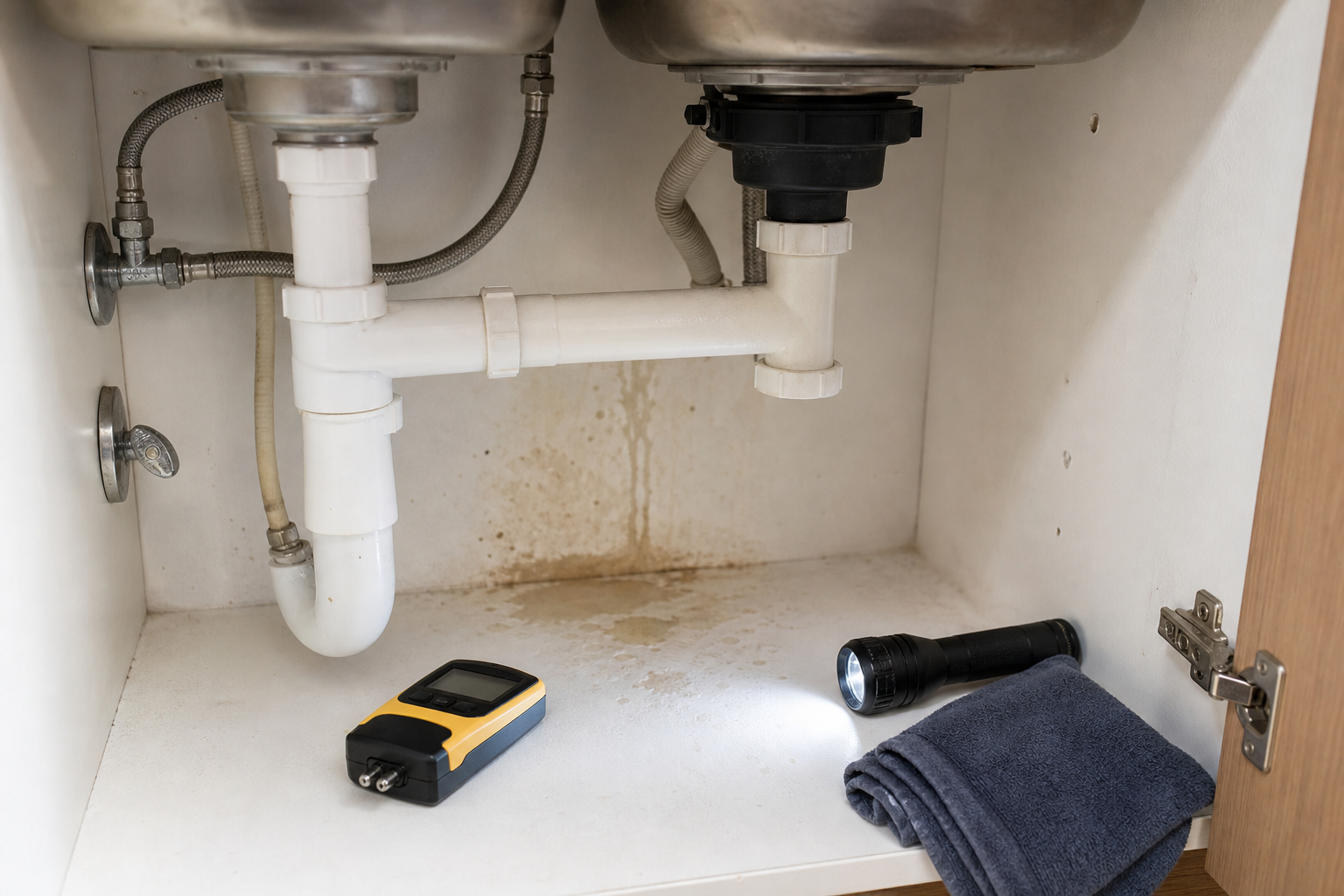
Look for stains, meter movement, soft flooring, musty odor, pressure changes, and active drips while avoiding hidden-wall demolition or unsafe areas.
Read guide
CPVC problems are best handled with material identification, leak-pattern documentation, compatibility checks, and plumber evaluation—not DIY solvent experiments.
Read guide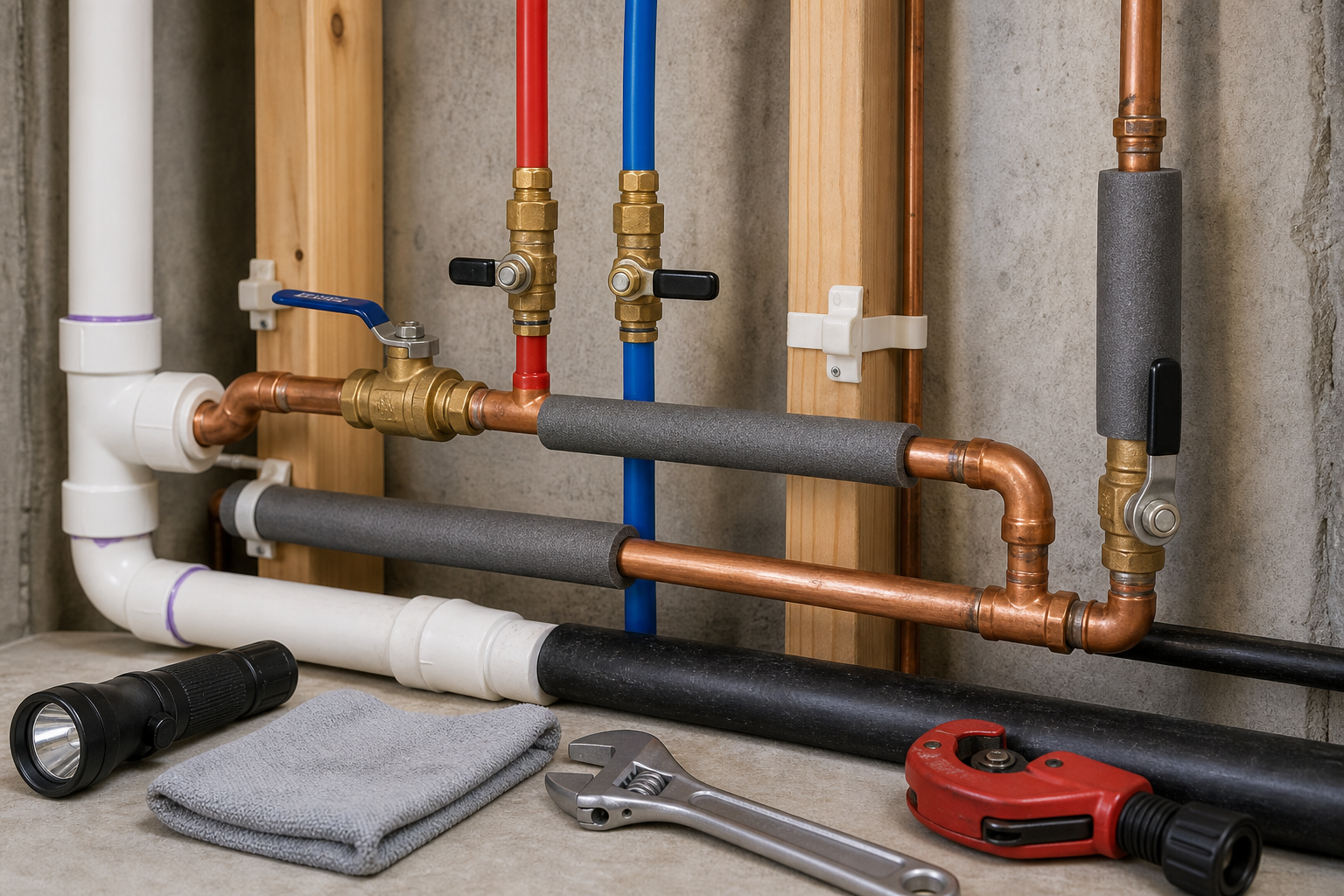
Compare external pipe coatings with internal linings, including exposure, potable-water certification, inspection evidence, and replacement boundaries.
Read guide
Cast iron drain life depends on age, corrosion, slope, leaks, soil movement, and camera findings; homeowners can document warning signs safely.
Read guide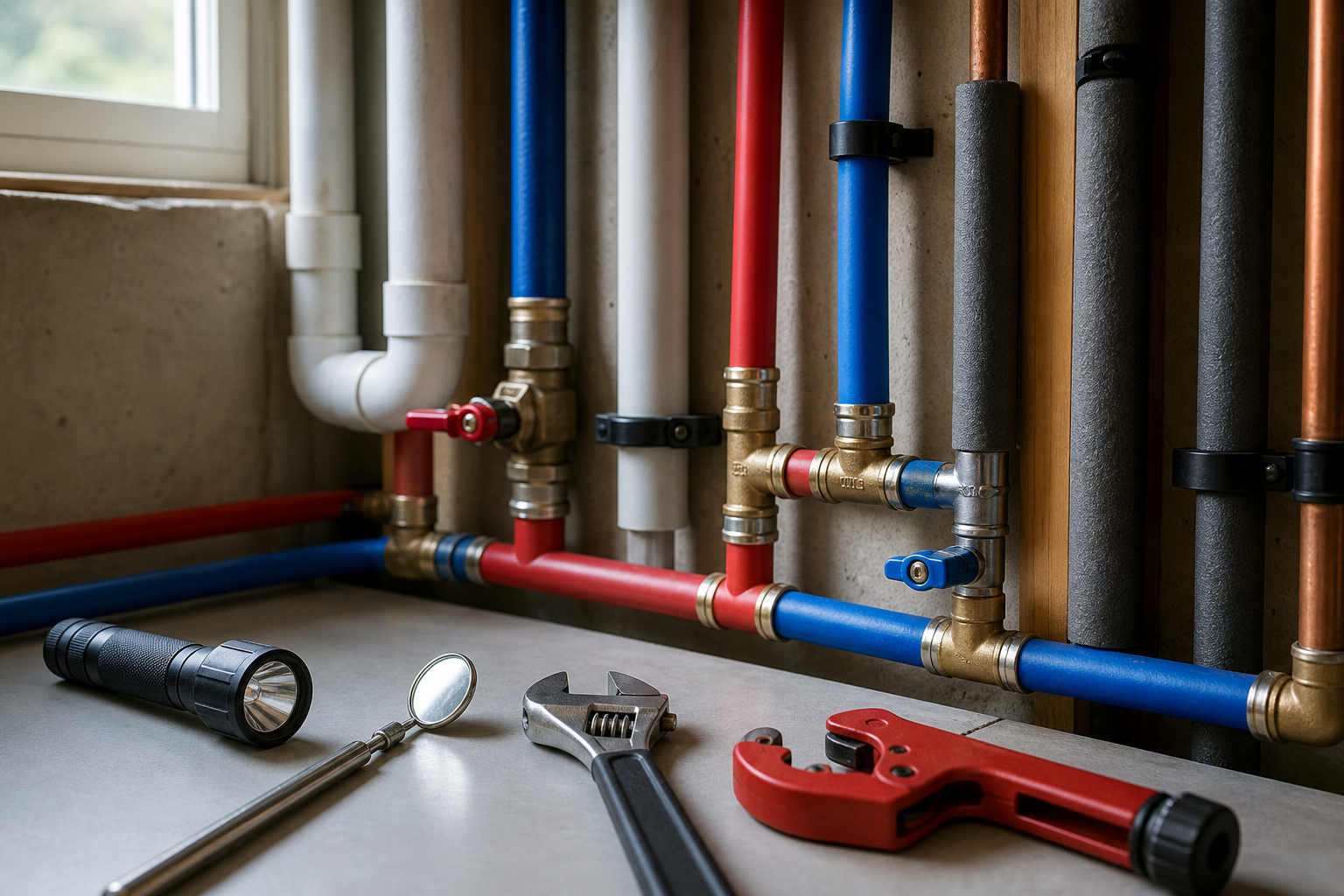
PEX connection life depends on matching pipe, fitting, rings/sleeves, tools, pressure, support, and manufacturer/code compatibility.
Read guide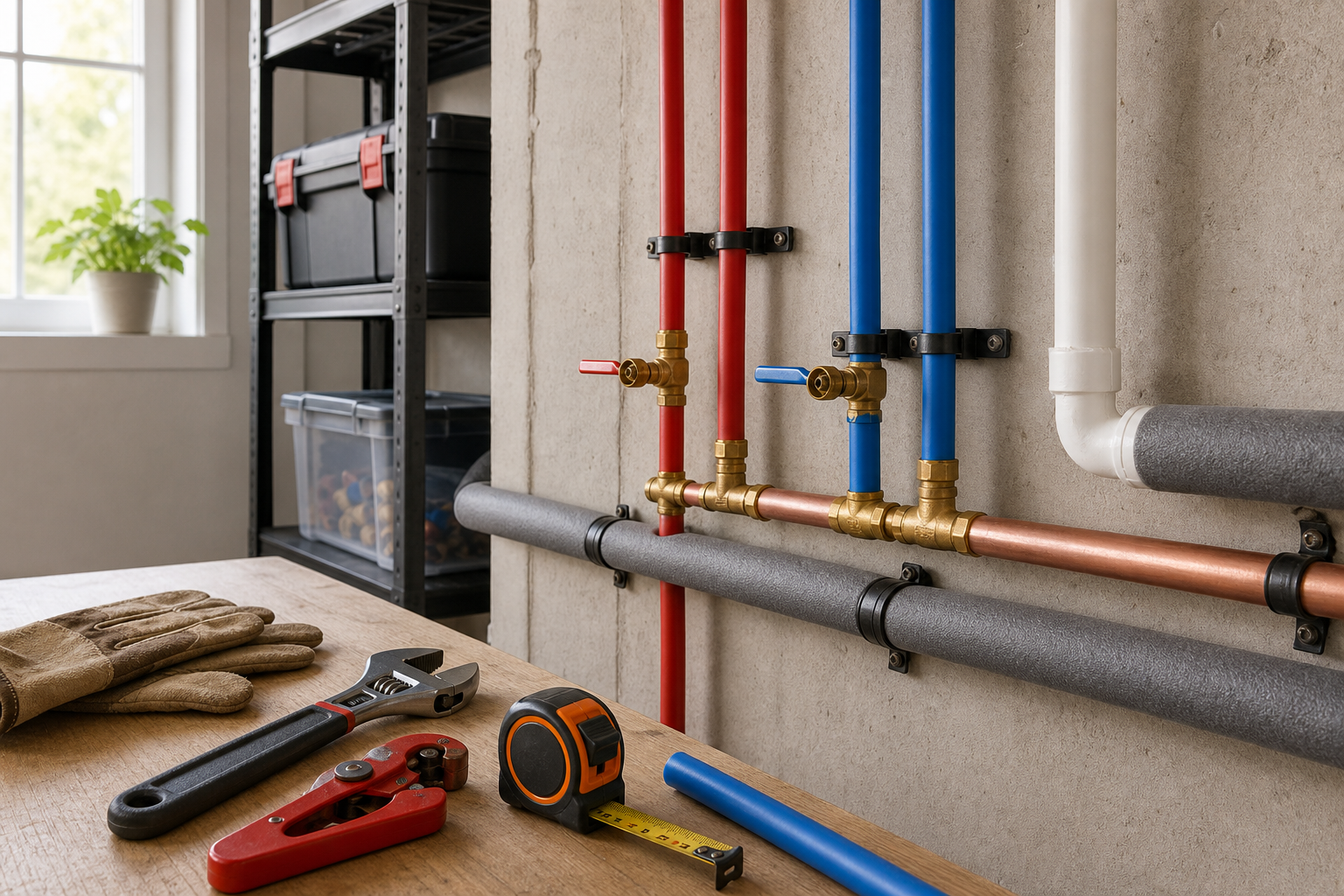
PEX service life depends on pipe type, markings, exposure, pressure, water chemistry, fittings, and installation quality, not a single universal number.
Read guide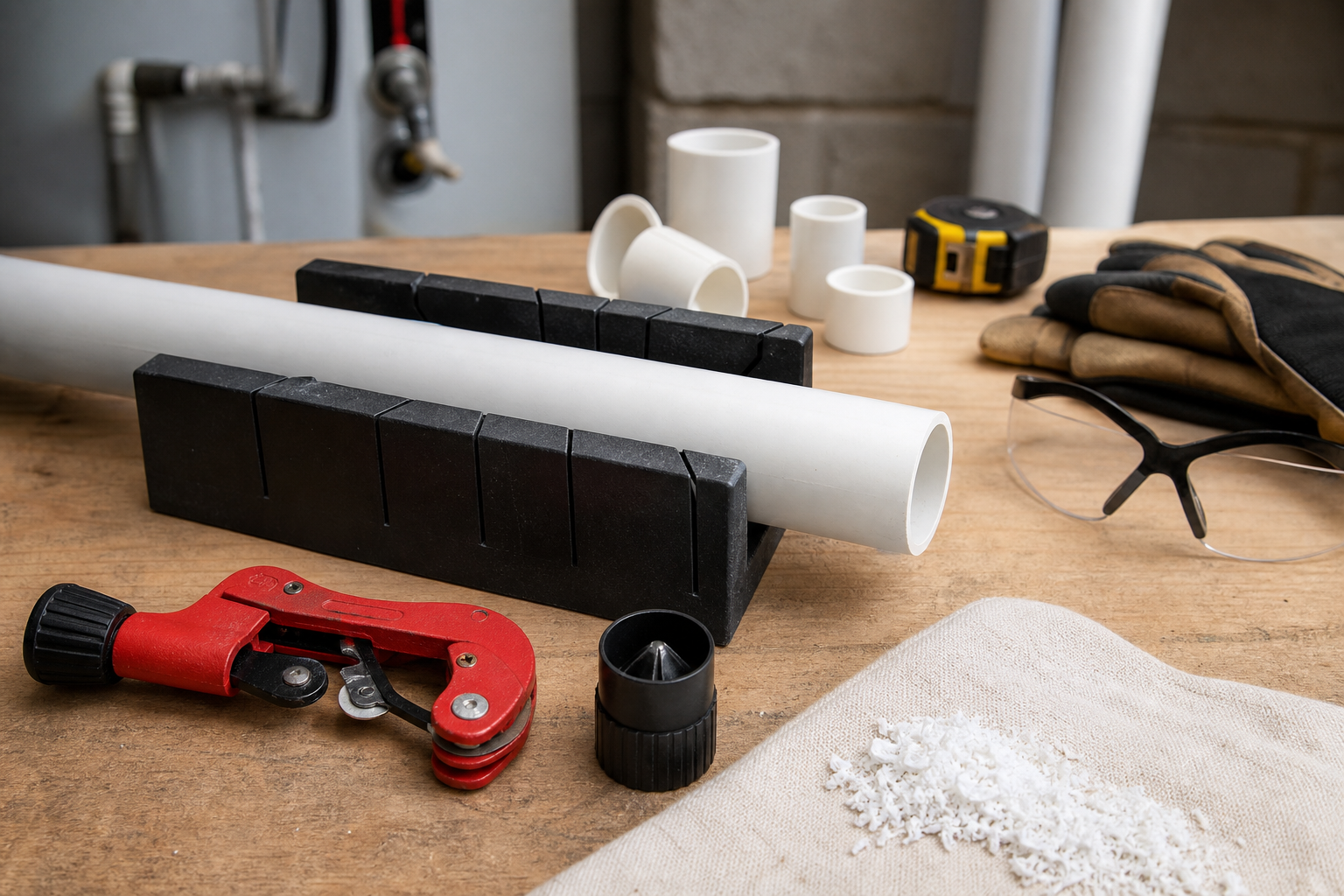
Cut only loose, dry PVC you can identify and support; use markings, square cuts, deburring, dry fit, and solvent-cement safety boundaries.
Read guide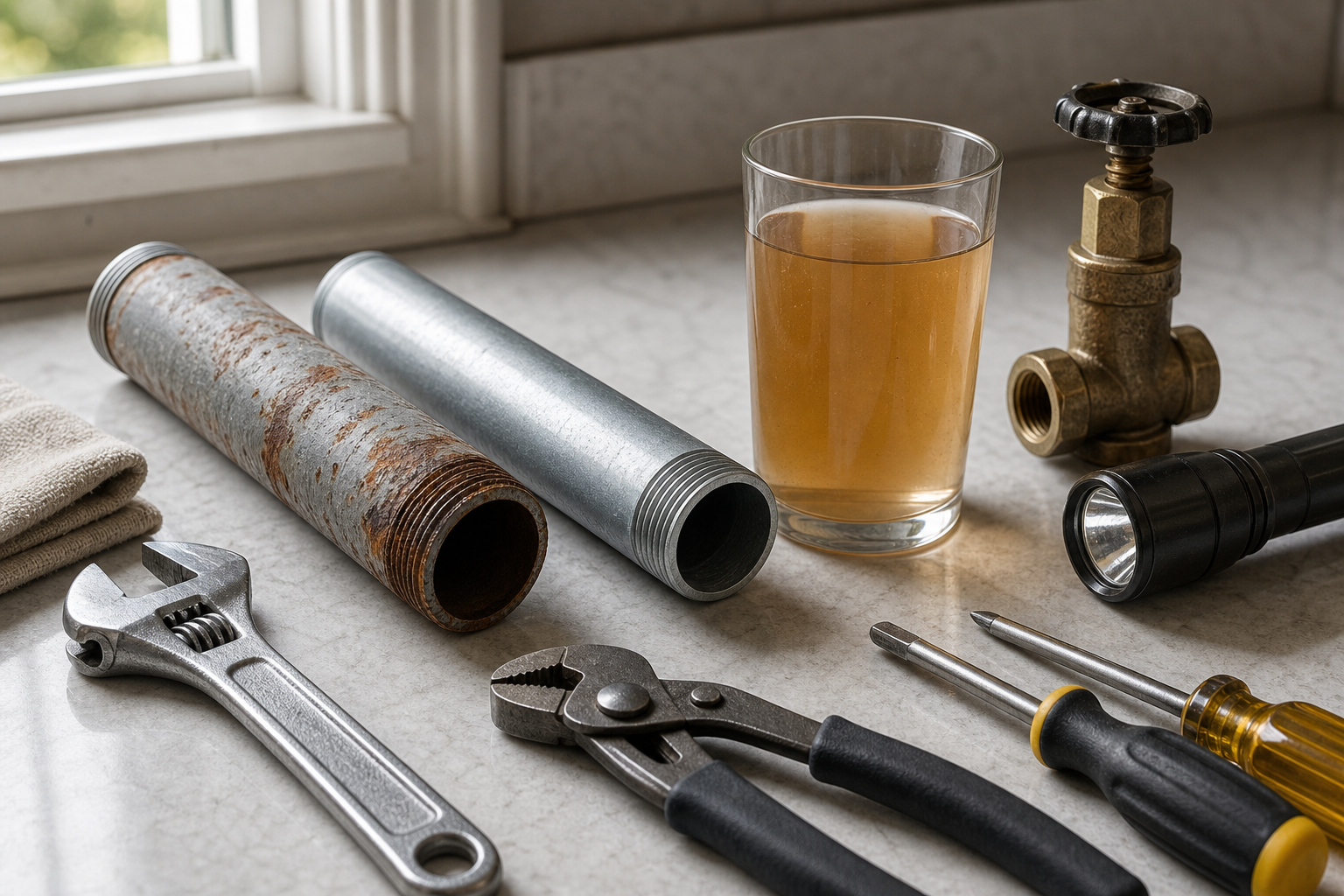
Rusty water or pipe corrosion needs pattern tracking, material identification, and water-quality context before any repair decision.
Read guide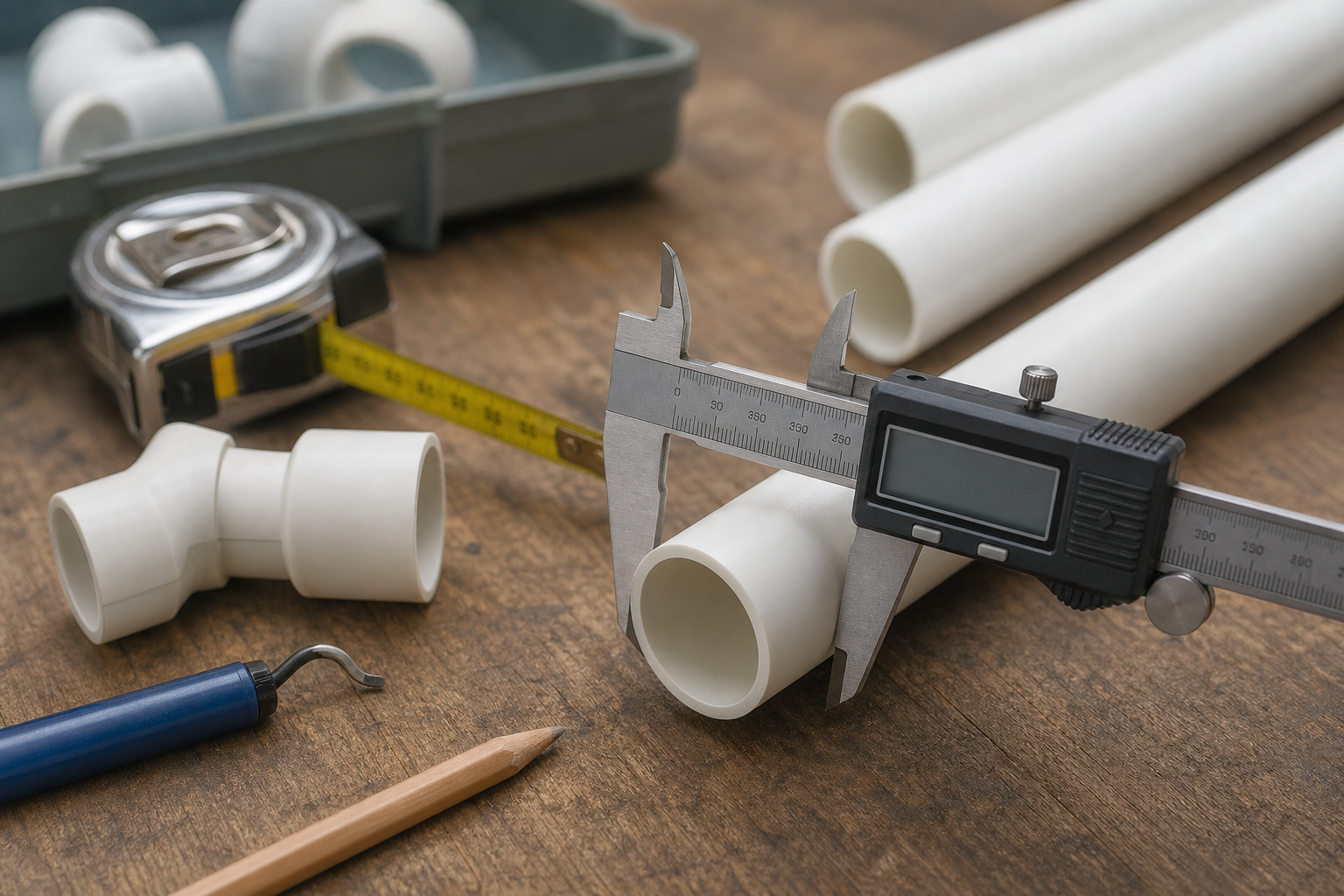
Learn which pipe dimension to check before buying fittings, and stop before altering pressurized or hidden piping.
Read guide
Compare PEX and CPVC using scope-matched quotes, access, layout, fittings, protection, approvals, finish restoration, and warranty—not pipe price alone.
Read guide
PEX-A is one type within the PEX family; compare code approval, fitting system, installer skill, pipe markings, and project use before work starts.
Read guide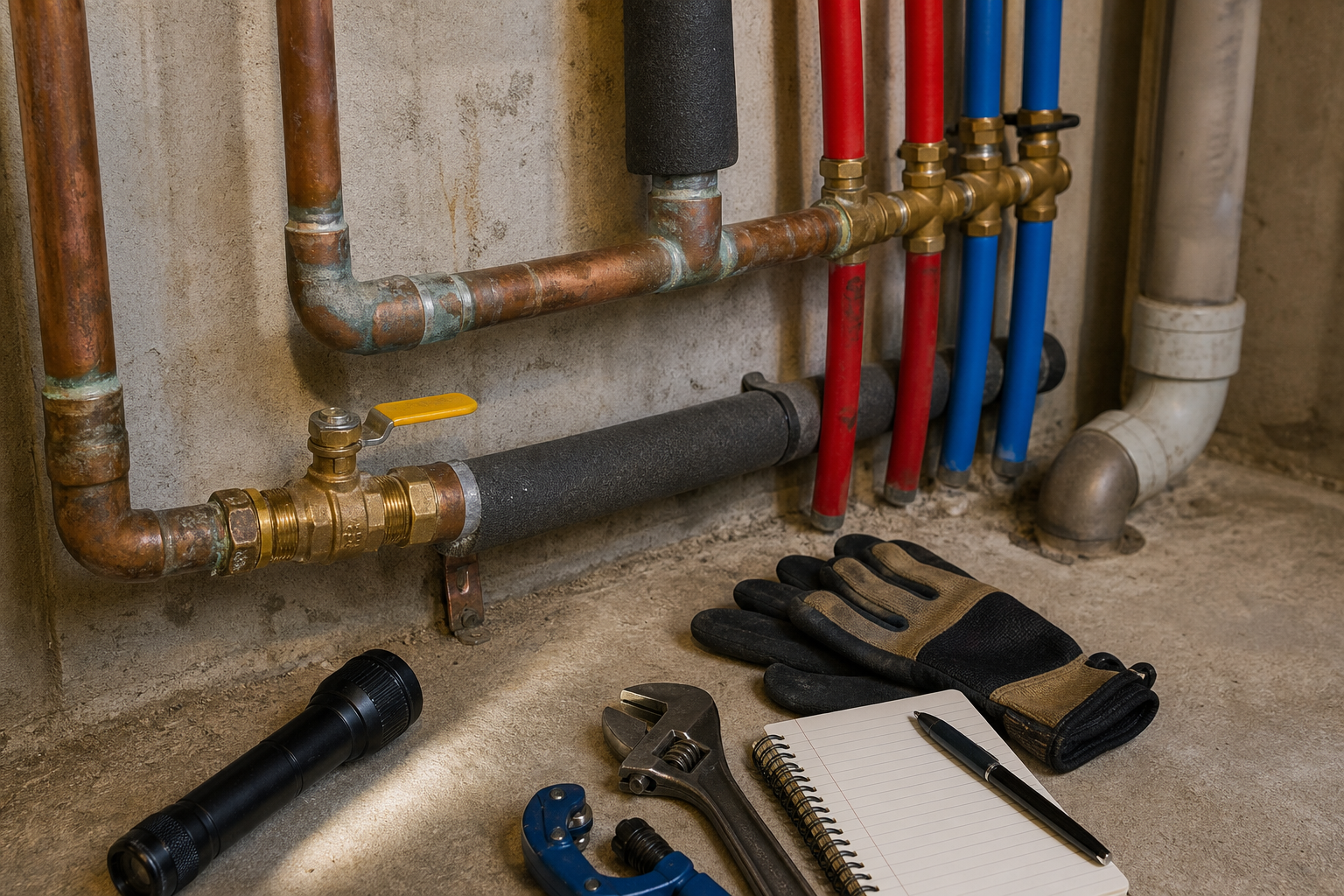
Corrosion prevention starts with observing pipe material, water quality, stains, pinholes, and incompatible metals—not coating or patching pipes blindly.
Read guide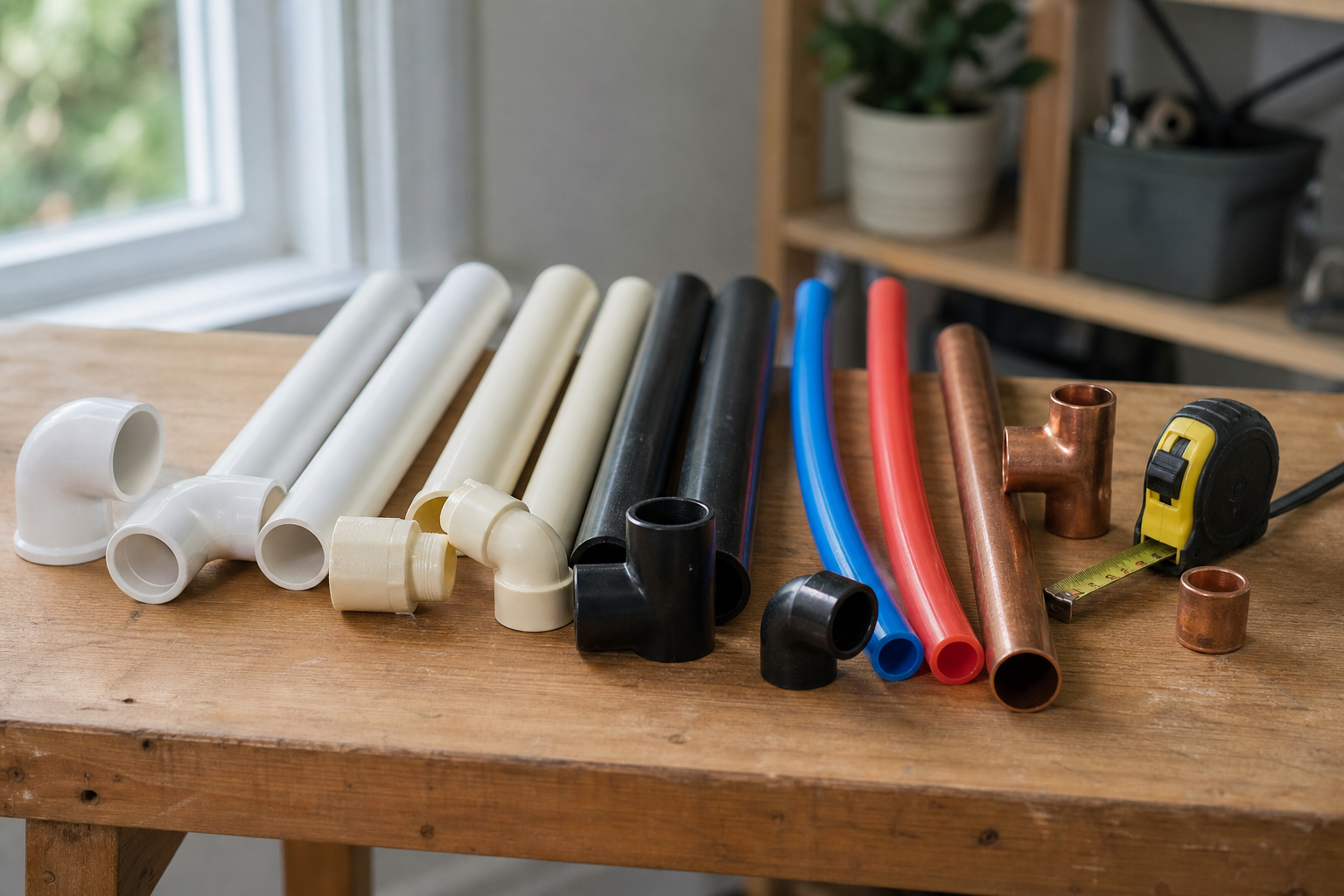
PVC means polyvinyl chloride, but the full pipe marking—not color alone—identifies its dimensions, standard, application, and product system.
Read guide
Compare pipe material identification, common uses, drinking-water caveats, code limits, and questions for a licensed plumber.
Read guide
Galvanized pipe replacement is a planning decision based on age, flow, rust, leaks, water quality, and local code—not a patch-it-yourself project.
Read guide
A stubborn drain clog needs fixture-pattern triage, chemical safety, plunger limits, and stop points for branch or main-line symptoms.
Read guide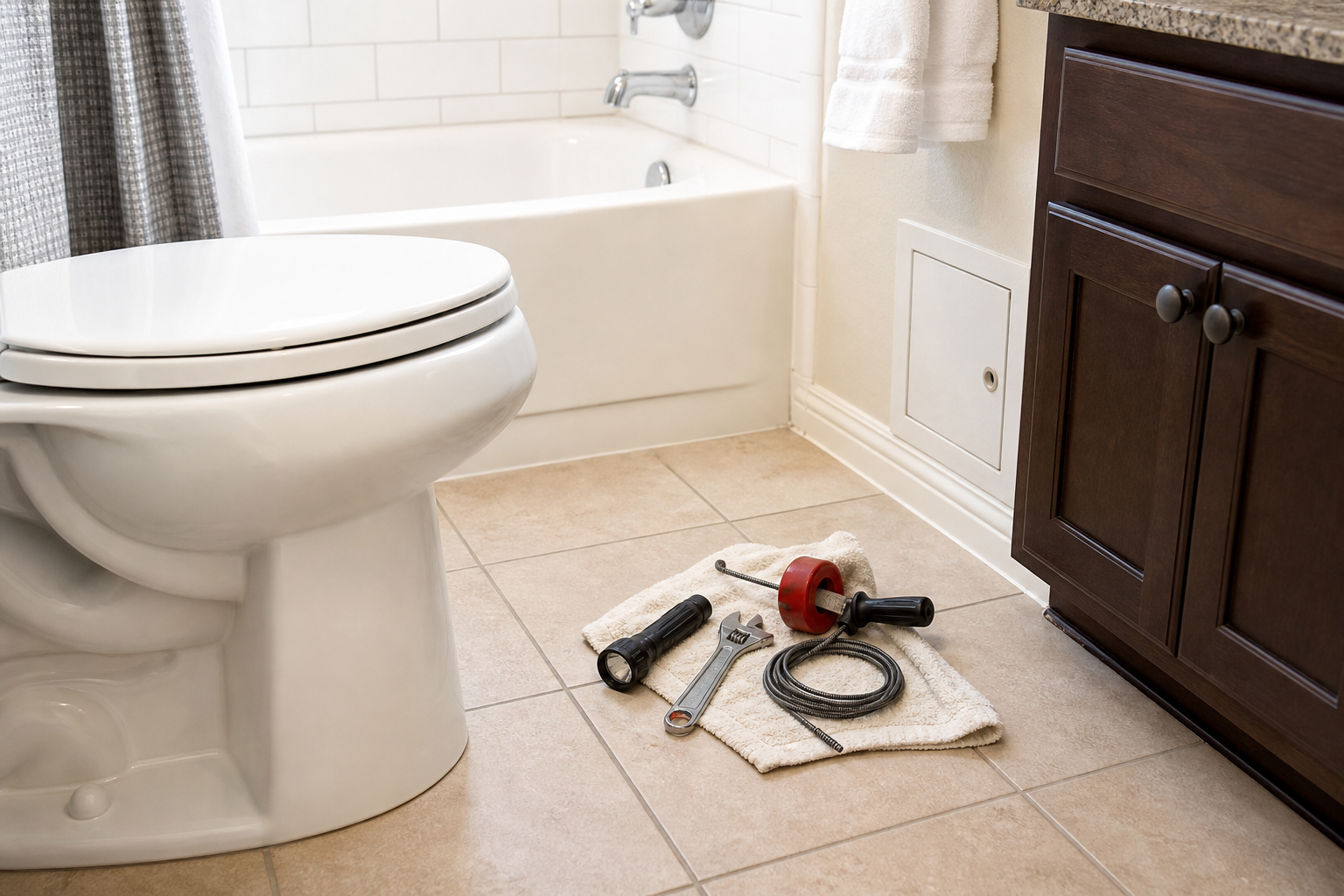
Bubbling when a tub drains points toward shared drain or vent behavior, not a toilet-part repair; watch for backup and contamination signs.
Read guide
Find the cause of low water pressure by checking fixtures, aerators, valves, filters, leaks and utility service. Learn which fixes are safe and when to call a plumber.
Read guide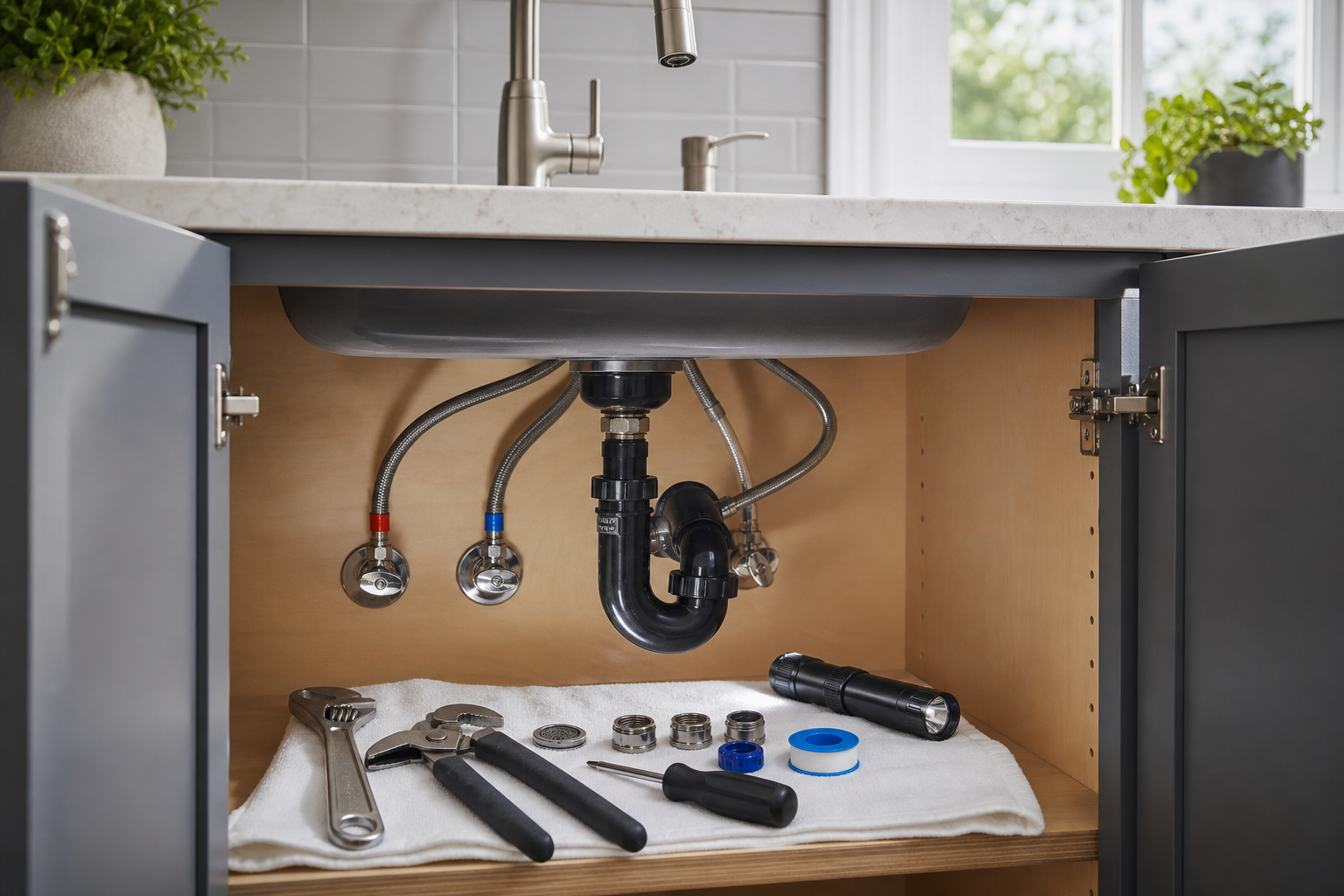
Pressure dropping only when two fixtures run can point to fixture flow limits, clogged aerators, supply-line size, shutoff position, or whole-home pressure issues.
Read guide
Water pressure can fluctuate because of utility demand, pressure regulators, fixture restrictions, filters, pumps, or leaks; document the pattern first.
Read guide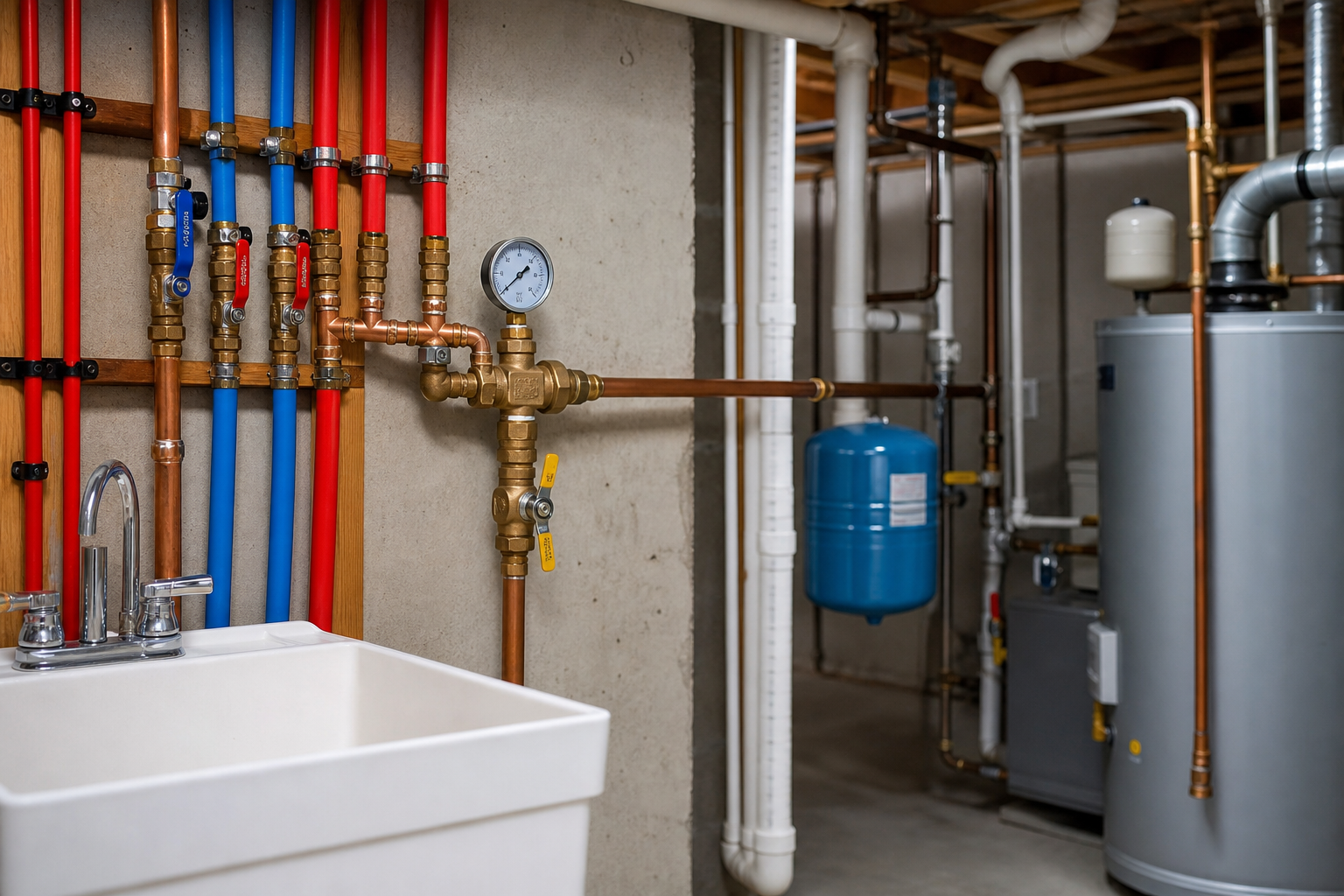
Whole-house low pressure is different from one-fixture low flow and may involve utility supply, valves, pressure regulator, filter, softener, or leak concerns.
Read guide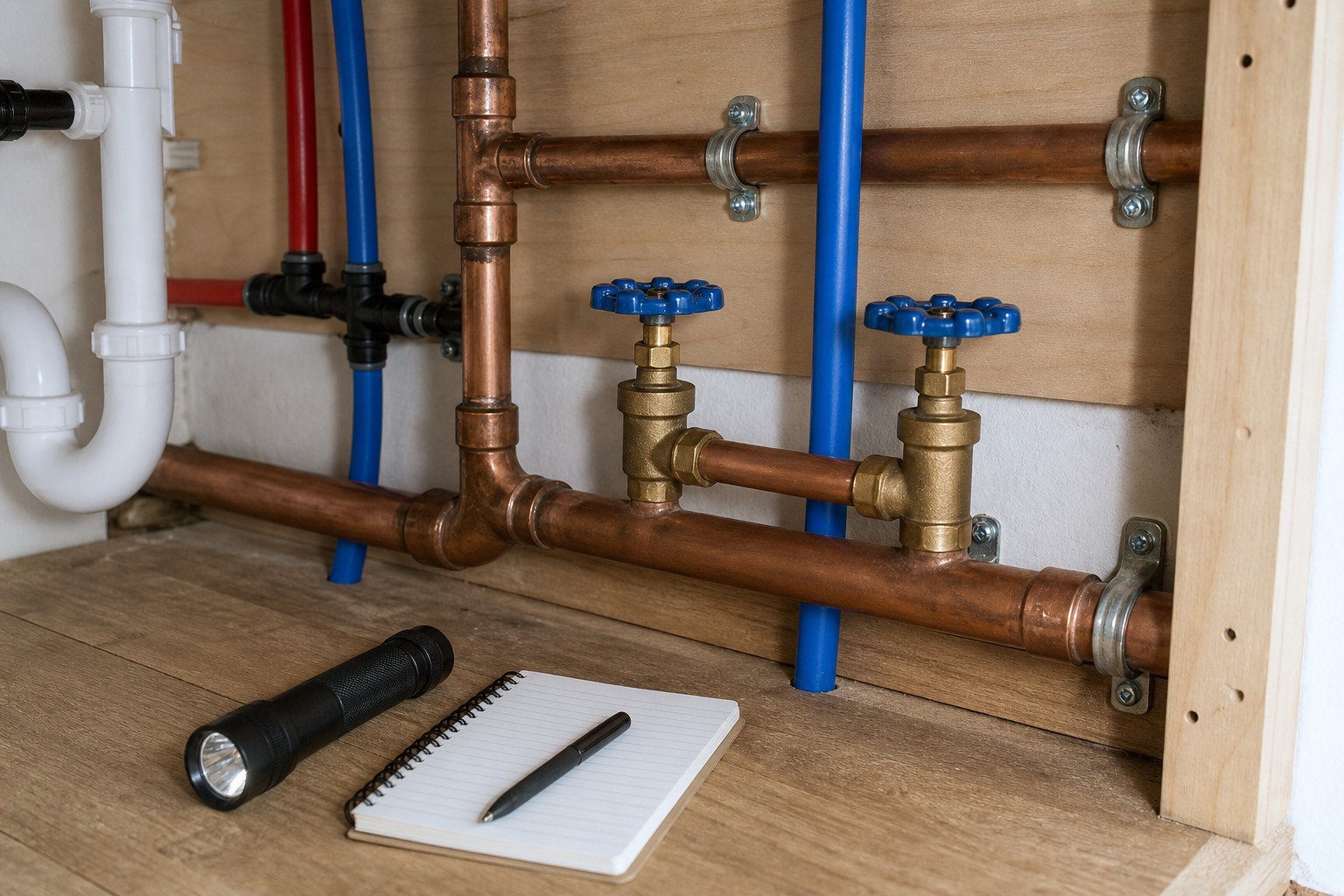
Water hammer is a pressure/surge symptom. Homeowners can document fixture patterns and stop before regulator, arrester, or pipe-support work.
Read guide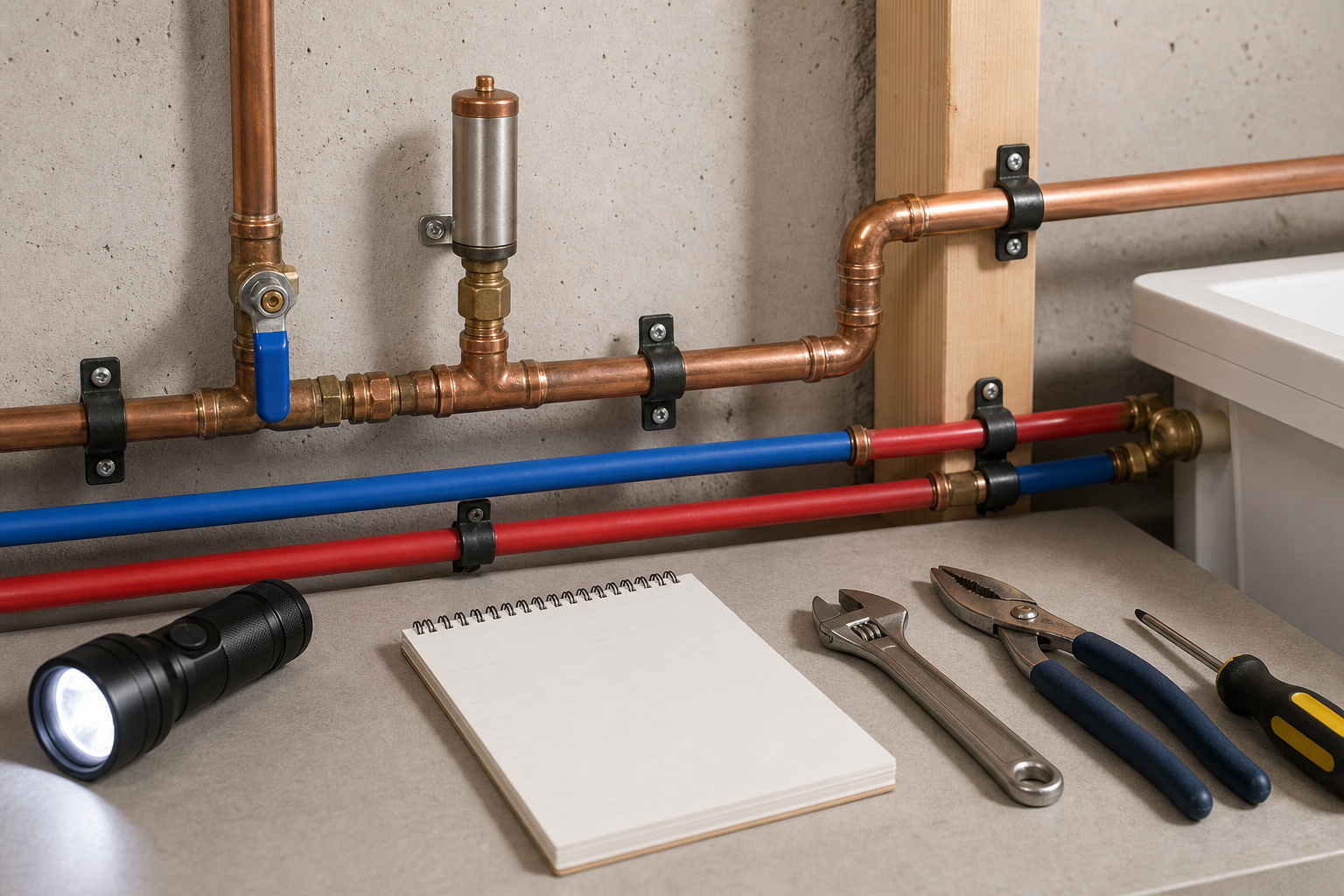
Banging pipes can come from water hammer, loose supports, thermal expansion, fast-closing valves, or pressure issues; note when the sound happens.
Read guide