Bathtub & Shower
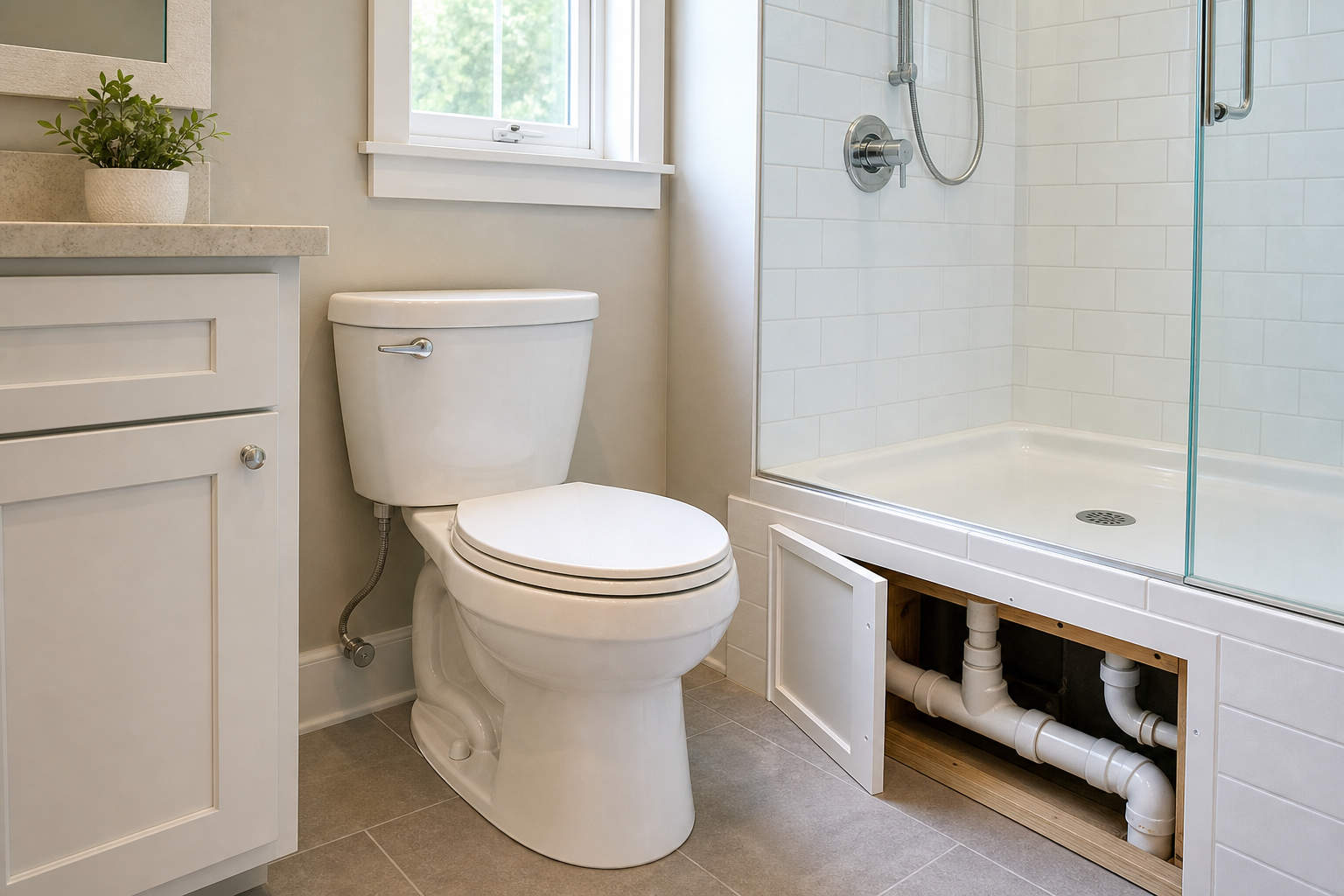
Are Toilet and Shower Drains Connected? Homeowner Drain Basics
Toilets and showers often share branch or main drains downstream; use gurgle/backup patterns to know when to stop using water.
Read guideHomeowner plumbing guides
Browse bathtub, shower, showerhead, drain, surface-care, and fixture-fit questions.
Stop before forcing shower trim, opening a wall, disturbing waterproofing, or working on a drain that leaks below the bathroom.
Choose the guide that best matches the fixture, symptom, or decision in front of you.
Toilets and showers often share branch or main drains downstream; use gurgle/backup patterns to know when to stop using water.
Read guide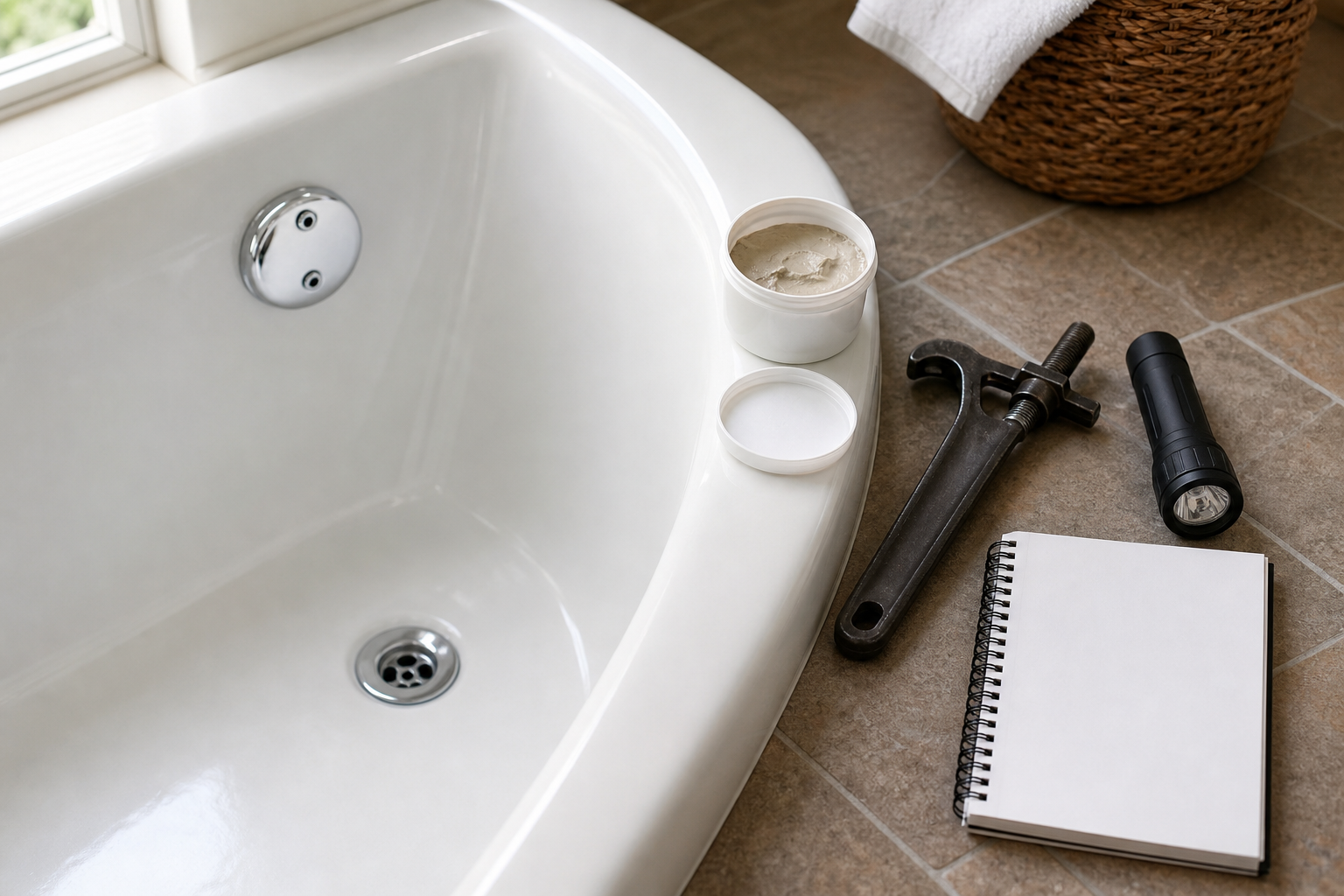
Use this as a planning guide for tub drain style, access, leak risk, and plumber thresholds—not a hidden-drain repair manual.
Read guide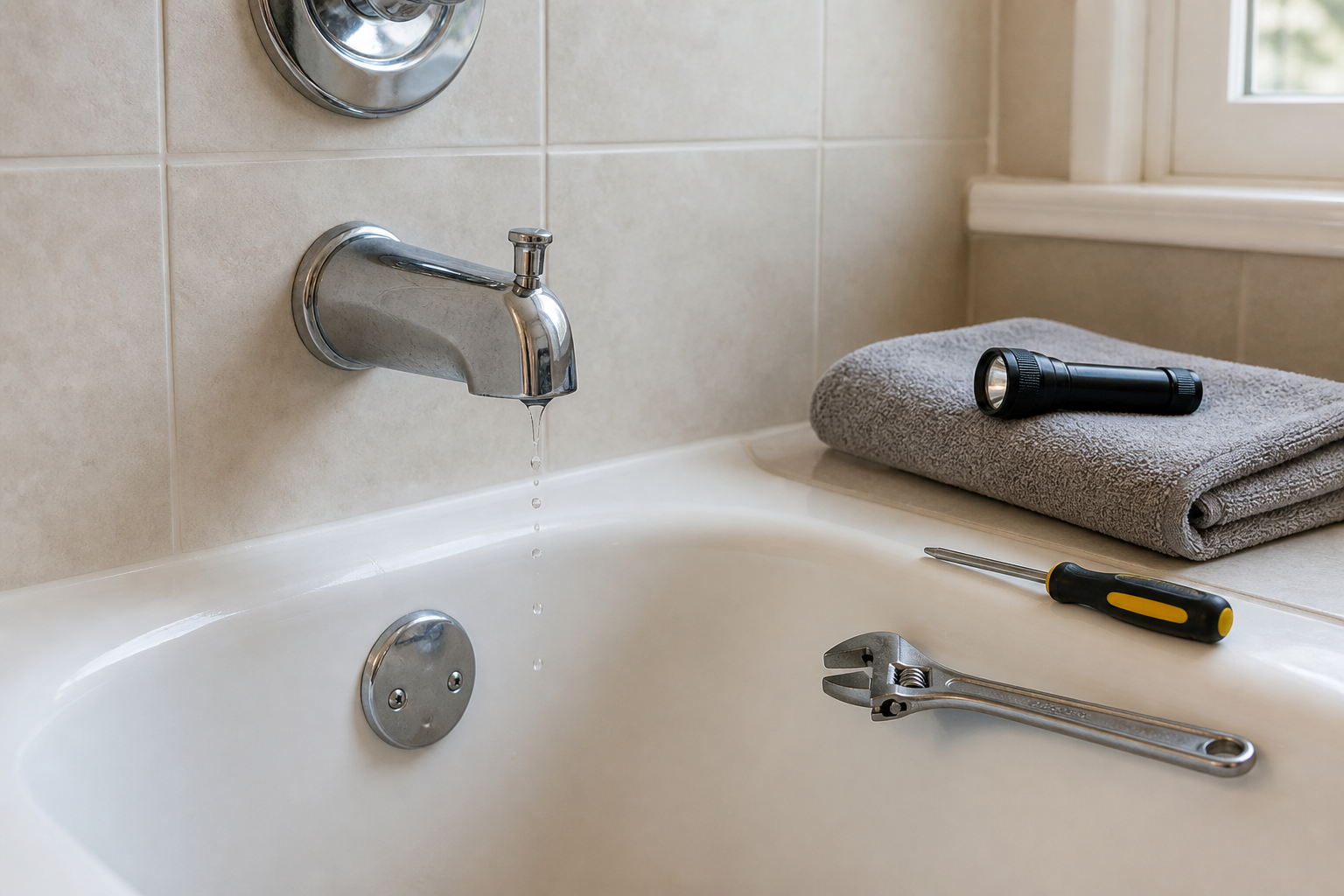
A leaking tub spout can indicate residual water, a diverter issue, valve leakage, or pipe/trim concerns; observe when and where it drips.
Read guide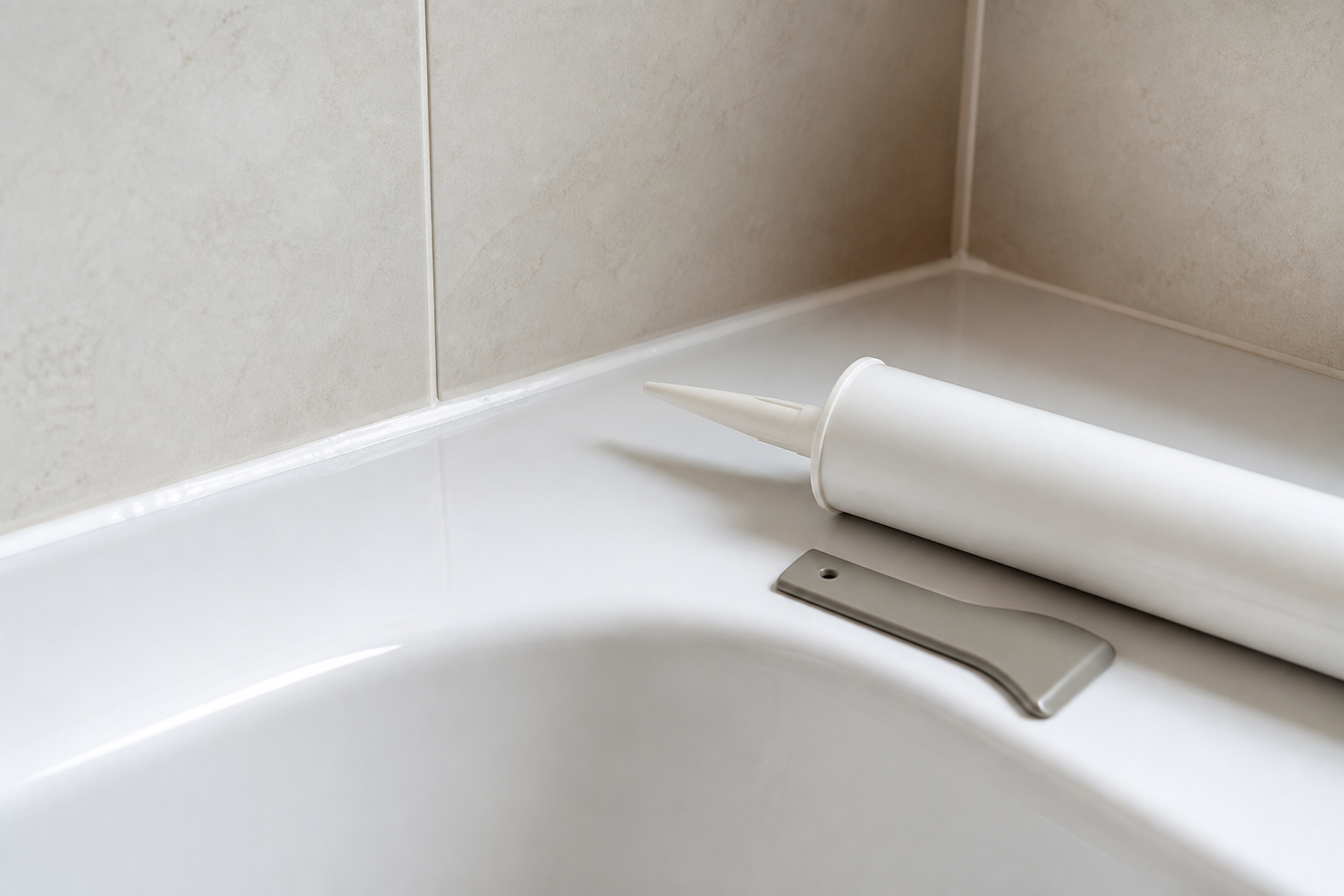
Bathtub sealing choices depend on movement, gap size, tile/grout condition, surface cleanliness, and whether water is already behind the wall.
Read guide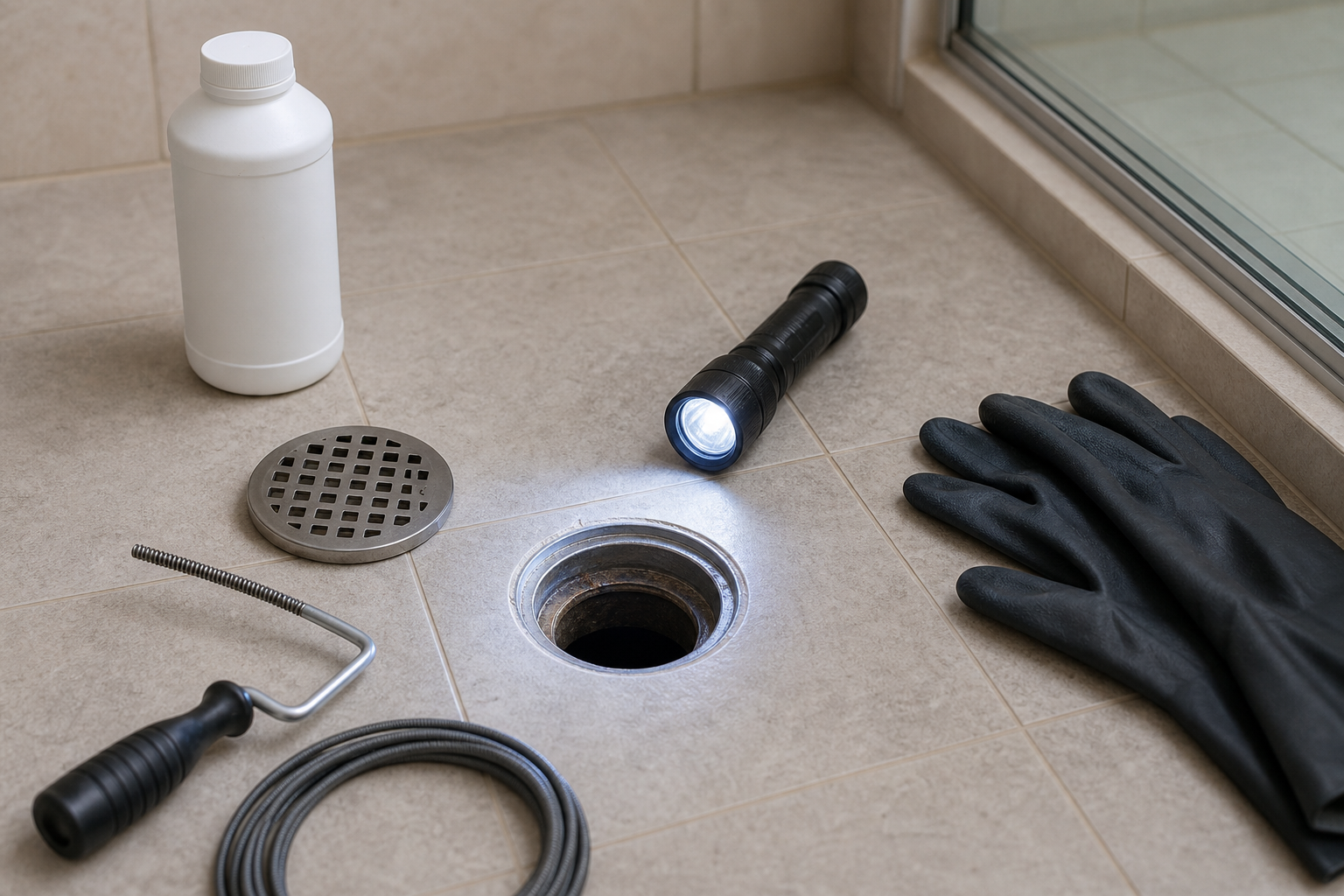
Chemical drain cleaners create splash, mixing, septic, pipe, and follow-up repair risks; check labels and stop points first.
Read guide
Toilet bowl cleaners are often too harsh for bathtub surfaces; check the product label and tub material before using any chemical.
Read guide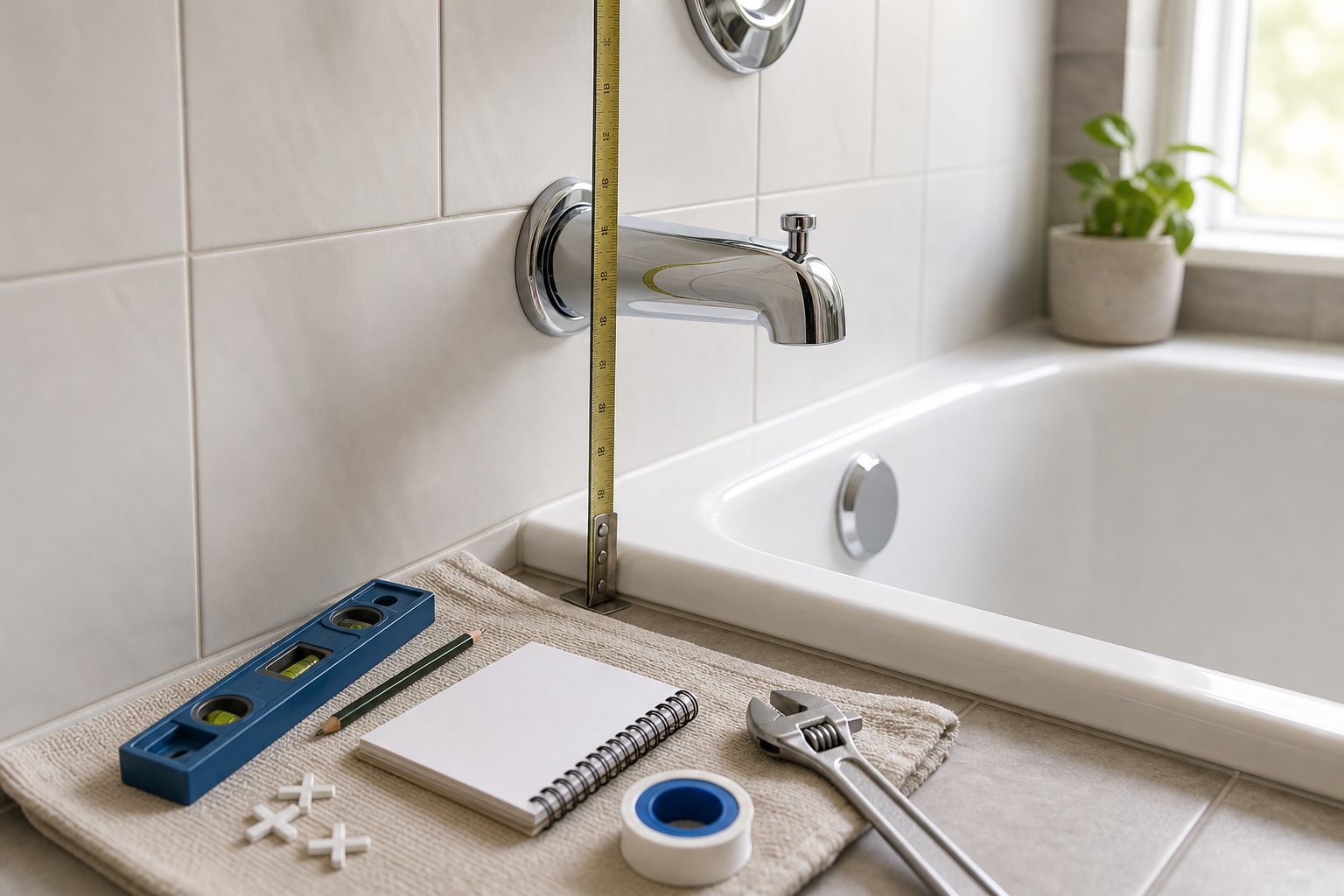
Tub spout height depends on tub type, valve/trim set, diverter, code clearances, and manufacturer rough-in dimensions.
Read guide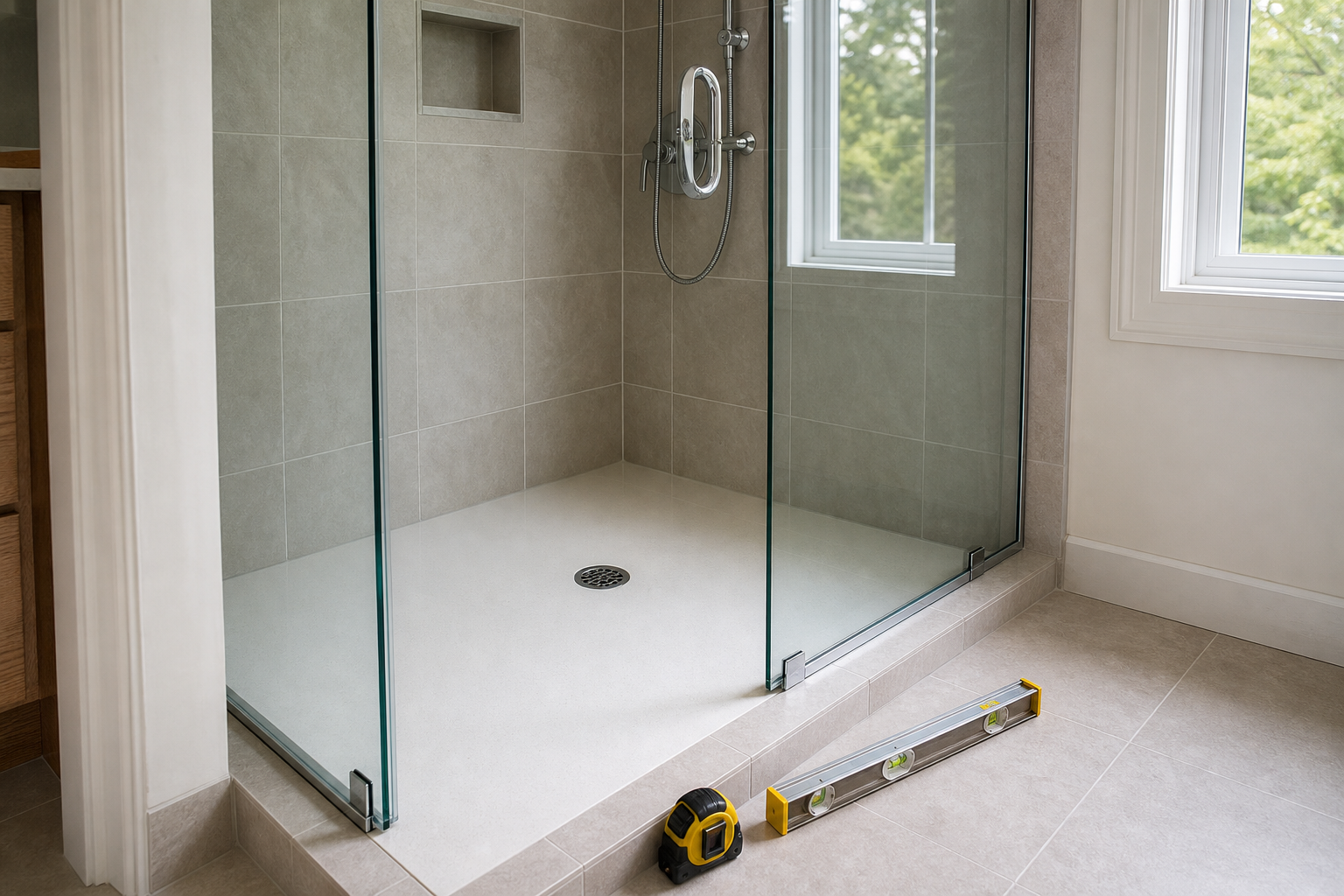
A shower enclosure must match the opening, base, wall plumbness, swing/clearance, glass type, drainage, and installer requirements.
Read guide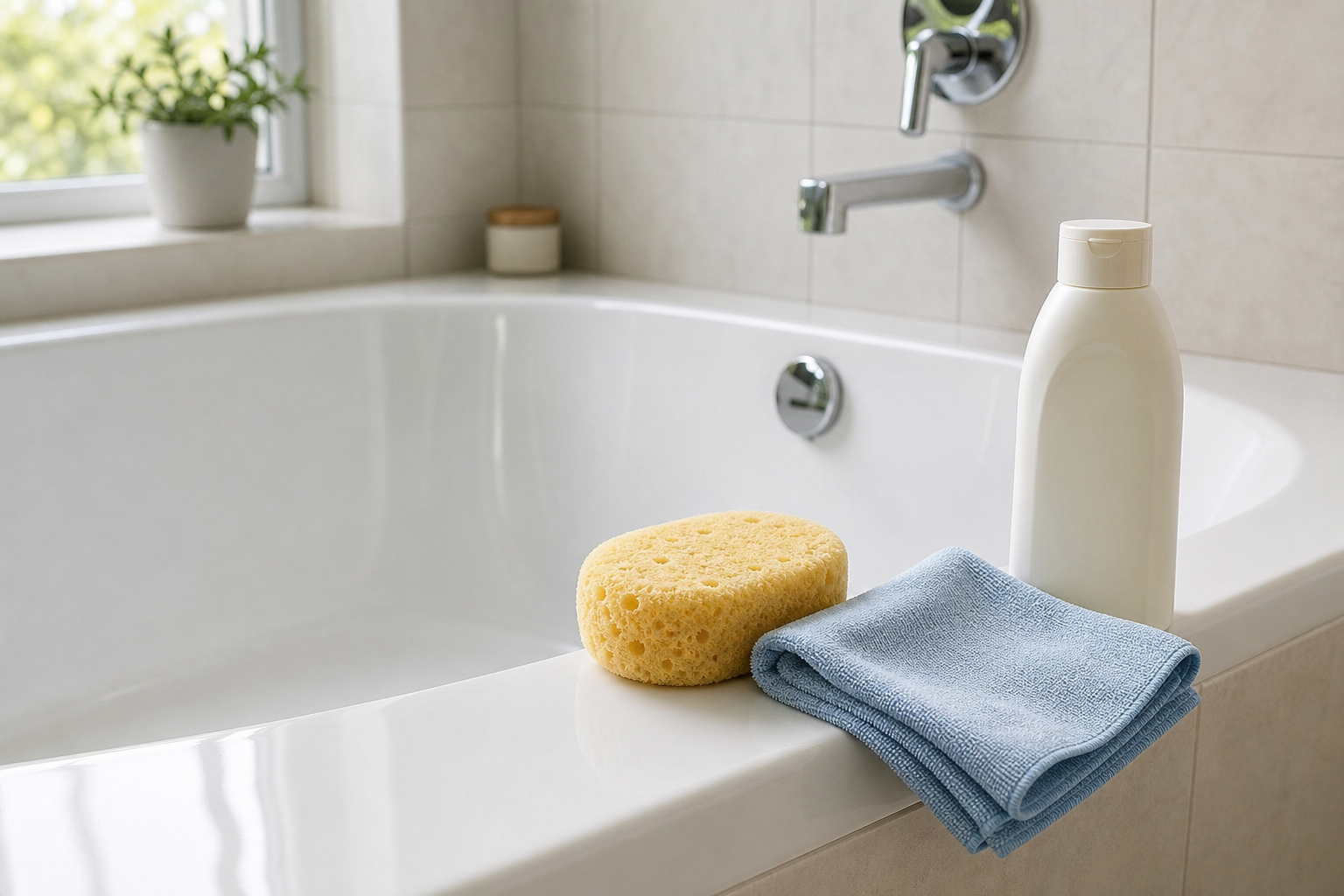
Acrylic tubs need non-abrasive cleaners, soft tools, label checks, and stain-specific care to avoid scratching or chemical damage.
Read guide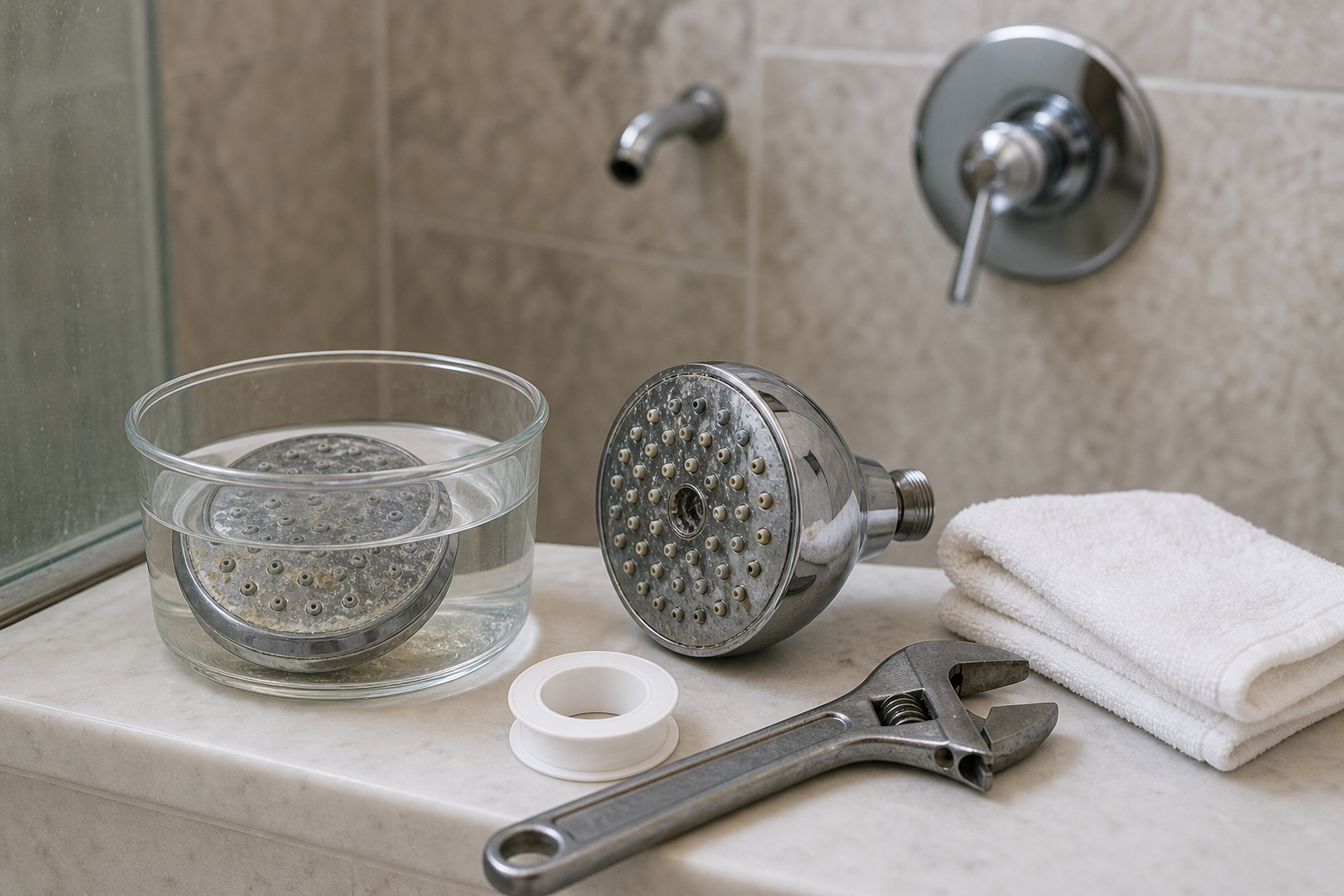
Low shower pressure can be a showerhead, valve, supply, whole-house pressure, or water-heater issue; start with safe observation.
Read guide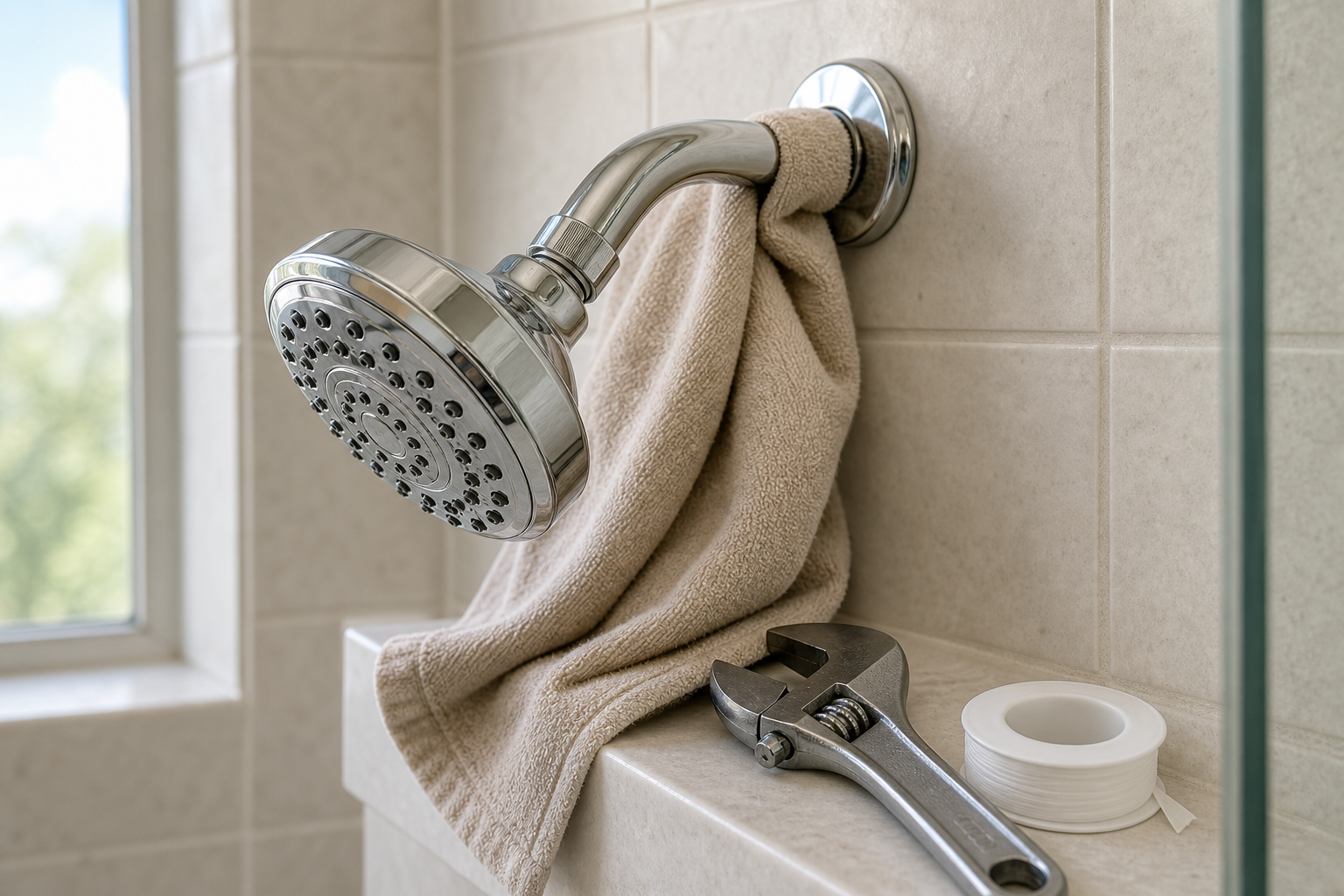
A stuck shower head can damage the shower arm or wall if forced; identify thread direction, finish, mineral buildup, and wall movement first.
Read guide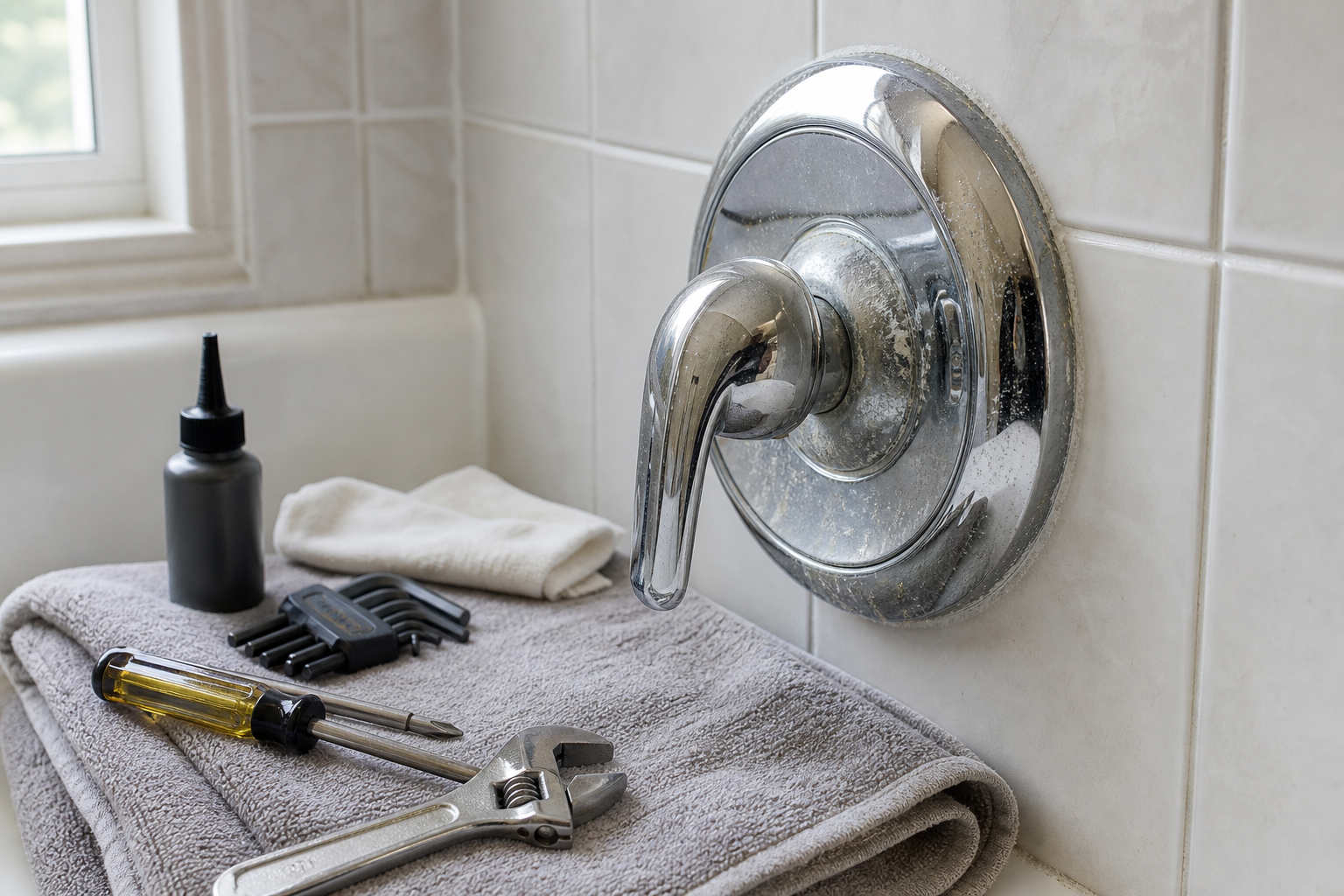
A stuck Delta shower handle can hide mineral buildup, set-screw issues, or cartridge problems; stop before damaging the valve or scald protection.
Read guide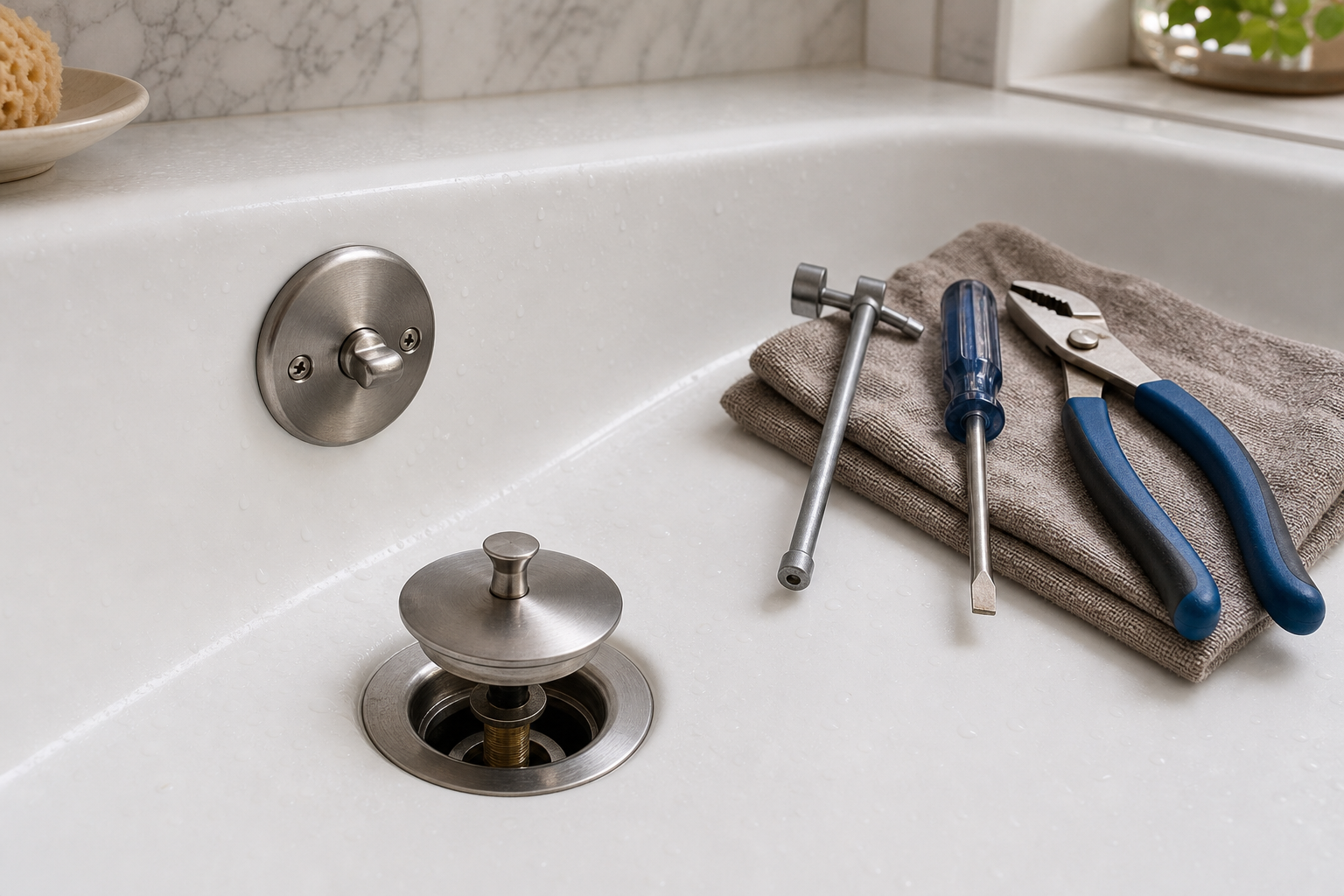
Identify the tub stopper type and access limits before attempting removal; stop if the drain body, overflow, or tub finish is at risk.
Read guide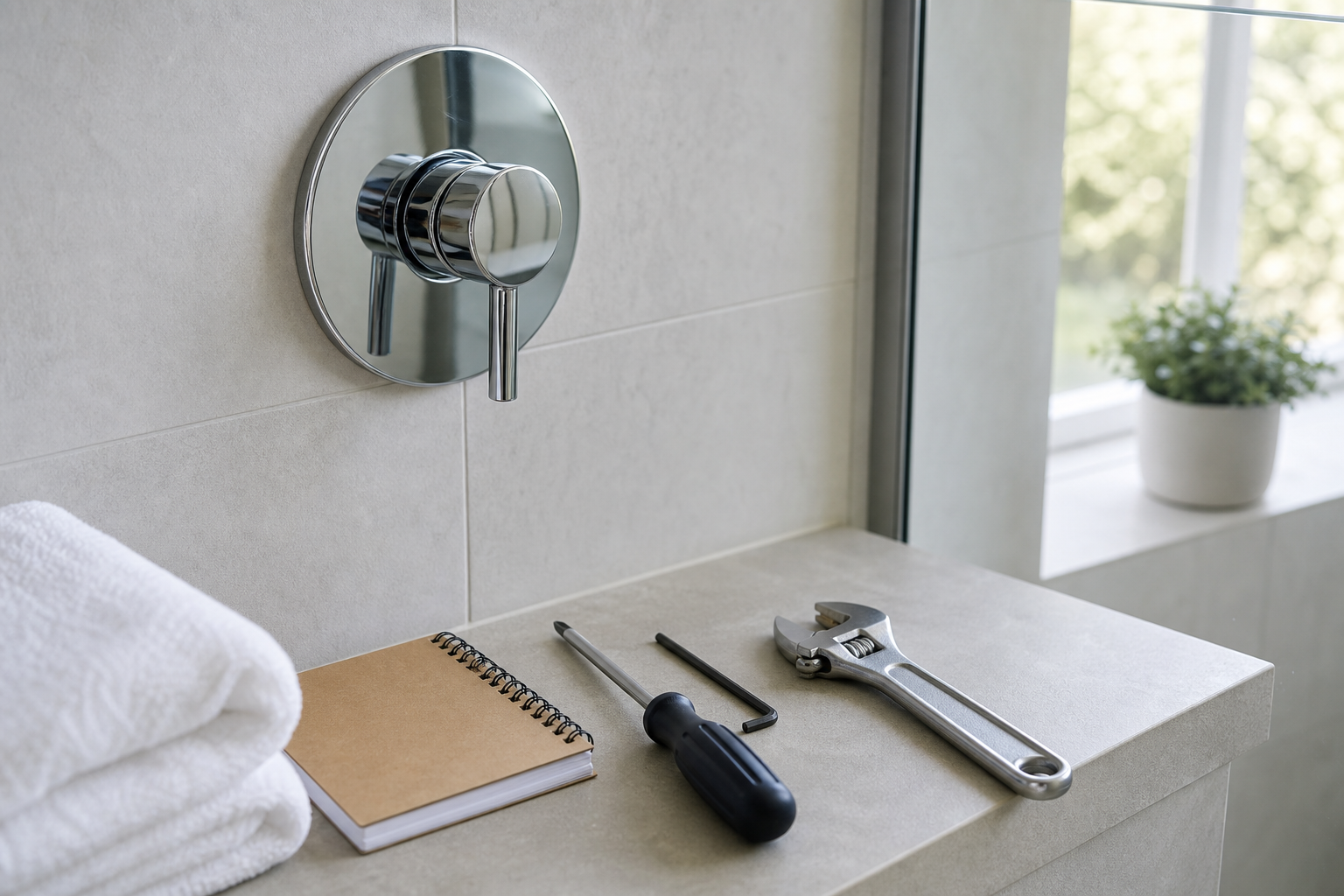
Kohler shower trim varies by series and valve; use model documentation and stop if the valve body, escutcheon, or wall starts moving.
Read guide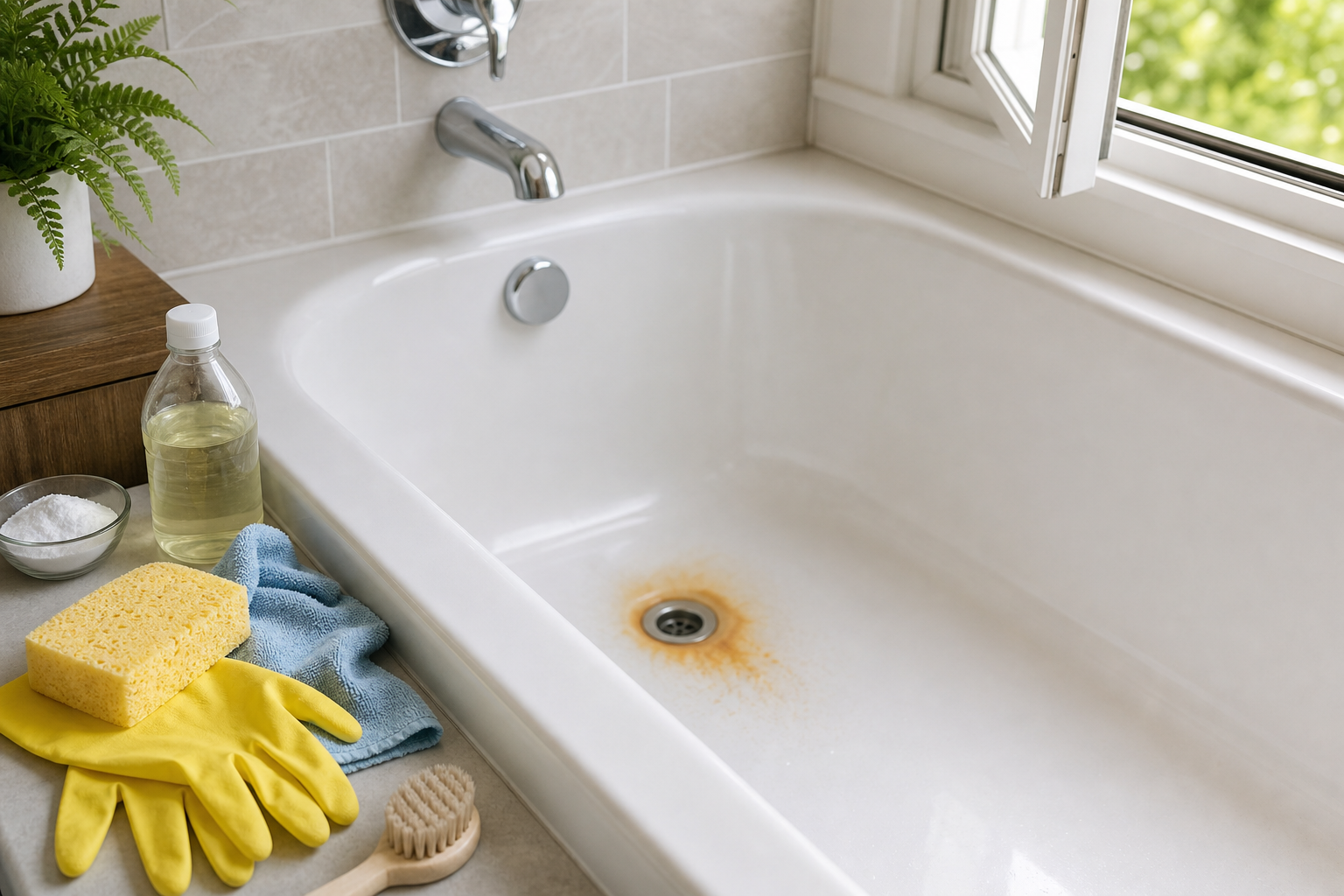
Rust stains on tubs may come from metal, water, or coating damage; choose cleaner by tub material and avoid harsh mixtures.
Read guide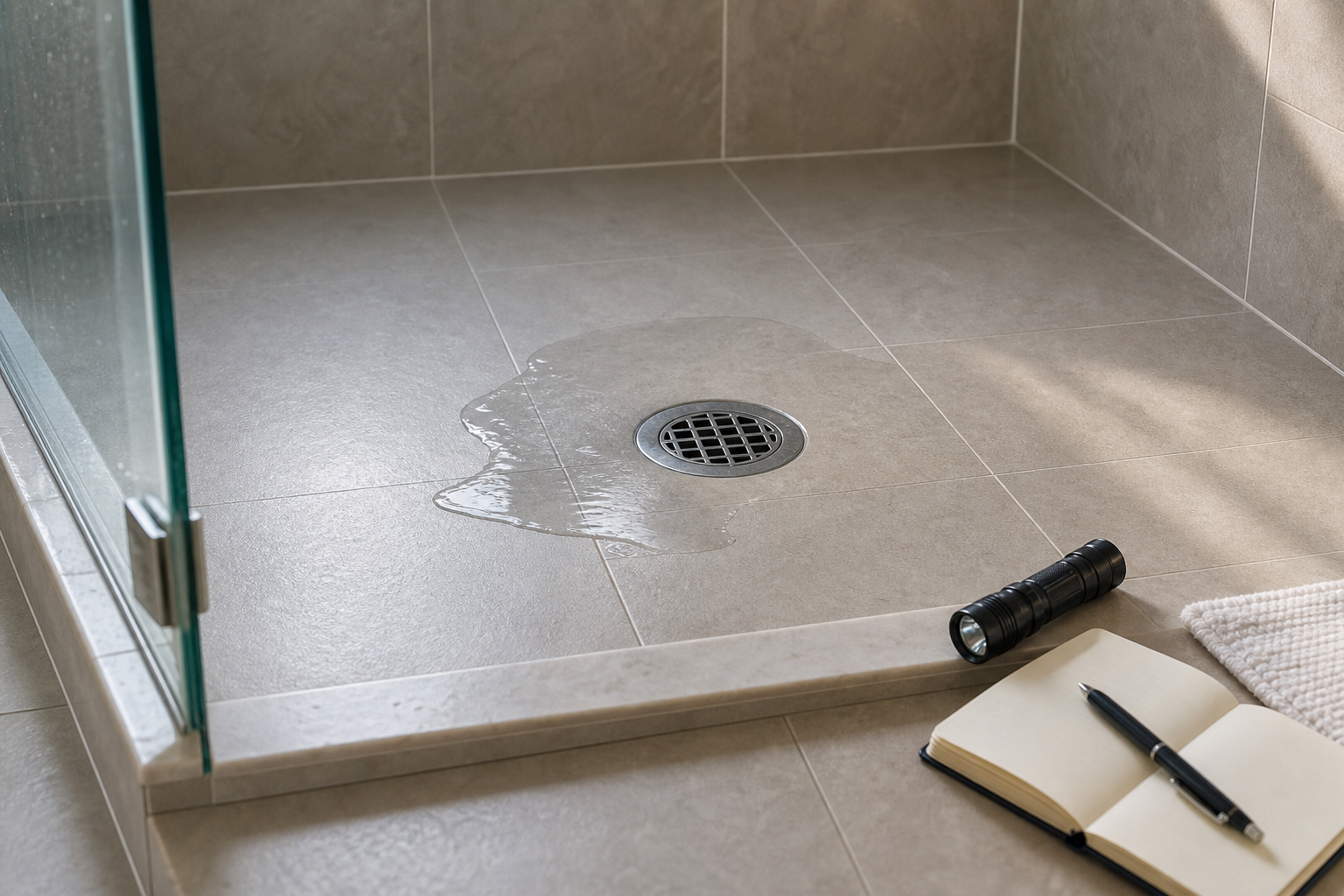
A leaking shower drain can involve seals, pans, tile, or plumbing below; observe location and damage before any repair decision.
Read guide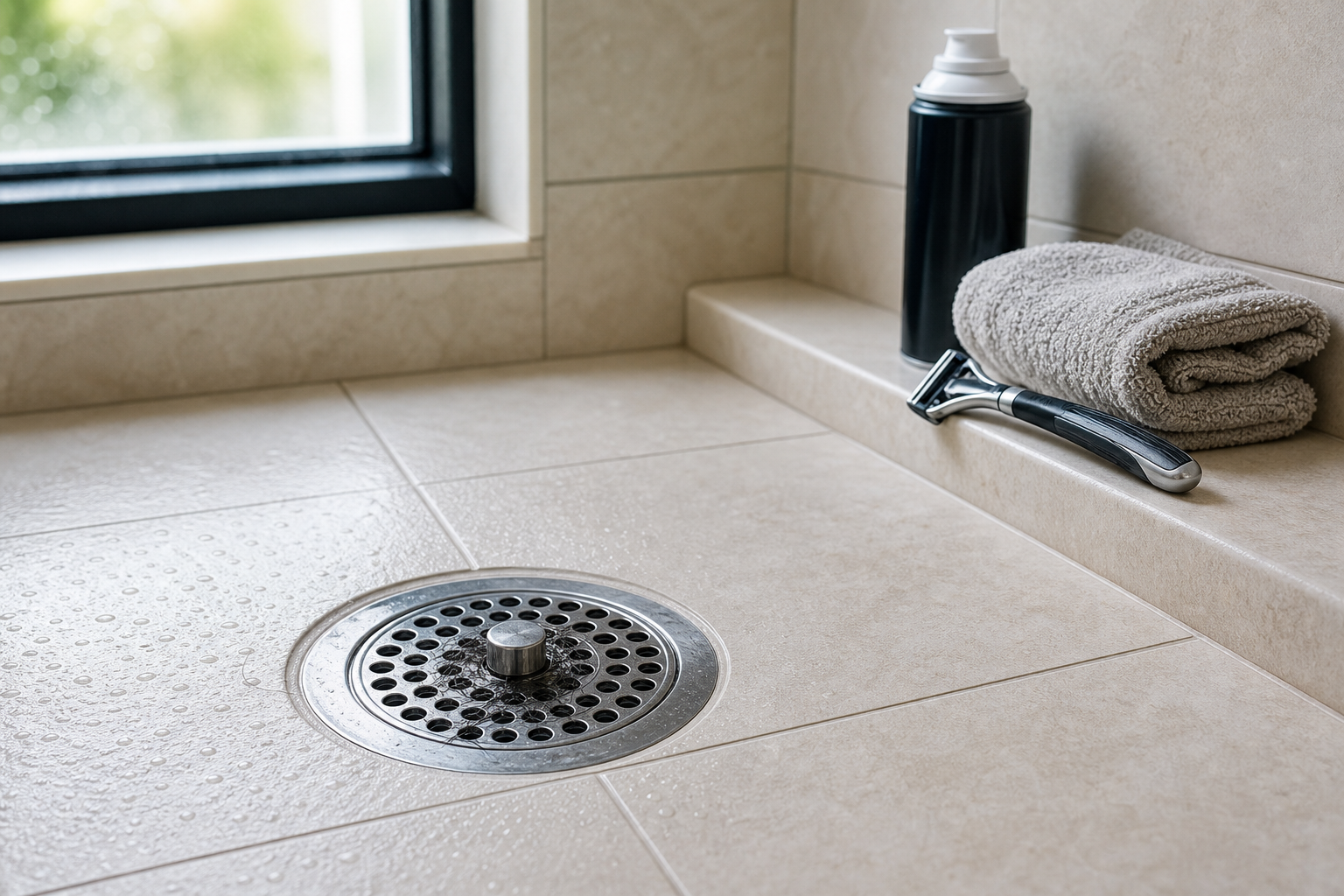
Reduce shaving-related shower clogs with hair capture, drain-cover cleaning, and chemical-free stop points.
Read guide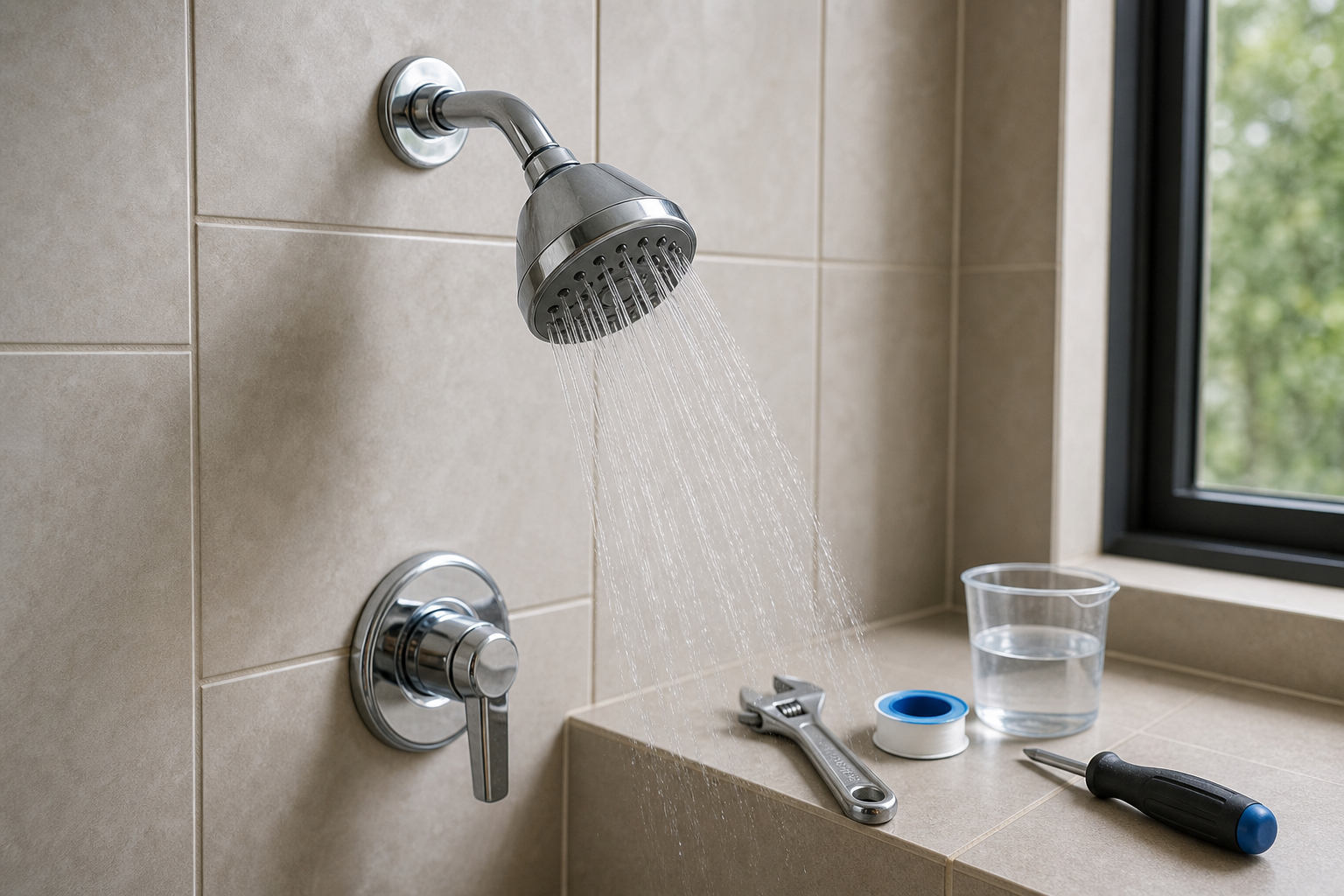
Low-flow showerheads can reduce fixture flow when the label and fit match the home, but low pressure may indicate a plumbing issue rather than a showerhead upgrade.
Read guide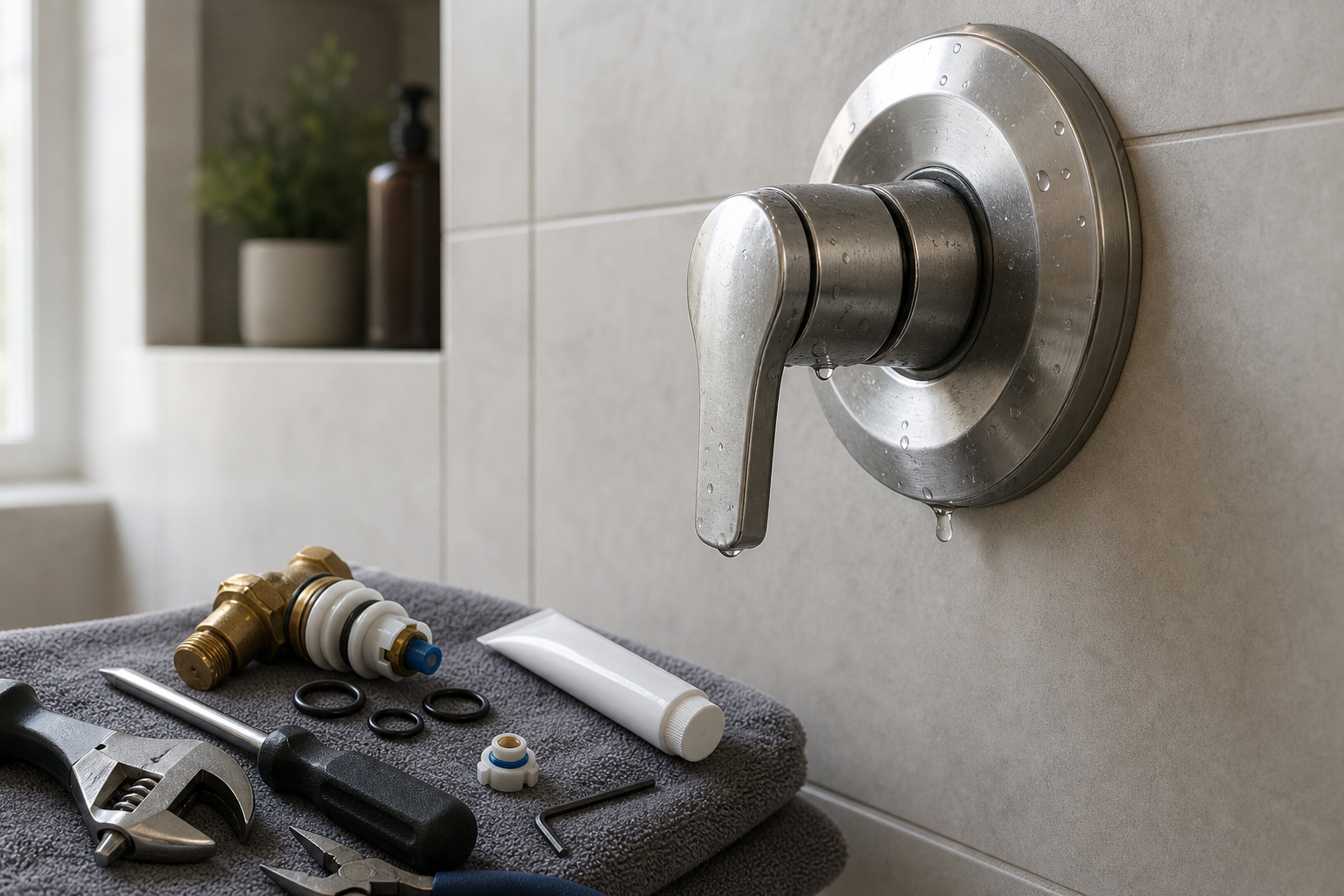
A shower handle leak may be trim splash, cartridge/valve seepage, or water behind the wall; stop before valve disassembly if the source is unclear.
Read guide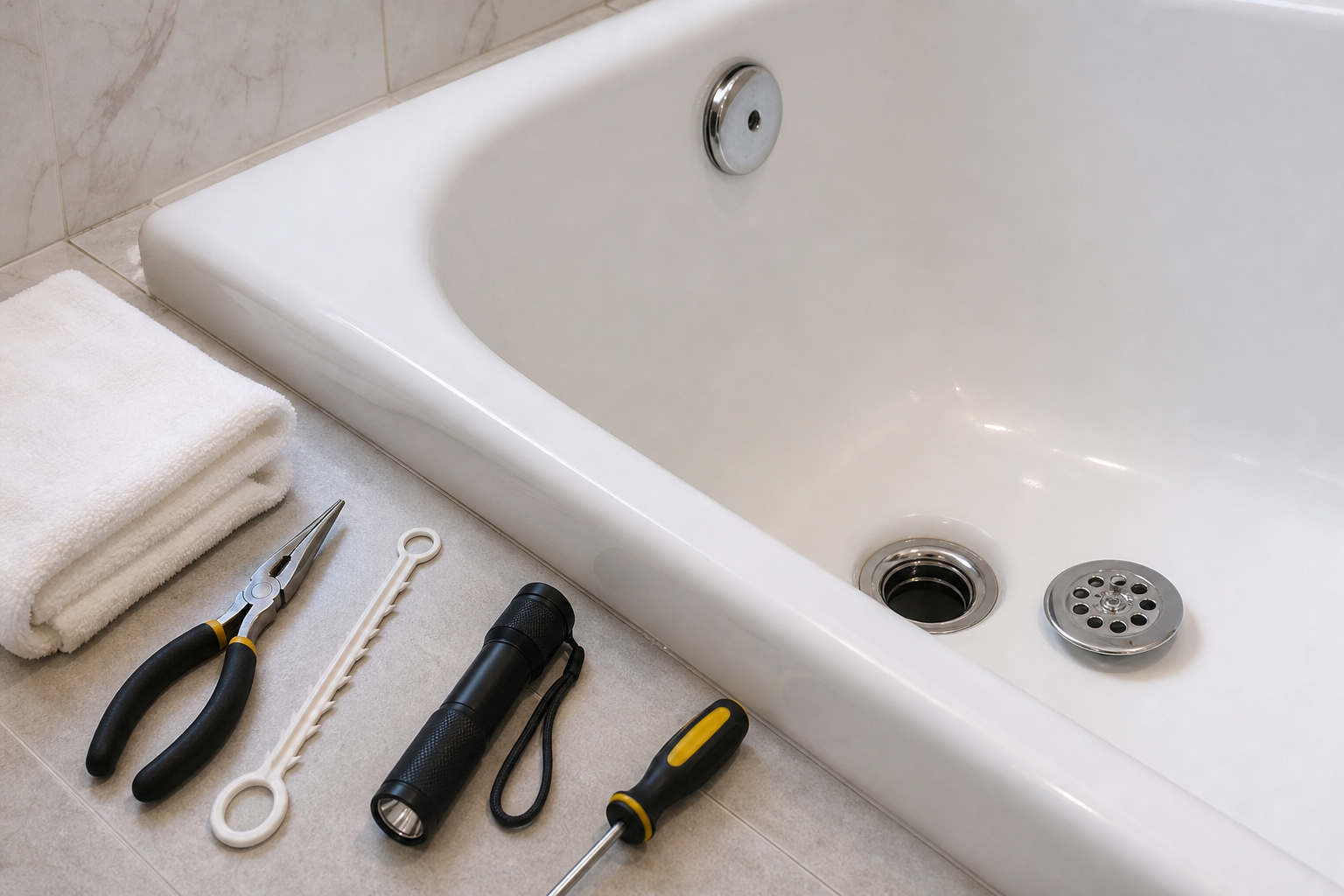
Retrieve only visible objects at the tub drain opening; stop before chemicals, hidden drain parts, or leak-prone disassembly.
Read guide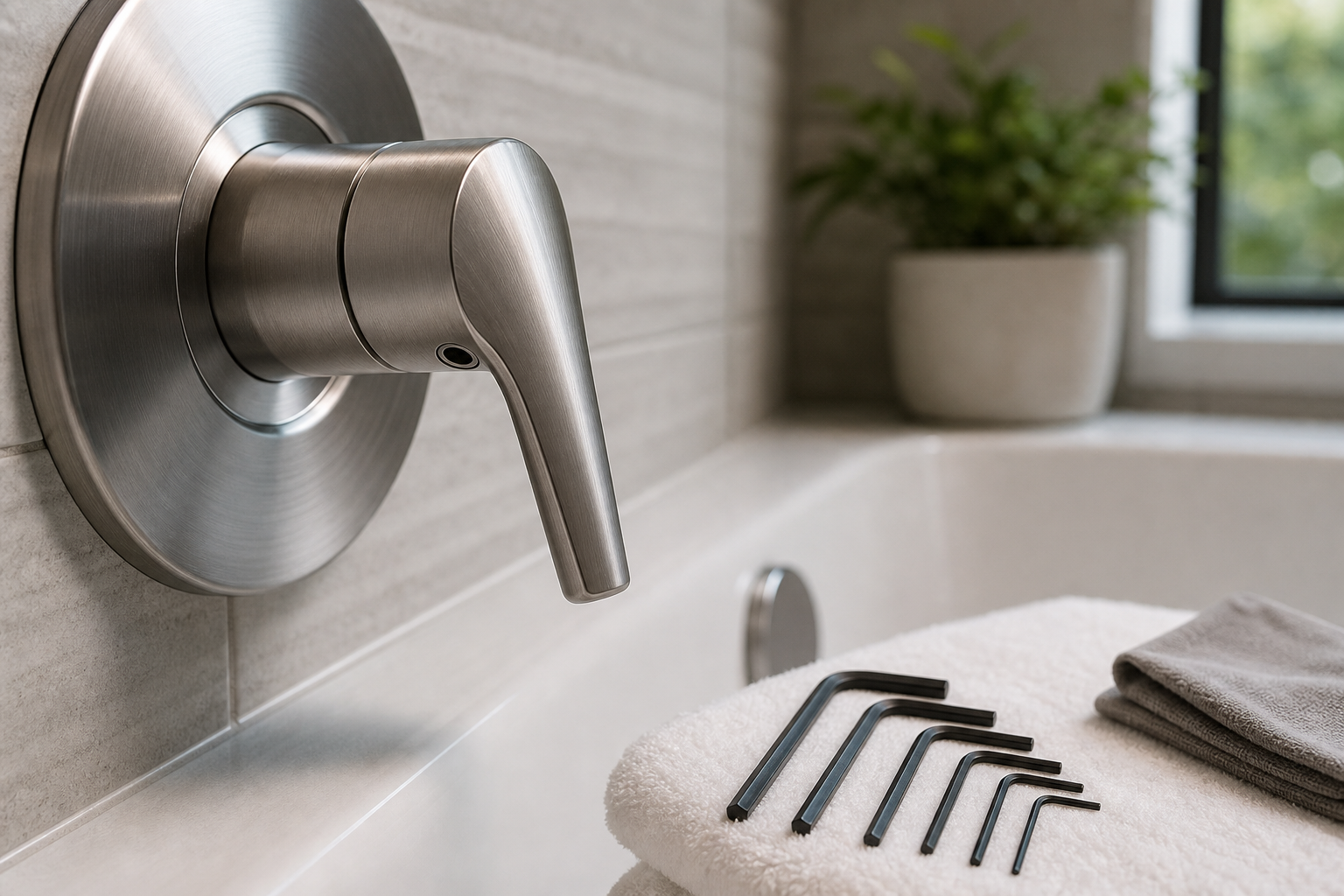
There is no universal shower-handle Allen-wrench size. Identify the trim, compare metric and SAE keys without force, and stop before stripping the set screw.
Read guide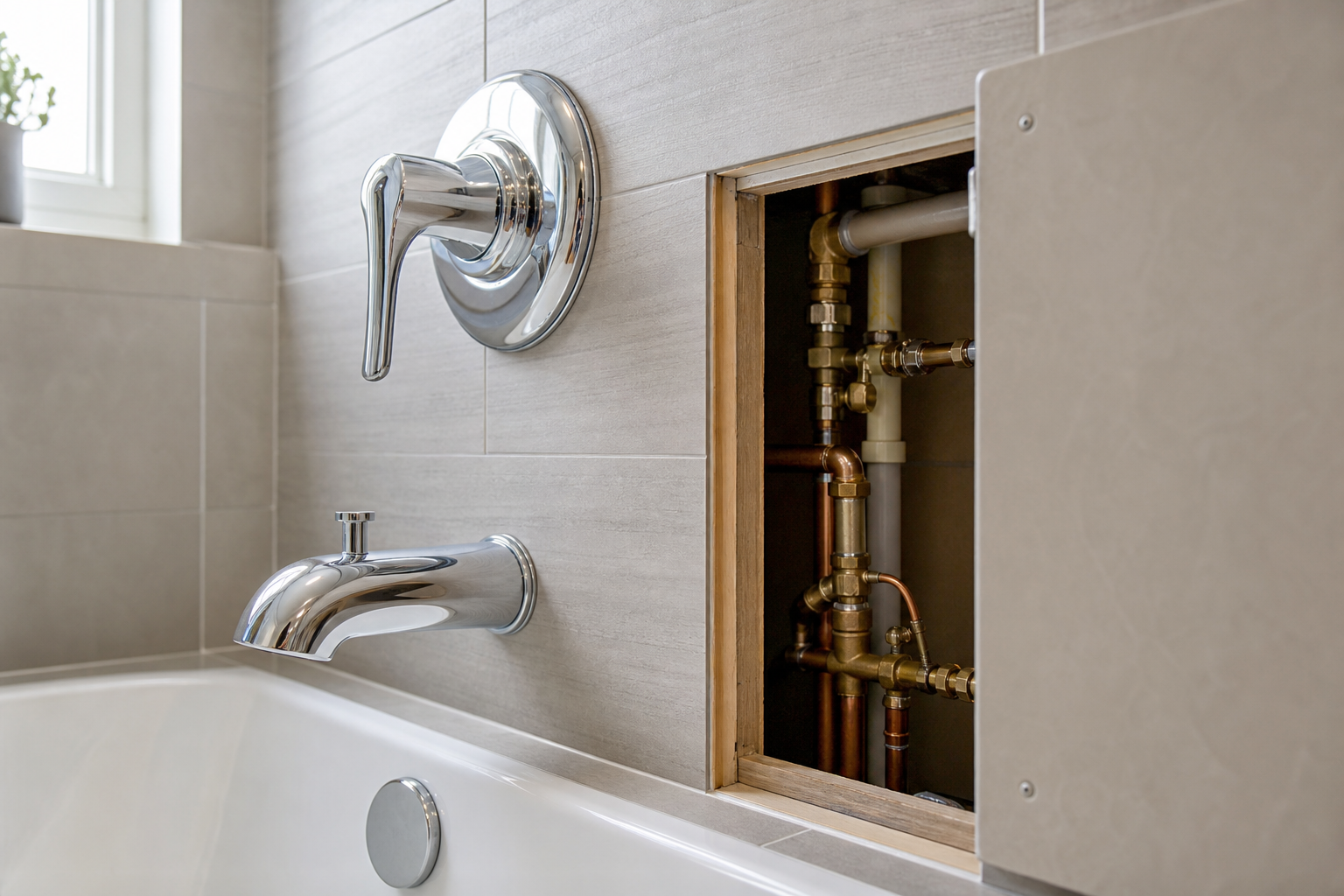
Bathtub faucet noise can come from water pressure, loose trim, diverter issues, hammer, air, or valve wear; identify the timing before touching parts.
Read guide