Water Quality
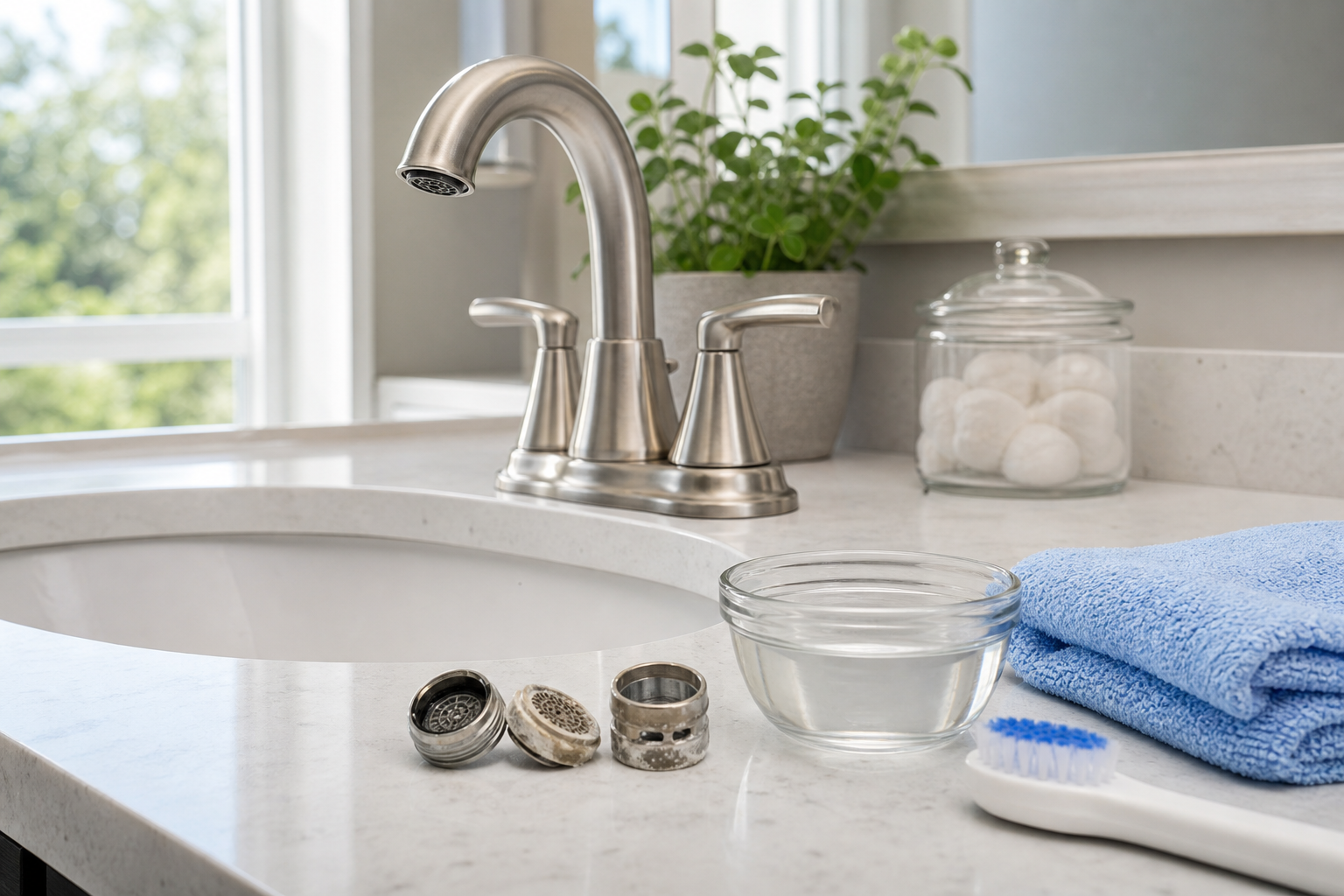
Bathroom Faucets for Hard Water: Finish, Aerator, and Maintenance Checks
Hard-water-friendly bathroom faucets need serviceable aerators, compatible finishes, clear parts support, and realistic water-treatment expectations.
Read guideHomeowner plumbing guides
Find testing-first guidance for hard water, rainwater, filters, discolored water, water use, and fixture efficiency.
For drinking-water safety, private wells, lead, bacteria, or a sudden systemwide color or odor change, use local utility or health guidance and appropriate testing.
Choose the guide that best matches the fixture, symptom, or decision in front of you.
Hard-water-friendly bathroom faucets need serviceable aerators, compatible finishes, clear parts support, and realistic water-treatment expectations.
Read guide
Clean mineral stains by matching the cleaner to the exact surface: start mild, avoid chemical mixing, protect coatings and stone, and use product labels first.
Read guide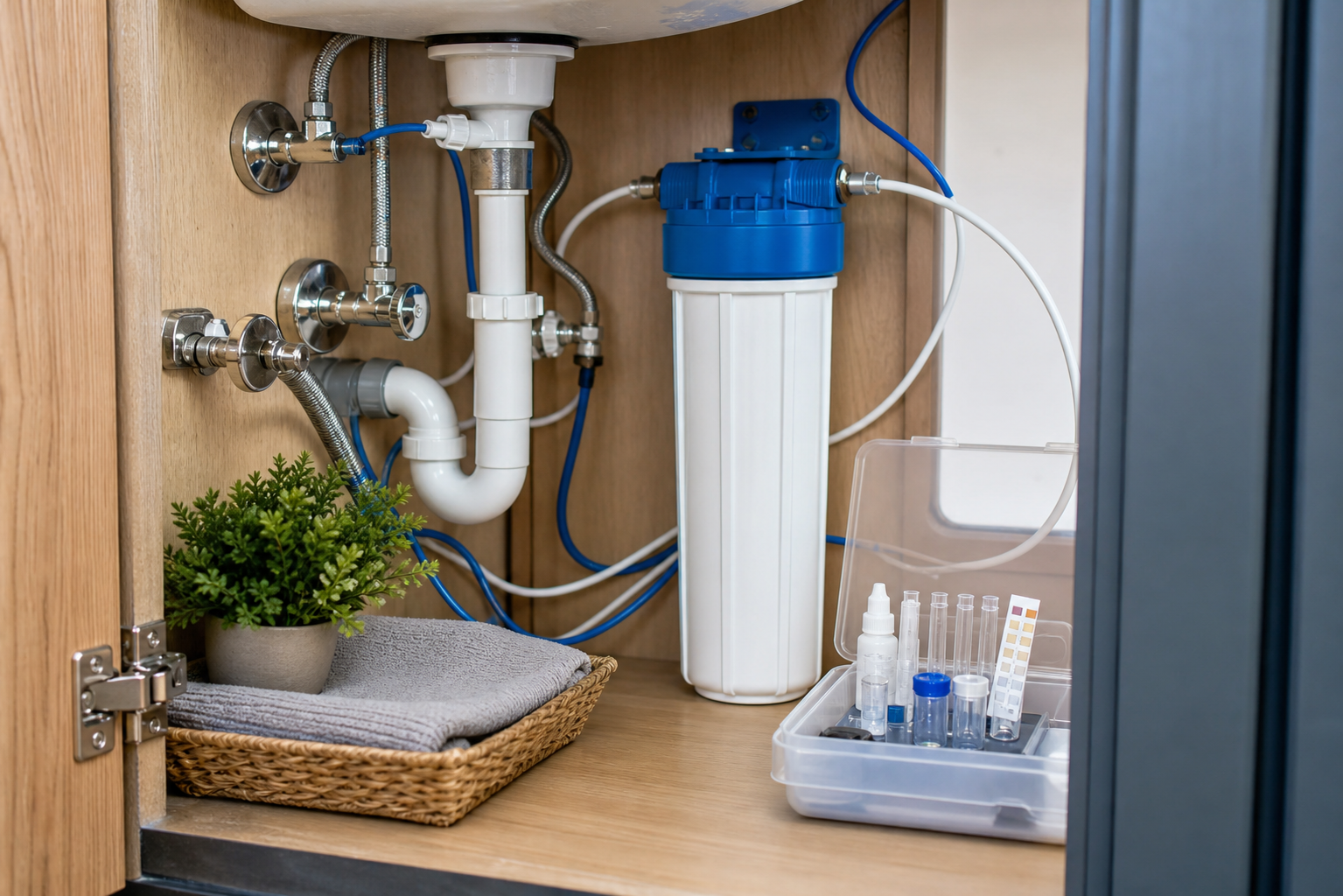
Hard water treatment starts with testing hardness, iron, manganese, pH, and usage; filters, softeners, and conditioners solve different problems.
Read guide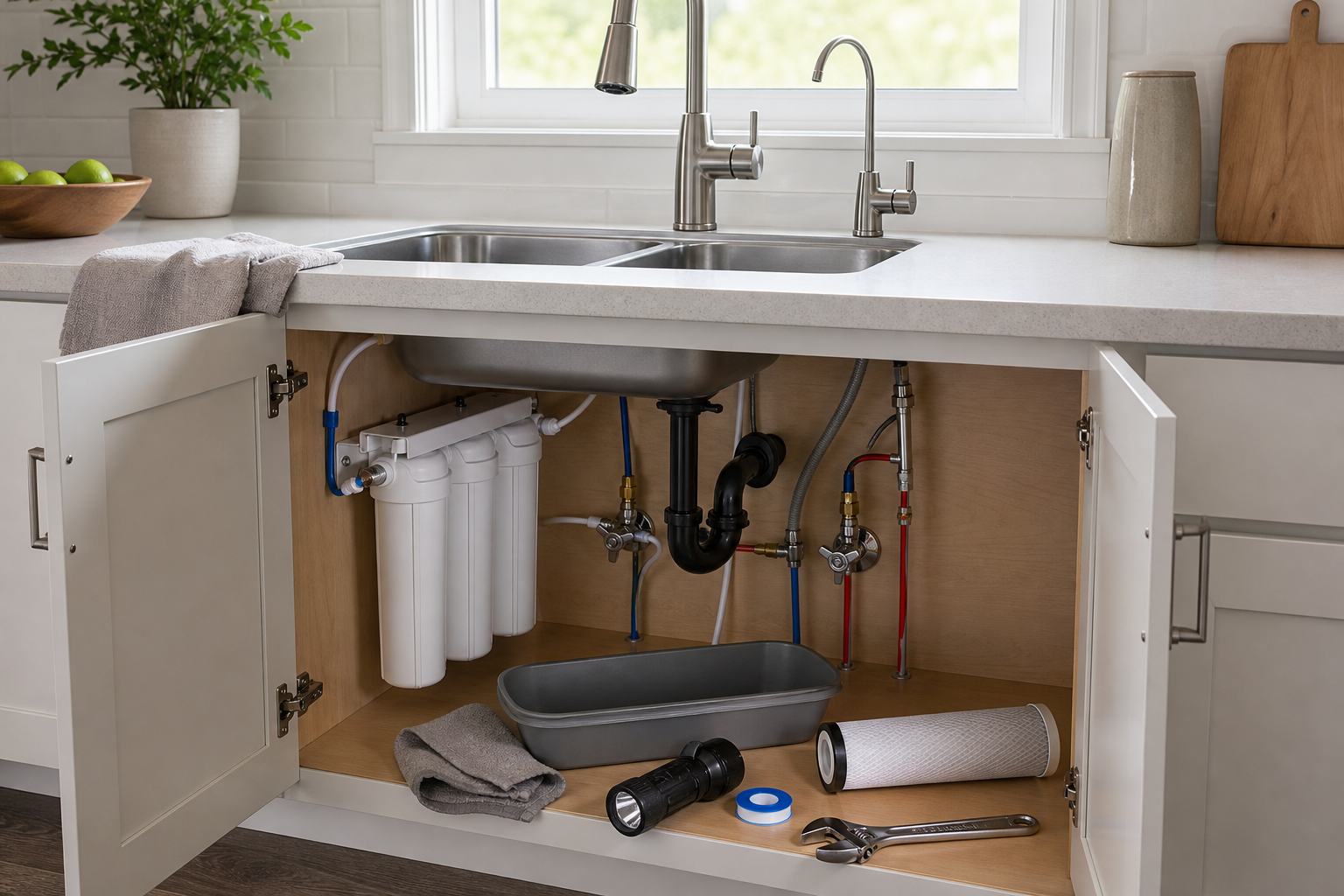
A water filter faucet has to match sink holes, countertop thickness, tubing, certification, filter capacity, and service access.
Read guide
Use water-quality reports, hardness symptoms, fixture scale, appliance manuals, and health caveats before deciding on softening equipment.
Read guide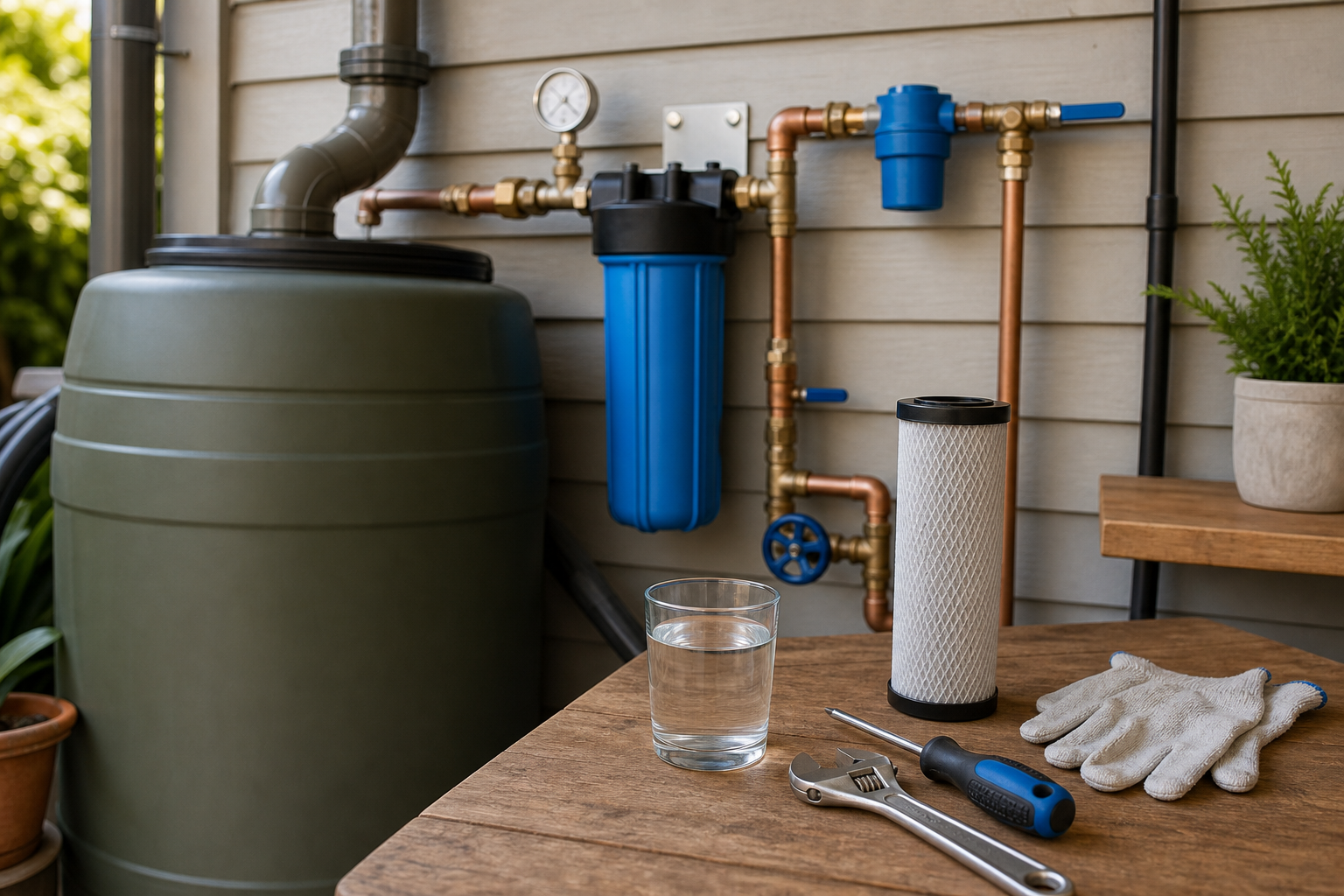
Filtering rainwater is a treatment train: screens, first flush, storage, filters, disinfection when needed, testing, maintenance, and code review.
Read guide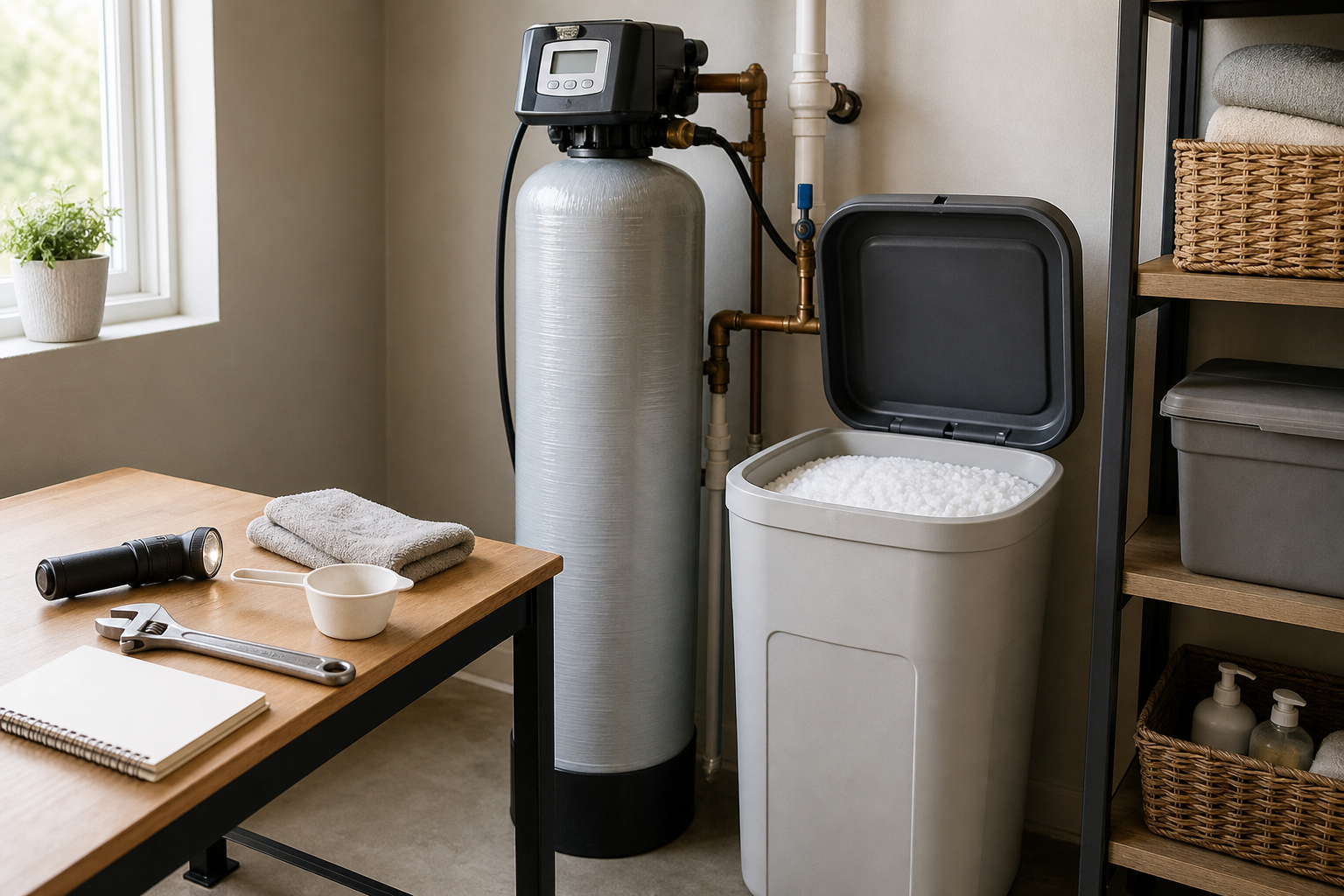
Observe salt level, salt bridges, bypass position, regeneration display, drain discharge, and water-quality changes without changing treatment chemistry blindly.
Read guide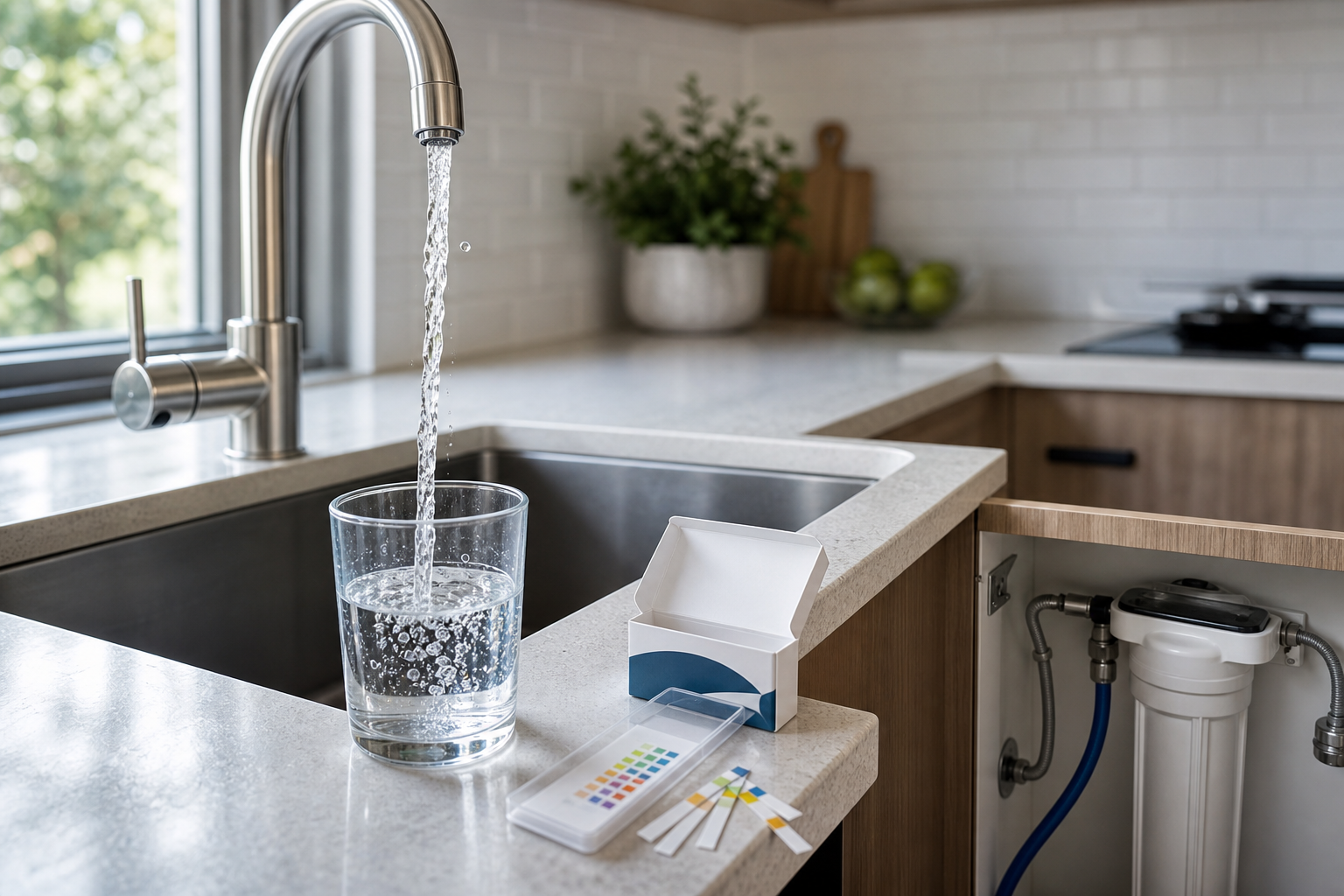
Water quality affects stains, scale, corrosion, odor, filters, softeners, and fixture life; use testing and utility reports rather than guesses.
Read guide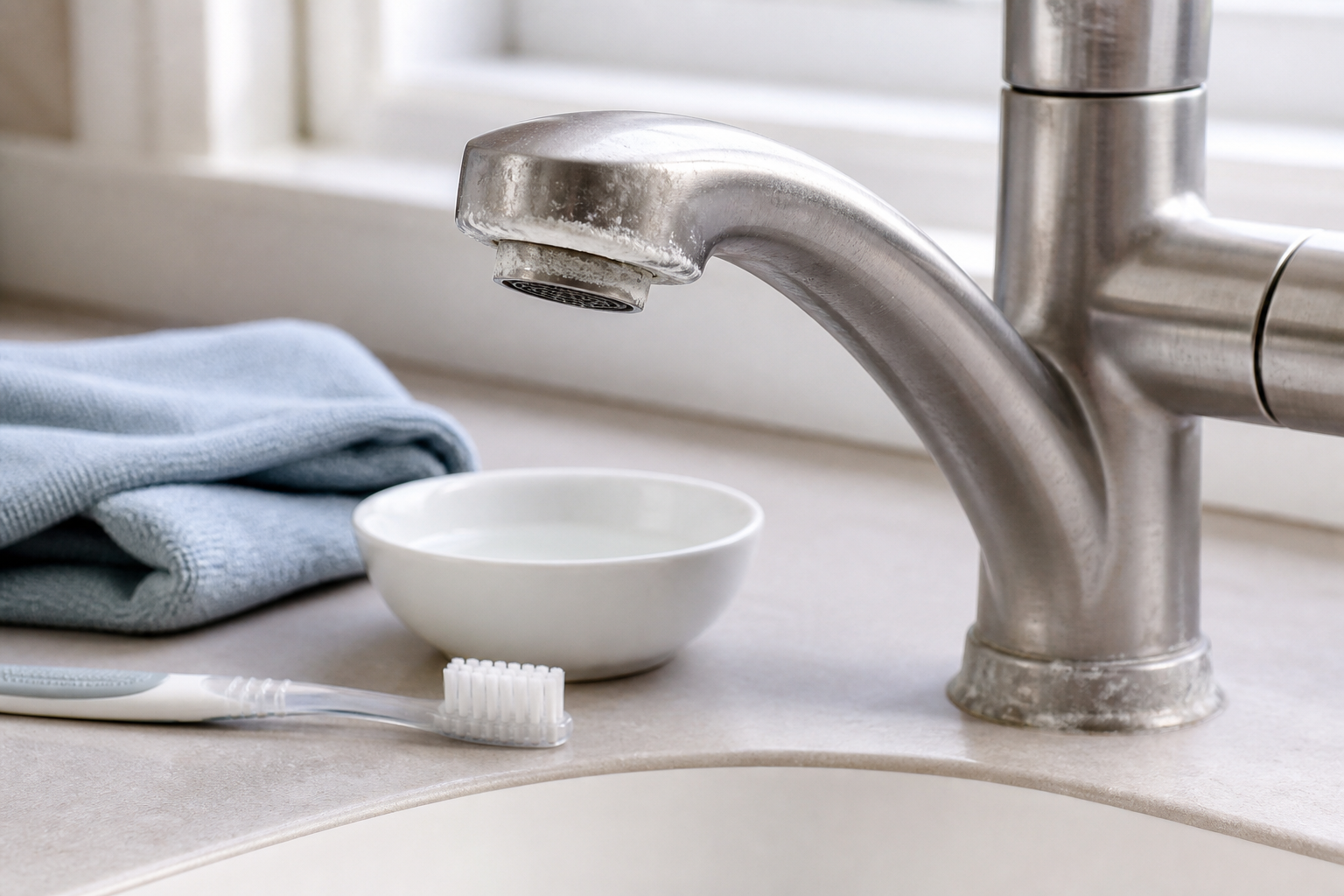
Clean faucet calcium buildup by identifying the finish, aerator style, and cleaner limits before using vinegar or descaler.
Read guide
Hard-water stains on glass need cleaner-label caution, ventilation, and surface protection; avoid mixing acids, bleach, or abrasives.
Read guide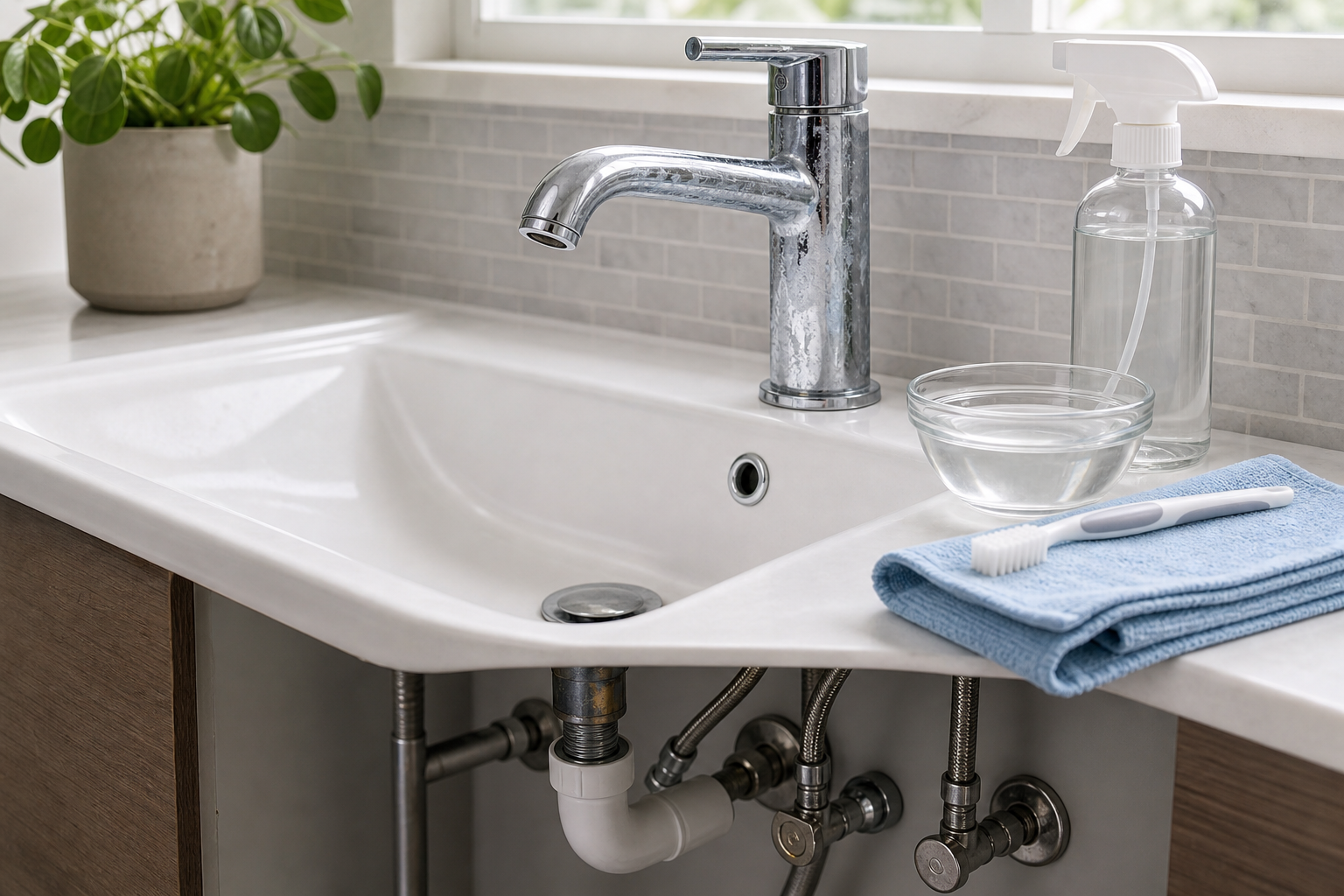
Prevent faucet calcium buildup with drying habits, finish-safe cleaners, aerator maintenance, and water testing when hard-water symptoms are whole-home.
Read guide
For fixture and shower-glass mineral spots, identify the finish or coating before using acids, abrasives, pumice, or commercial descalers.
Read guide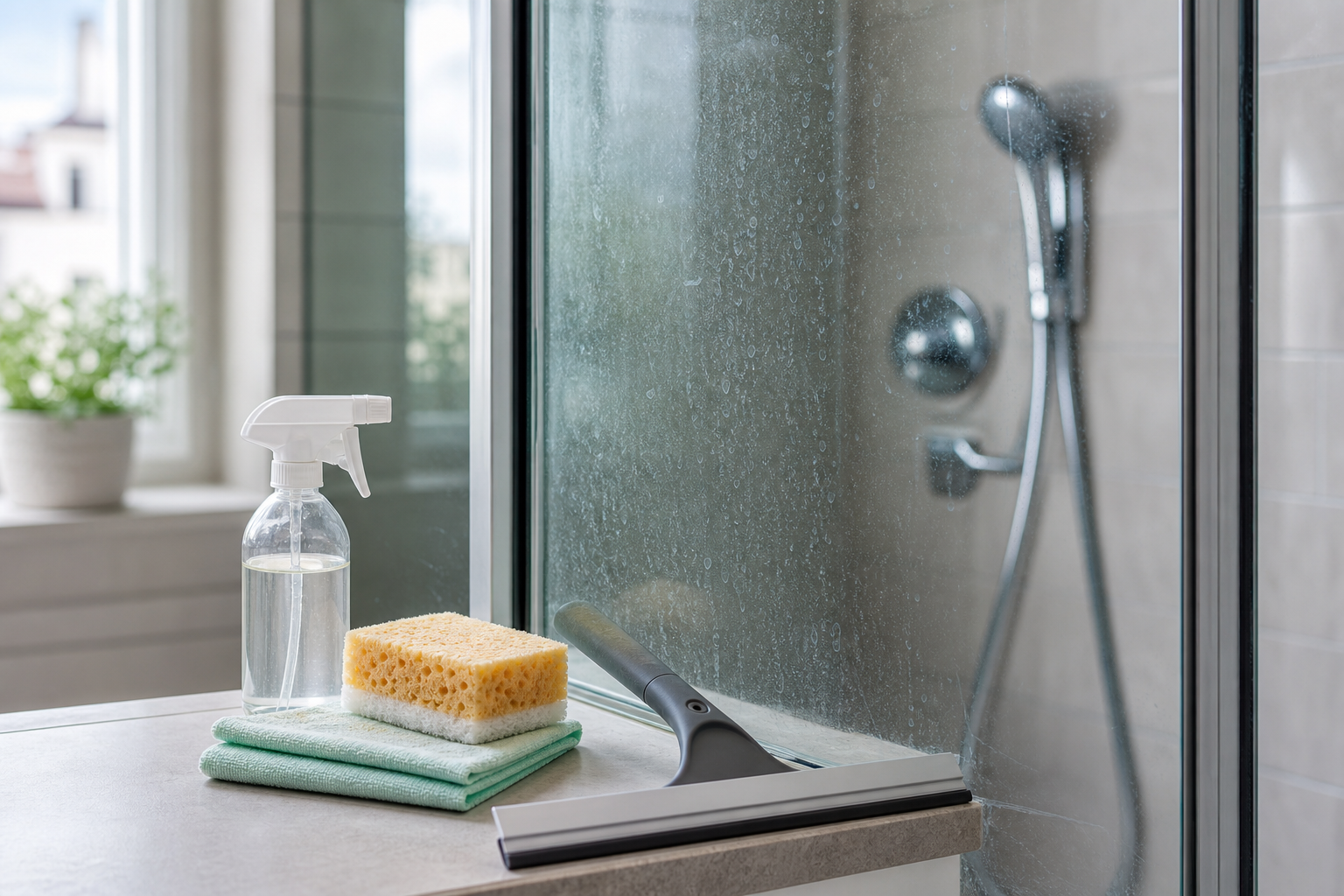
Hard-water stains on shower glass need glass/coating-safe cleaning, chemical-safety boundaries, and prevention—not aggressive scraping by default.
Read guide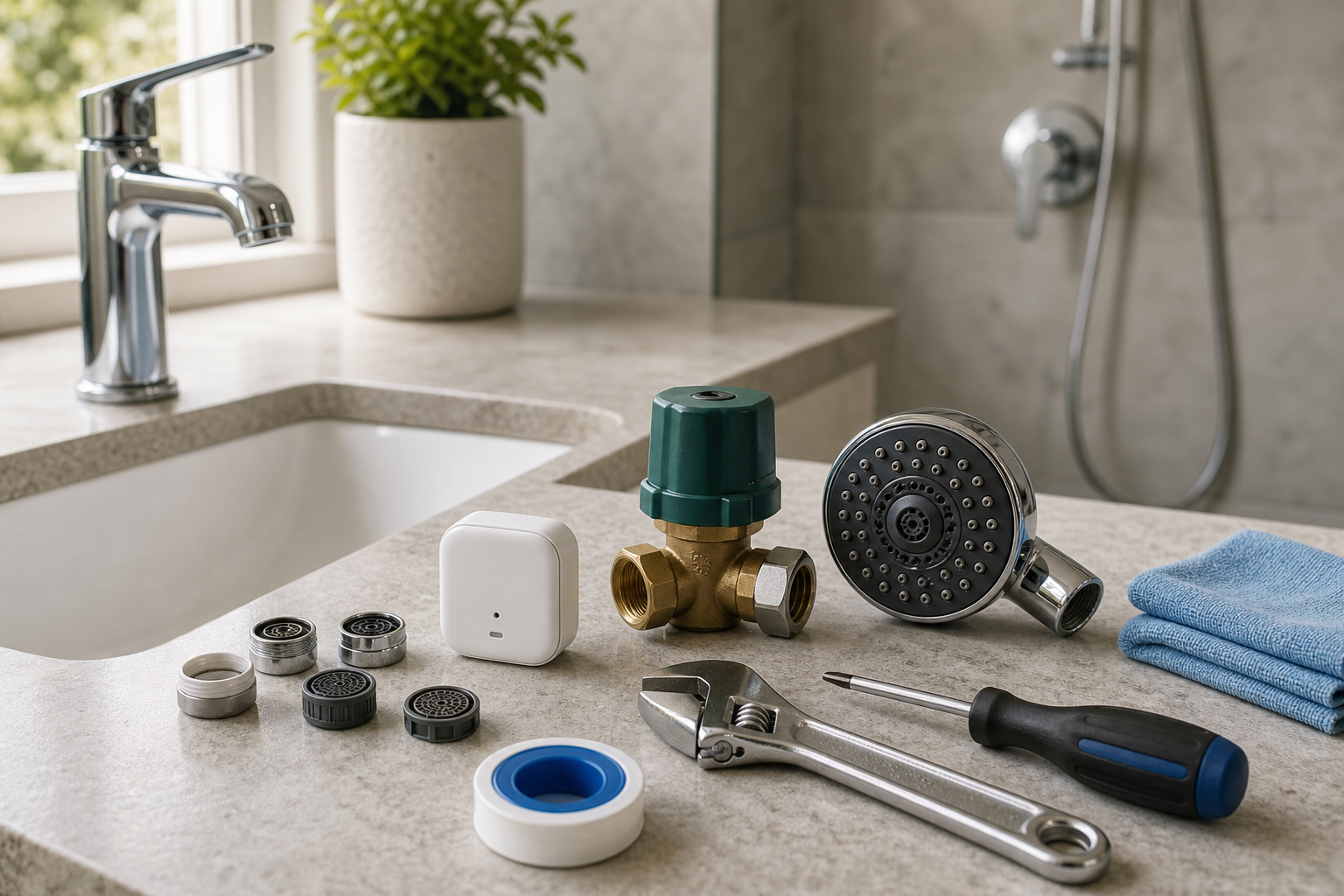
Compare aerators, showerheads, toilet repair parts, leak sensors, and smart shutoff valves by fit, source support, installation risk, and rebate eligibility.
Read guide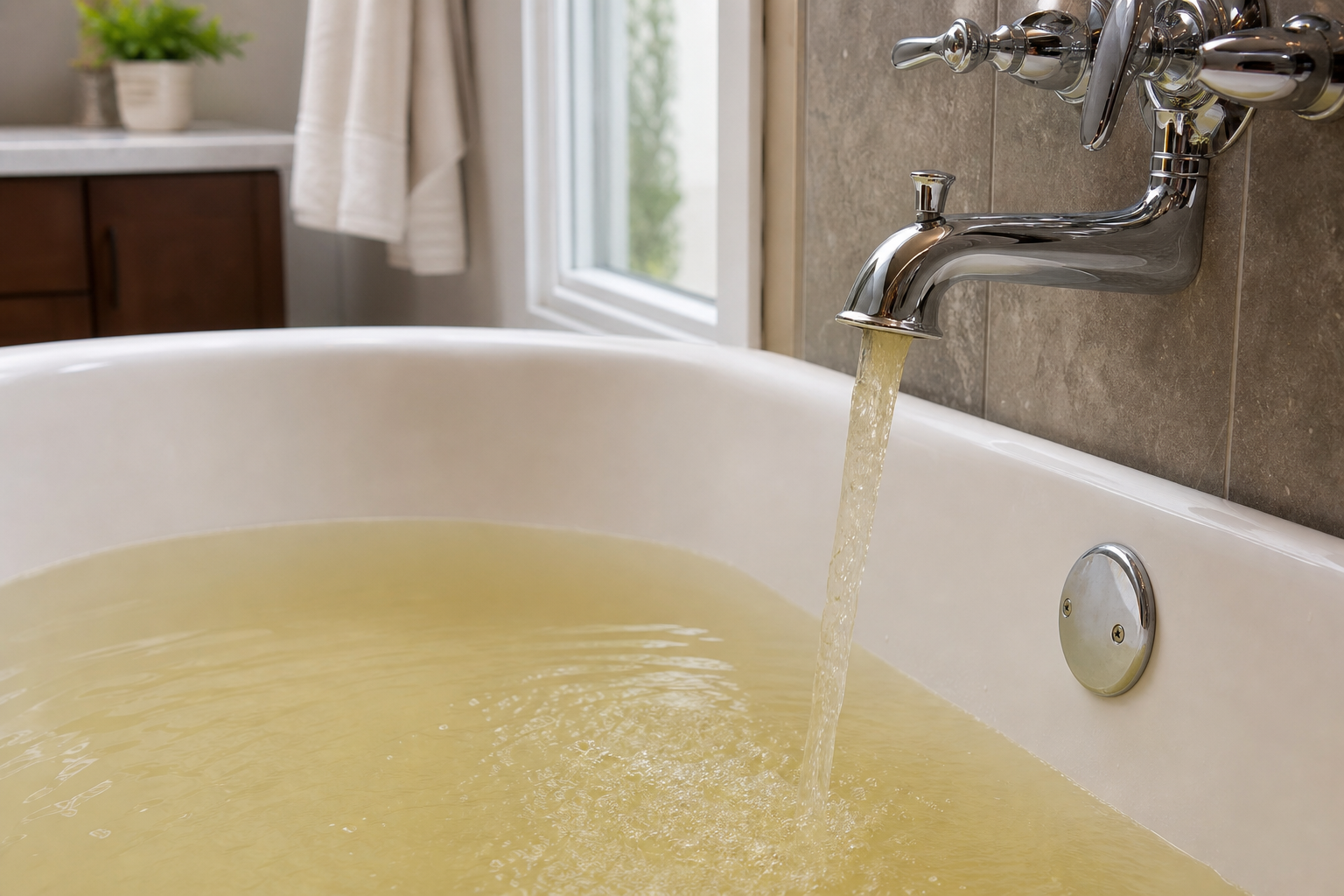
Yellow bathwater may be hot-only, cold-only, fixture-specific, utility-related, or well-water related; avoid guessing before checking the pattern.
Read guide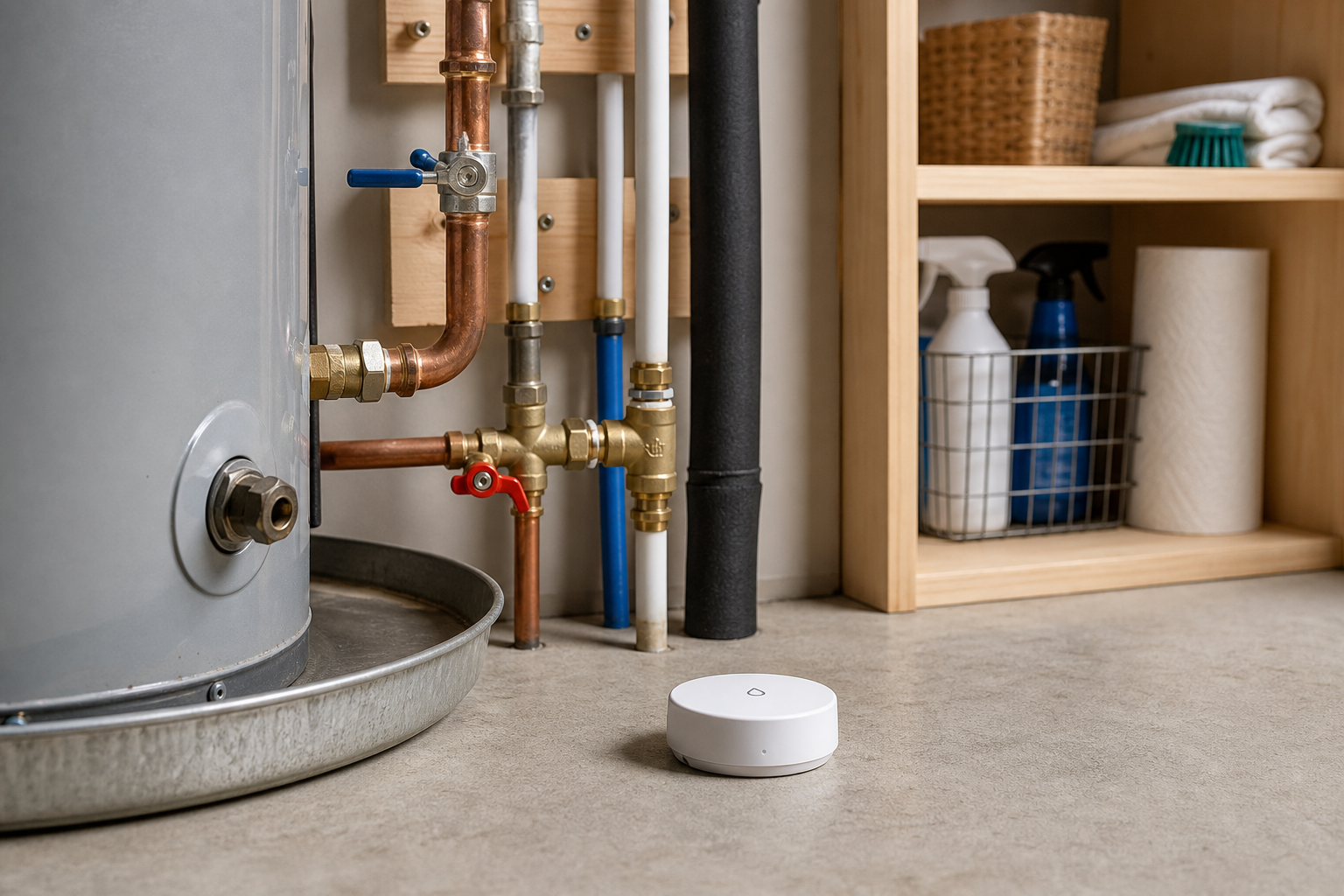
Compare leak detector types by placement, alarms, app reliability, shutoff capability, and installation requirements without product rankings.
Read guide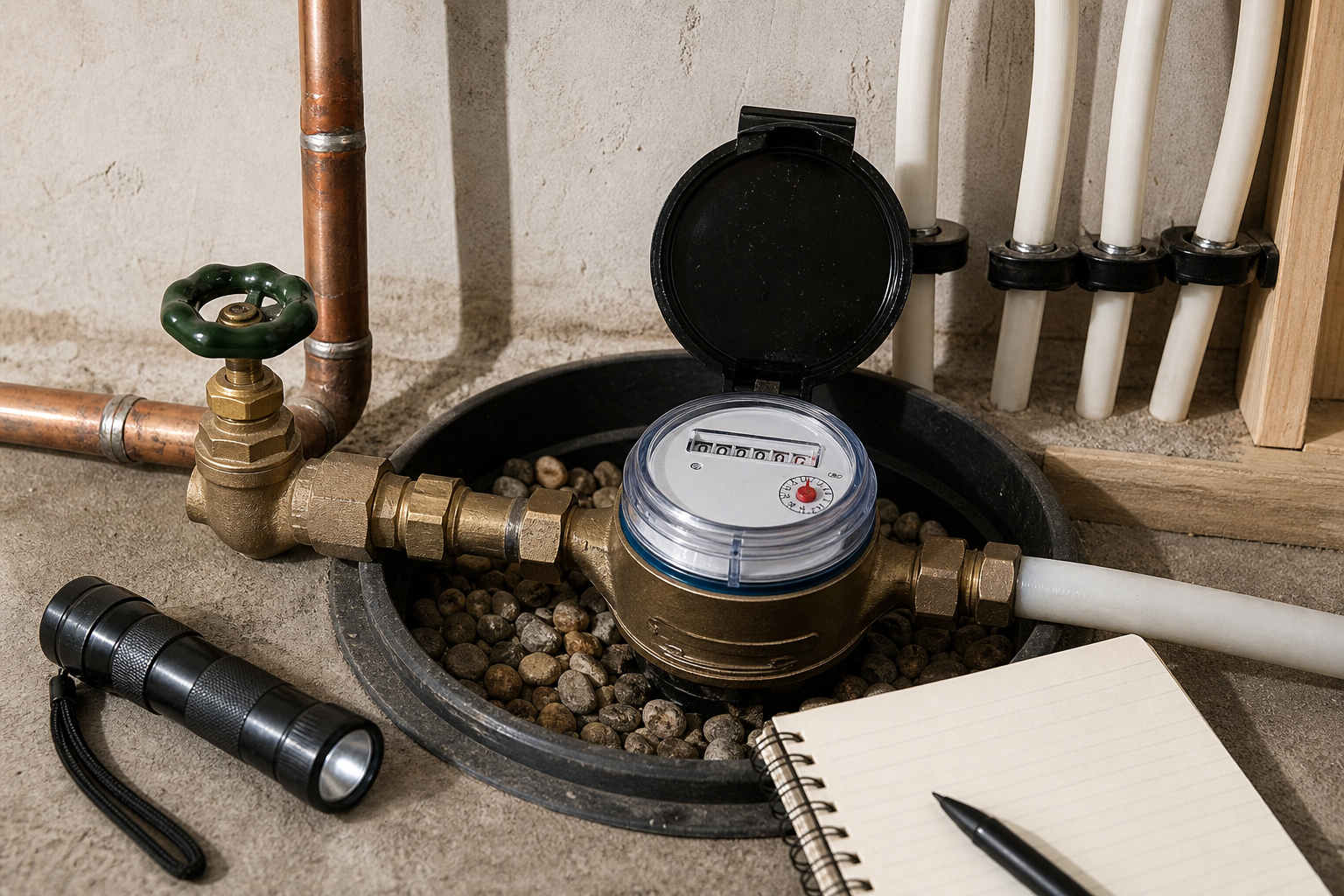
A water meter can help separate normal usage from a possible leak, but meter styles and utility rules vary; record readings before assuming the source.
Read guide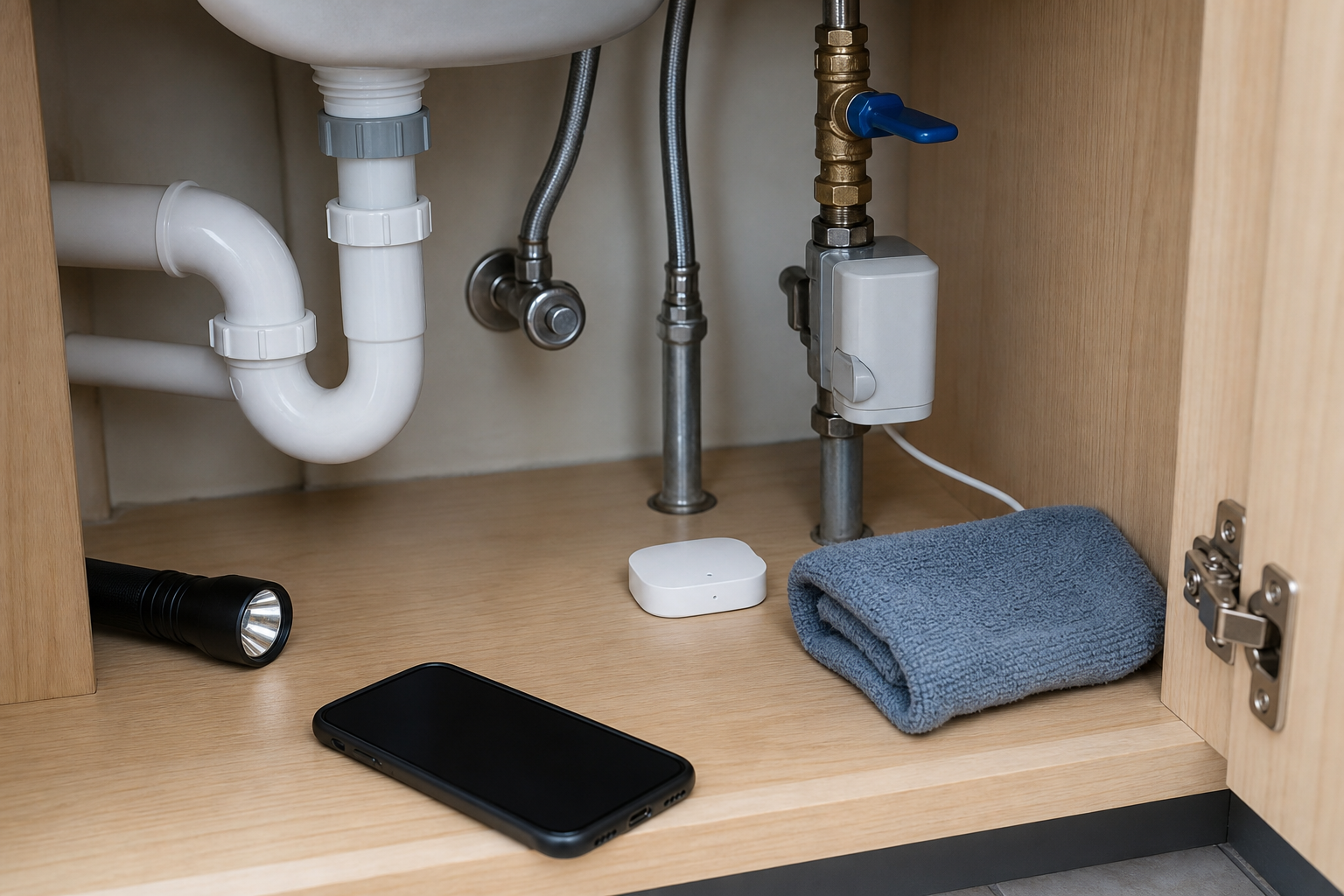
Smart plumbing products can alert you to leaks or shut off water, but compatibility, power, Wi-Fi, valve access, and manual overrides matter.
Read guide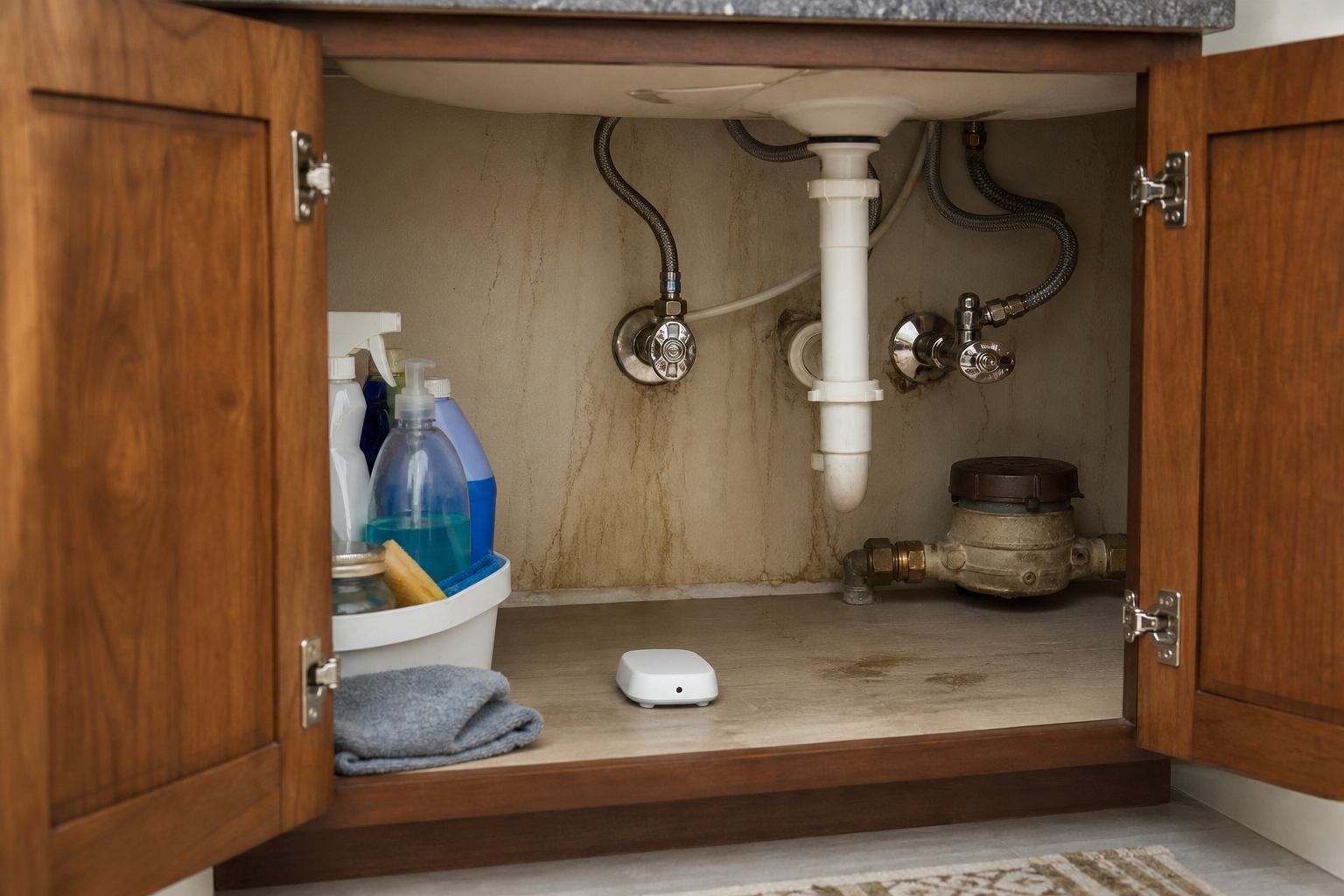
Find early leak clues by checking visible fixtures, meter behavior, sensors, stains, and shutoff location before opening walls or ceilings.
Read guide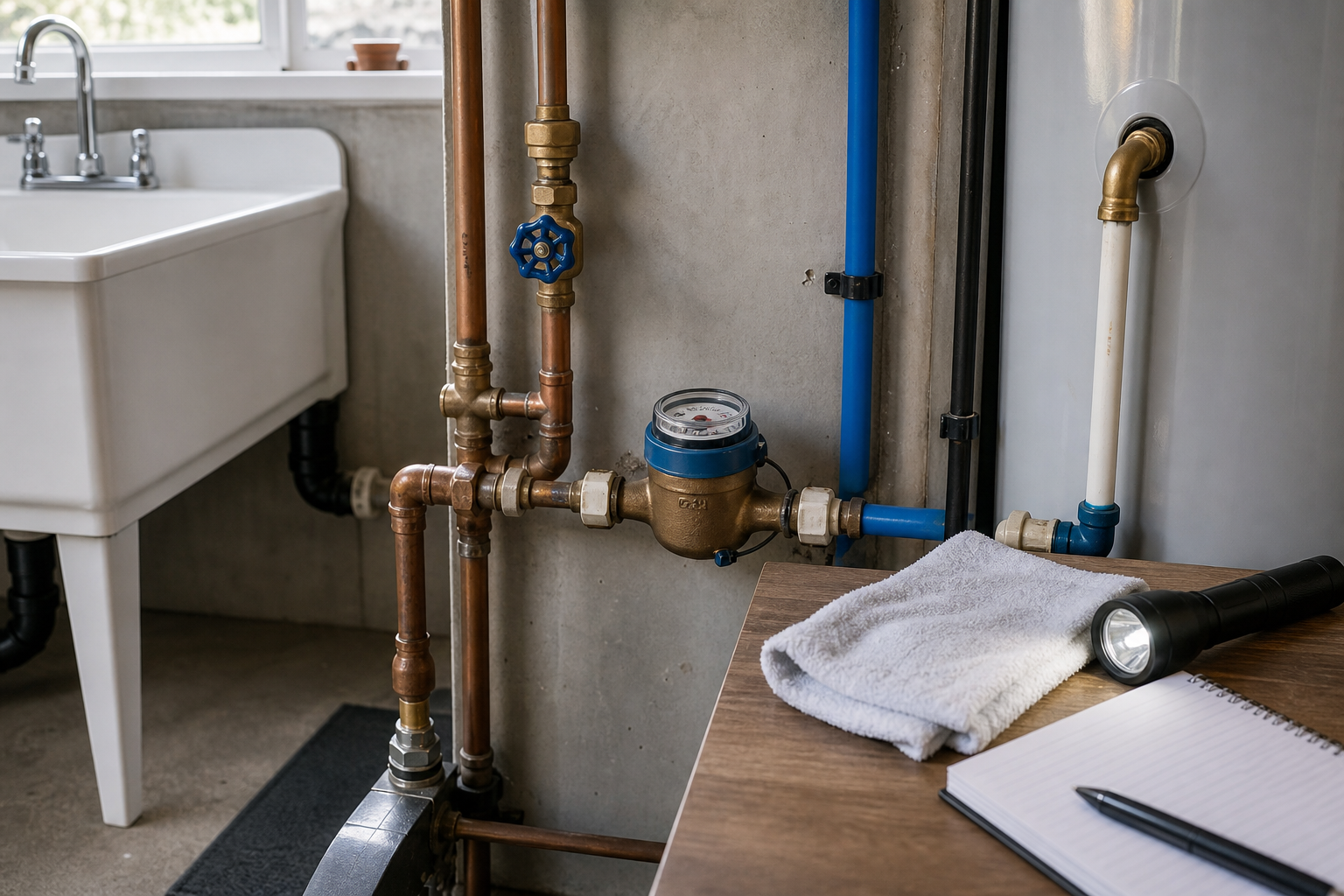
A sudden high water bill can come from toilets, irrigation, hose bibs, appliances, seasonal use, estimated billing, or hidden leaks.
Read guide
Black water can come from minerals, plumbing work, filters, rubber parts, or water-heater issues; stop using it for drinking until you identify the pattern.
Read guide
Discolored tap water can come from utility work, fixture-specific sediment, hot-water issues, corrosion, or private-well water quality.
Read guide
Rust stains from well water usually need iron/manganese testing, pH context, fixture protection, and treatment-system maintenance planning.
Read guide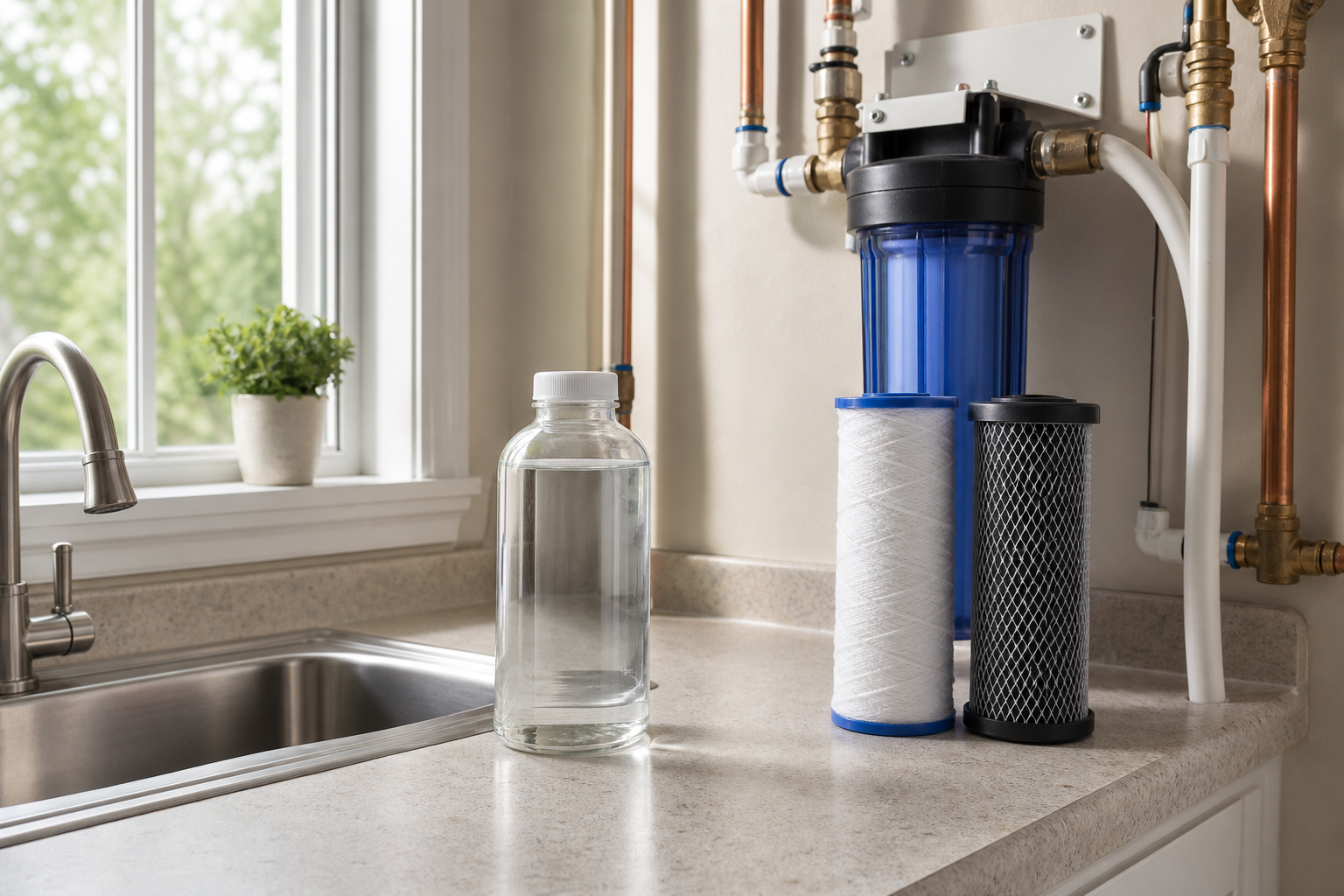
Private-well treatment starts with certified testing, not a product purchase; bacteria, nitrate, arsenic, lead, pH, hardness, iron, and manganese require different…
Read guide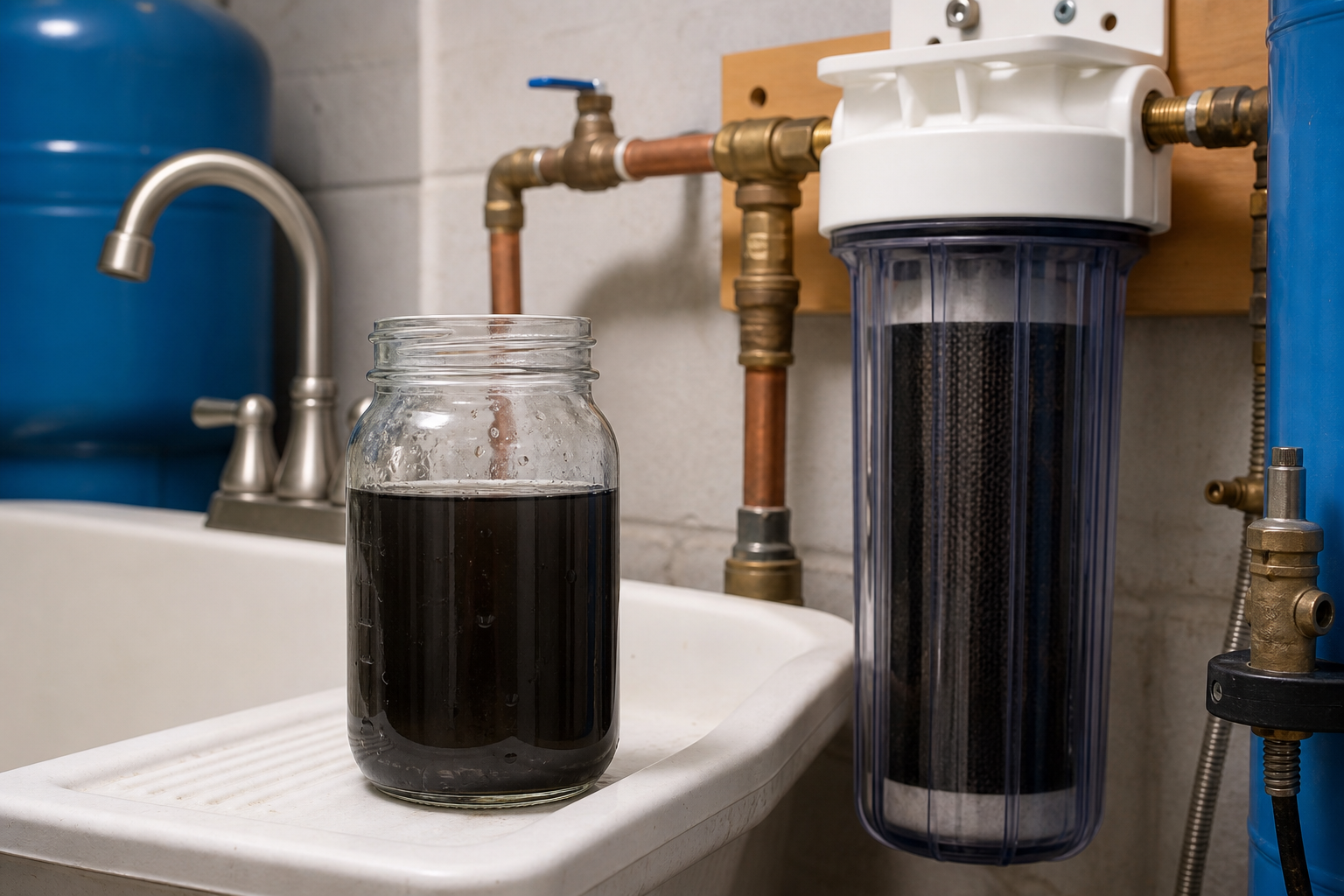
Black well water can involve manganese/iron, sediment, carbon filters, plumbing corrosion, or treatment equipment; avoid drinking until assessed.
Read guide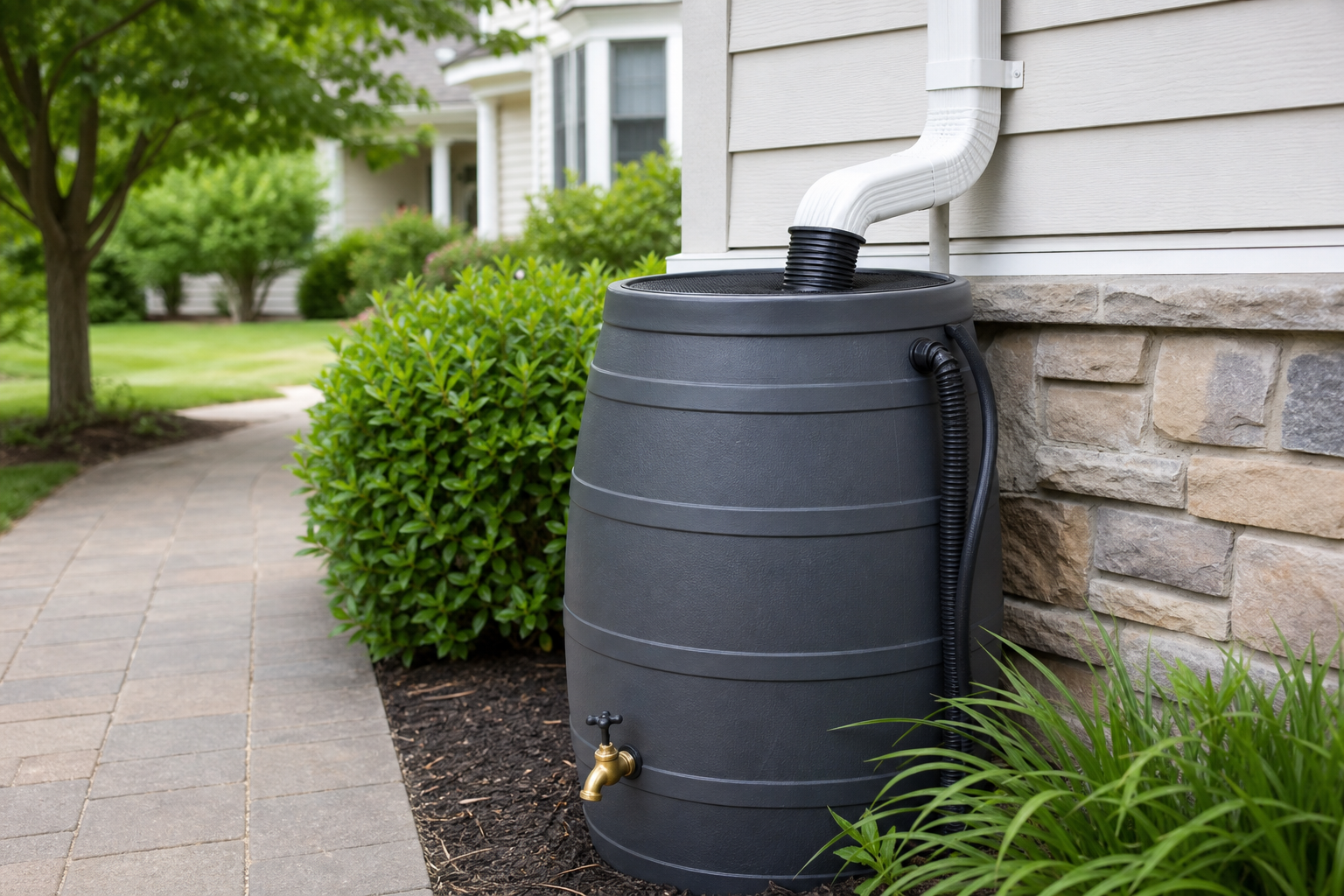
Rainwater collection rules depend on state and local law, intended use, plumbing separation, public-health guidance, and site-specific requirements; check the local authority before installation.
Read guide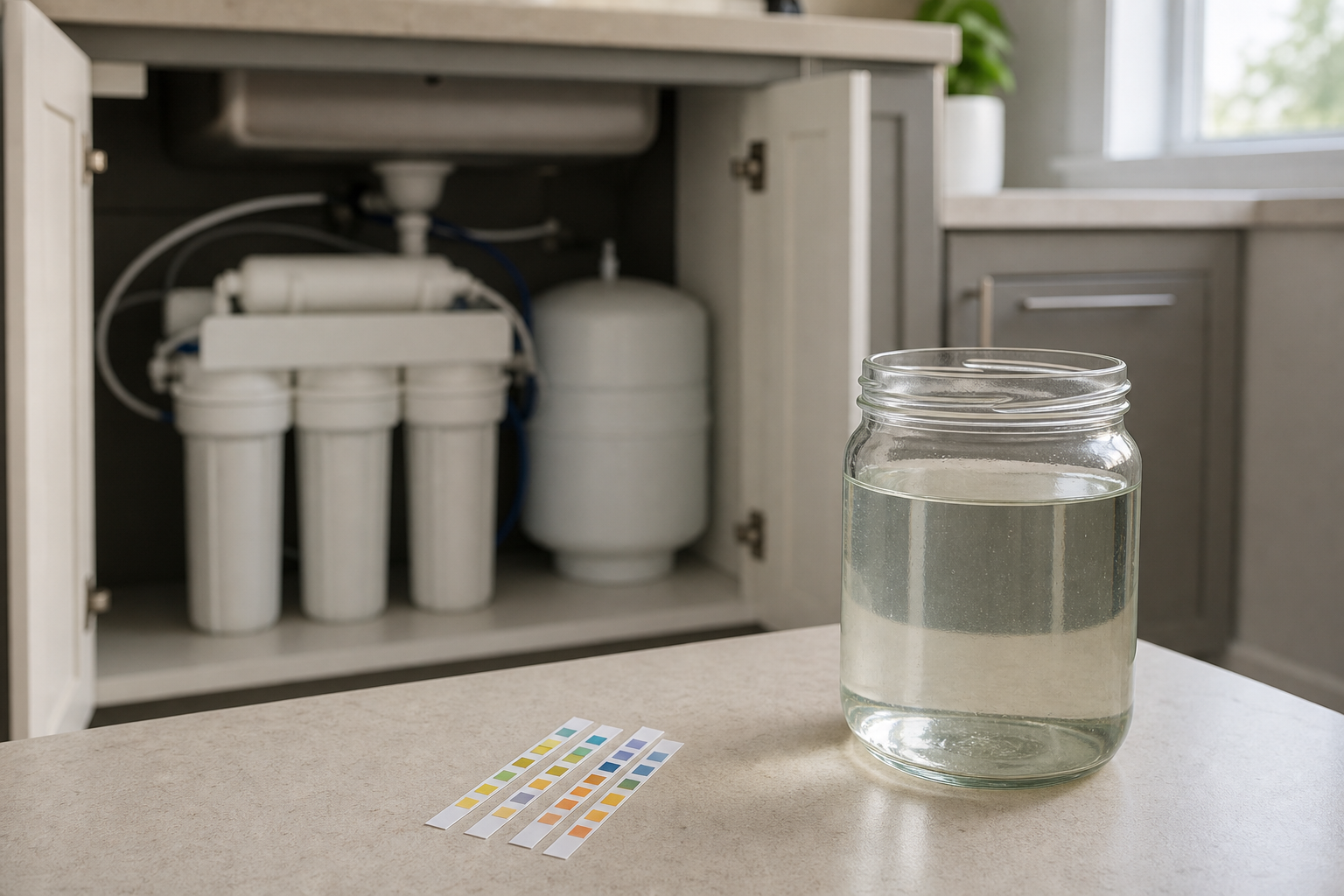
Rainwater safety depends on collection surface, storage, testing, treatment, and requirements adopted by the local authority having jurisdiction; untreated roof runoff…
Read guide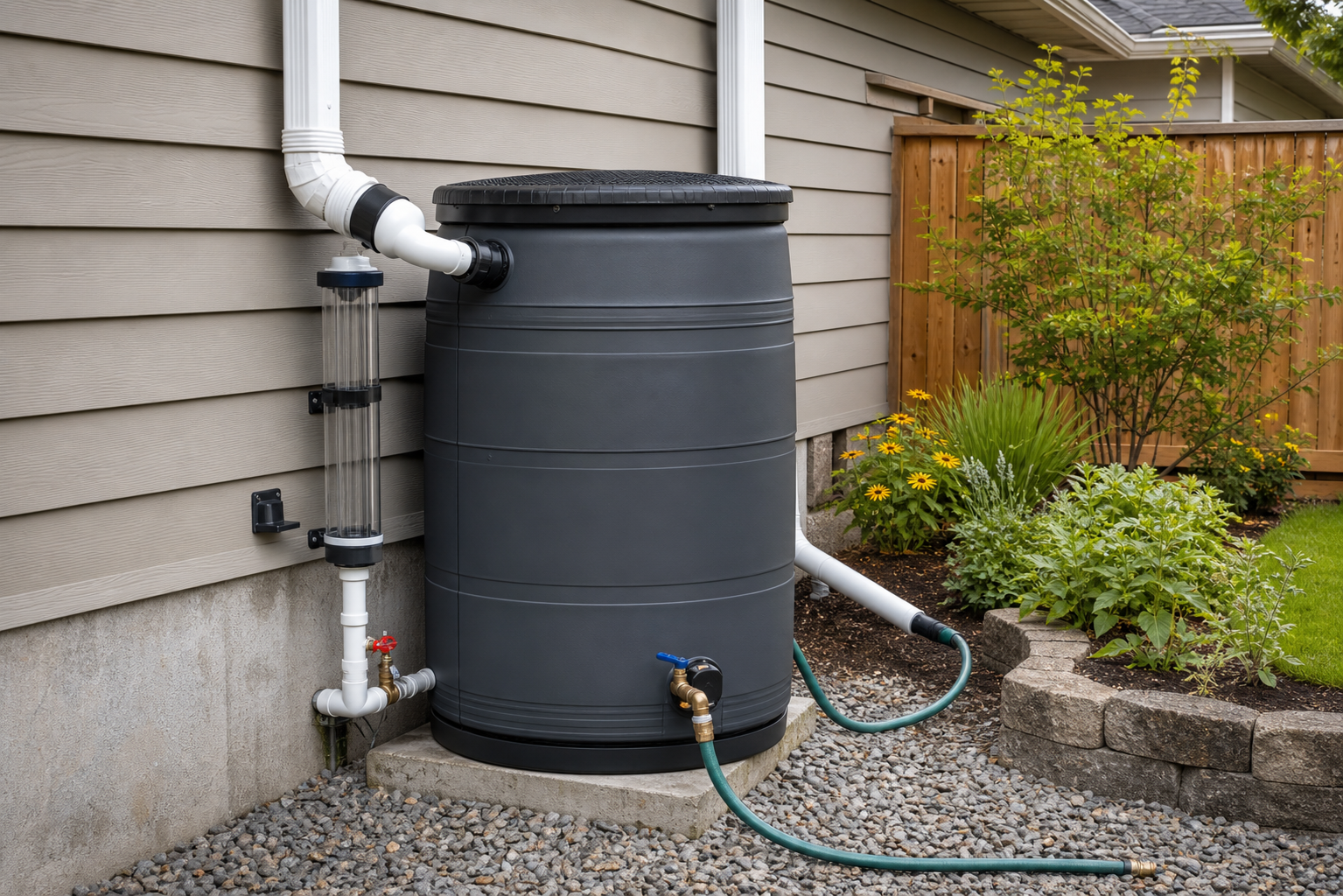
Rainwater collection planning should start with legal use, roof/material safety, first-flush/debris control, tank access, overflow, and non-potable labeling.
Read guide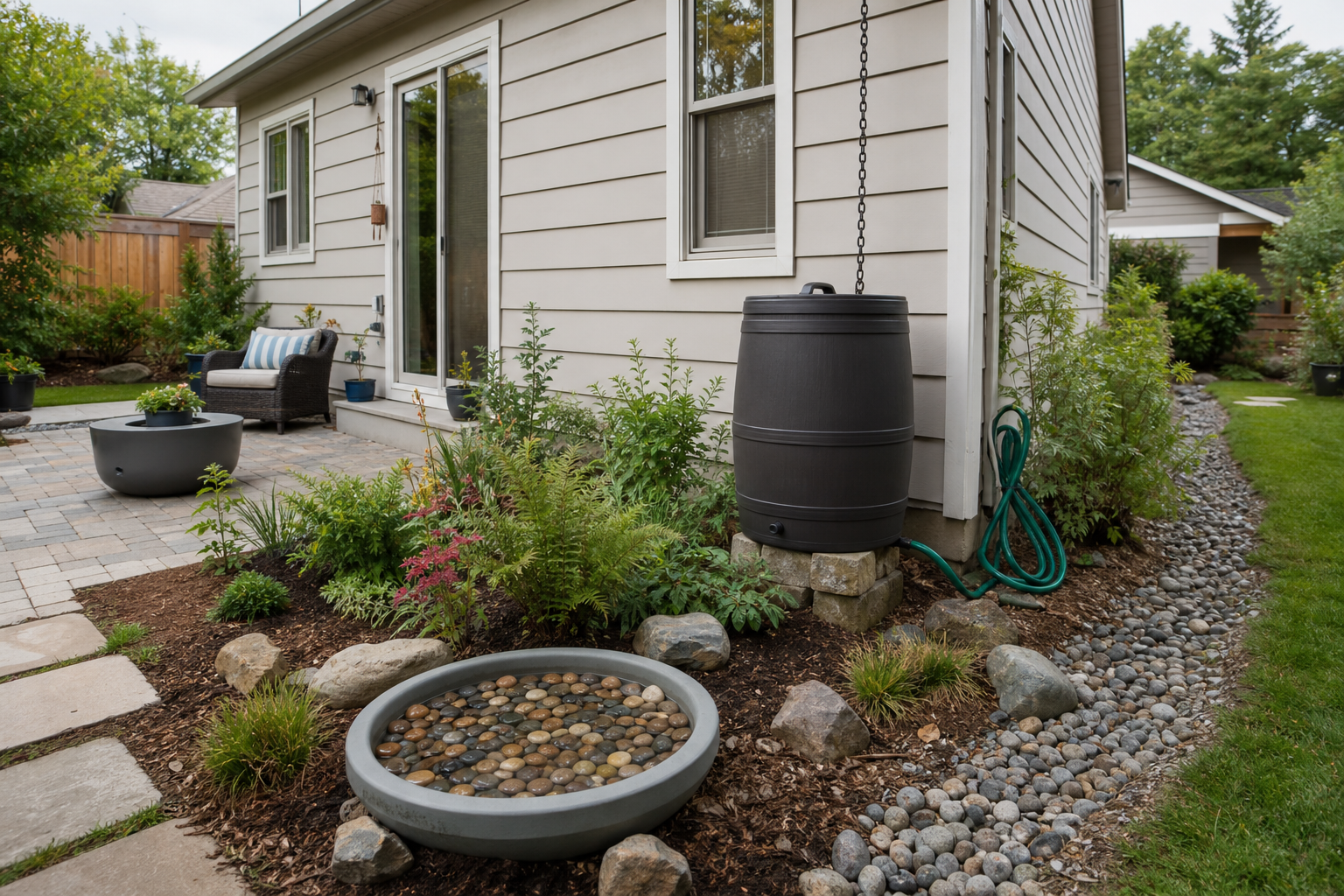
Collecting rainwater without gutters is limited and can increase contamination, erosion, or foundation risk; plan safe non-potable use only.
Read guide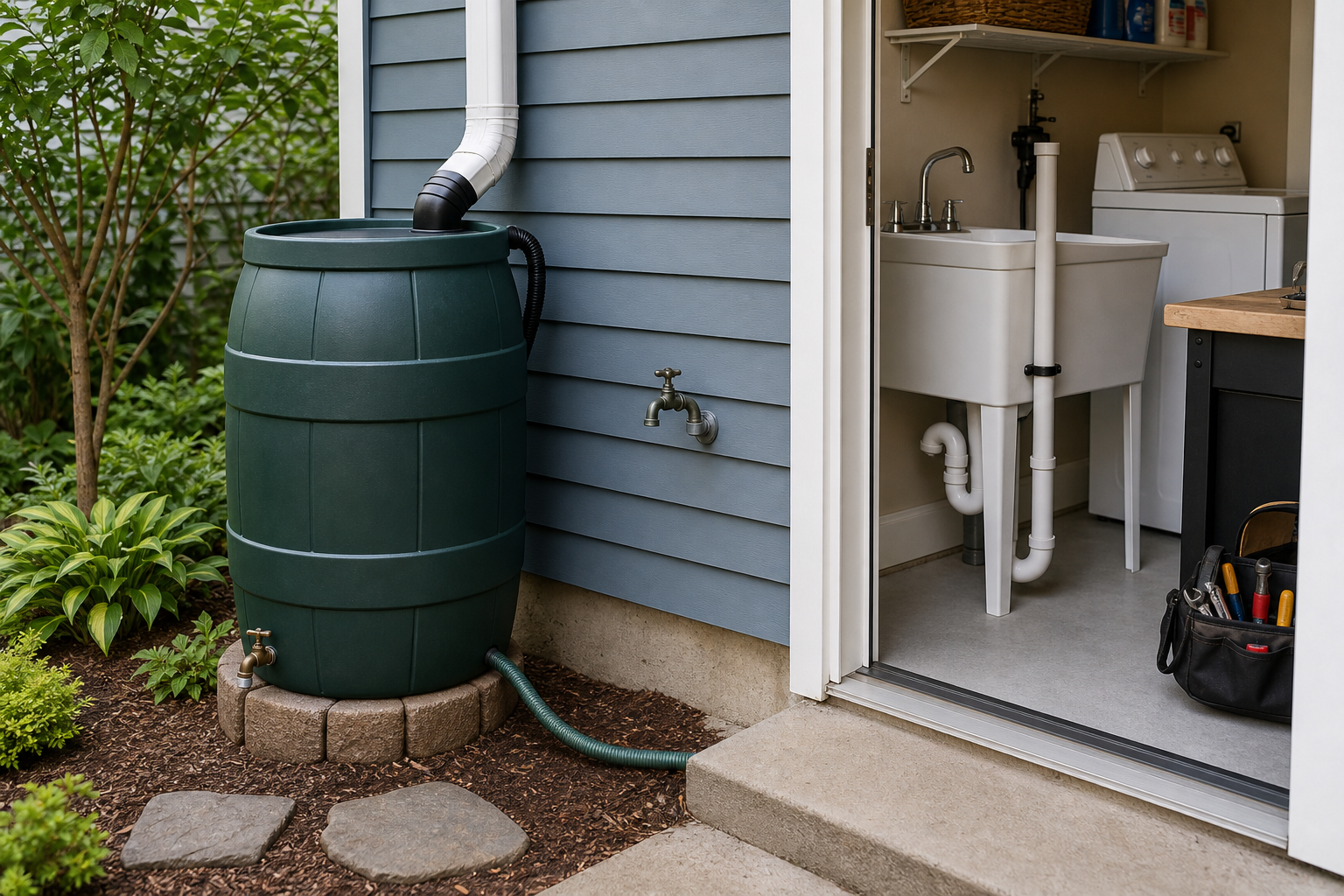
Rainwater and greywater are different water sources with different health, code, storage, and plumbing restrictions; do not cross-connect them with drinking water.
Read guide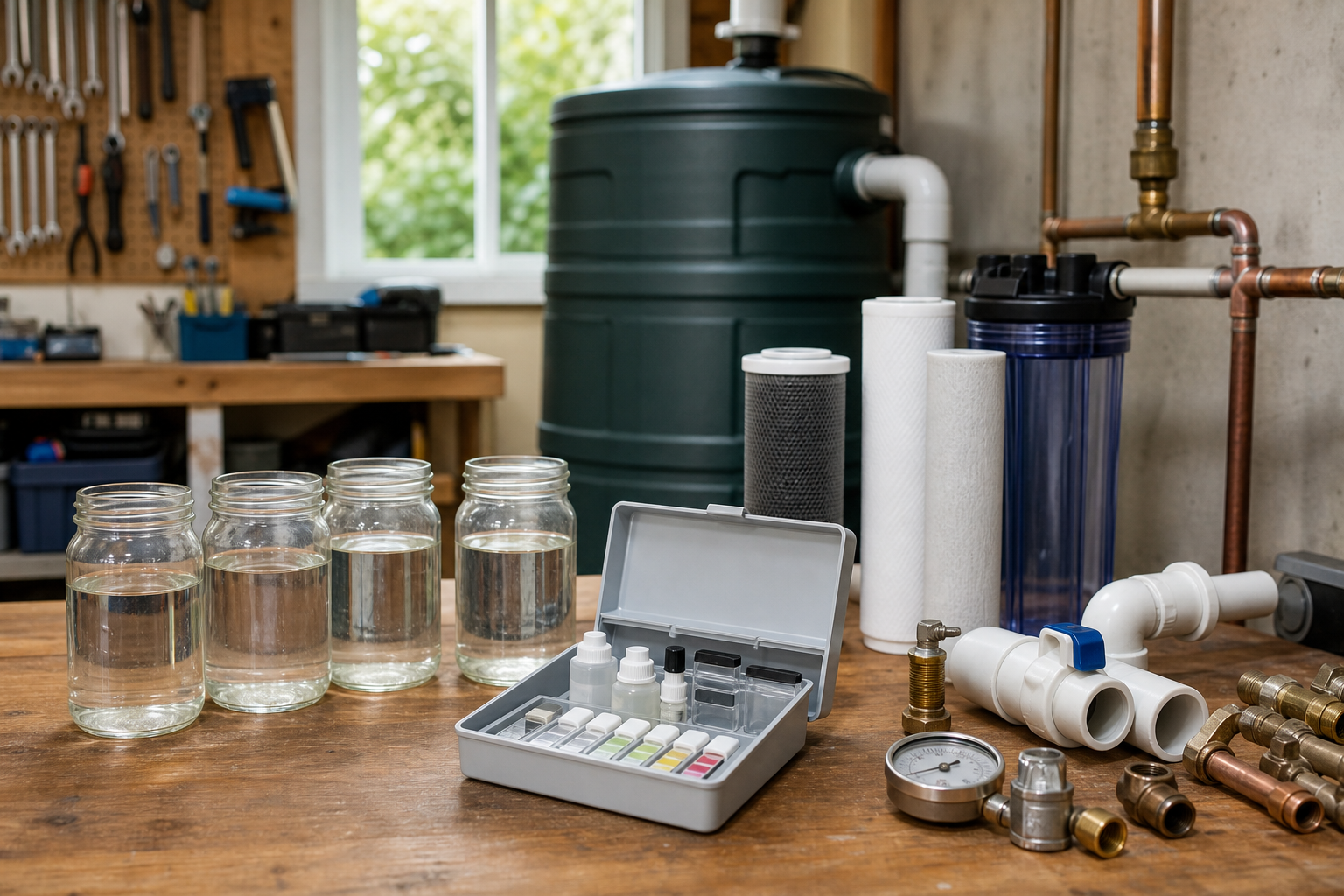
Rainwater purification starts with intended use, requirements adopted by the local authority having jurisdiction, source conditions, lab testing, and qualified treatment…
Read guide