Maintenance
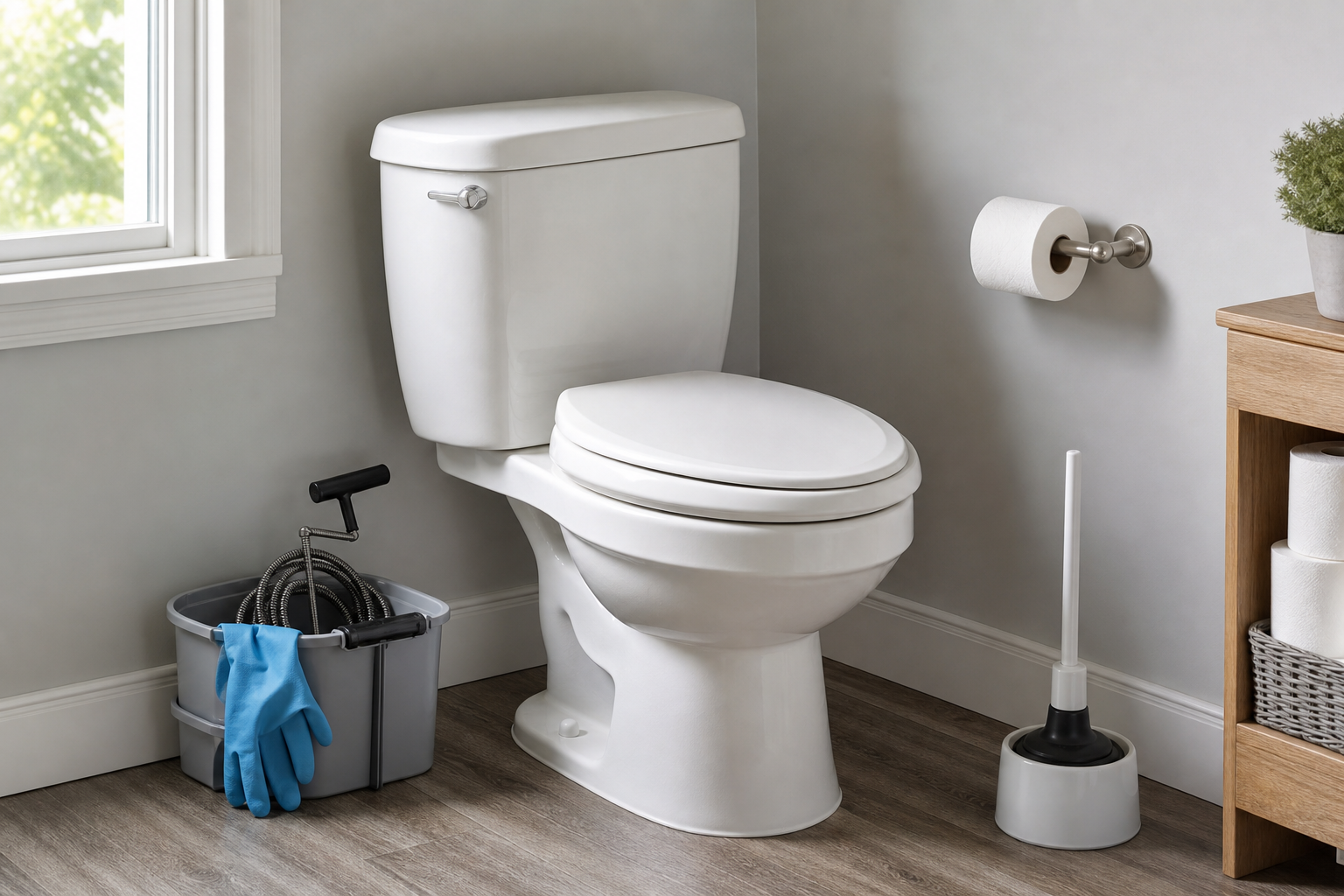
Common Reasons Toilets Clog Frequently: Safe Pattern Checklist
Frequent toilet clogs can point to paper volume, weak flush, object obstruction, drain/vent issues, or main-line/septic warning signs.
Read guideHomeowner plumbing guides
Plan seasonal checks, locate shutoffs, document symptoms, and decide when a plumbing problem is urgent.
Do not force a stuck shutoff valve or delay professional help for flooding, sewage, fuel odor, or water near electrical equipment.
Choose the guide that best matches the fixture, symptom, or decision in front of you.
Frequent toilet clogs can point to paper volume, weak flush, object obstruction, drain/vent issues, or main-line/septic warning signs.
Read guide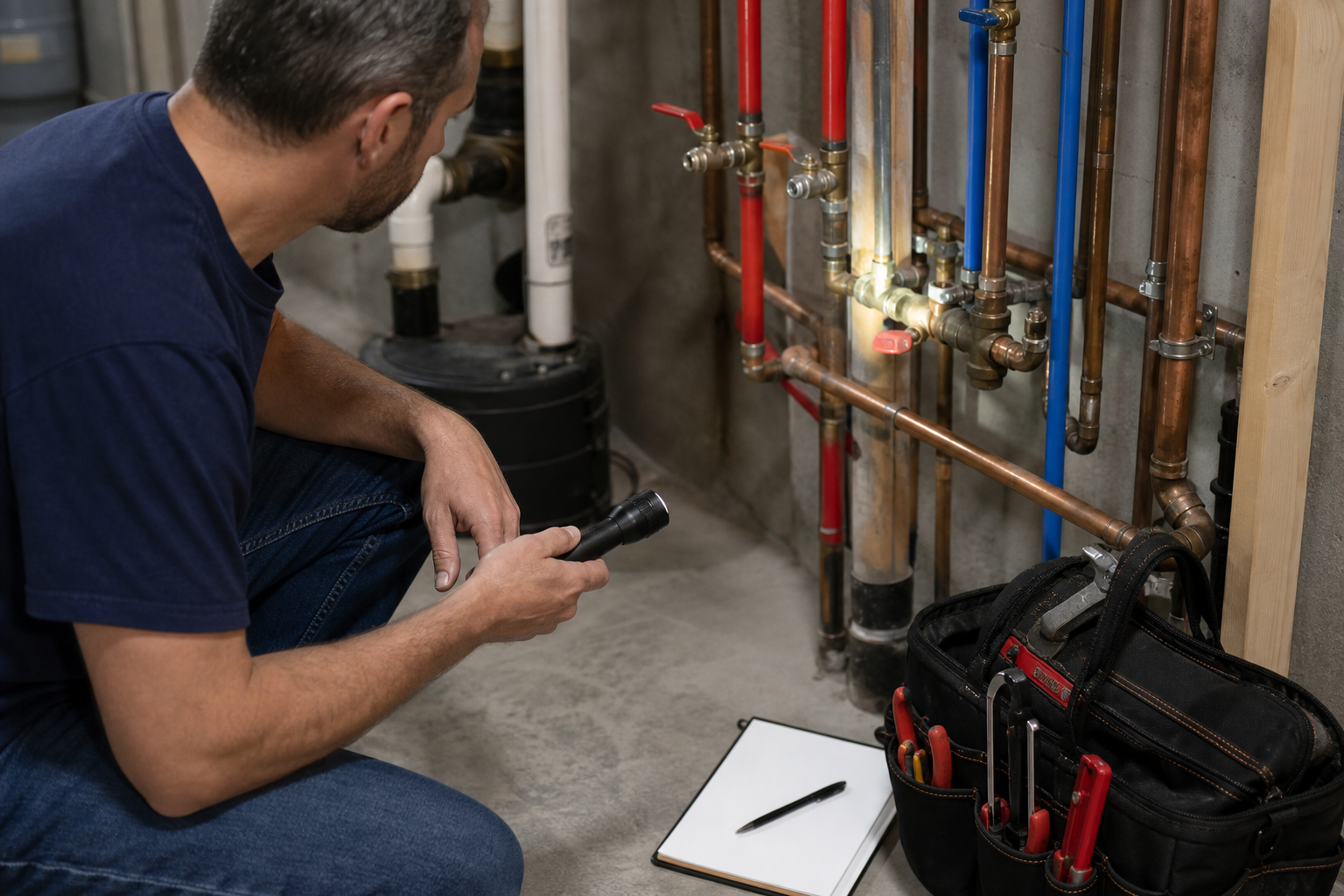
Homeowners can inspect visible fixtures, stains, odors, and shutoff access, while hidden leaks, sewer, gas, and code issues need qualified pros.
Read guide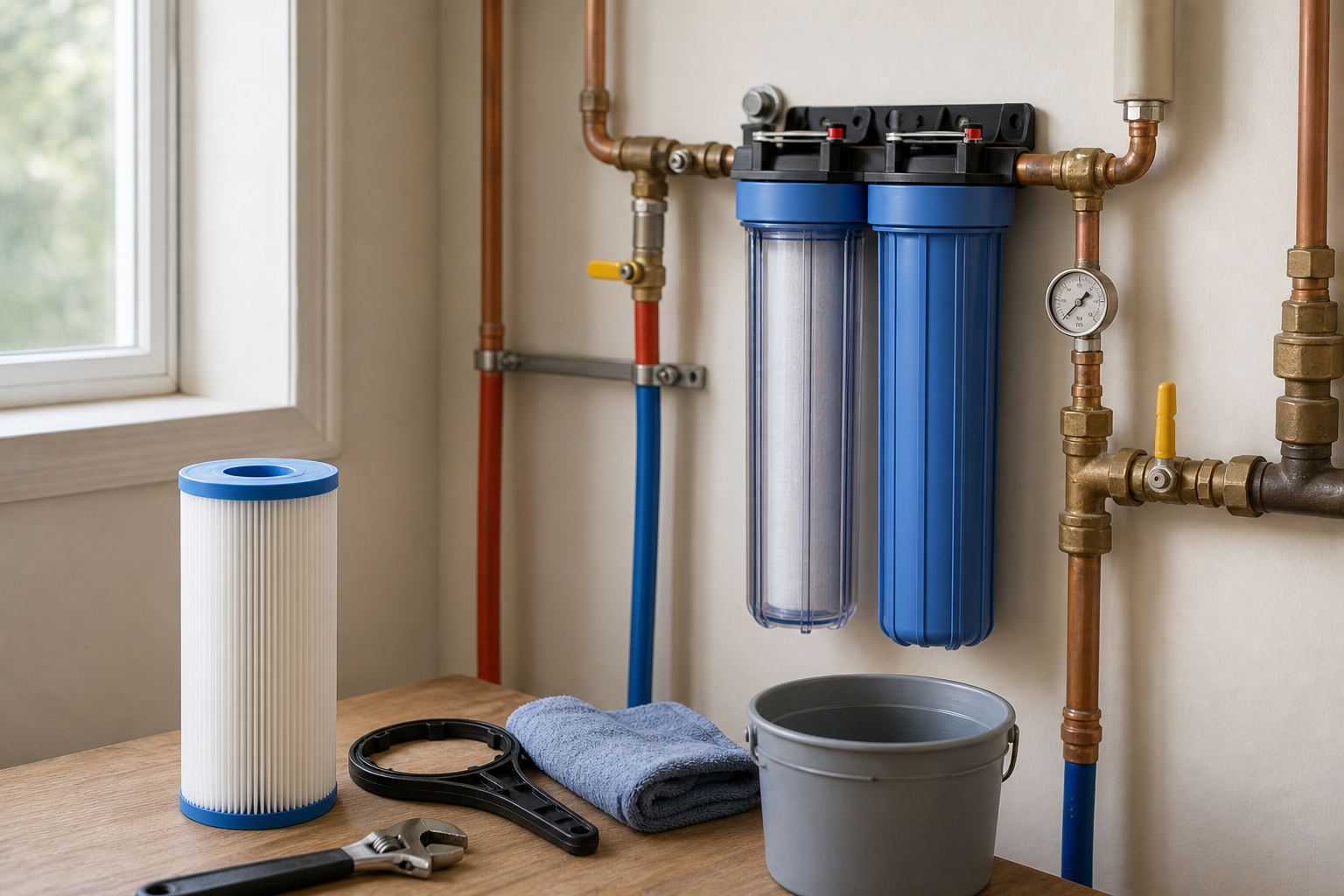
Whole-home filter timing depends on filter type, pressure drop, water quality, household use, and the exact model-specific installation document—not one universal…
Read guide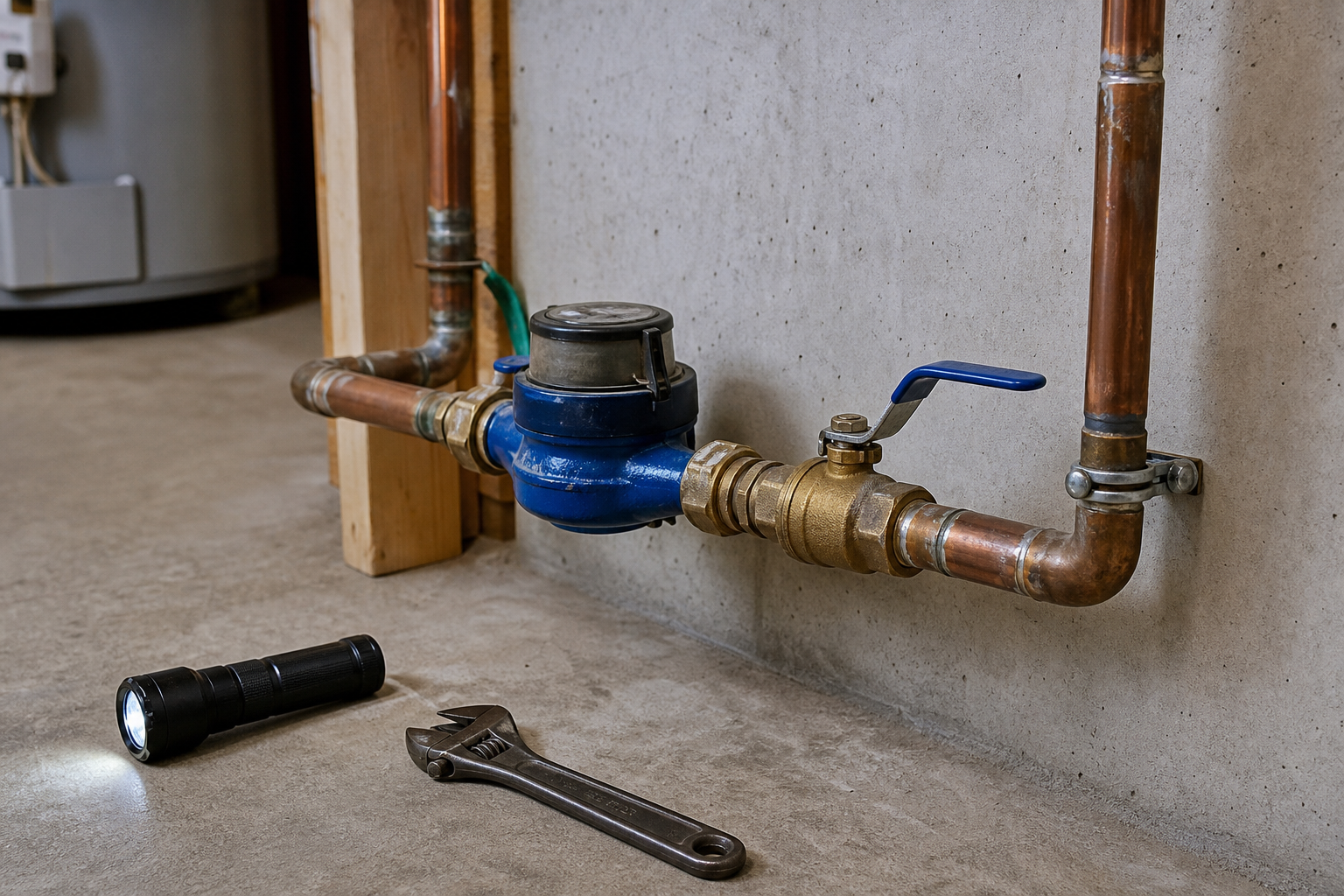
Learn where main shutoffs are usually found, how to identify valve types, and when not to force a stuck or leaking valve.
Read guide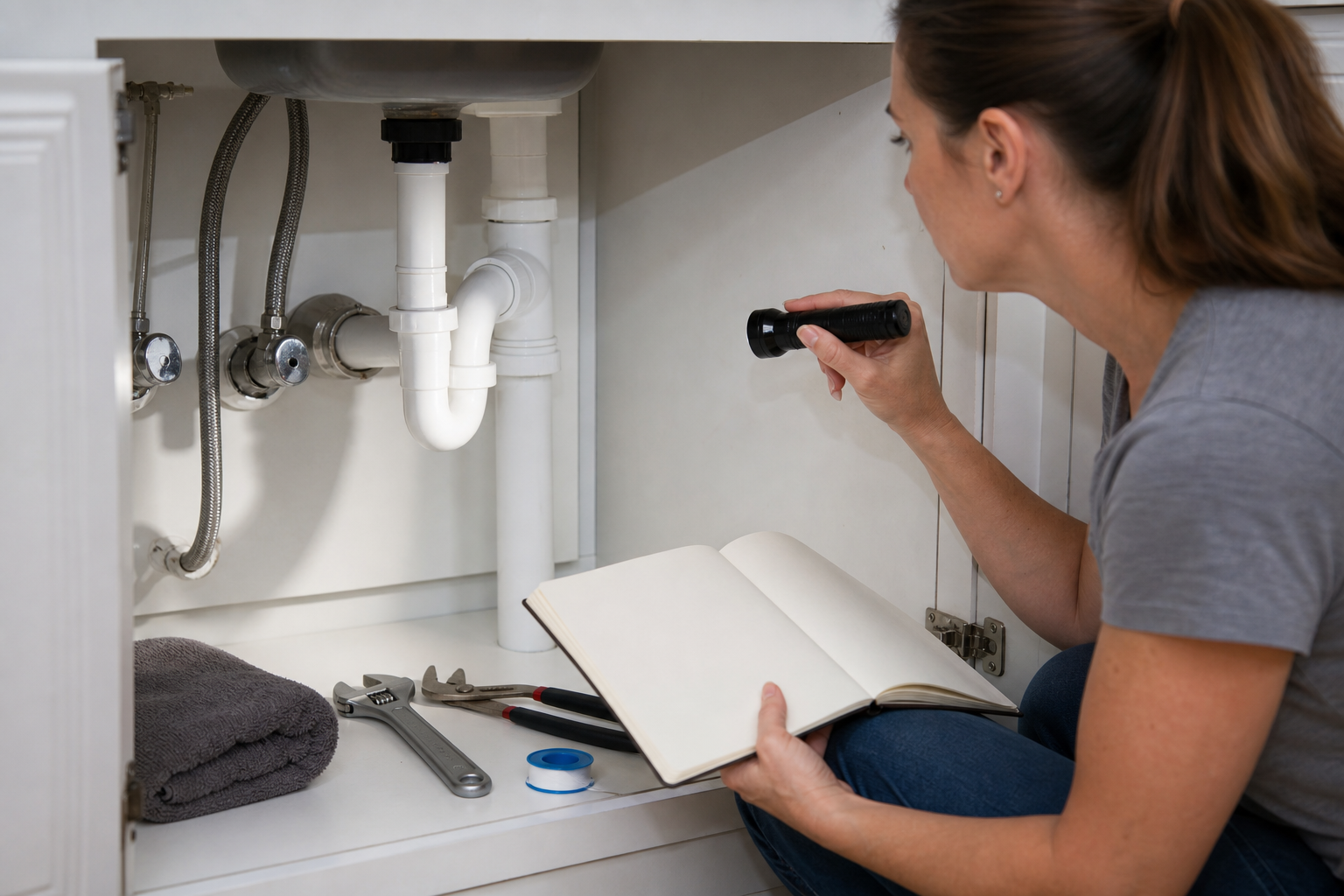
A practical plumbing inspection schedule separates monthly visible checks from seasonal, annual, and event-based reviews.
Read guide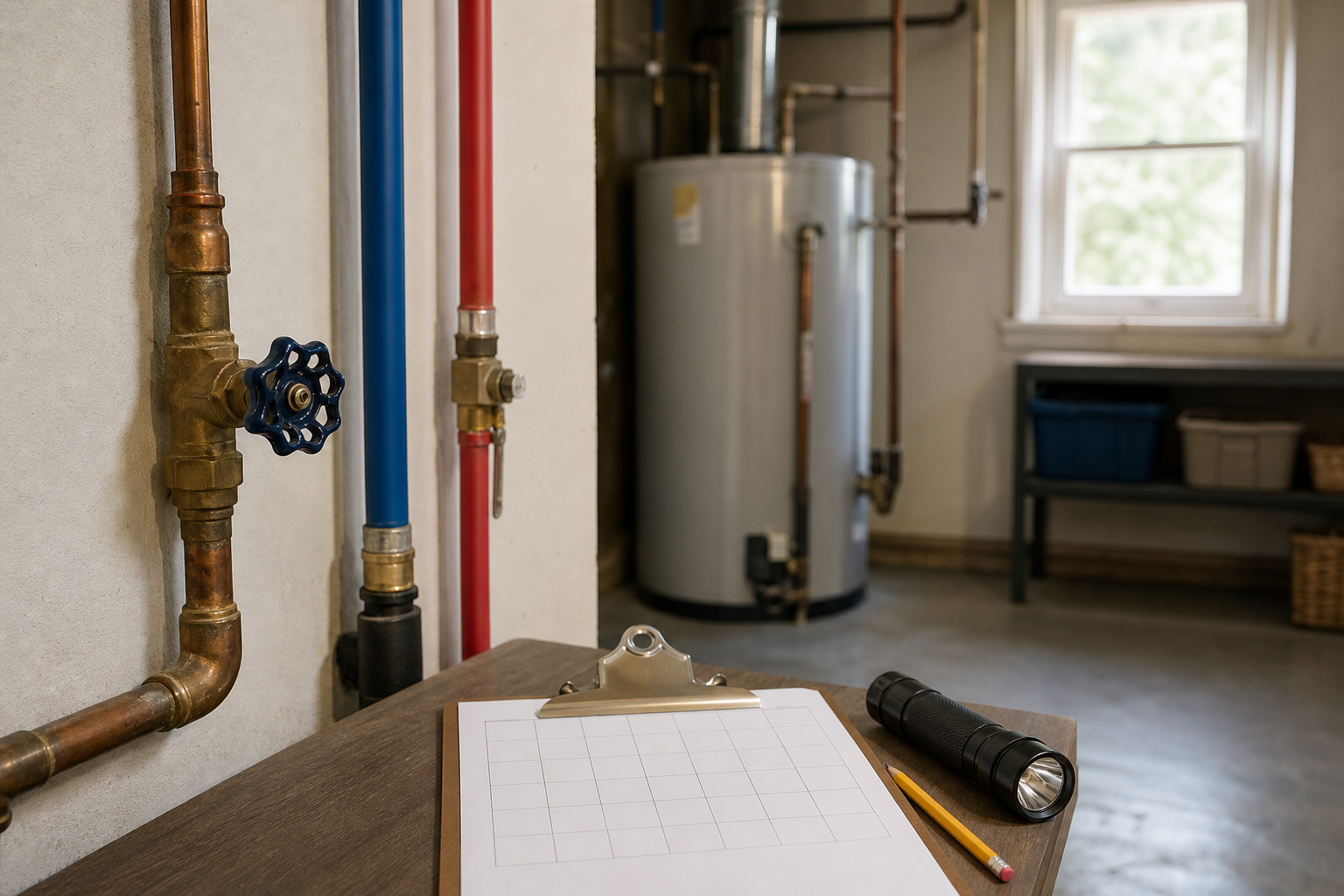
Build a practical calendar for shutoff checks, leak observation, filters, drains, appliances, freeze prep, and source/manual review.
Read guide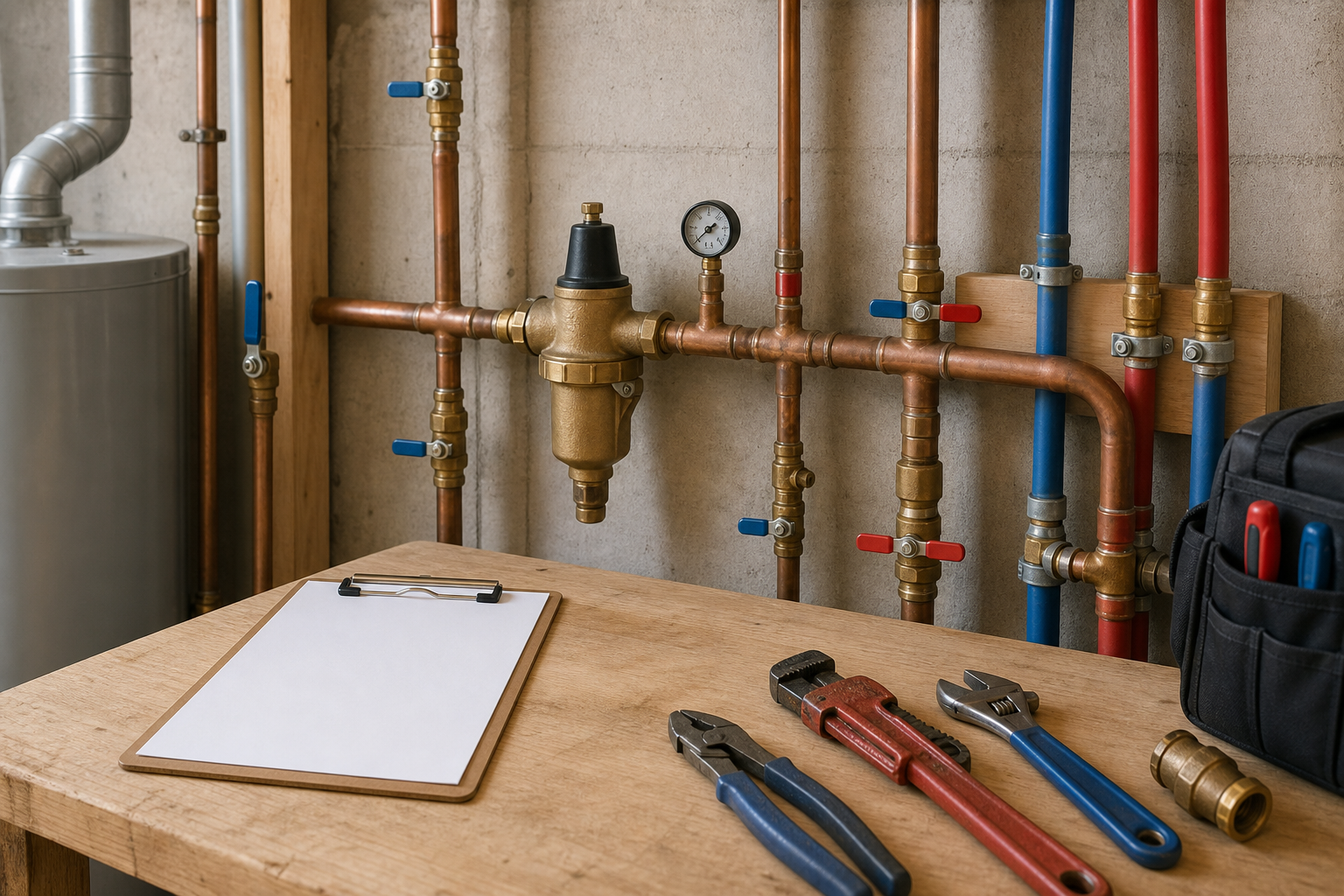
Homeowners do not need to memorize plumbing code, but should know when permits, inspections, approved materials, and qualified professionals matter.
Read guide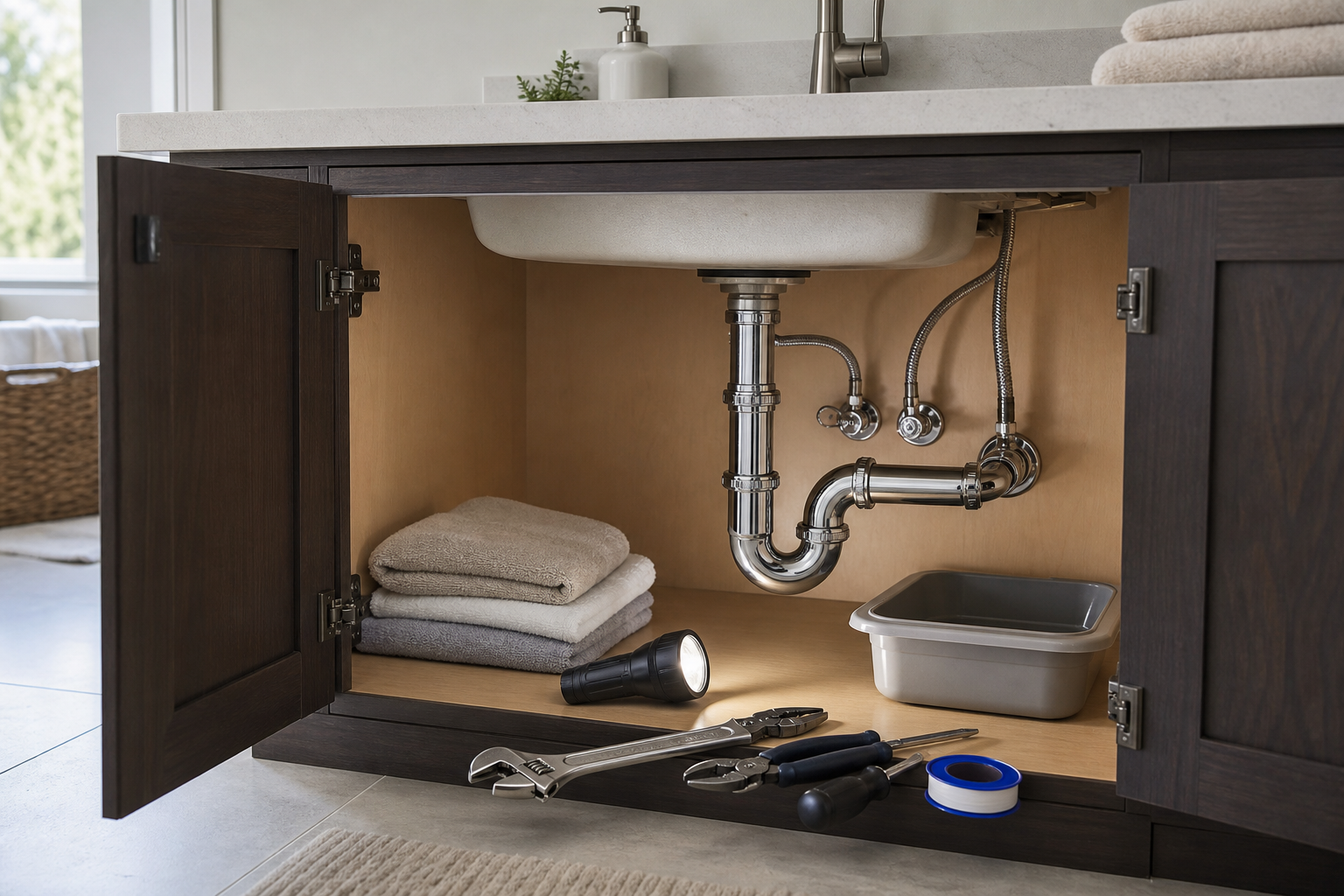
Use low-risk maintenance checks around fixtures, visible drains, appliances, shutoffs, and water quality without touching hidden or pro-only systems.
Read guide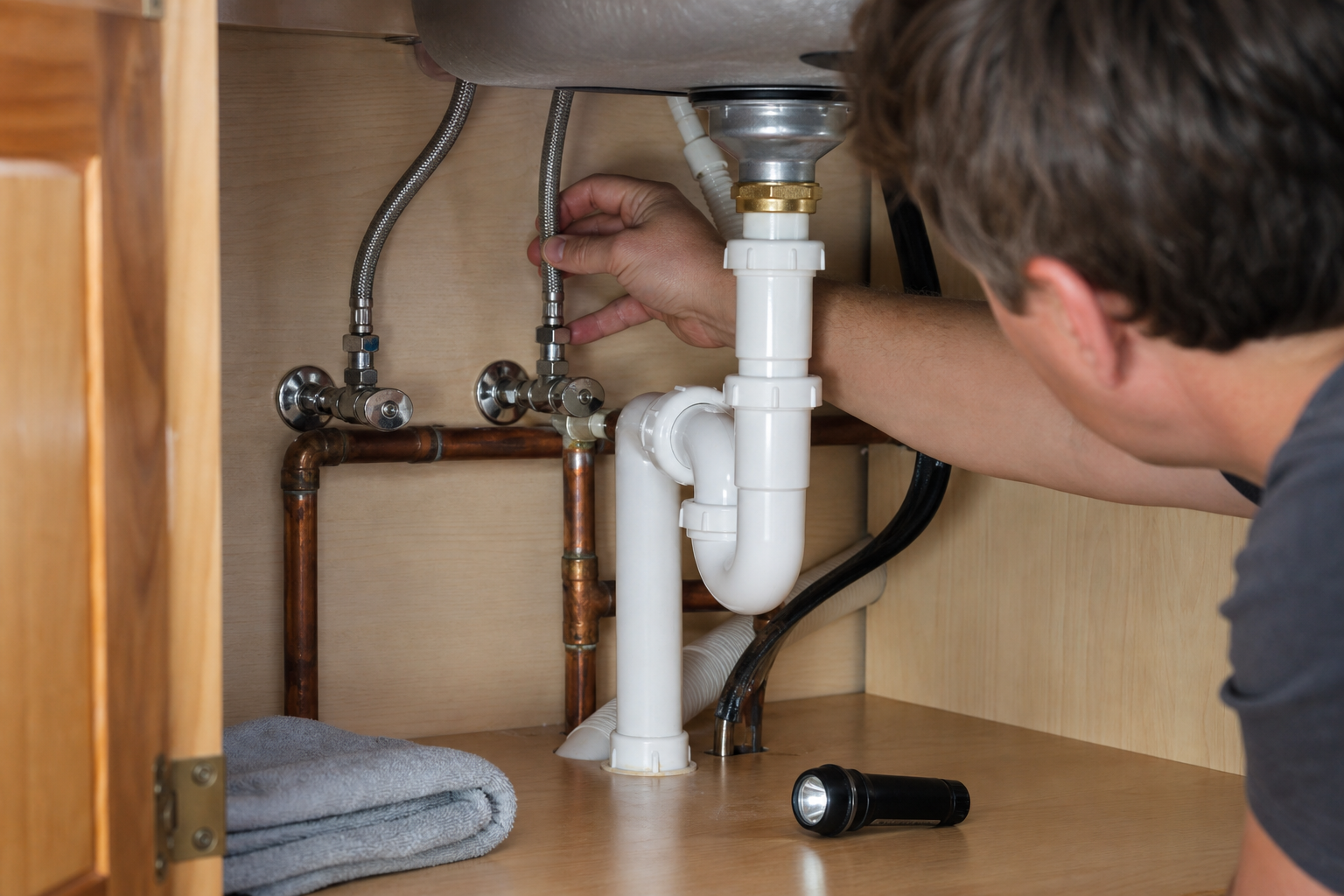
Flexible metal hoses can help fixture and appliance connections, but ratings, use cases, routing, inspection, and code boundaries matter.
Read guide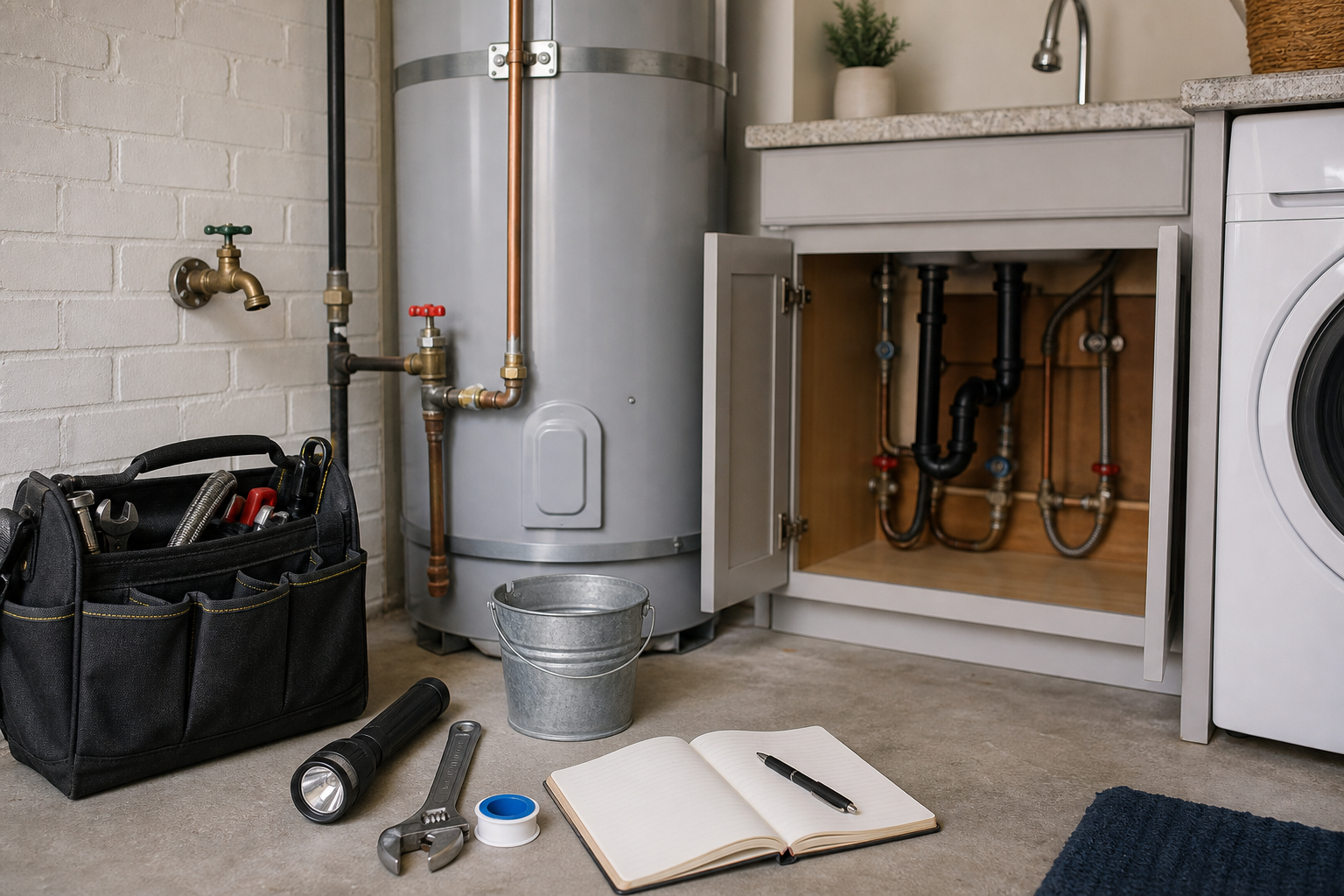
A season-by-season observation checklist for shutoff valves, leaks, freeze risk, drains, appliances, and water-saving fixtures.
Read guide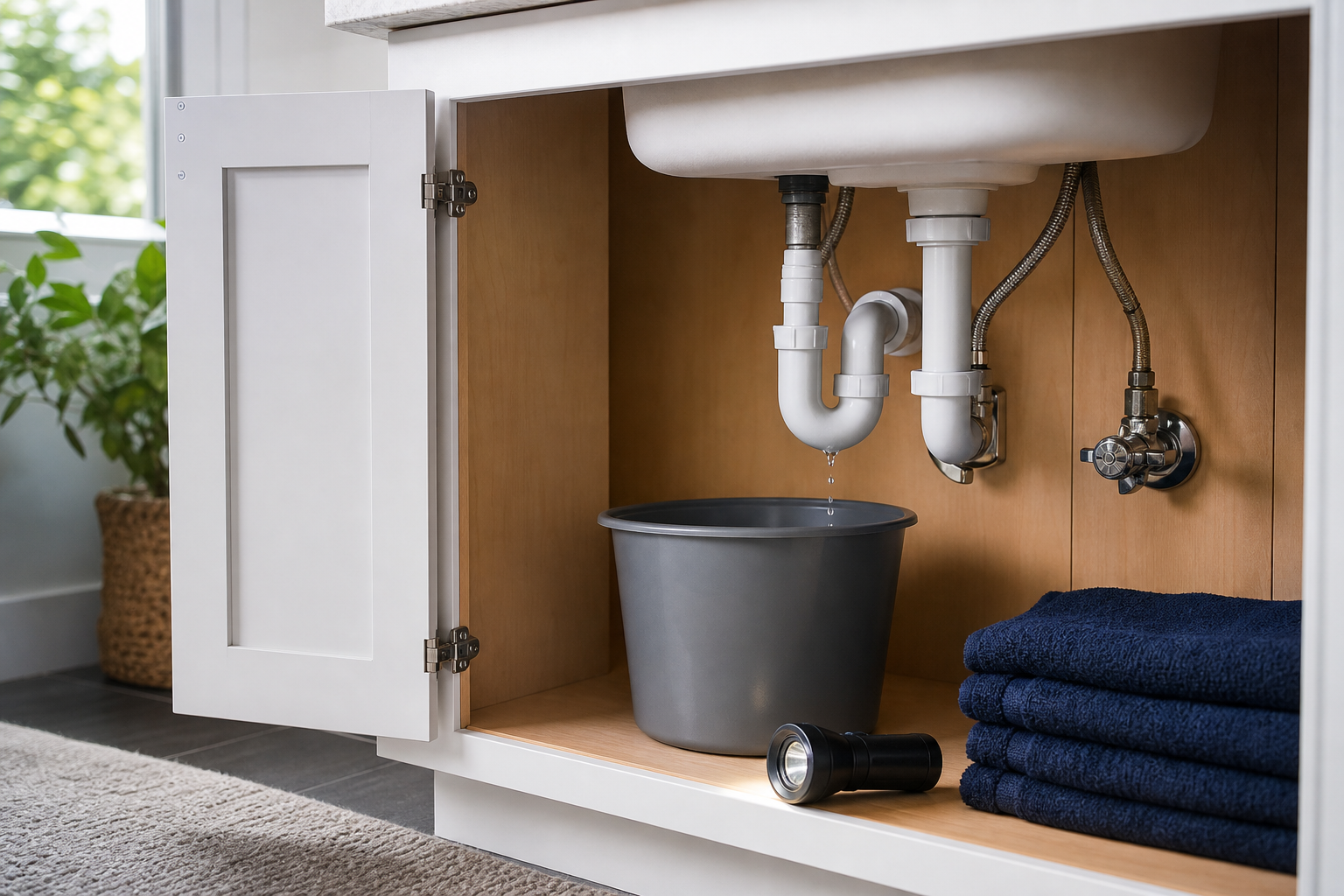
Plumbing emergencies involve active flooding, sewage, gas smell, no safe water, burst pipes, or water near electricity—not every drip or slow drain.
Read guide