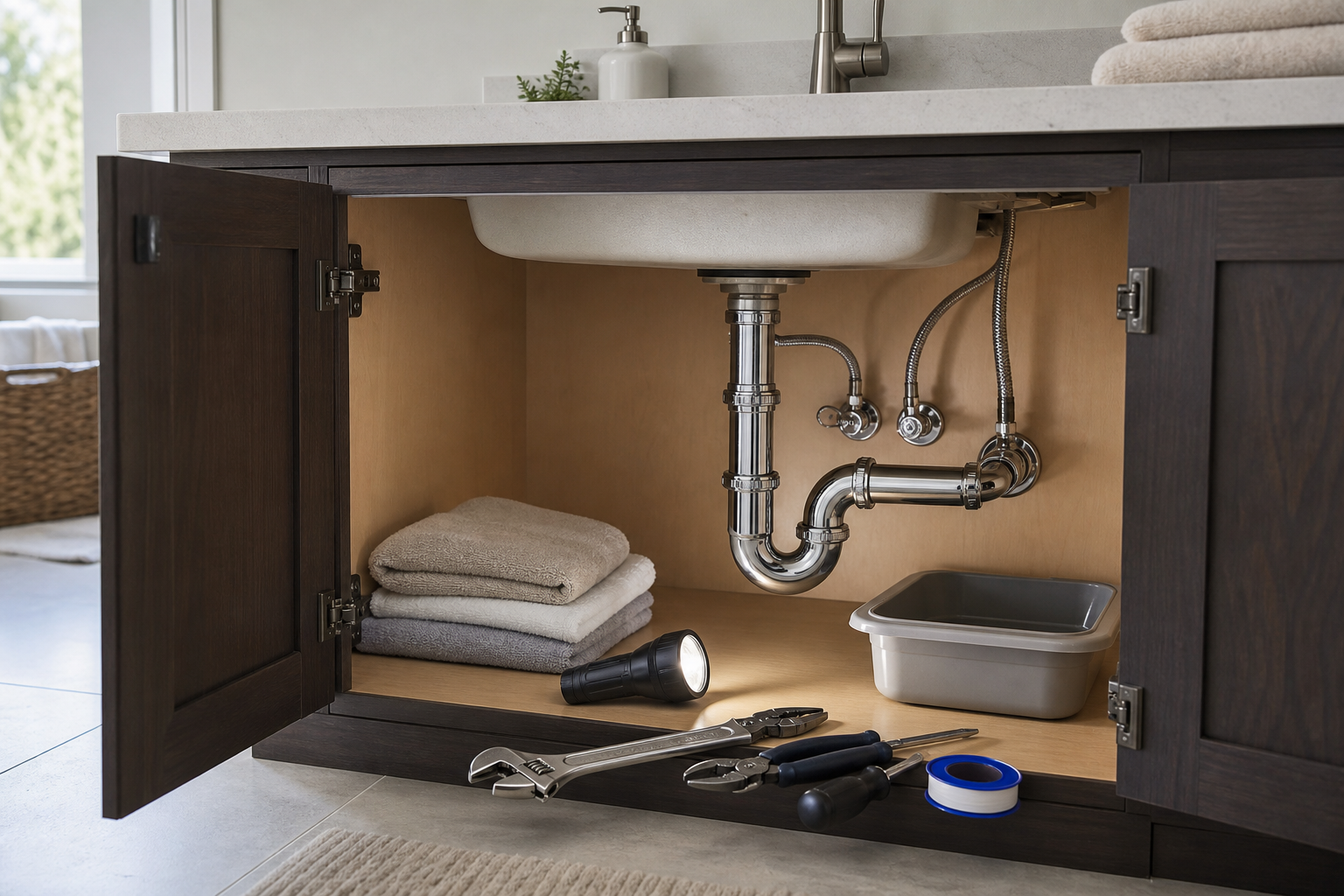
plumbing maintenance tips

Plumbing Maintenance Tips: Expert Advice for Homeowners

Plumbing is essential in our daily living. It is important to ensure that your plumbing system is in good condition to avoid leaks or clogs that can lead to significant water damage and high water bills. In this article, we’ll provide you with useful plumbing maintenance tips every homeowner should know to keep your plumbing in top condition.

How to maintain home plumbing system?

Regularly check for leaks in pipes and fix them immediately

One of the most common plumbing issues is a leak in a pipe. Even a small leak can lead to significant water damage and high water bills. To prevent this, you should regularly check for leaks in your plumbing system. Examine visible pipes for signs of a leak such as dampness, discolorations, or water stains. If you do find a leak, fix it immediately.

Keep drains clean by using a drain cleaner or a mix of baking soda and vinegar

Clogged drains can be a nuisance and can lead to major plumbing issues if not addressed promptly. You can prevent clogs by keeping your drains clean. You can use a drain cleaner or a mix of baking soda and vinegar once a month to keep your drains flowing smoothly.

Insulate pipes to prevent freezing during cold weather

Frozen pipes can lead to burst pipes, which can be a major plumbing emergency. To prevent this, you should insulate pipes that are located in exposed areas or areas that are not heated. Doing this prevents water from freezing and causing damage to your home’s plumbing system.

How to check the water heater?

Check the pressure relief valve for proper working every six months

A pressure relief valve is a safety device that prevents your water heater from exploding in the event of a malfunction. You should inspect the pressure relief valve once every six months to ensure that it is working properly.

Flush the water heater tank once a year to remove sediment buildup

Over time, sediment accumulation can significantly compromise your water heater’s performance and even cause harm to it. Flush your water heater tank once a year to remove any buildup and keep your water heater running smoothly.

Insulate the tank to improve its efficiency

Insulating your water heater tank can increase its efficiency and save you money on your water bill. Insulate the tank with a blanket made specifically for this purpose to keep it running efficiently.

How to prevent toilet problems?

Do not flush anything except toilet paper and human waste

Flushing anything other than toilet paper and human waste down your toilet can lead to major plumbing issues. Avoid flushing anything else, including feminine hygiene products, wipes, or paper towels.

Check the water level in the tank to ensure it is not too high or too low

The water level in your toilet tank should be set correctly to prevent issues such as overflowing or not flushing properly. Could you check the water level in the tank regularly and adjust it as necessary?

Inspect the flapper valve regularly and replace if necessary

The flapper valve is responsible for regulating water flow into your toilet bowl. Please look over the flapper valve regularly and replace it if it is damaged or not working properly to prevent water waste.

How to maintain the water pressure?

Check the water pressure with a gauge and regulate it to 60-80 PSI

Water pressure that is too high or too low can cause plumbing issues such as leaks or burst pipes. Check your water pressure with a gauge and make sure it is regulated to 60-80 PSI.

Install a pressure regulator if water pressure is too high

If your water pressure is too high, you can install a pressure regulator to prevent plumbing issues such as leaks.

Clean the showerhead to remove sediments and improve water flow

Mineral deposits can build up in your showerhead over time, leading to reduced water flow. Clean your showerhead regularly to remove sediment and keep it working properly.

How to deal with common plumbing problems?

Fix leaks promptly to avoid water damage and high water bills

If you notice a plumbing leak, it’s important to fix it promptly to prevent water damage to your home and avoid paying high water bills.

Do not pour grease or oil down the drain to prevent clogs

Grease and oil can solidify in your pipes and cause major clogs. Avoid pouring these substances down your drain to prevent clogs.

Do not use chemical drain cleaners as they can corrode pipes and cause blockages

Chemical drain cleaners can be very harsh and can corrode your pipes, leading to major blockages. Avoid using these types of cleaners and use natural alternatives instead.

How to create a plumbing maintenance checklist?

Include tasks like checking for leaks, inspecting fixtures, testing water pressure, and cleaning drains

Creating a plumbing maintenance checklist is essential to keeping your plumbing in top condition. Include tasks such as checking for leaks, inspecting fixtures, testing water pressure, and cleaning drains.

Perform the maintenance tasks regularly and keep a record of them for future reference

Performing regular maintenance tasks is essential to keeping your plumbing in top condition. Keep a record of all the maintenance tasks you perform for future reference.

Hire a professional plumber for more complex tasks or if you notice any plumbing problems

To avoid causing more damage to your home’s plumbing, it’s crucial to call a professional plumber for any plumbing issues or maintenance tasks that require expertise.

Q: What are some basic plumbing maintenance tips for every homeowner?

A: Regularly inspect exposed pipes for any signs of water leaks or damage, and insulate pipes to prevent freezing. Also, regularly check and clean showerheads and faucet aerators, and avoid flushing anything aside from human waste and toilet paper down toilets to prevent clogs.

Q: How do I prevent frozen pipes in the winter?

A: You can prevent frozen pipes by consistently maintaining your home’s plumbing. This involves insulating pipes, keeping your home’s temperature steady, and letting faucets drip slightly to keep water flowing. Also, you can use a hair dryer or heat lamp to thaw pipes if you need to.

Q: What should I do in case of a plumbing leak?

A: Turn off the water supply immediately, and call a plumber to come assess the damage and perform necessary repairs.

Q: Can I unclog my sink or toilet on my own?

A: For basic clogs, you may be able to use a plunger or drain snake to remove the blockage. However, it’s best to call a plumber if these methods do not work or if the clog persists.

Q: How often should I hire a plumber for regular plumbing maintenance?

A: It’s recommended to have a plumber inspect and maintain your home’s plumbing pipes and fixtures at least once a year.

Q: How can I care for my plumbing to make it last longer?

A: Be mindful of what goes down your drains, regularly inspect and maintain exposed pipes, and conserve water usage. Additionally, hiring a plumber for preventative maintenance can greatly benefit the longevity of your home’s plumbing system.

Q: Should I attempt to repair a plumbing issue on my own?

A: It’s better to hire a plumber for any plumbing repairs. Trying to fix the issue on your own can lead to more damage and more expensive repairs in the future.

Q: How can I check for a water leak in my home?

A: Add a few drops of food coloring to your toilet tank or a few drops to your home’s water meter. If you see the colored water in your toilet bowl or notice movement in the meter when all water is turned off, you may have a water leak and should call a plumber.

Q: What are some common plumbing fixtures that need regular maintenance?

A: Faucets, sinks, showerheads, and garbage disposals should all be regularly checked and maintained to ensure their proper functionality.

Q: Is it important to regularly check for and repair low water pressure?

A: Yes, low water pressure can be a sign of a larger plumbing issue and can also lead to inefficient water usage and higher water bills.