Toilet
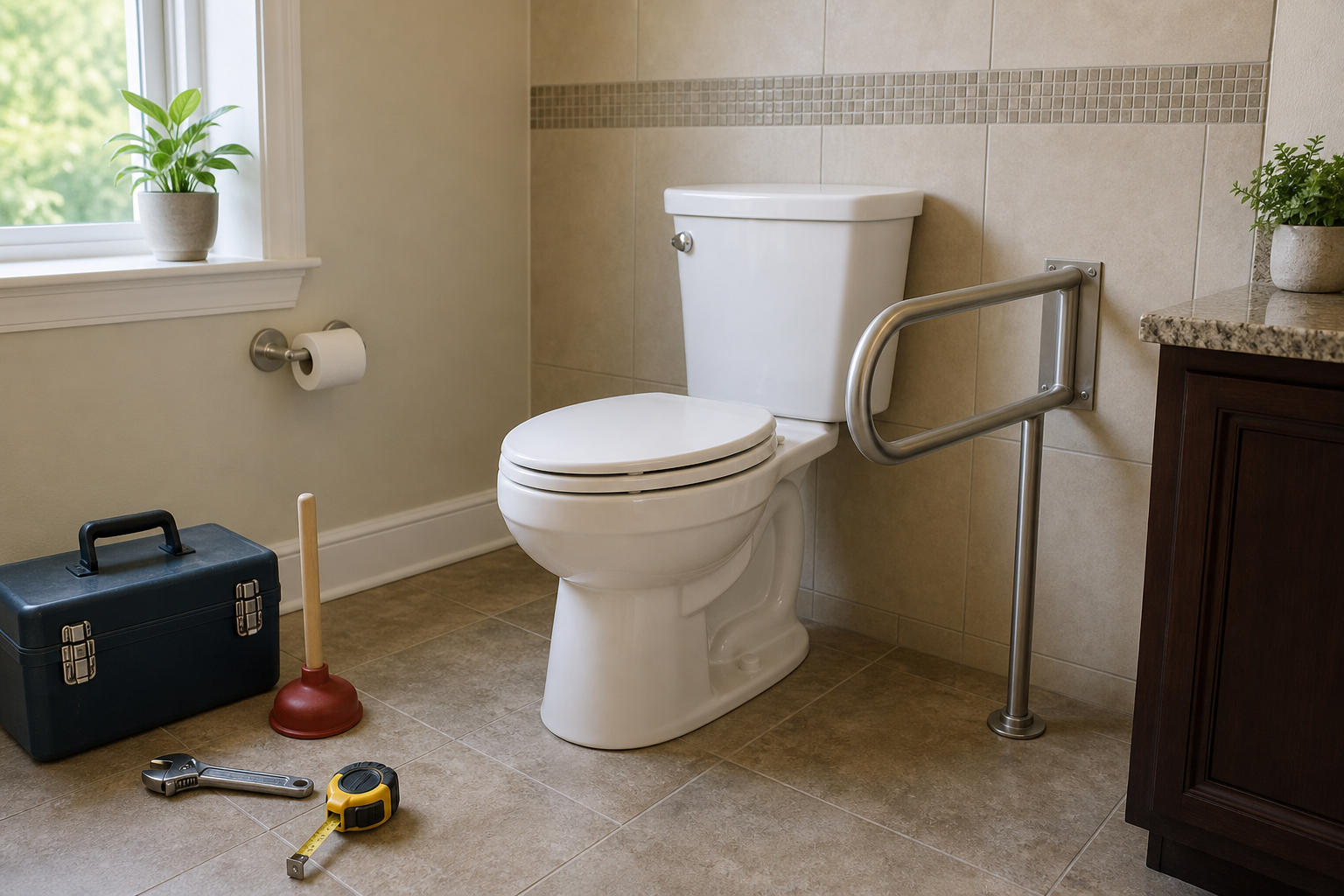
ADA-Compliant Toilets: Homeowner Planning Checks
Use ADA toilet guidance as a planning reference, not a generic replacement promise; check seat height, clearance, grab bars, and local requirements.
Read guideHomeowner plumbing guides
Find help for a running toilet, weak flush, refill noise, bowl-water changes, clogs, and toilet fit questions.
Stop and call a plumber if the toilet rocks, leaks at the base, causes a soft floor, or backs up with other fixtures.
Choose the guide that best matches the fixture, symptom, or decision in front of you.
Use ADA toilet guidance as a planning reference, not a generic replacement promise; check seat height, clearance, grab bars, and local requirements.
Read guide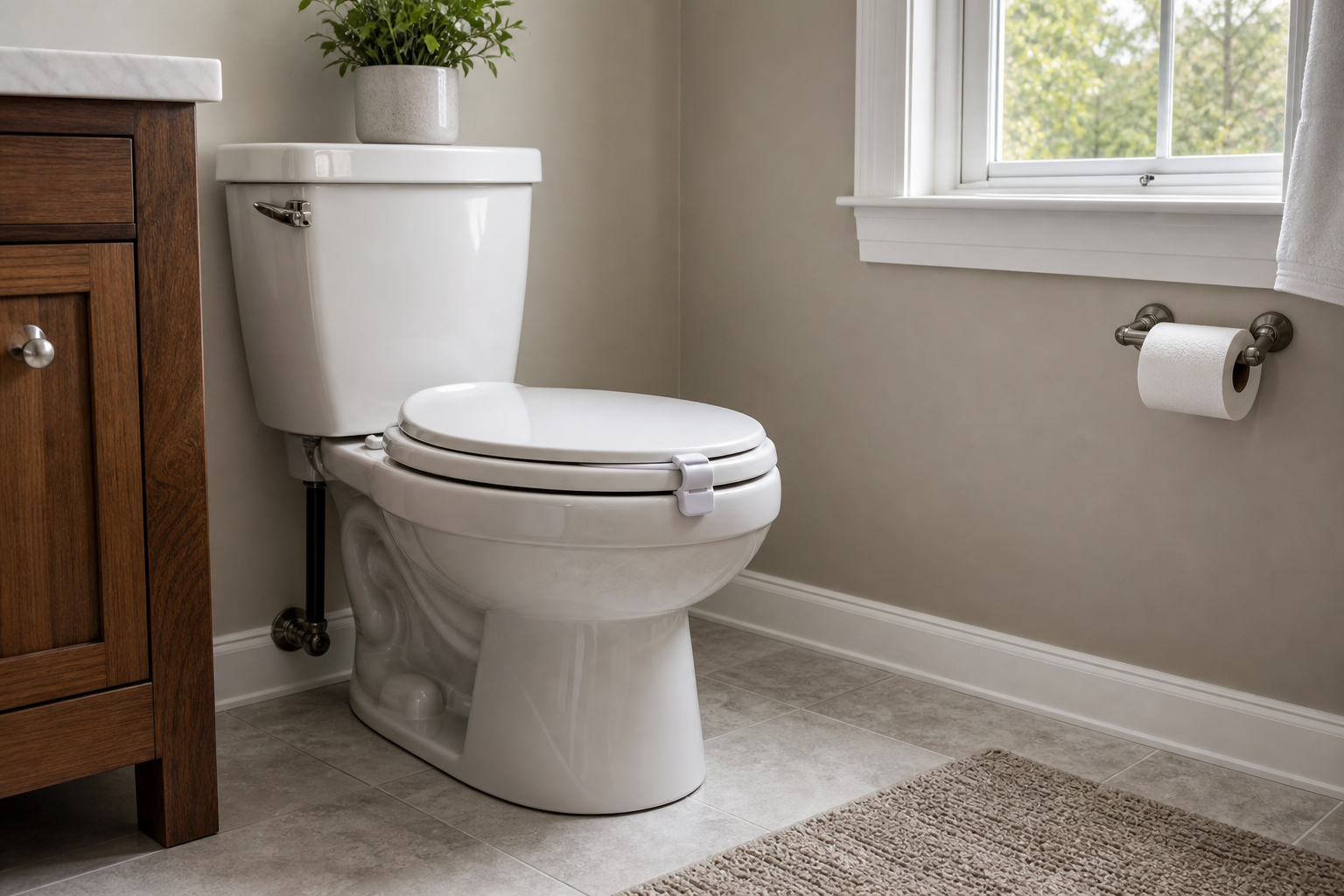
Choose toilet-seat locks and bathroom safeguards by fit, child age, supervision needs, and the exact model-specific installation document without altering plumbing.
Read guide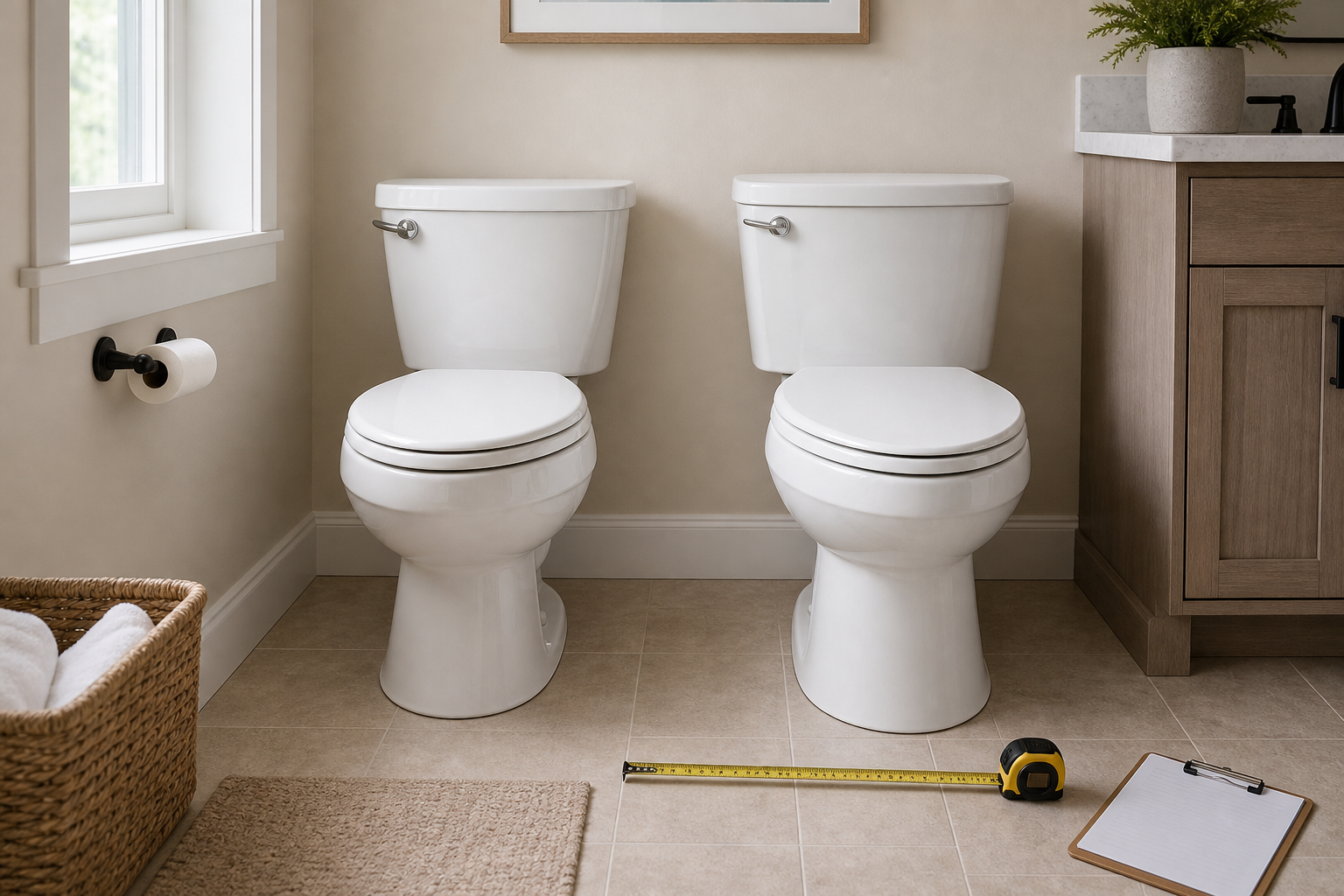
Compare bowl shape, bathroom clearance, seat compatibility, and user comfort before choosing a round or elongated toilet.
Read guide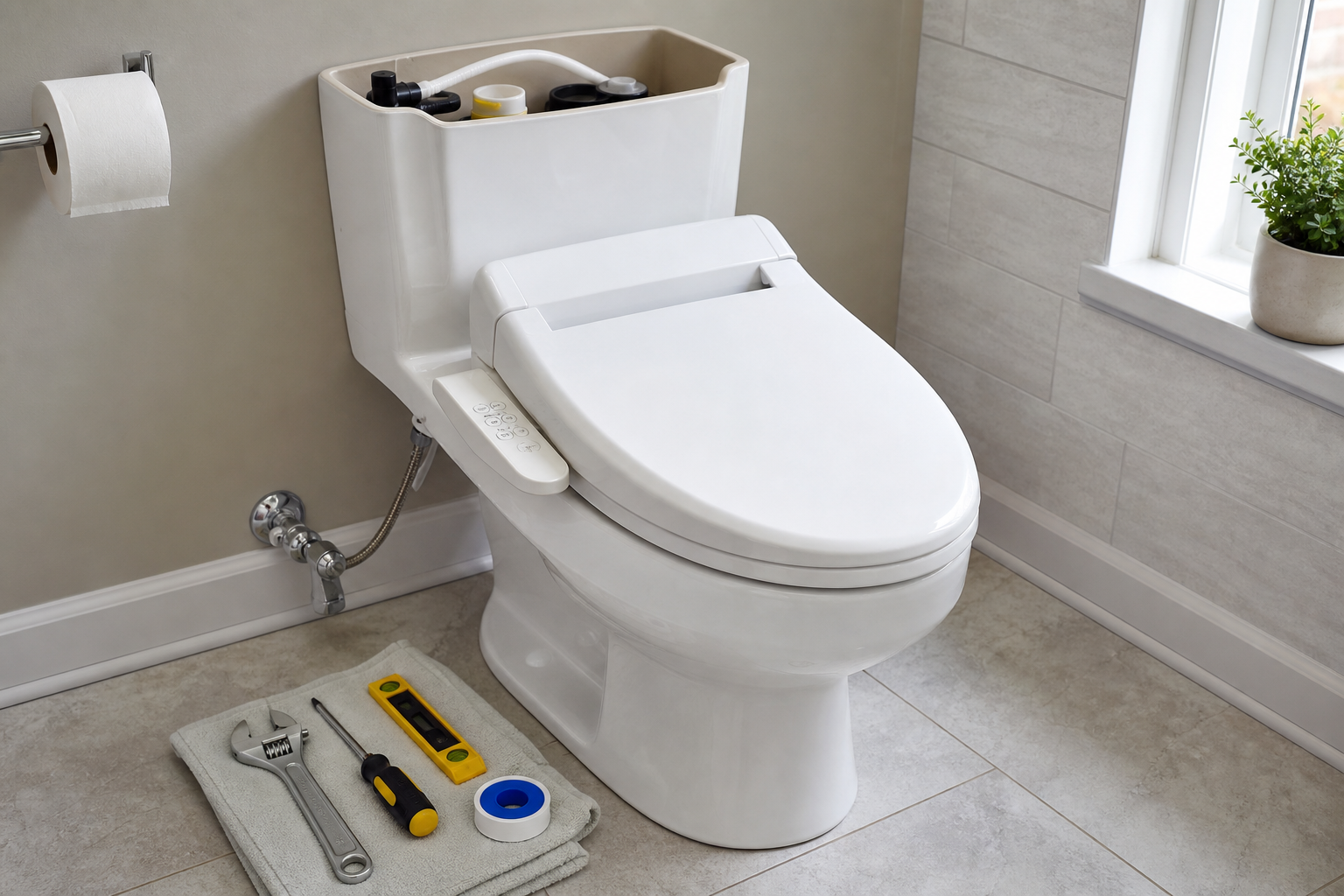
Heated toilet seats add comfort but require outlet, GFCI, fit, clearance, cleaning, and electrical-safety checks.
Read guide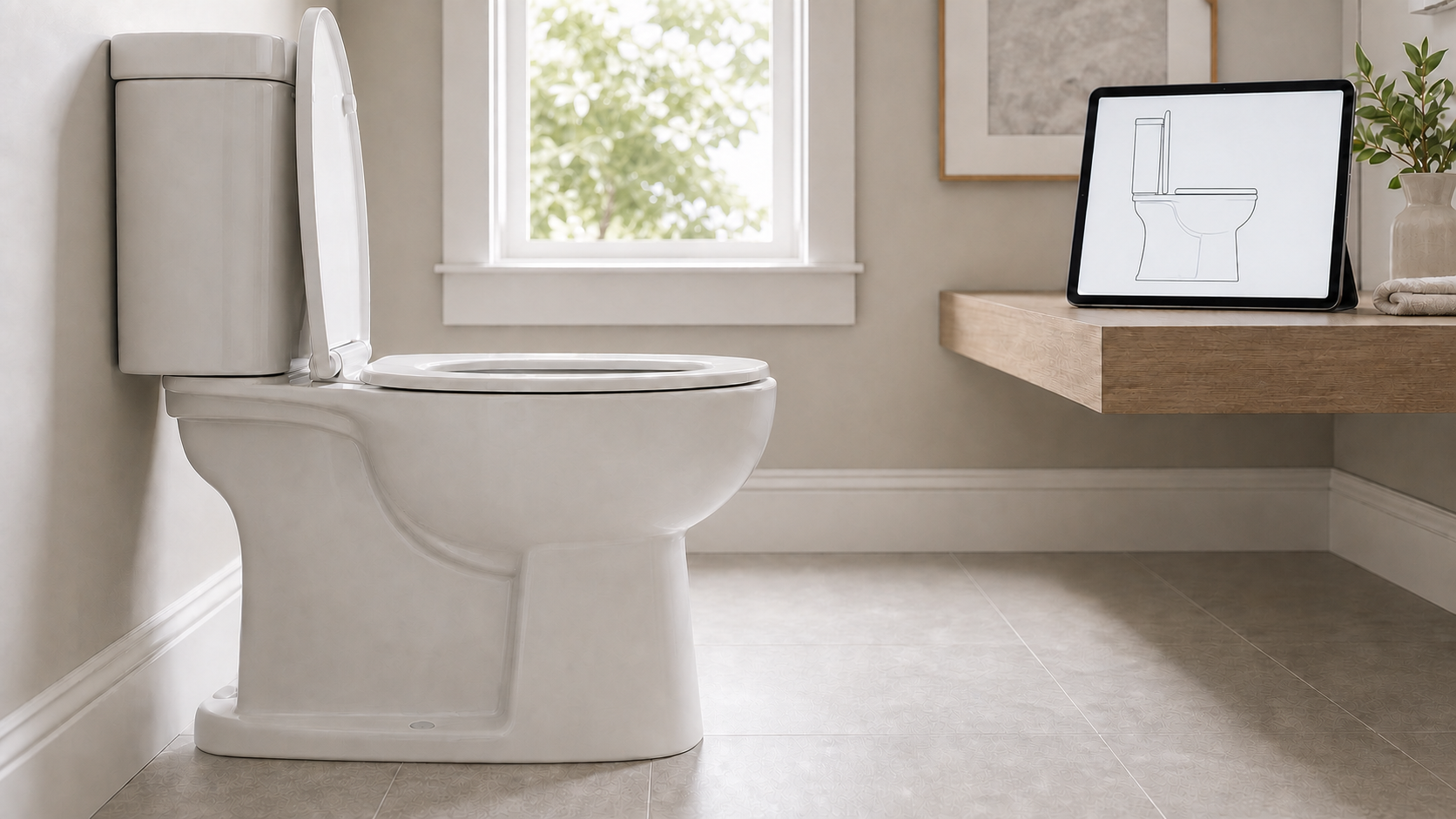
There is no universal standard toilet height; compare exact floor-to-rim, floor-to-seat, rough-in, projection, and overall dimensions before buying.
Read guide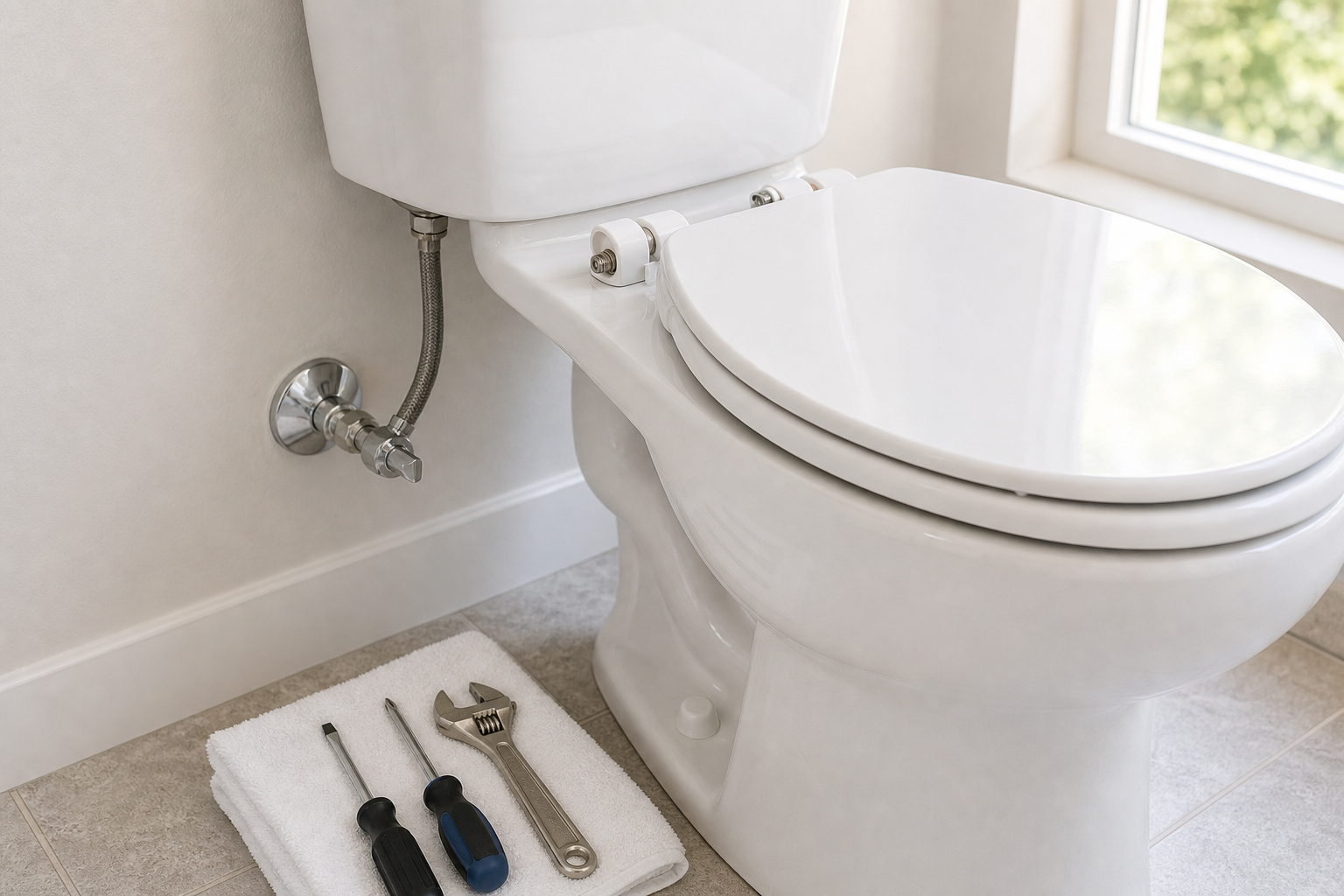
Tighten a loose toilet seat safely without disturbing the toilet base, flange, or water connections.
Read guide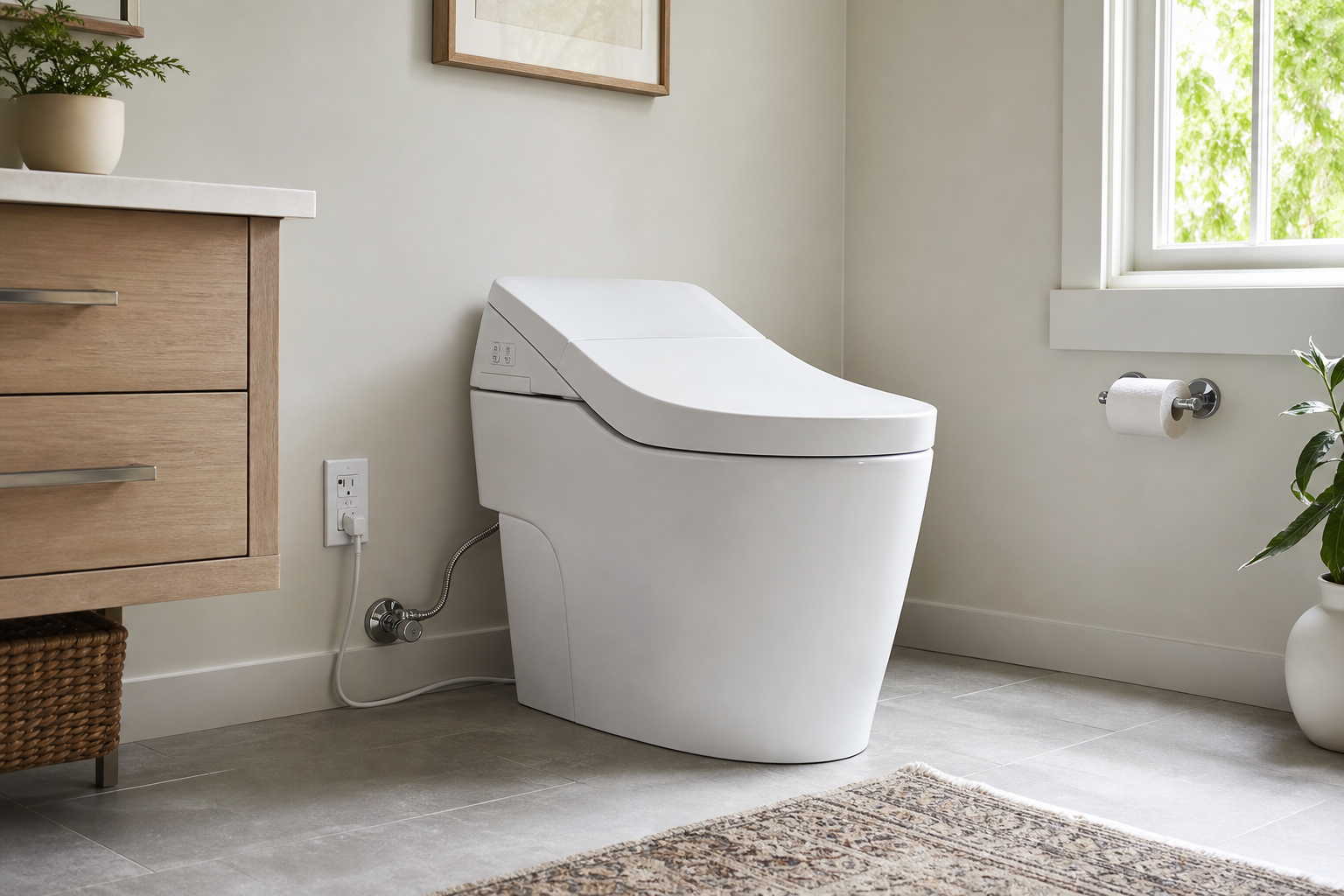
Smart toilets combine bidet, heated seat, sensors, dryer, deodorizer, flush, or night-light features with water and electrical requirements.
Read guide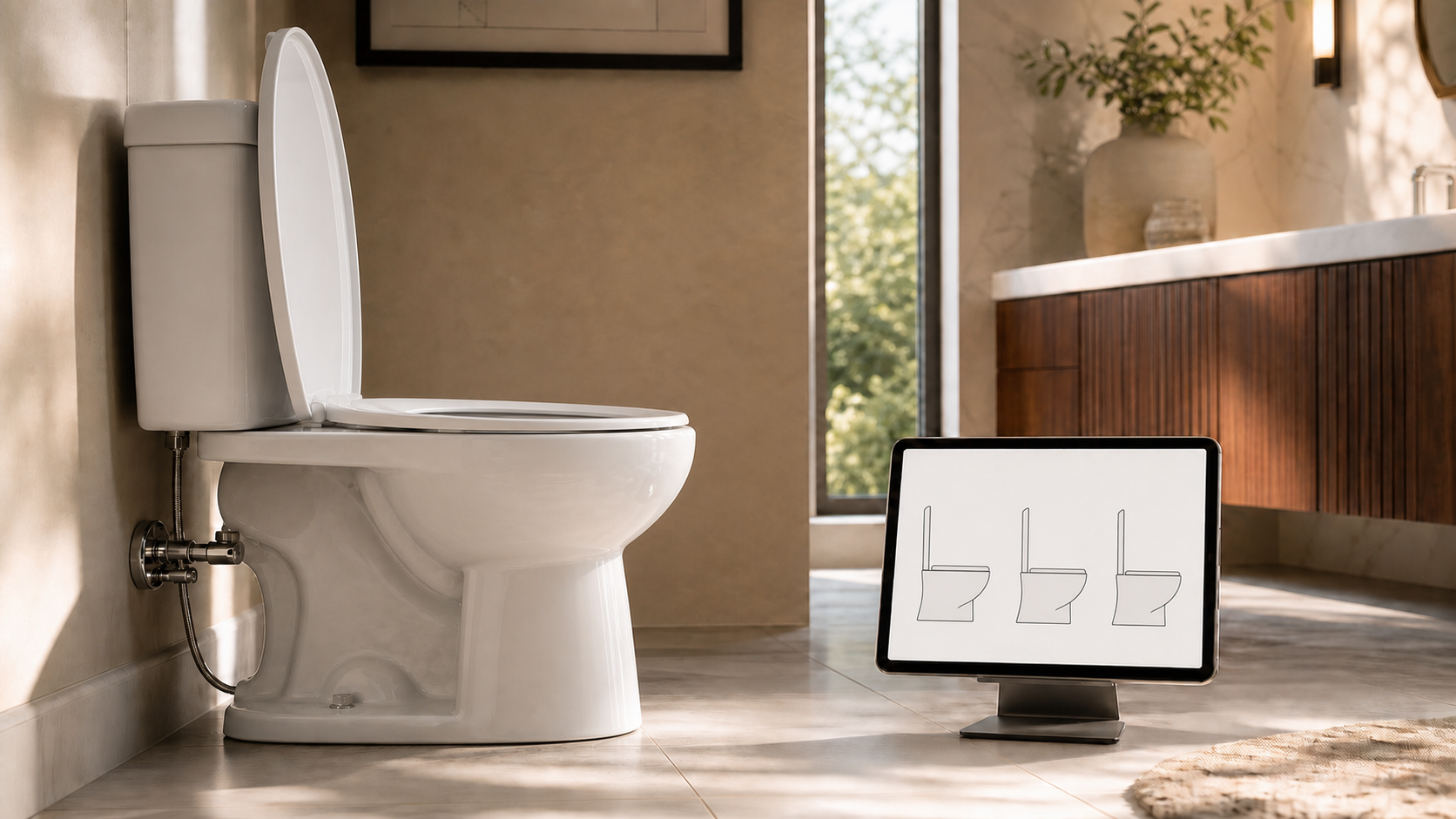
A comfort-height label is not a universal measurement or compliance finding; verify the exact bowl, seat, rough-in, projection, user fit, and bathroom layout.
Read guide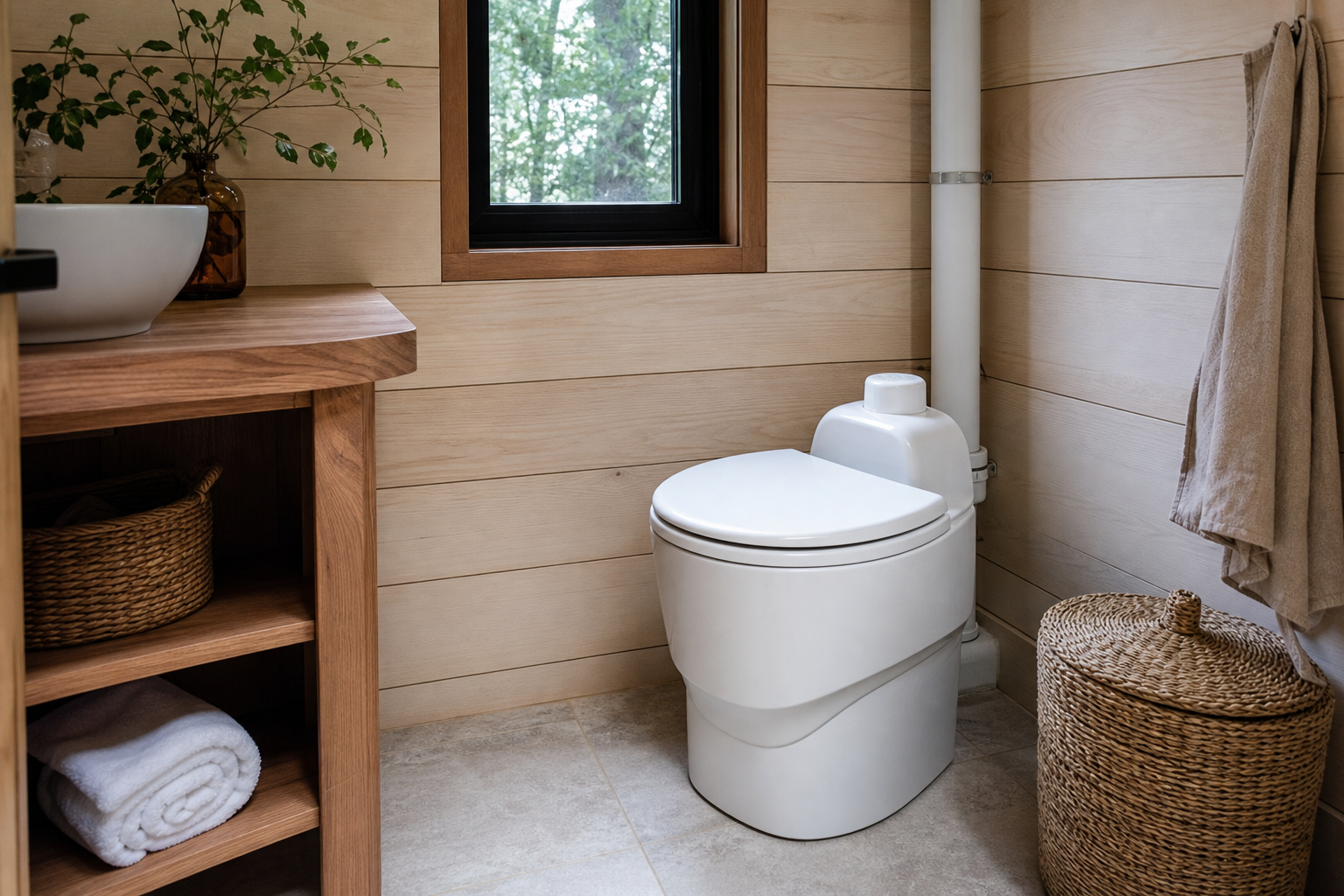
Composting toilets can reduce water use, but they require local-rule checks, ventilation, capacity planning, maintenance, and safe disposal decisions.
Read guide
A toilet has no universal expiration age; compare the fixture body, model-specific service parts, damage, performance, water use, and parts support.
Read guide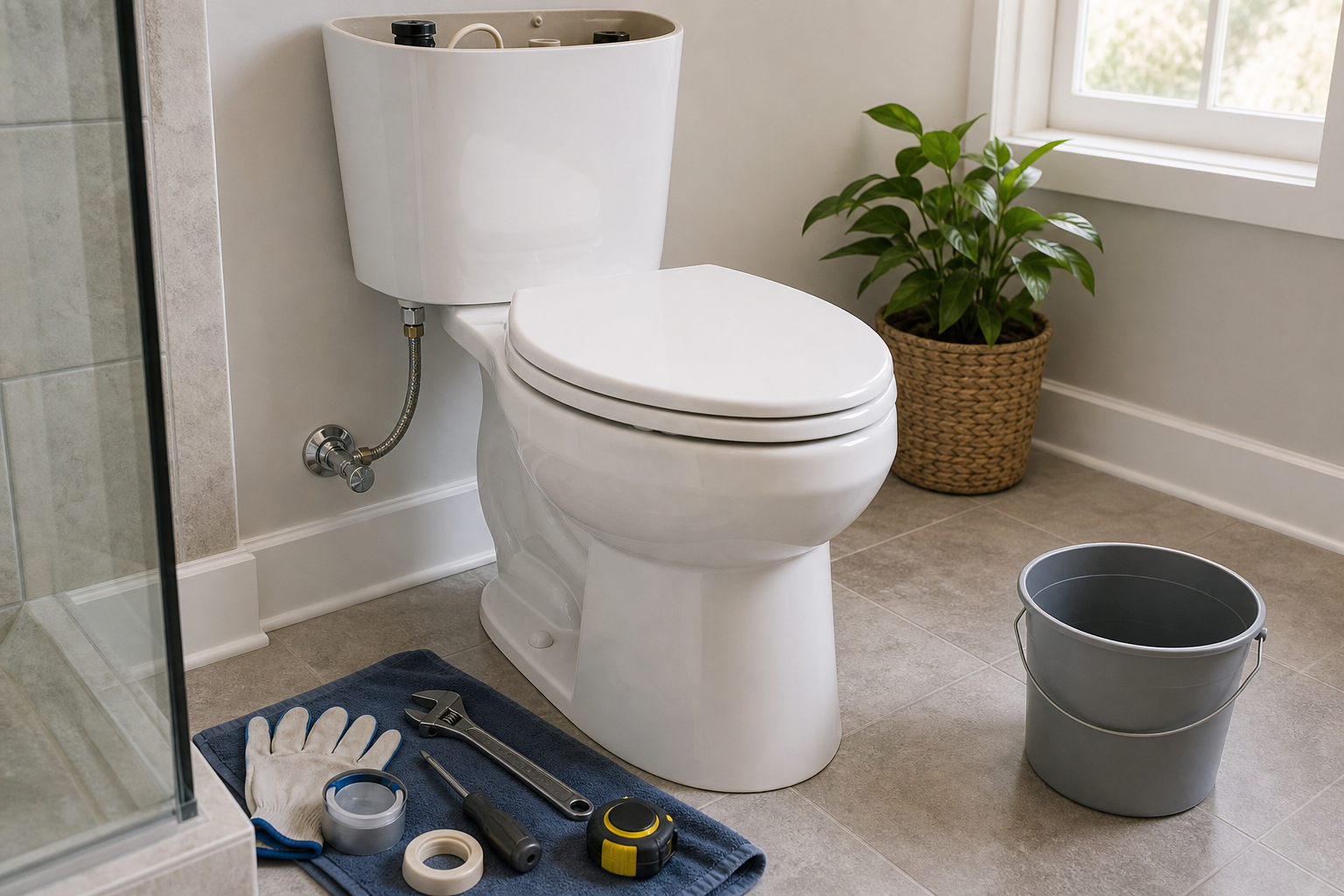
Toilet replacement timing depends on shutoff condition, flange, floor, rough-in, toilet weight, disposal, and whether a permit or pro is needed.
Read guide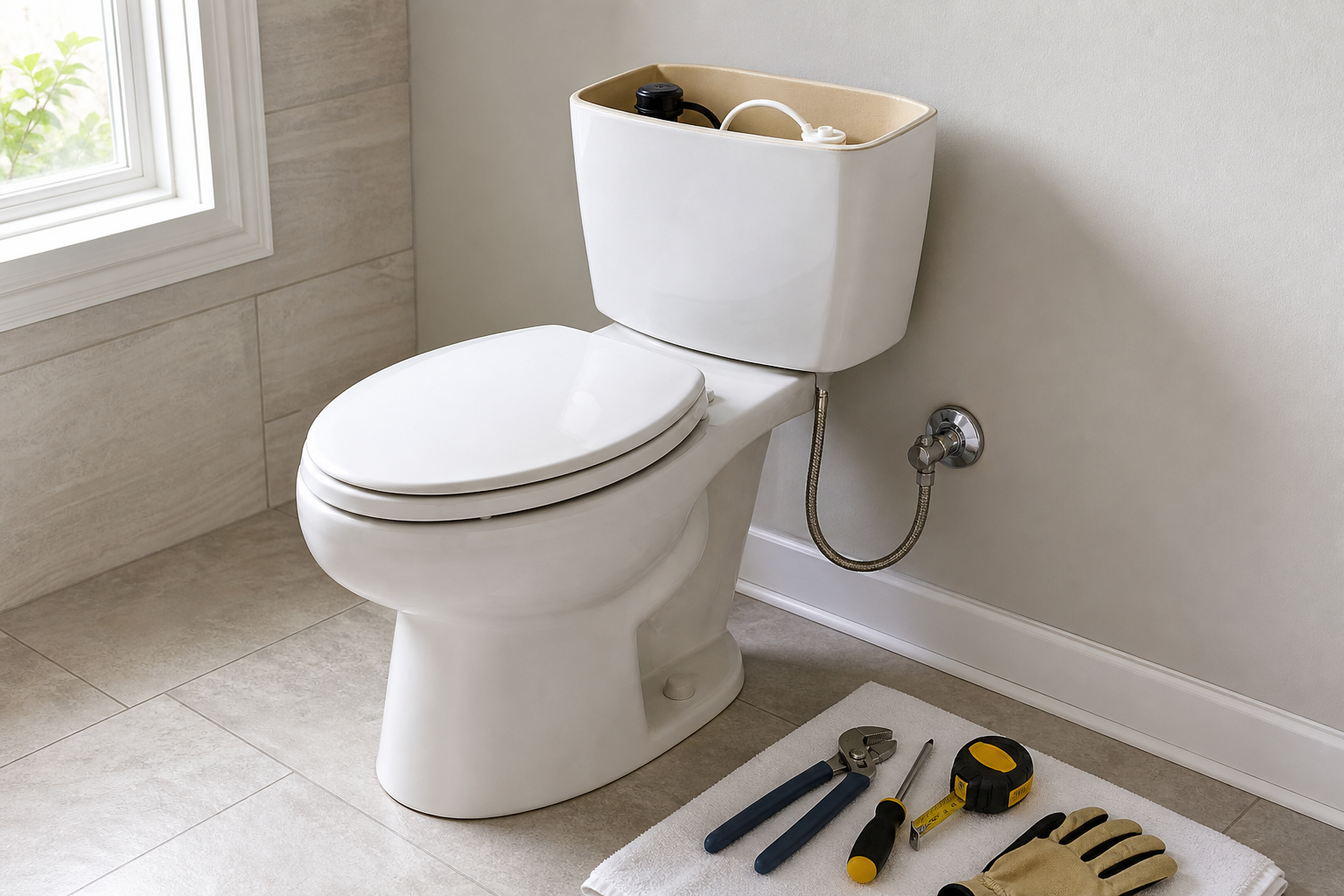
Toilet weight varies by model and design; use spec sheets, plan lifting help, and treat flange/floor/shutoff issues as plumber calls.
Read guide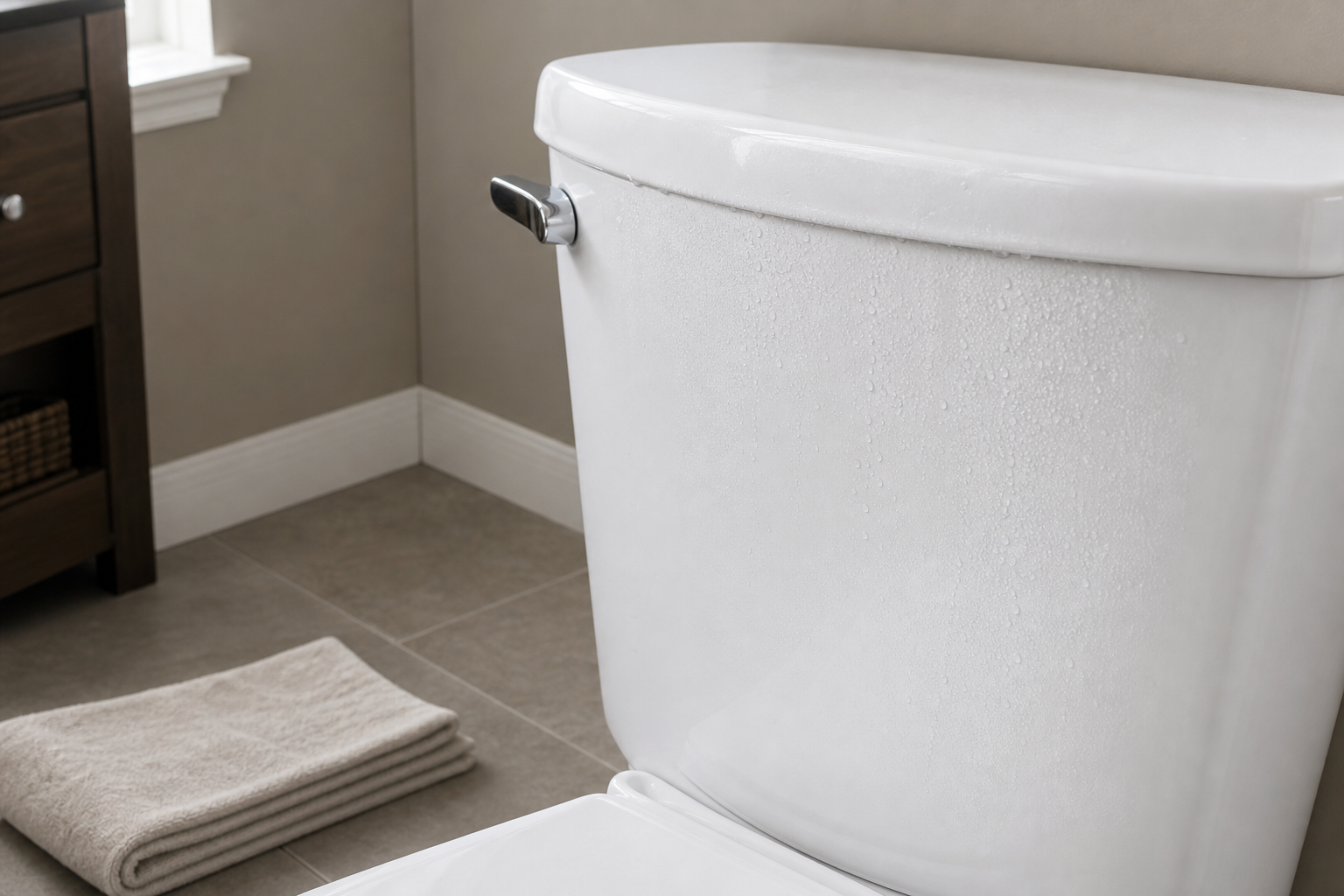
Compare broad tank sweating with point-source leaks, reduce bathroom humidity, protect nearby materials, and know when persistent moisture needs a plumber.
Read guide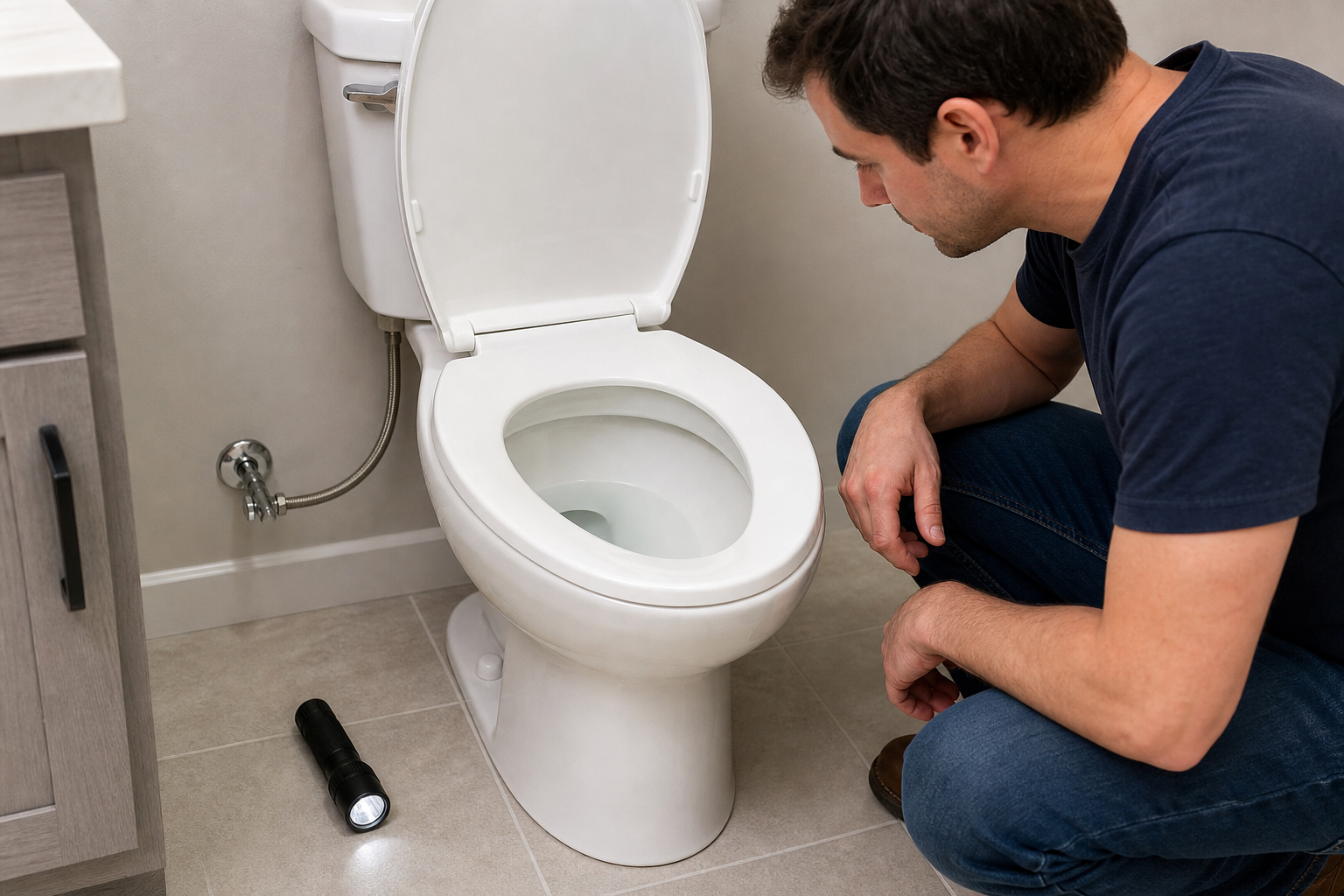
Track when bowl water drops, whether other fixtures were used, and whether odor appears before assuming evaporation or a fixture leak.
Read guide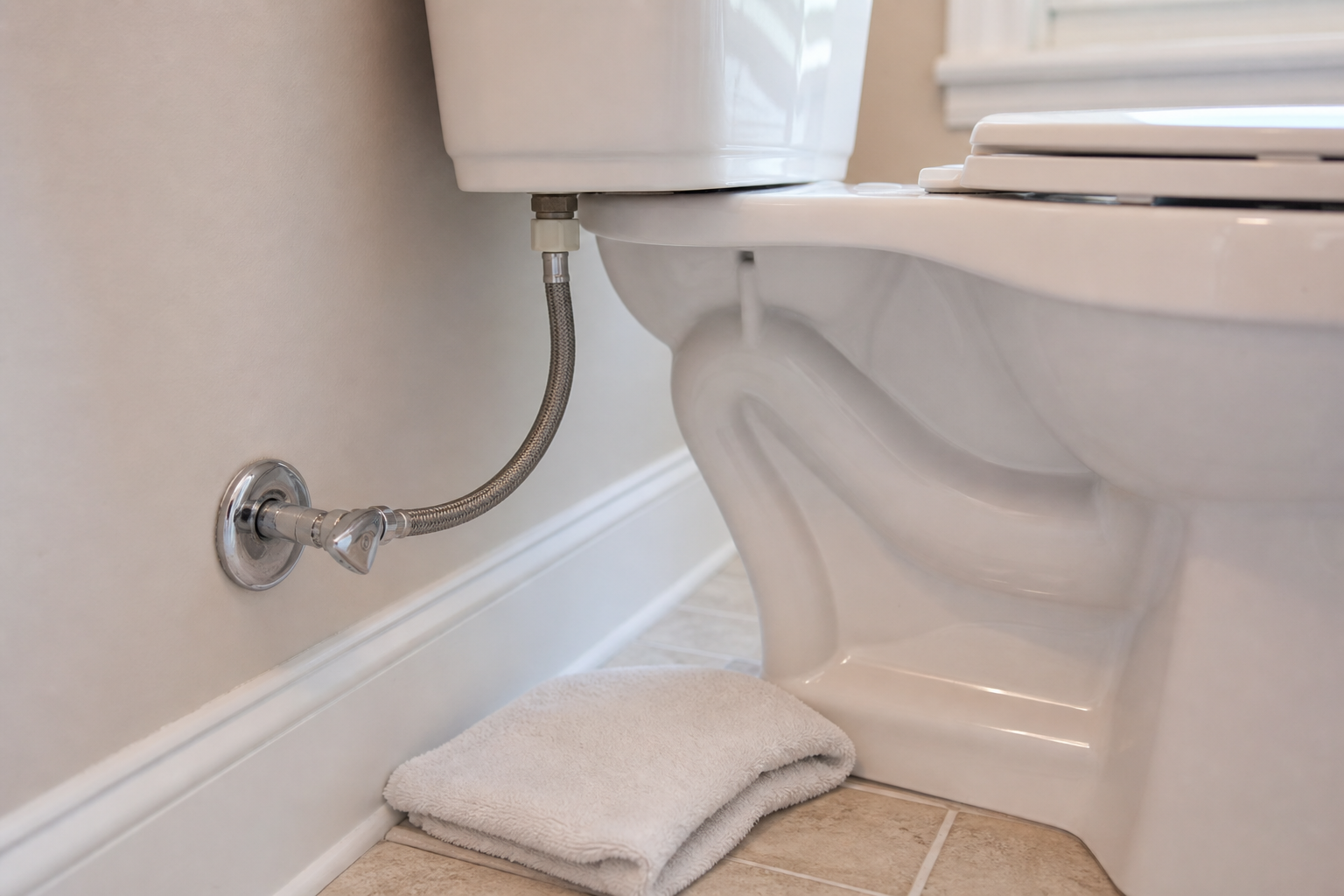
Water near the toilet supply line can come from a loose connector, worn gasket, condensation, valve leak, or tank crack; do not force corroded shutoffs.
Read guide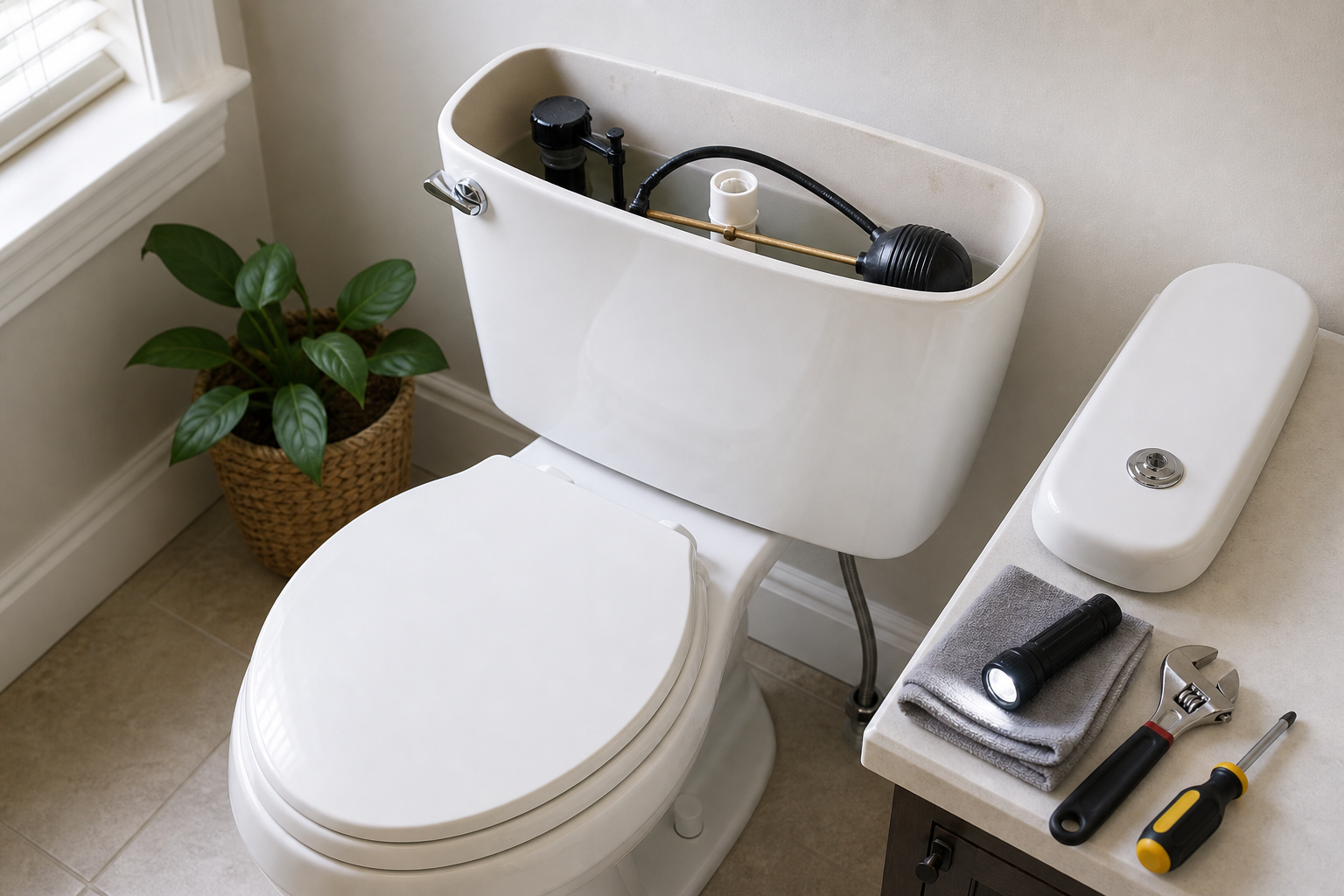
Confirm a falling toilet-tank level, interpret a dye test correctly, and separate tank-to-bowl loss from refill-tube siphoning or external water.
Read guide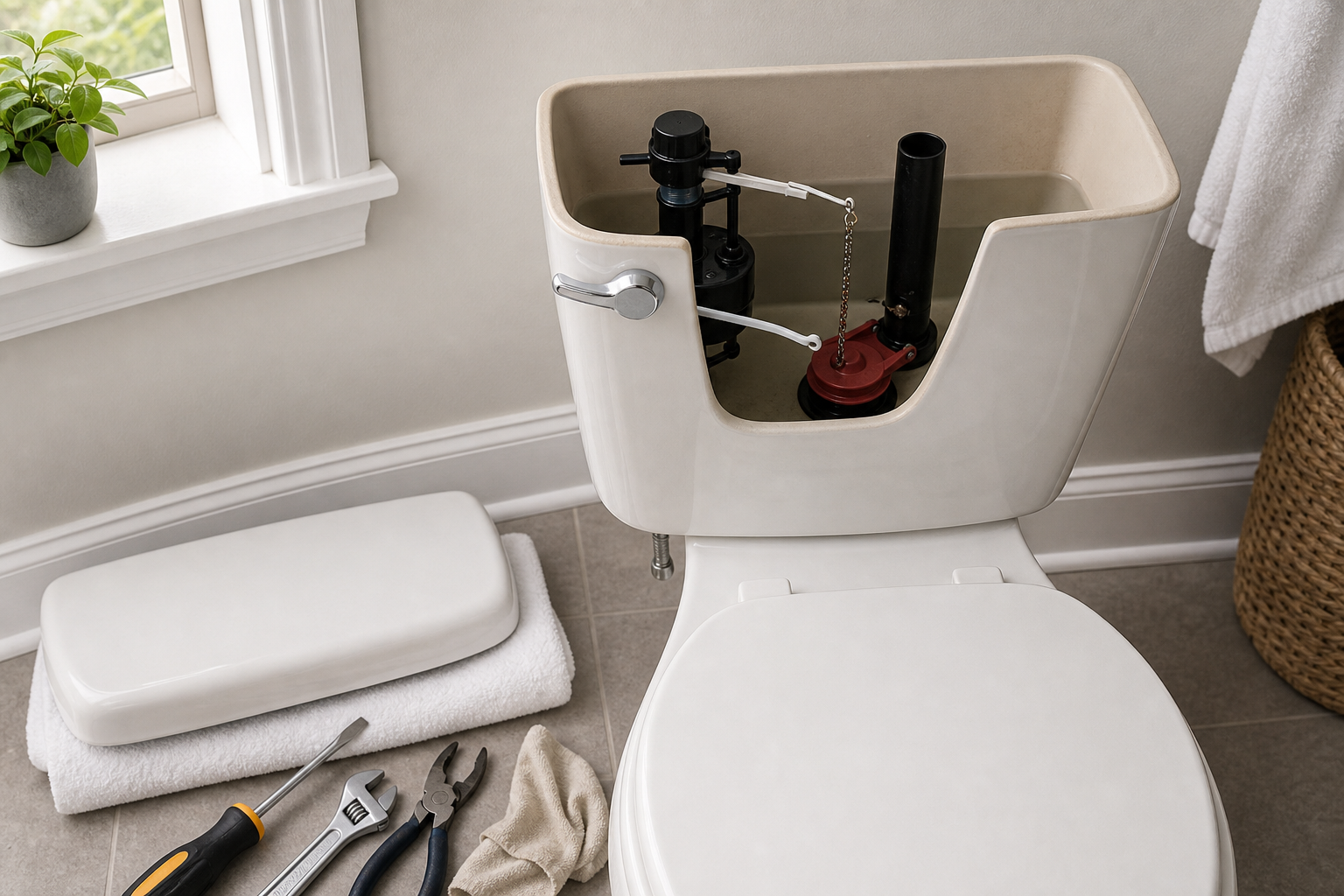
Check handle return, trip lever, chain slack, and handle nut without disturbing the fill valve, supply line, or toilet base.
Read guide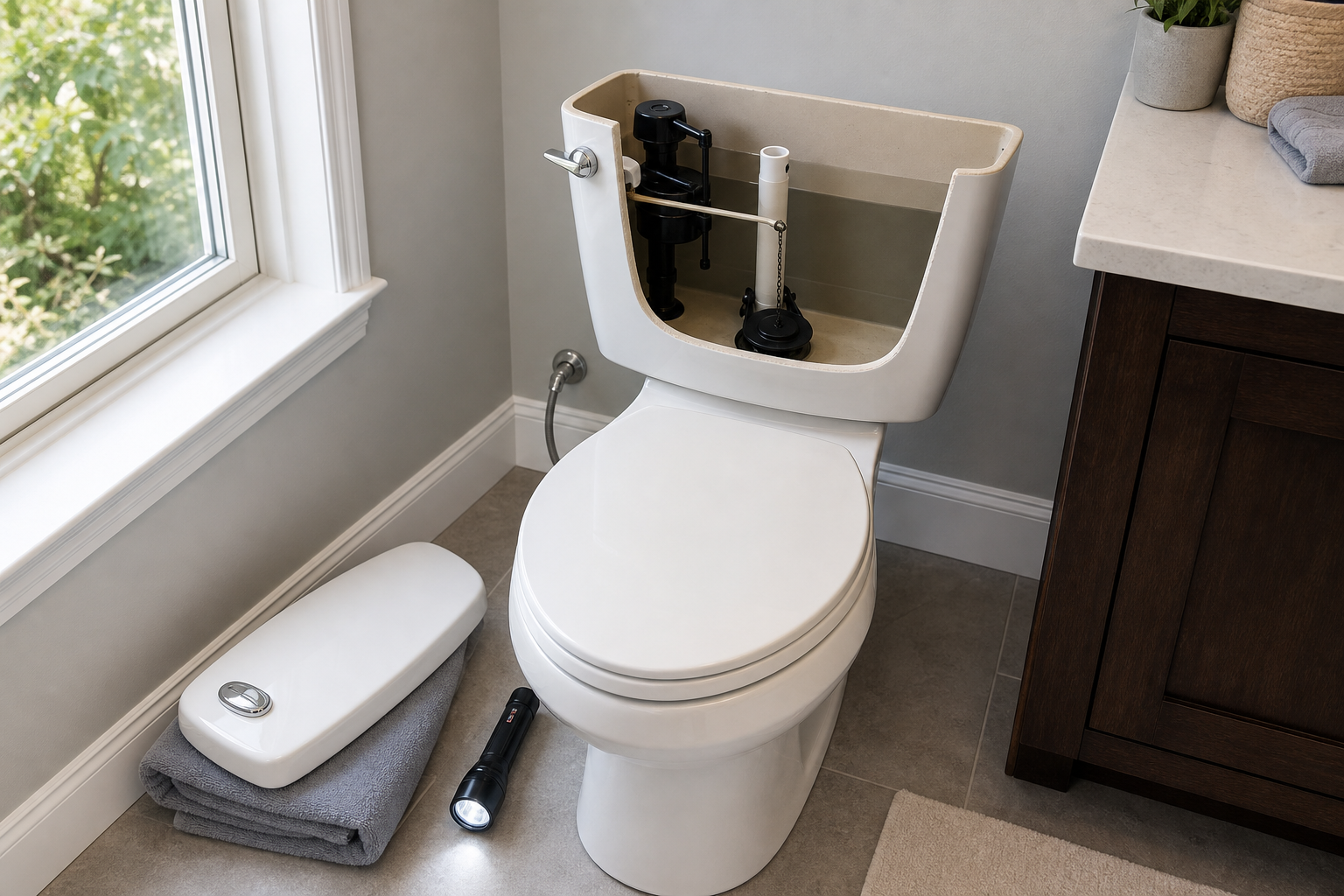
A toilet works through tank release, bowl siphon, trapway clearing, and refill; symptoms make more sense when those systems are separated.
Read guide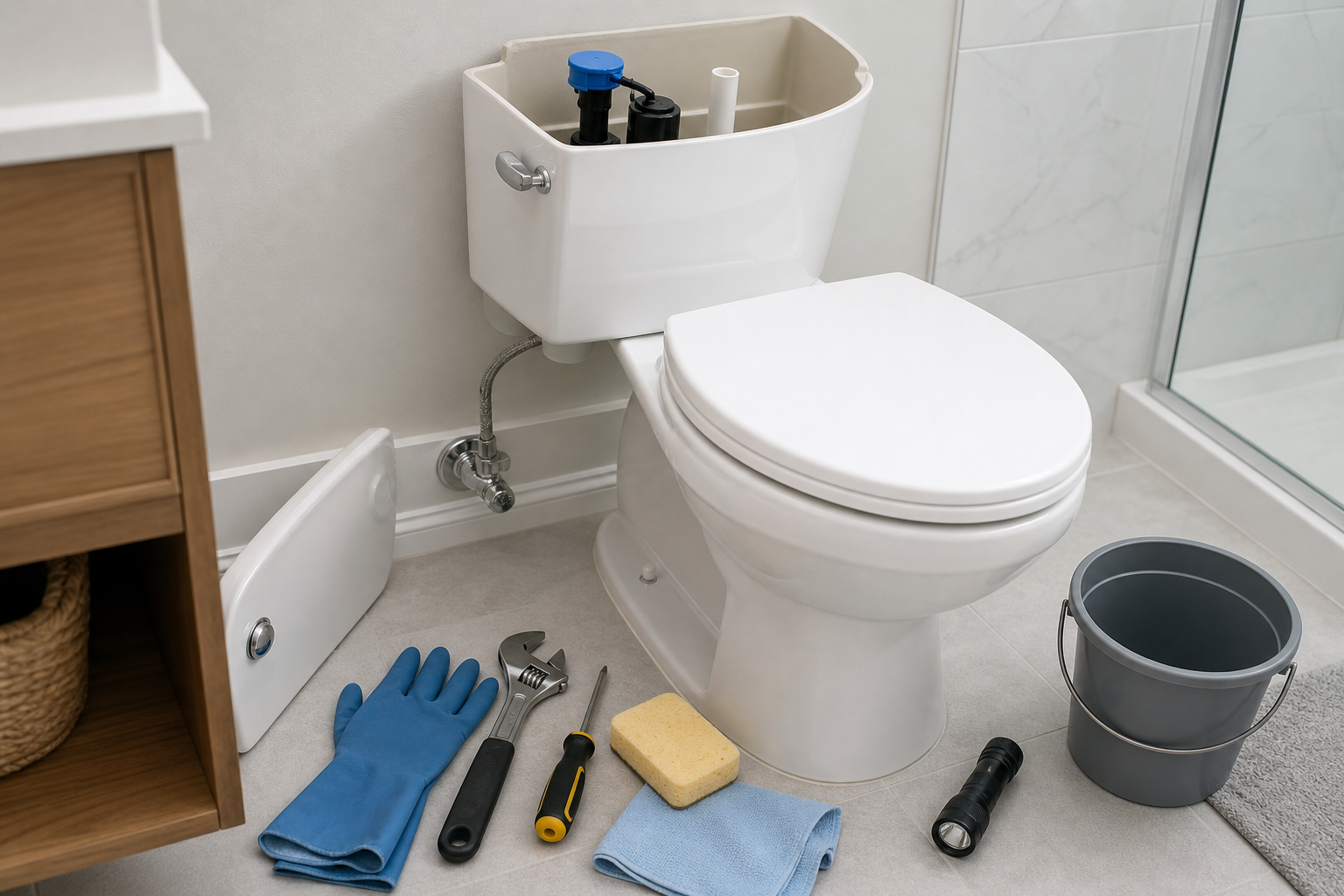
A safe toilet maintenance routine checks running water, leaks, rocking, shutoff access, seat hardware, bowl water, and repeated clog patterns.
Read guide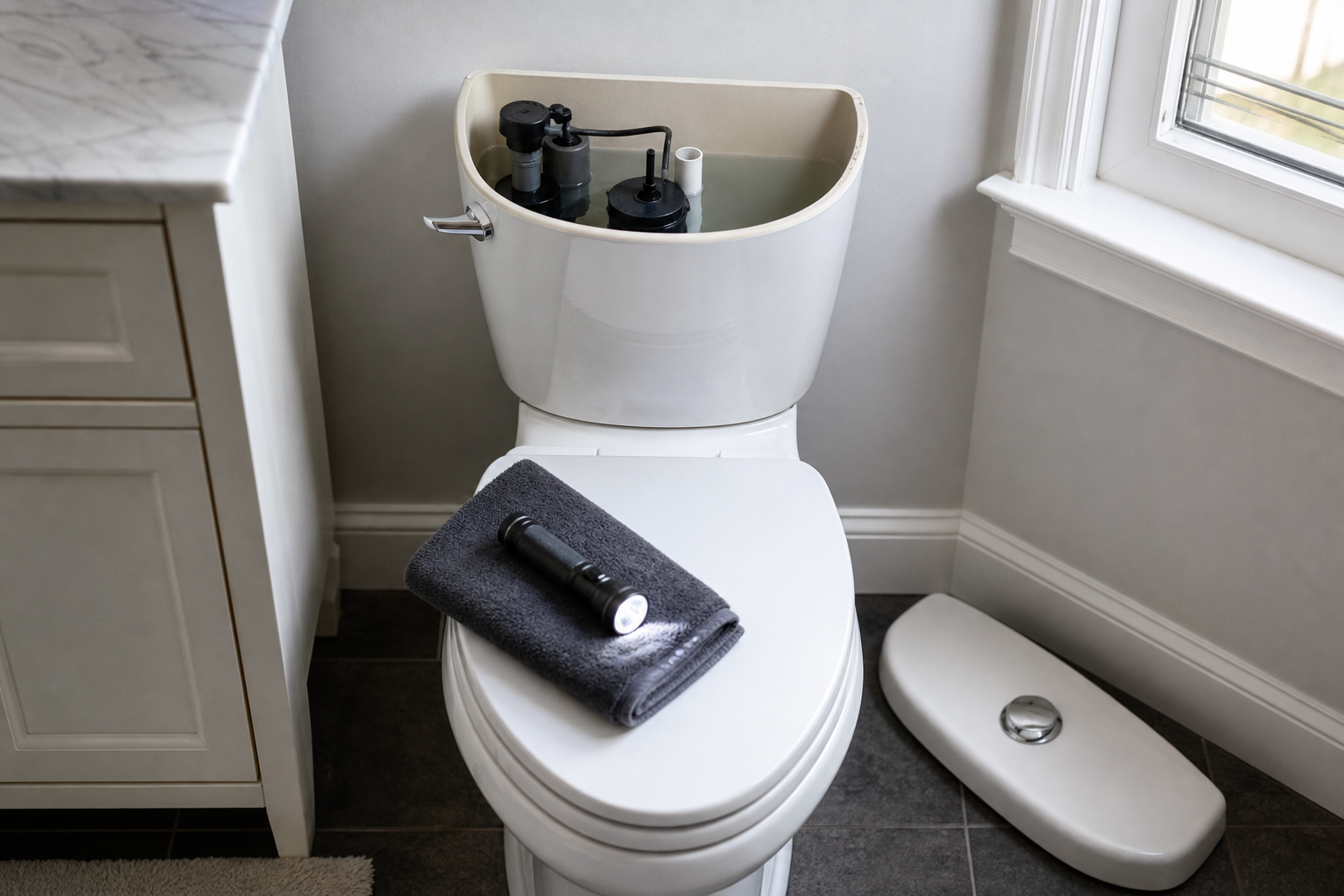
Document whether a running toilet sends water into the overflow tube, leaks past the flapper, or refills intermittently before estimating waste.
Read guide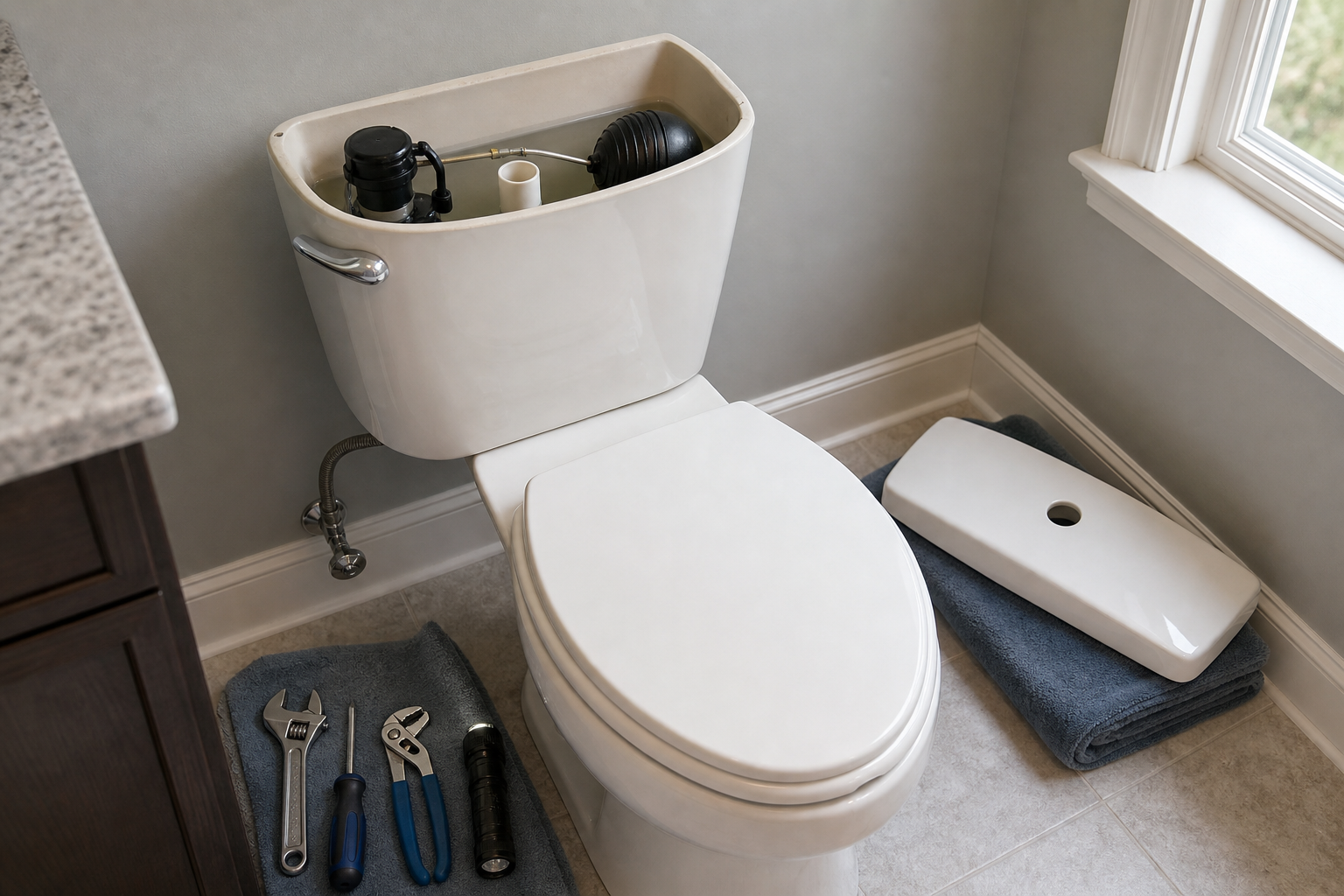
Time an unusually slow active refill, identify the toilet and fill valve, and separate duration from whistling, hissing, overflow, and later idle refills.
Read guide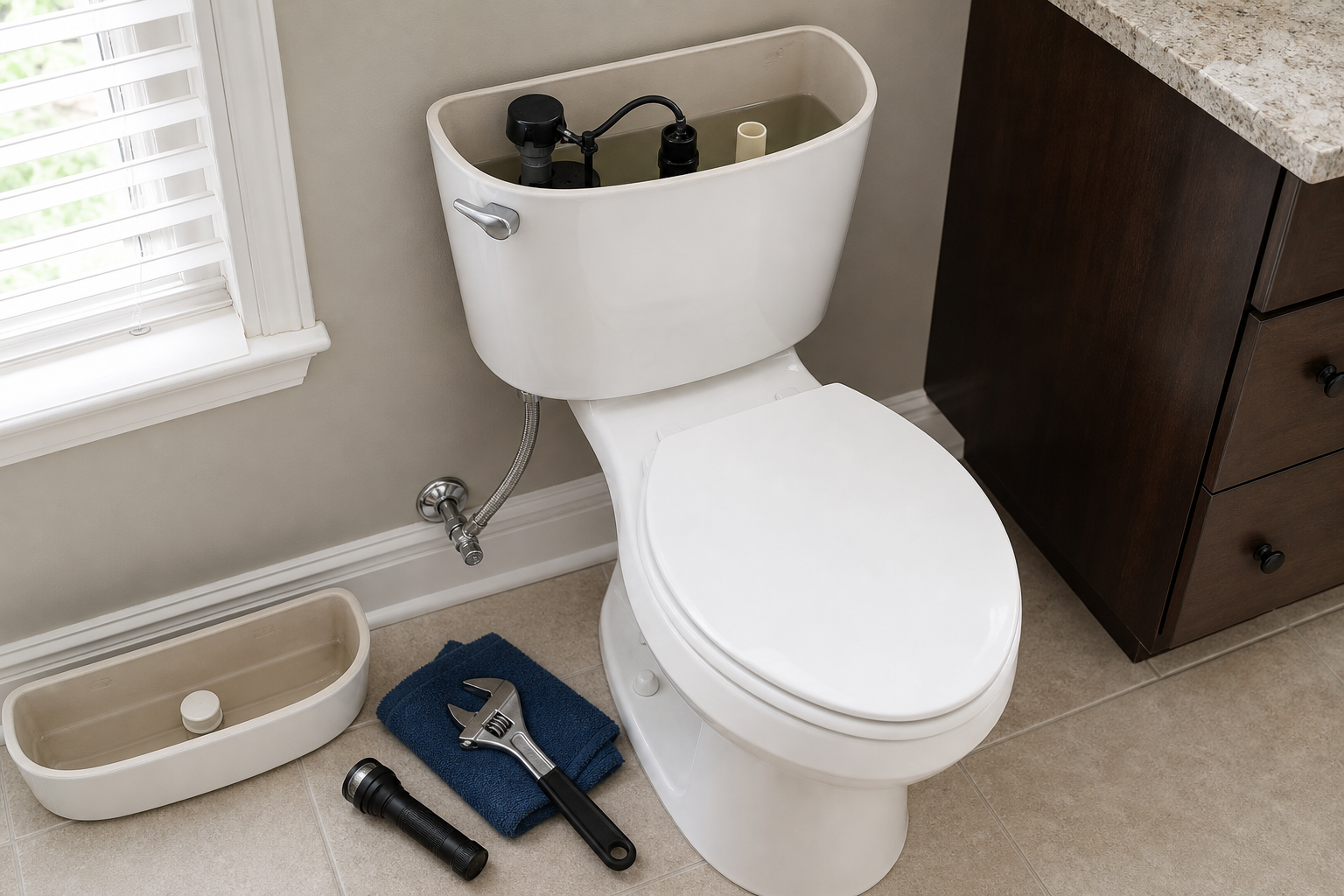
A tonal whistle during active refill can indicate restricted flow or a fill-valve problem; confirm timing, identify the model, and avoid forcing valves.
Read guide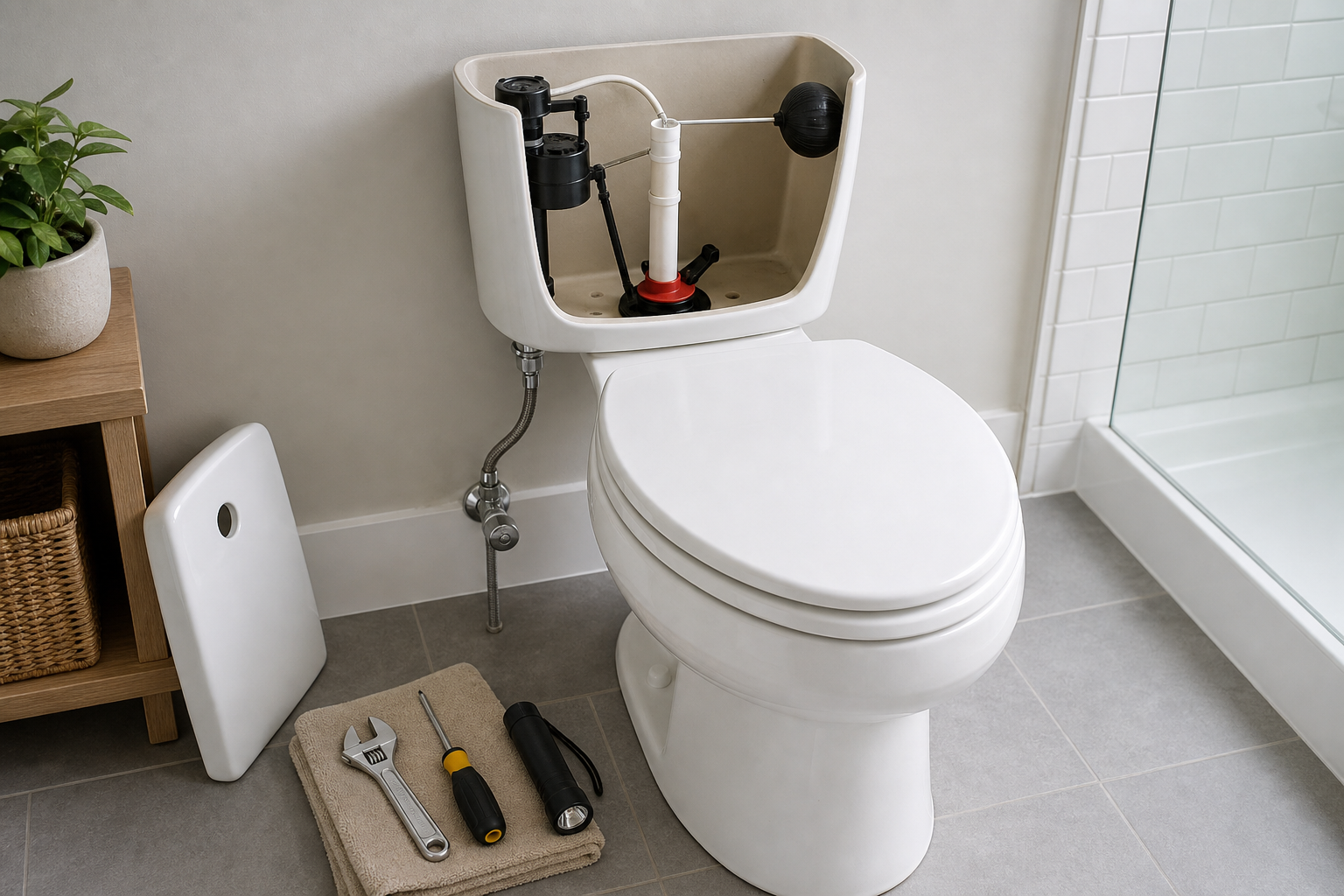
Quieter toilets depend on flush design, fill-valve behavior, pressure/pipe noise, and room acoustics—not a universal silent-flush promise.
Read guide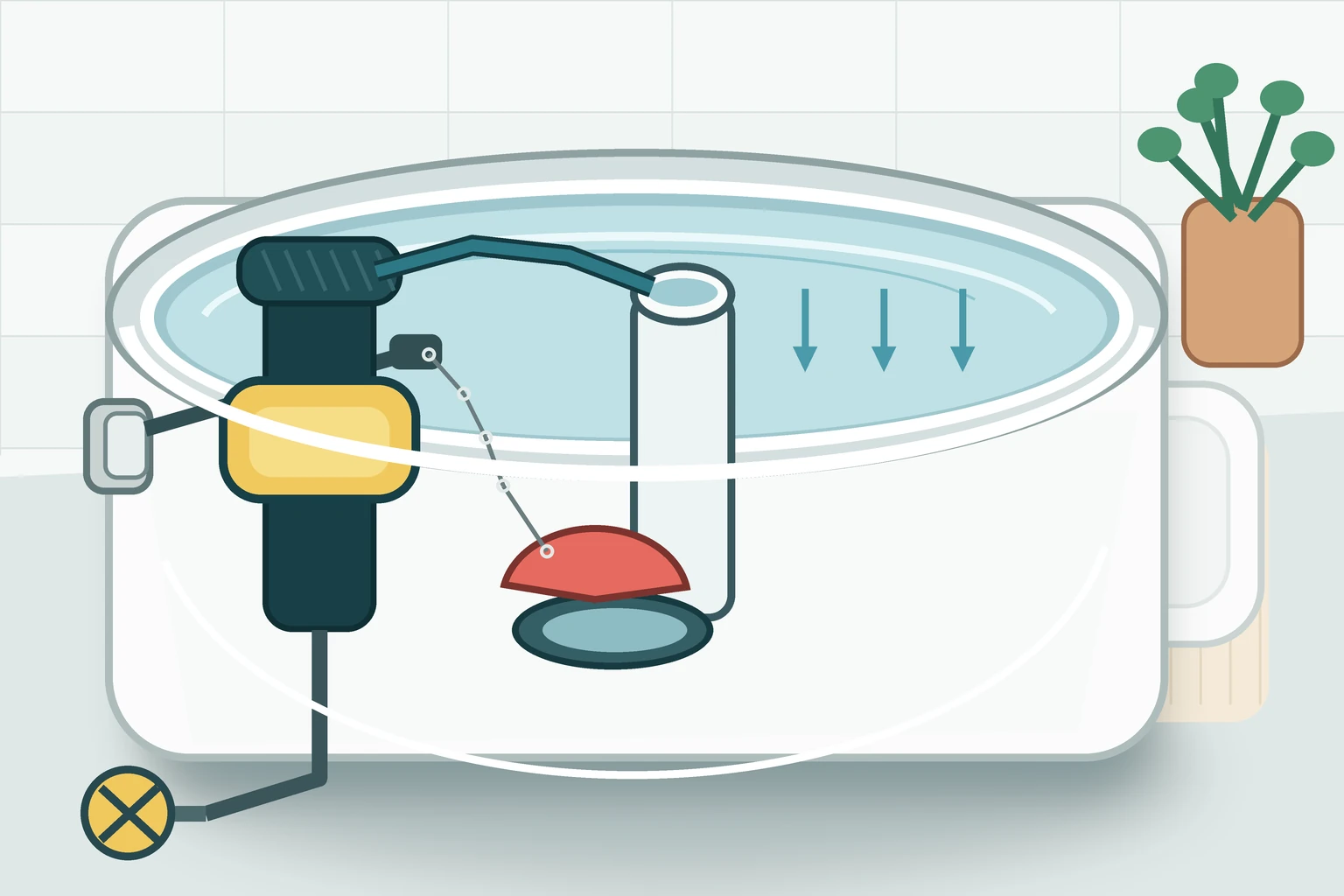
A running toilet may be caused by a leaking flapper, tangled chain, wrong float setting, misplaced refill tube, or worn fill valve. Find and fix it safely.
Read guide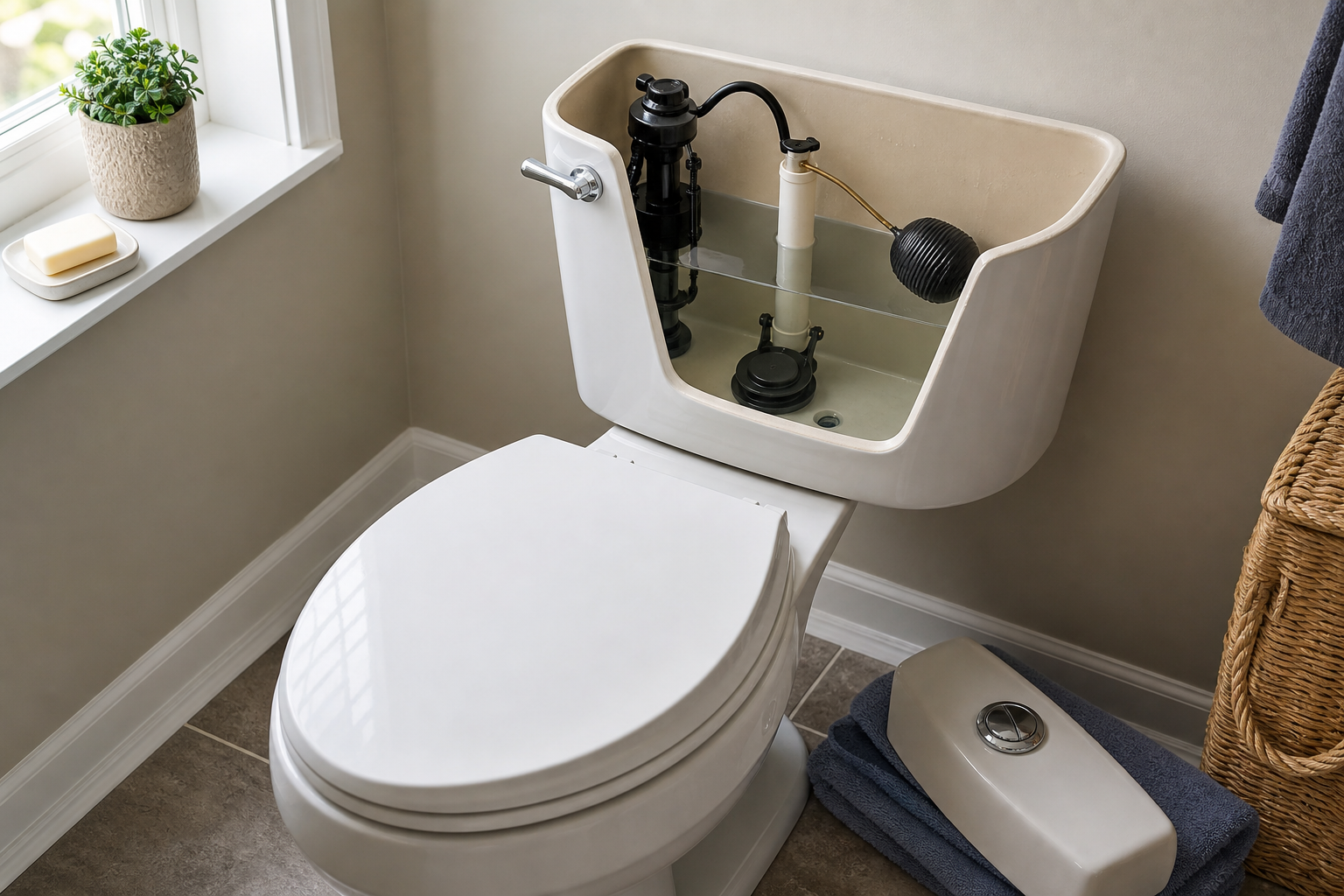
Separate normal refill sound from continuous hissing, recurring tank-to-bowl leakage, and shutoff or supply noise before buying toilet parts.
Read guide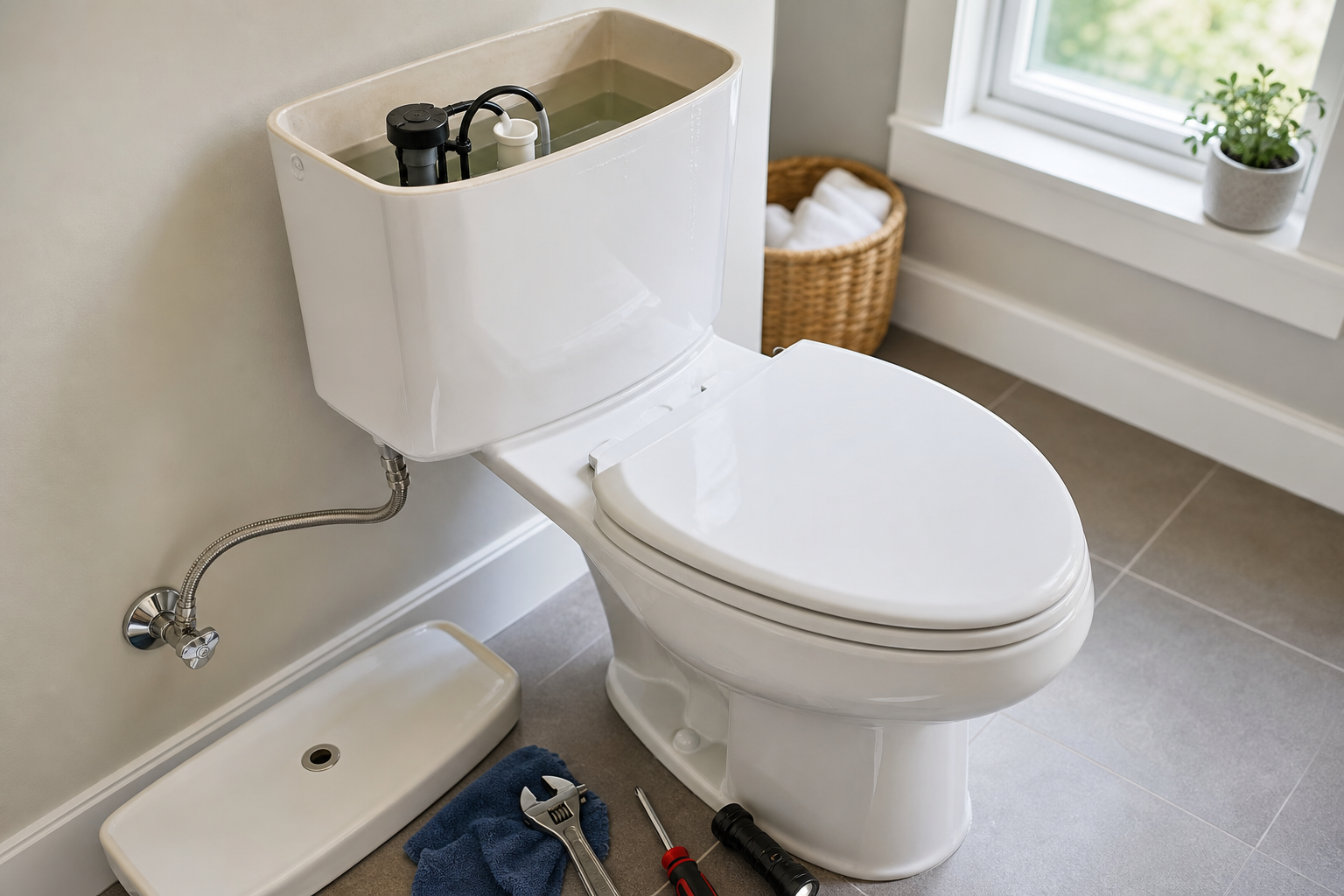
Use the toilet model’s marked waterline or exact manual after refill stops; avoid universal measurements and separate a stable level from running or leaking.
Read guide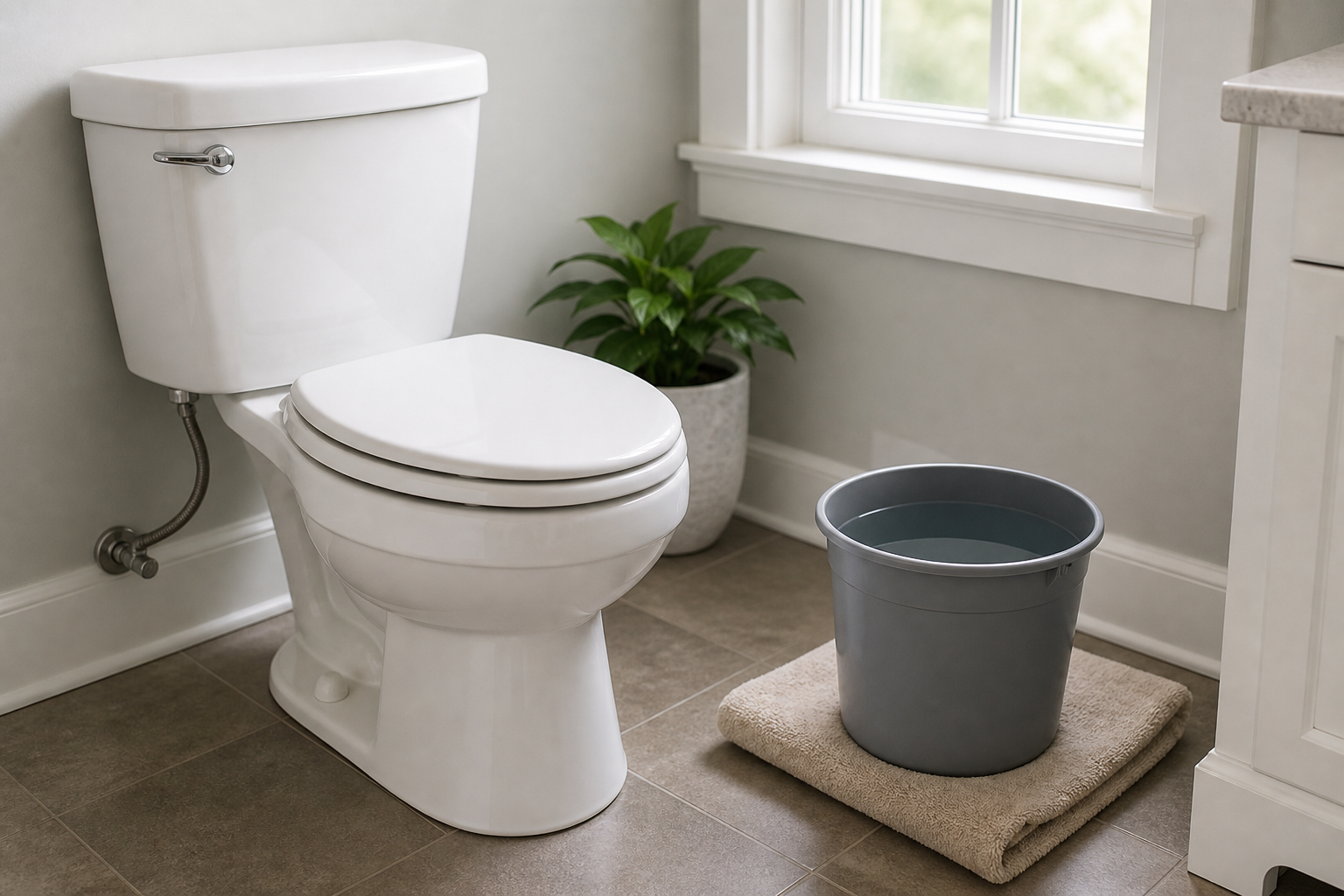
Safe temporary options during a water shutoff, with contamination and overflow cautions.
Read guide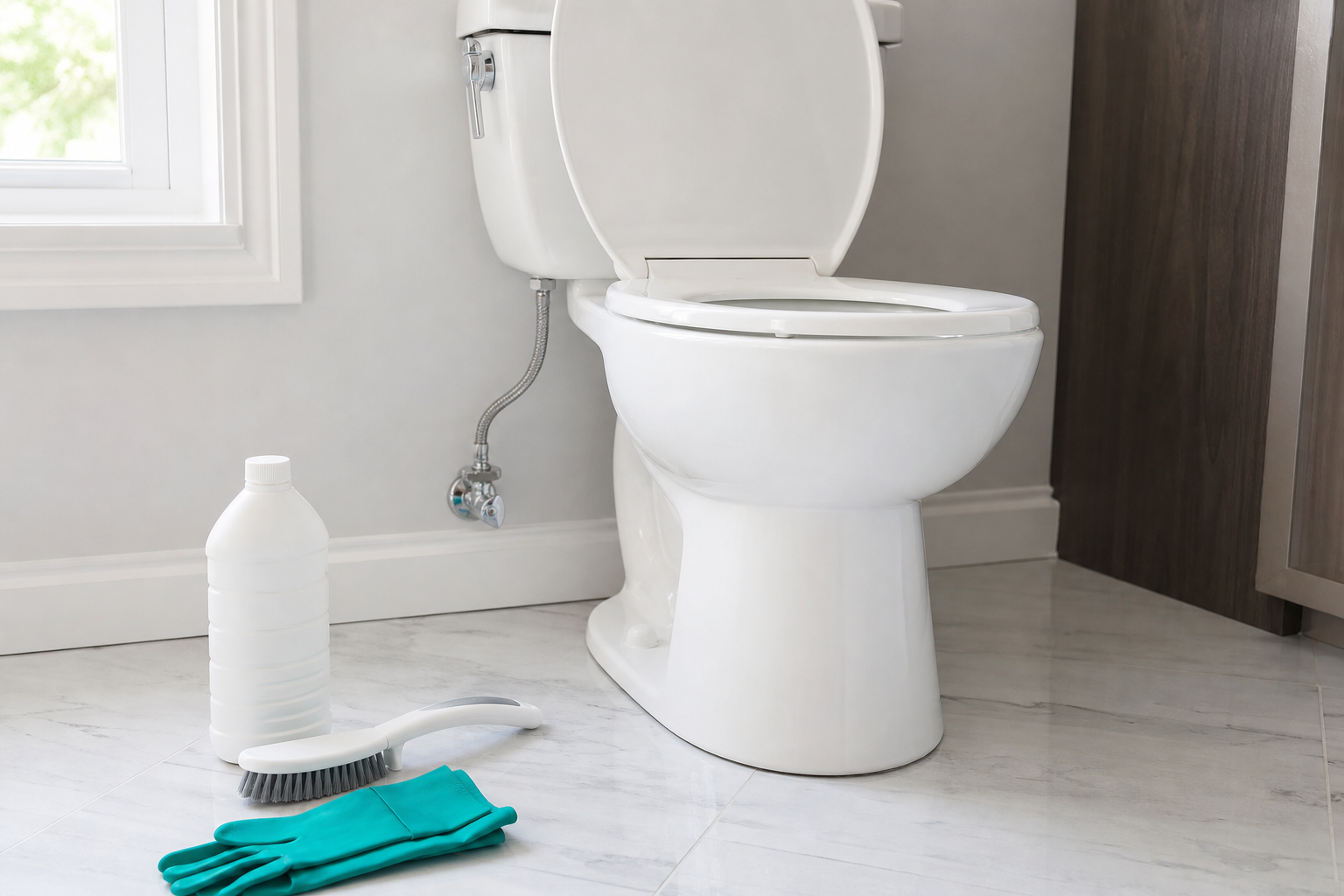
Toilet-bowl mineral deposits need cleaner-label caution, ventilation, and surface-safe methods; do not mix chemicals or scrape aggressively.
Read guide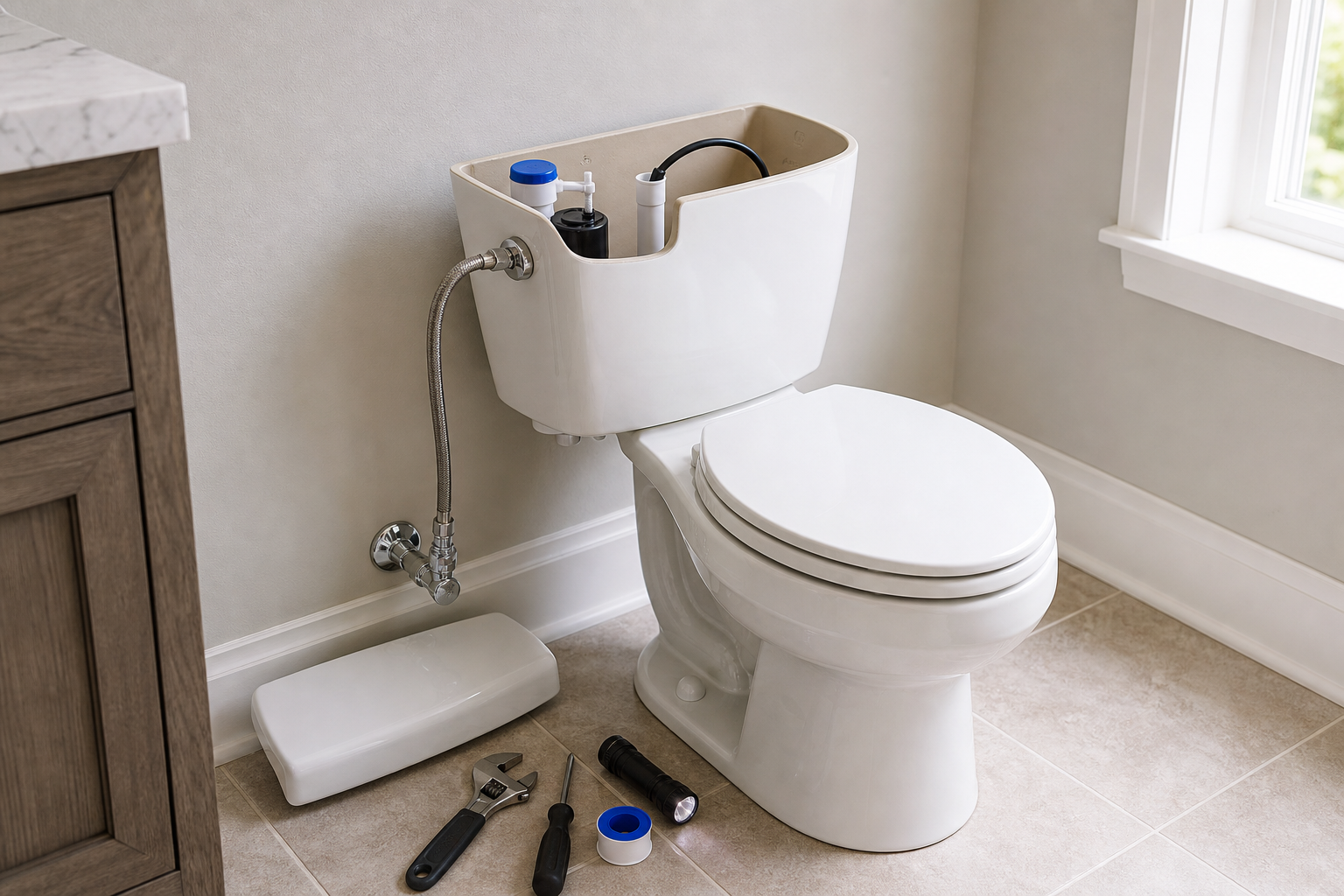
A high-pitched noise between uses may be a short refill after tank water loss; compare timing and visible tank movement before considering parts.
Read guide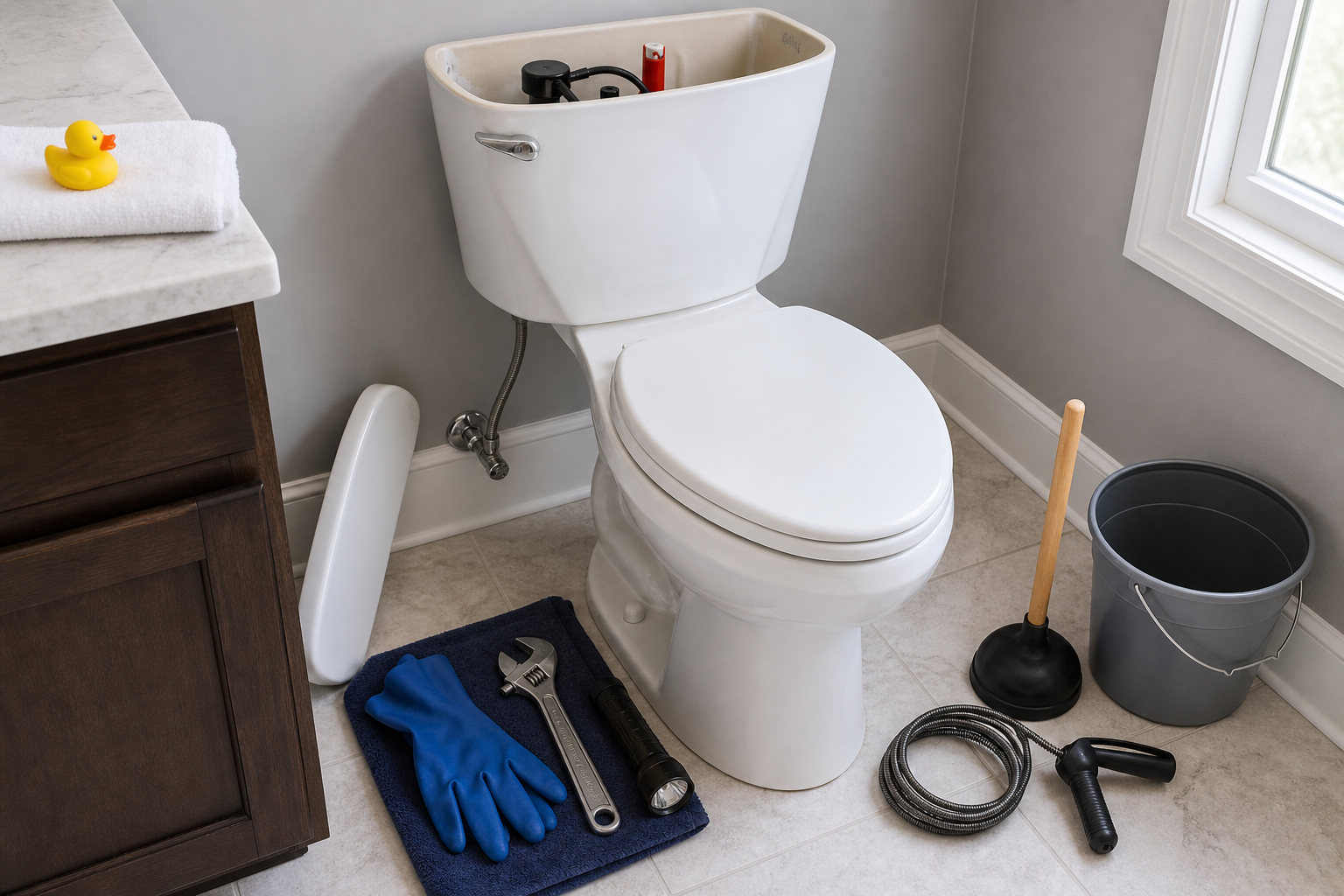
If a toy is flushed, stop flushing, avoid chemicals, and use symptom patterns to decide whether it is a toilet trap or drain-line problem.
Read guide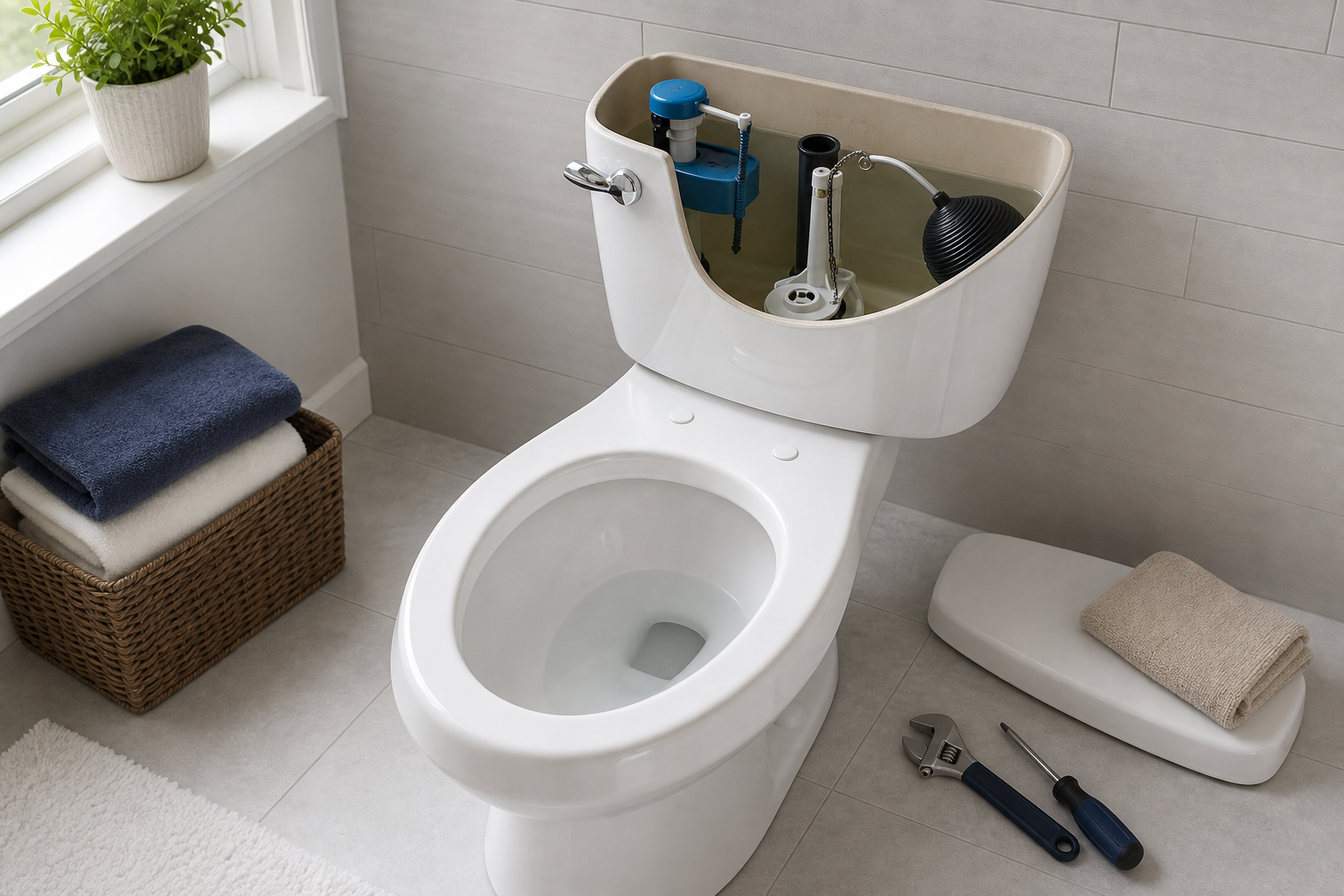
High bowl water can signal partial clog, trapway behavior, or drain risk; do not keep flushing if water rises or drains slowly.
Read guide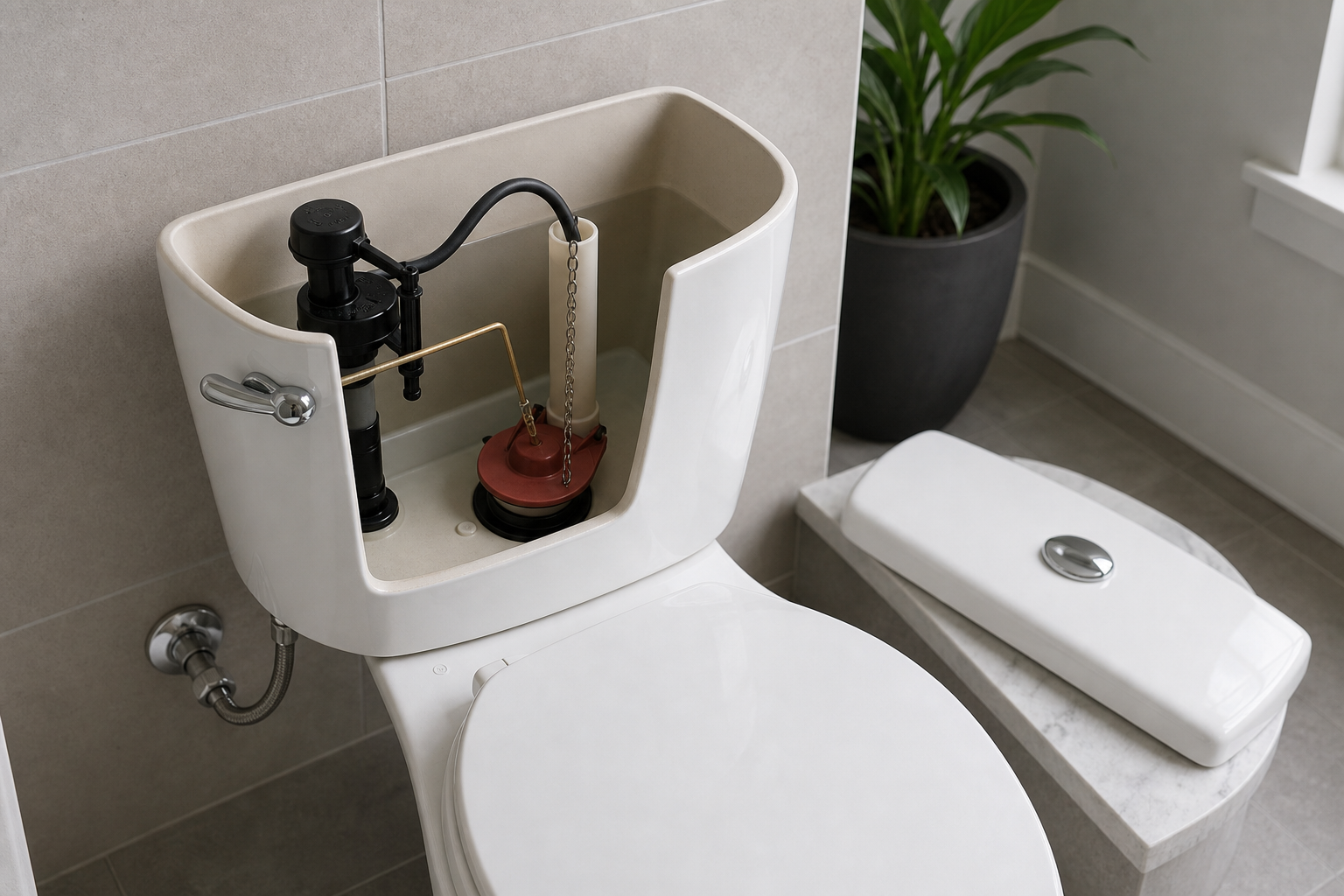
Simple checks for weak flush symptoms, plus when repeated clogs or venting signs need professional diagnosis.
Read guide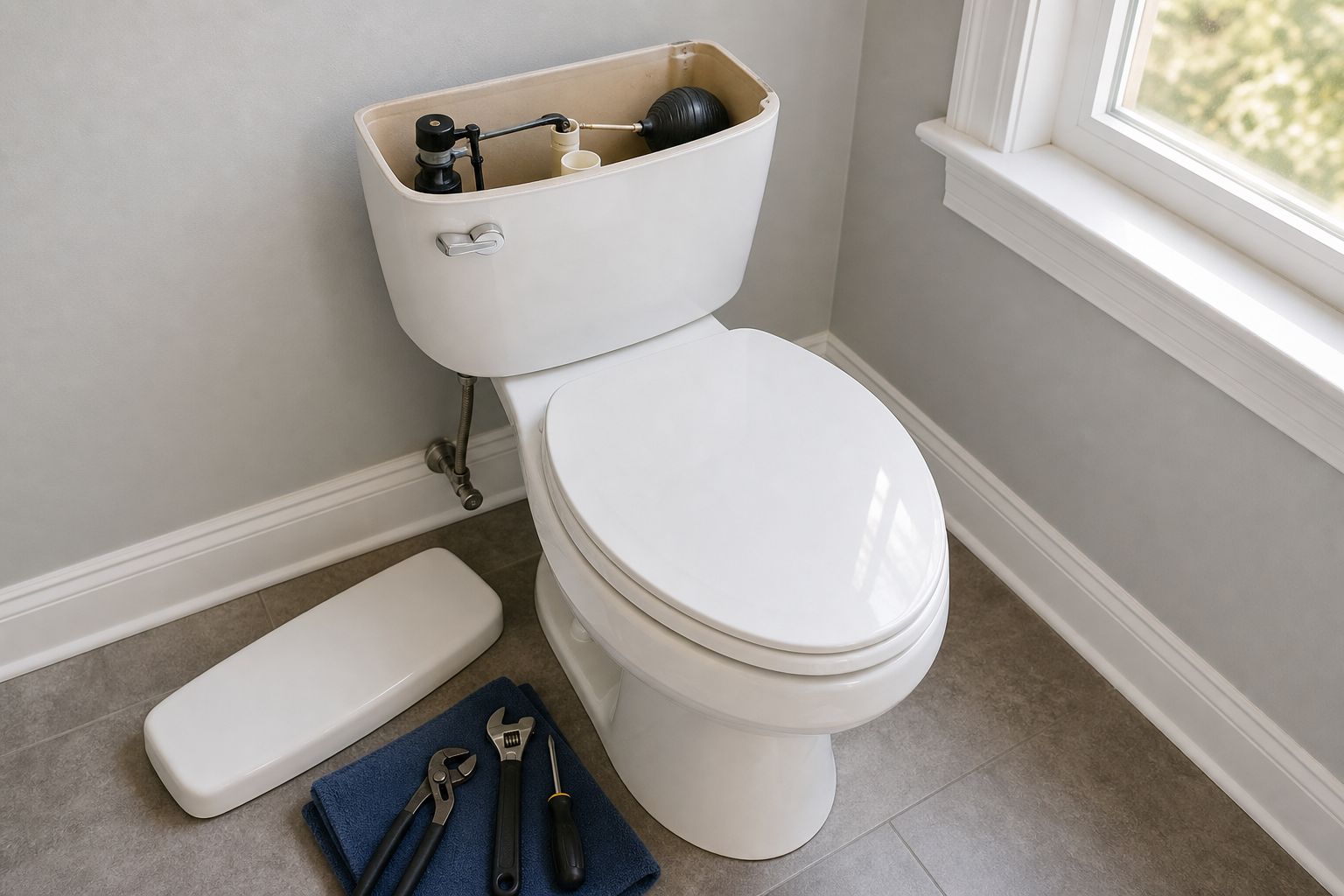
Low bowl water can involve refill tube position, tank refill behavior, evaporation, or vent/drain symptoms; observe before adjusting parts.
Read guide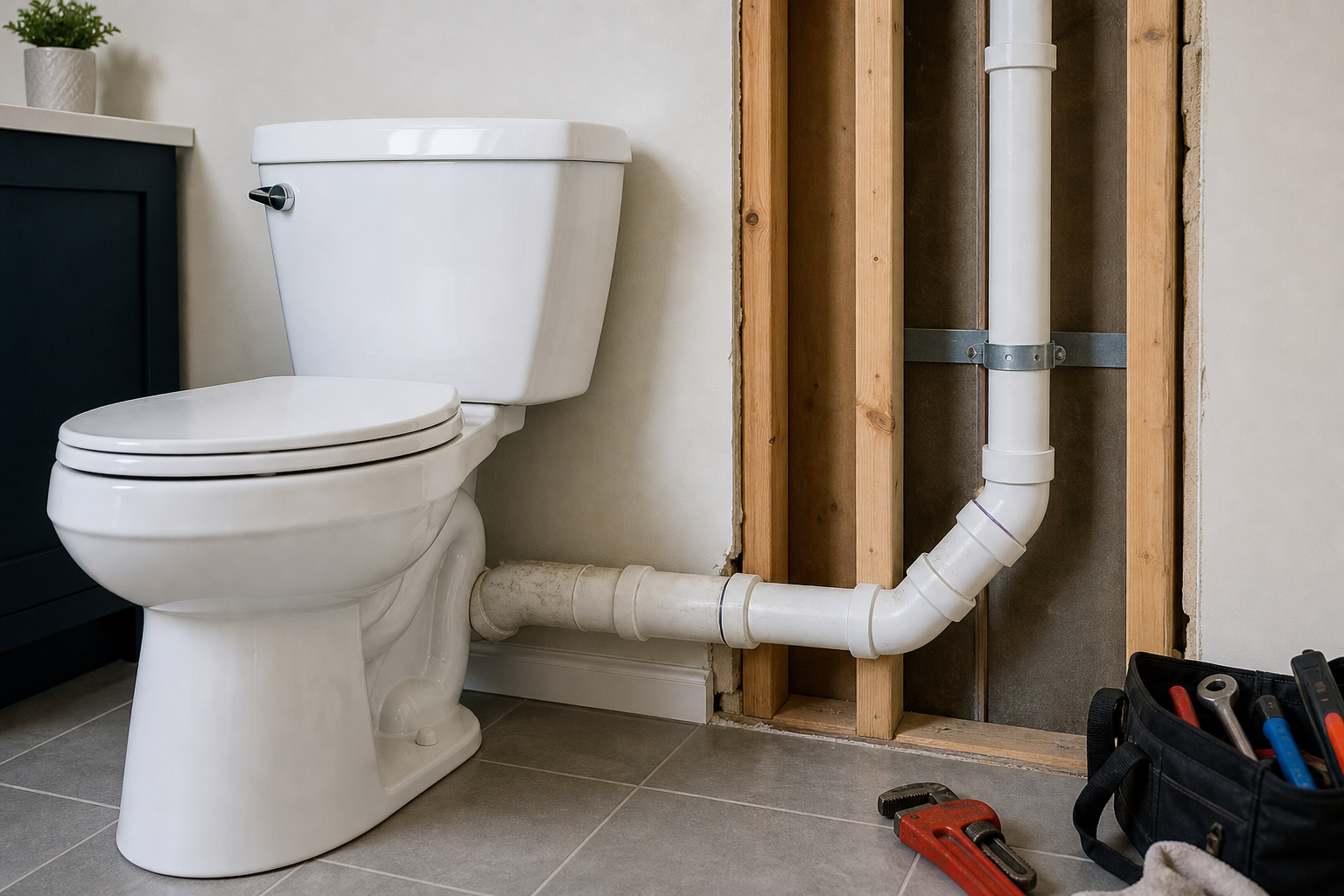
A toilet vent helps the drain system move air and protect trap seals; gurgling, bubbling, or sewer odor can mean it is time to stop and call a plumber.
Read guide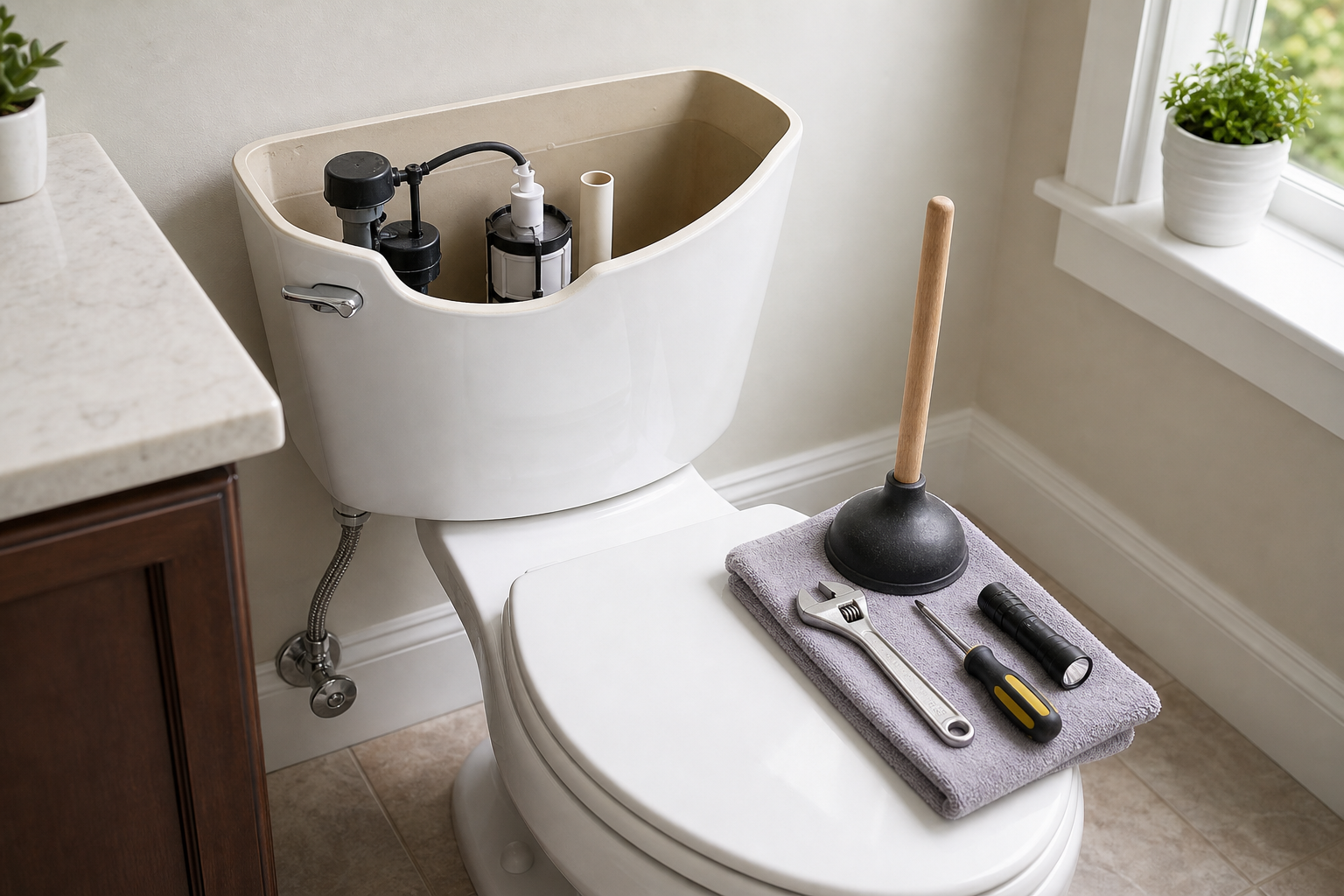
A toilet gurgle may involve venting, a partial clog, branch drain restriction, or main-line risk; use fixture patterns to decide when to stop using water.
Read guide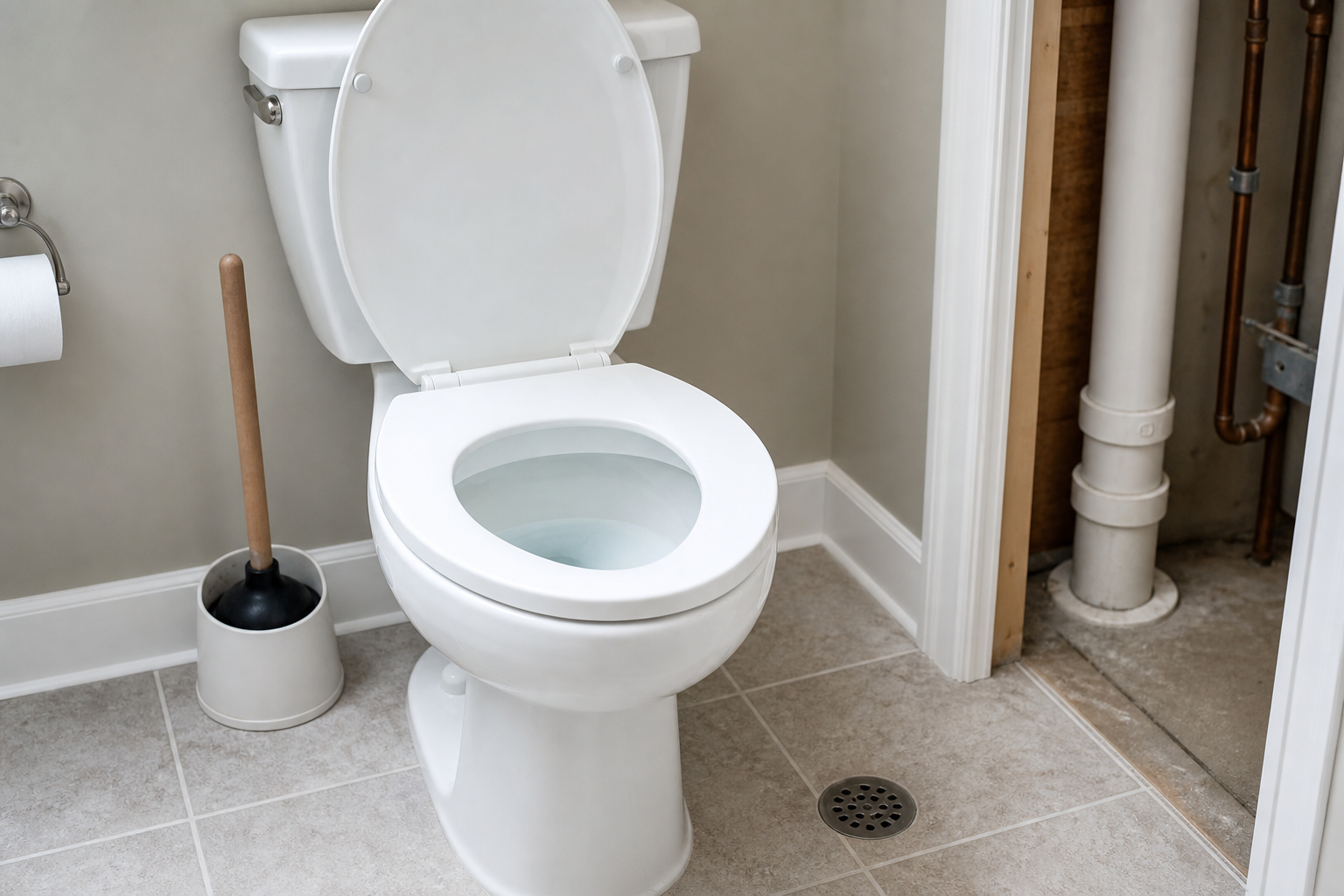
Toilet bubbles can be a local clog clue or a shared drain/vent warning; do not keep flushing if other fixtures react.
Read guide