Toilet
What a Toilet Vent Pipe Does and When Gurgling Is a Warning
A toilet vent helps the drain system move air and protect trap seals; gurgling, bubbling, or sewer odor can mean it is time to stop and call a plumber.
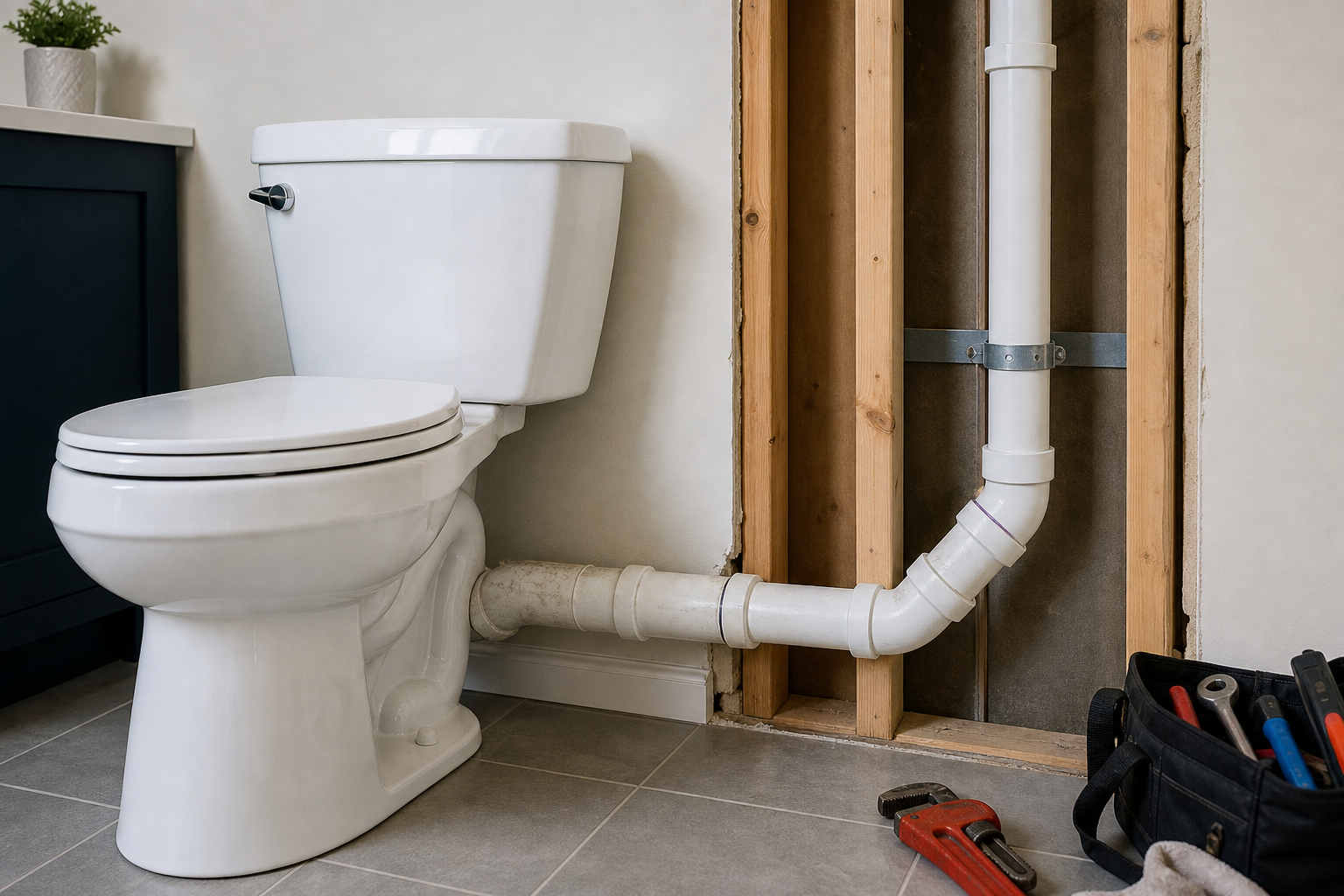
A toilet's drain connects to a vented drainage system. The vent allows air to circulate and helps limit pressure changes that could disturb the water seals in fixture traps. Those water seals help keep sewer gases out of living spaces. A vent may serve more than one fixture; the layout depends on the plumbing system and local rules.
What symptoms can—and cannot—tell you
- Gurgling when another fixture drains: Air movement through a trap is a clue to a drainage or vent problem, but it does not prove the roof vent is blocked. Record which fixture was in use and where the sound occurred.
- Several slow fixtures or rising water in a tub: A shared drain restriction or backup is possible. Stop using water and call a plumber promptly if wastewater rises or backs up.
- Persistent sewer odor or an unusually low bowl water level: A lost trap seal or another defect is possible. Tell the plumber whether the level changes after nearby fixtures drain. Do not mask a persistent odor and assume the system is sound.
One clogged toilet can also have a local obstruction, so sound alone does not locate the problem. Avoid chemical drain cleaners, especially when water is backing up or a professional may need to open the system.
When to get help
Call a plumber for recurring gurgling, sewer odor, multiple slow drains or a changing bowl water level. Do not climb onto the roof or attempt to snake a vent from this guide. Note recent work, the affected fixtures and whether wastewater is rising; those details help the plumber investigate the drain and vent together.
Sources
- Illinois General Assembly, Illinois Administrative Code, section 890.120, definitions of vent pipe and vent system (Cornell Legal Information Institute reproduction), pressure equalization and trap-seal protection; accessed October 27, 2026. This is an Illinois example, not a statement of requirements everywhere.
- U.S. Environmental Protection Agency, Energy Savings Plus Health: Indoor Air Quality Guidelines, water in traps and sewer-gas seals; accessed October 27, 2026.