Bathtub & Shower
How to Increase Shower Head Pressure: Safe Checks Before Repairs
Low shower pressure can be a showerhead, valve, supply, whole-house pressure, or water-heater issue; start with safe observation.
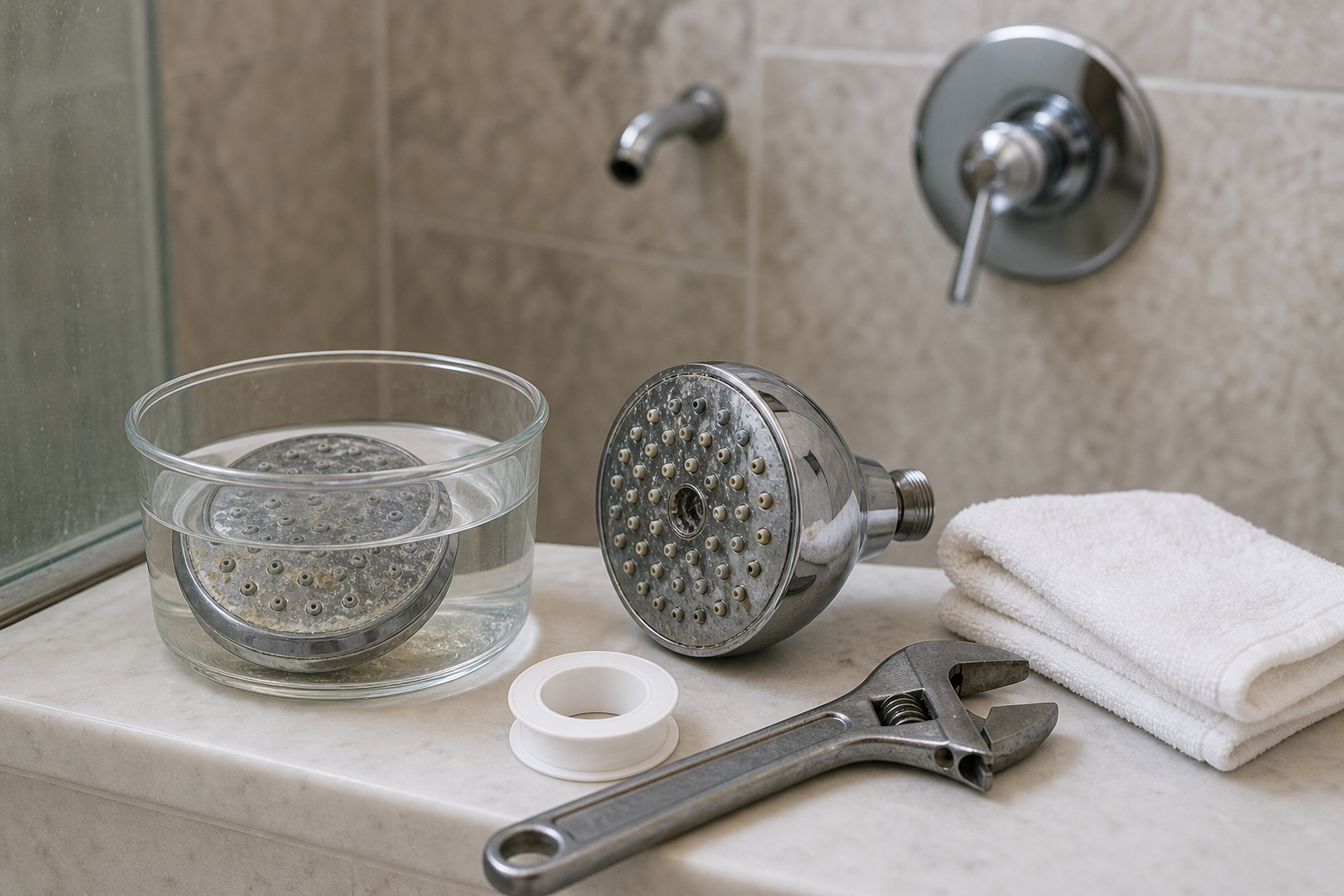
What to know about How to Increase Shower Head Pressure: Safe Checks Before Repairs
Start shower-pressure improvement by identifying one shower vs whole house, hot-only vs cold, recent utility work, showerhead restriction, valve position, and water-heater involvement. Do not drill restrictors, force valves, or open walls.
Signs and safe next steps
| Clue or choice | What it can mean | Safe next step |
|---|---|---|
| Only shower low | Showerhead/valve clue | Check showerhead if not stuck |
| Whole house low | Supply/regulator/filter clue | Check pressure guides |
| Hot only low | Water heater/mixing valve clue | Do not service heater here |
| Sudden change | Utility/debris/leak clue | Check notices and meter |
Decision aid: How to Increase Shower Head Pressure: Safe Checks Before Repairs
Start by identifying the relevant symptom, fixture, or planning question before choosing parts or arranging work.
Write down when the issue began, what changed, which fixtures are affected, and any model or service-history details. That record makes it easier to compare the article with the exact product documentation and to explain the problem if qualified help is needed.
- Note whether the problem is at the trim, spout, showerhead, drain, valve, wall, or ceiling below before choosing a remedy.
- Match product-specific directions to the exact model manual and confirm local requirements where installation, gas, electricity, water quality, or structural work is involved.
- Stop if trim movement affects piping in the wall, waterproofing is damaged, or water appears outside the bathing area.
Authoritative references for this topic
Use the current version of these sources to verify safety, efficiency, health, or product-specific details that apply to your situation.