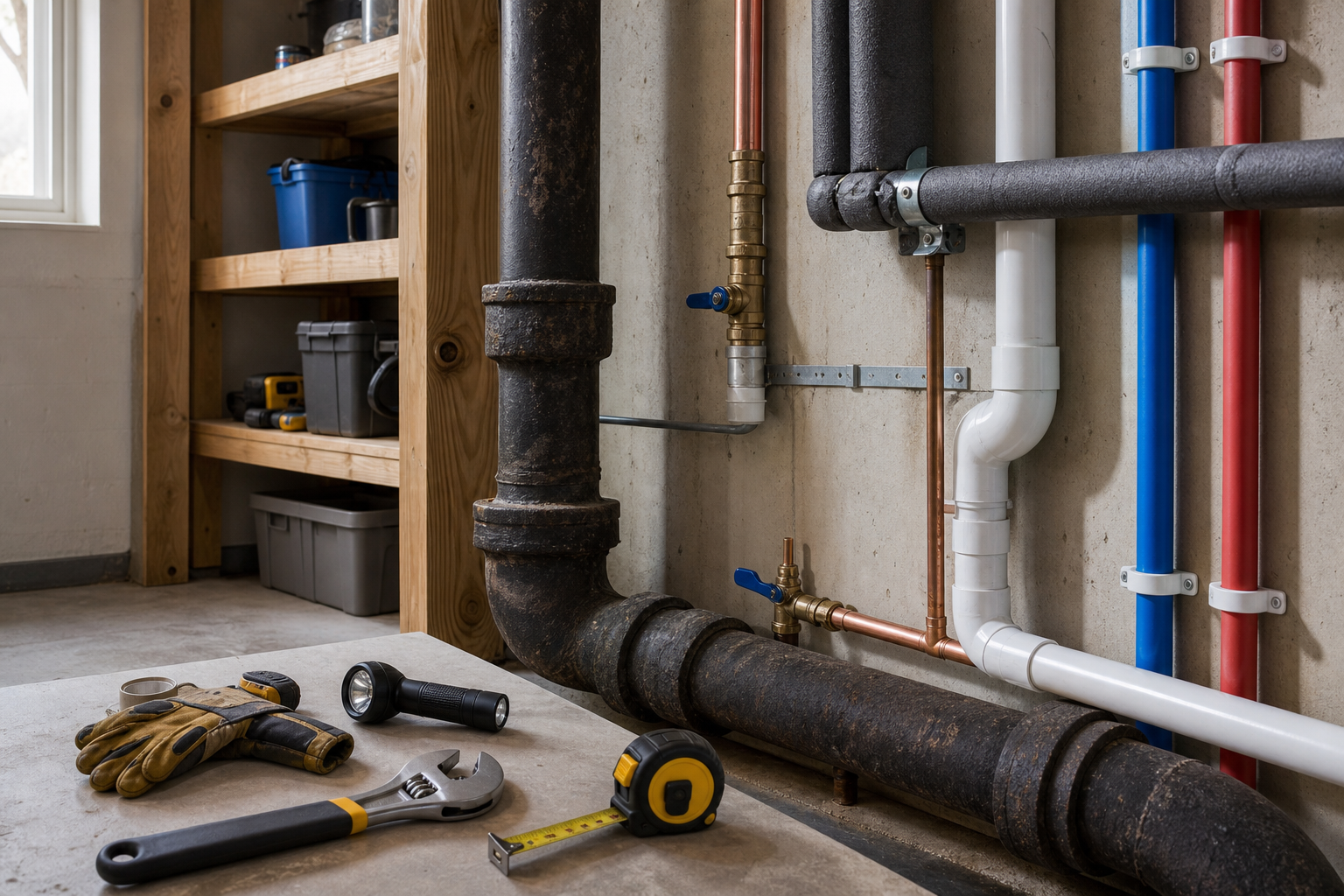
How Long Do Cast Iron Pipes Last

How Long Do Cast Iron Pipes Last?

Cast iron pipes are popular for home sewer plumbing systems due to their strength and durability. But how long do cast iron sewer lines last? The lifespan of cast iron pipes can vary depending on several factors, including maintenance, corrosion, and the type of pipe used. It is important to regularly check for any spigot leaks or signs of deterioration to prevent sewage backup.

Identifying cast iron pipes can be challenging as they look similar to other types of metal piping. However, one way to identify them is by their thickness and weight. Cast iron pipes are typically thicker and heavier than other metal pipes such as galvanized steel or copper. Cast iron pipes are commonly used with spigot joints for easy installation and maintenance. PVC pipes are a popular alternative to cast iron pipes due to their lightweight and cost-effective nature, although they may not be suitable for all applications such as home sewer lines. Cast iron pipes are made using sand molds, which give them their characteristic rough texture and durability.

It’s important to consider the conditions that the home sewer pipe is exposed to in sewage systems. If the soil is highly acidic or contains high levels of moisture, this can accelerate corrosion and shorten the pipe’s lifespan. In general, cast iron pipes can last up to 100 years or more with proper care and maintenance, but if there is a need for repair, it’s important to address it promptly to avoid further damage to the sewer systems.

However, over time, corrosion will eventually take its toll on even well-maintained cast iron plumbing systems. When this happens, repair or replacement of water pipes becomes necessary. Iron sewer pipe replacement can be costly depending on the extent of damage and how much needs replacing. In addition to repairing or replacing water pipes, it is important to maintain and periodically pump a septic tank to avoid blockages and backups. And don’t forget to check your outdoor spigot for leaks to prevent wasting water and money.

Ductile iron pipe is a newer alternative to traditional cast iron plumbing that offers improved durability and resistance to corrosion. Ductile iron is made by adding small amounts of magnesium into molten iron, creating a more flexible material that can withstand greater stress without cracking or breaking.

What Is Cast Iron?

Cast iron is a durable and strong material used for centuries. It’s made by melting iron and adding other elements like carbon and silicon.

Cast iron pipes were commonly used for plumbing in homes built before the 1970s. They were popular because they resist corrosion and withstand high pressure and temperature changes.

However, cast iron pipes can develop problems such as cracks, leaks, and blockages over time due to rust buildup or other factors. This can lead to costly repairs or even replacement of the entire system.

If your home has cast iron plumbing, it’s important to be aware of its age and condition so you can take appropriate measures to maintain it or replace it if necessary.

There are alternatives to cast iron pipes available today, such as PVC piping, which some homeowners may choose when renovating or upgrading. These newer materials have their pros and cons that should be considered before making a decision.

Factors that affect the lifespan of cast iron drain pipes

Corrosion caused by metal molds is the main factor that affects the lifespan of cast iron drain pipes. Cast iron pipes, with their spigot and socket joints, have been used for centuries as a reliable plumbing material due to their durability and strength. However, like any other material, they are subject to wear and tear over time. Corrosion is the most common cause of failure of cast iron pipes, which can lead to leaks, clogs, and even structural damage after years of use.

The pH level of the water flowing through iron piping and cast iron plumbing can accelerate corrosion. If the pH level of the water is too acidic or alkaline, it can cause chemical reactions that degrade the metal over time. For instance, if the water has a low pH level (acidic), it can corrode and dissolve away at the ductile iron pipe walls from inside out. Similarly, molds can grow in the pipes and speed up corrosion, especially when combined with high levels of dissolved oxygen in the water.

Soil conditions can also contribute to corrosion in cast iron drain pipes, affecting the life of the house’s plumbing system. High moisture levels in soil create an environment where rust and corrosion thrive, leading to potential problems in the years to come. Soil with high acidity levels or high concentrations of certain minerals such as sulfates or chlorides can exacerbate corrosion by creating chemical reactions with cast iron.

The thickness of iron piping walls and quality of cast iron plumbing installation also affect its lifespan. Pipes made of ductile iron can last for years, especially those with thicker walls that are less prone to cracking or breaking under pressure than thinner-walled pipes. Proper installation techniques ensure that joints between sections of cast iron plumbing are secure and leak-free.

Regular maintenance and inspections are crucial in identifying potential issues before they become major problems. House owners should have their cast iron drain pipes inspected by professionals with experience working with this plumbing system every few years. They will be able to identify any signs of corrosion or other damage early on, including joint issues, so that repairs can be made before serious issues arise.

Signs of potential cast iron drain pipe failure

Sewage backup is a common symptom of cast iron sewer pipe failure, which can affect your house’s plumbing system. When this type of pipe fails, sewage can back up into your home and cause health problems. You may notice that your drains or joints are not working properly, or your house has a foul smell. In some cases, you may also notice that the water in your toilet bowl is rising instead of going down.

Water damage and water discoloration are signs of potential cast iron drain pipe failure in your house’s plumbing system. If you see water damage on walls or ceilings, it could indicate a leak in one of your pipes or joints. Water discoloration can also be caused by rust from corroded cast iron pipes in your plumbing system.

Root intrusion can cause deflection in the system and lead to cast iron drain pipe failure. Tree roots seek out moisture and nutrients, attracting them to sewer lines in the house. Over time, they can grow into the pipes and cause blockages or even break the joint of the pipes apart.

Rough surface caused by hydrogen sulfide can also be a common cause of cast iron drain pipe failure and joint damage. Hydrogen sulfide gas is produced when bacteria break down organic matter in wastewater systems. This gas can react with the interior surfaces and joints of cast iron pipes, causing them to become rough and brittle over time.

If you suspect that your cast iron drain pipes and joints are failing, it’s important to take action immediately to prevent further damage. One option is to have a professional plumber inspect your plumbing system for signs of corrosion or other joint issues.

In some cases, replacing all or part of your water pipes or sewer pipes with newer materials such as PVC or ABS plastic piping may be necessary for pipe replacement and repair. These materials are more resistant to corrosion and root intrusion than traditional cast-iron piping.

Tips for maintaining your cast iron drain pipe

Tips for maintaining your cast iron drain pipe:

To ensure the longevity of your cast iron drain pipes and joints, it’s important to take proper care of them. Here are some tips to help you maintain your cast iron drain pipe joints:

Regular inspection and maintenance: Regularly inspecting and maintaining your cast iron drain pipes and joints can help identify potential problems before they become major. Look out for signs of corrosion, cracks ands, joints, and leaks or blockages.

Avoid using harsh chemicals: Harsh chemicals such as bleach and drain cleaners can cause damage to the interior lining of the cast iron pipes. Instead, use natural cleaning solutions such as vinegar and baking soda.

Proper disposal of waste: Avoid flushing non-degradable items down the toilet or sink, as these can lead to pipe blockages. You can use a bin to dispense of waste properly. This is especially important for cast iron plumbing, ductile iron, and cast iron systems.

Be mindful when landscaping: Be cautious when landscaping around your home, particularly near the cast iron plumbing or ductile iron pipes. Avoid planting trees or shrubs with invasive roots that could potentially damage the pipes.

Consider replacement: If your cast iron drain pipes are showing signs of significant wear and tear, consider replacing them with newer materials such as PVC or ABS plastic.