Hard water stains on glass surfaces can turn your beautiful shower doors, windows, and mirrors into unsightly, cloudy messes. These stubborn mineral deposits form when water with high mineral content evaporates, leaving behind calcium and magnesium residue that seems impossible to remove. The good news is that with the right approach and common household items, you can restore your glass surfaces to their original crystal-clear shine.
Whether you’re dealing with shower glass hard water buildup, water spots on windows, or cloudy drinking glasses, this comprehensive guide will walk you through proven methods to tackle these persistent stains. You’ll discover DIY solutions that work better than expensive commercial cleaners, plus expert tips to prevent future buildup.
Sparkling Start: Instant Hard Water Stain Fix
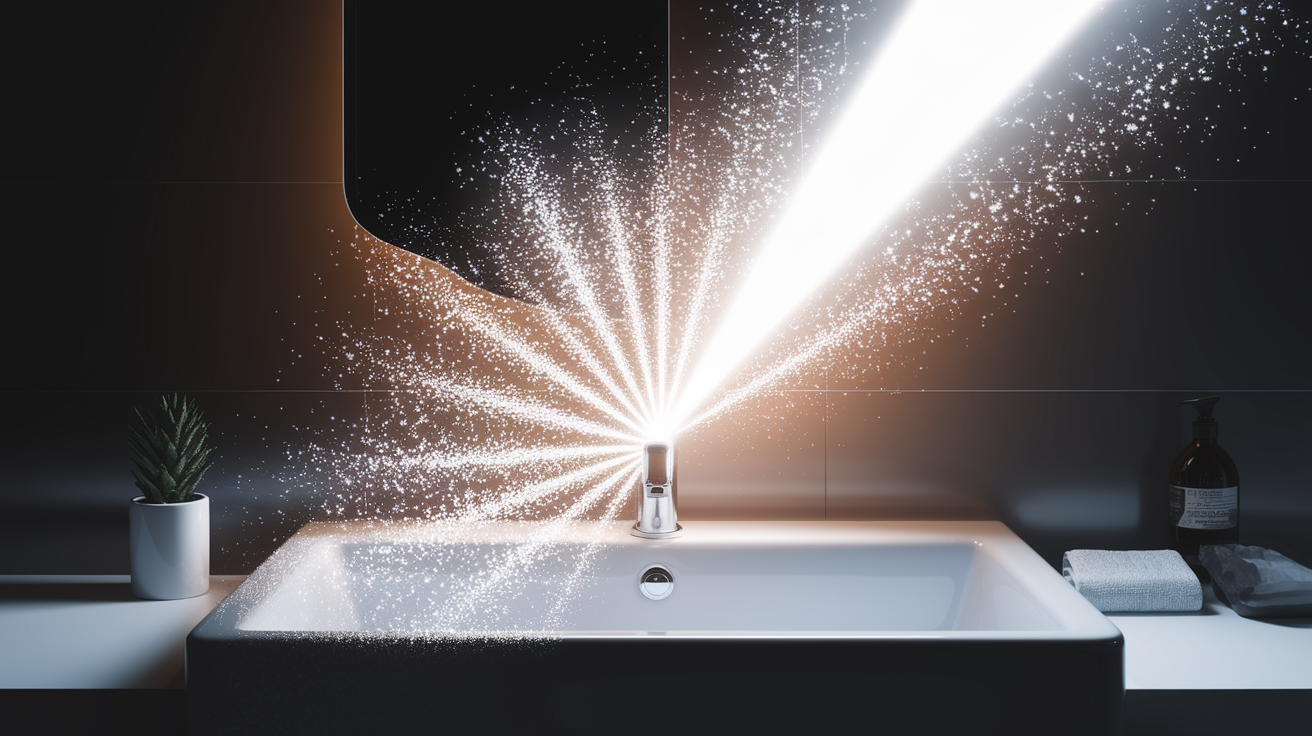
Before diving into the detailed cleaning process, here’s a quick solution that delivers immediate results for light to moderate hard water stains. This method works particularly well for removing mineral deposits from glass surfaces in under 15 minutes.
The Quick Fix Method:
- Mix equal parts distilled white vinegar and warm water in a spray bottle
- Spray the solution generously on the stained glass surface
- Let it sit for 5-10 minutes to break down mineral bonds
- Scrub gently with a microfiber cloth using circular motions
- Rinse with clean water and dry with a lint-free cloth
This vinegar solution effectively dissolves mineral deposits because the acetic acid in vinegar breaks down calcium and magnesium buildup. For best results, always use distilled white vinegar rather than other types, as it contains the highest concentration of acetic acid without additives that could leave residue.
Gather Your Tools: Simple Items You Need
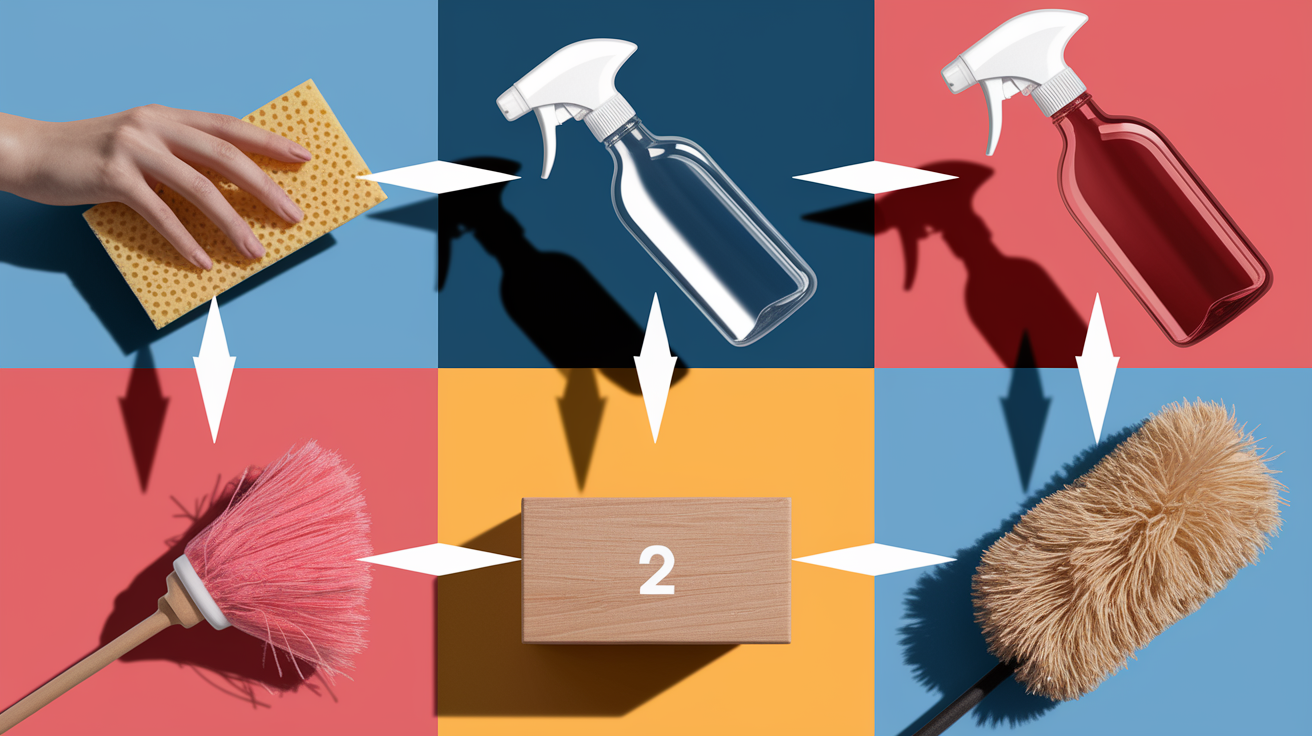
The beauty of cleaning hard water stains lies in using common household items you likely already have. Here’s everything you’ll need for effective glass cleaning without expensive commercial products:

Essential Cleaning Supplies
- Distilled white vinegar – The star ingredient for breaking down mineral deposits
- Warm water – Helps activate the cleaning solution
- Spray bottle – For even application of cleaning solutions
- Microfiber cloths – Lint-free and gentle on glass surfaces
- Soft-bristled brush or sponge – For scrubbing without scratching
- Squeegee – Essential for streak-free drying
Alternative Natural Cleaners
- Fresh lemon juice – Natural acid that works similarly to vinegar
- Baking soda – Mild abrasive for stubborn buildup
- Rubbing alcohol – Excellent for final polishing and streak prevention
Tools for Stubborn Stains
- Old toothbrush – Perfect for cleaning corners and metal trim
- Plastic razor blade or scraper – For carefully removing thick buildup
- Fine steel wool (0000 grade) – Use with extreme caution and only as a last resort
Pro Tip: Always test any cleaning method on a small, inconspicuous area first to ensure it won’t damage your specific type of glass or surrounding materials.
Step-by-Step Cleaning Process
This comprehensive method works for all types of glass surfaces, from shower doors to windows to drinking glasses. Follow these steps for the most effective approach to removing hard water buildup from glass.
Step 1: Prepare Your Cleaning Solution
Create an effective DIY glass cleaner by combining equal parts distilled white vinegar and warm water in a spray bottle. For heavily stained surfaces, you can increase the vinegar concentration to a 2:1 ratio (vinegar to water). Shake well before each use.
Alternative Solution: If you prefer a fresh scent, substitute lemon juice for vinegar using the same proportions. The citric acid in lemon juice provides similar mineral-dissolving properties.
Step 2: Apply the Solution Generously
Spray the cleaning solution liberally across the entire stained surface. Don’t worry about using too much – thorough saturation is key to breaking down mineral deposits effectively. Pay special attention to areas with visible buildup or etching.
Important: Allow the solution to sit for 10-15 minutes. This dwell time is crucial for the acid to penetrate and dissolve the calcium and magnesium deposits.
Step 3: Scrub with Care
Using a soft-bristled brush or microfiber cloth, gently scrub the glass surface in circular motions. Start with light pressure and increase gradually if needed. For best results:
- Work in small sections to maintain control
- Rinse your cloth or brush frequently in clean water
- Use an old toothbrush for corners and detailed areas
- Avoid using excessive force that could scratch the glass
Step 4: Rinse Thoroughly
Remove all cleaning solution residue by rinsing the glass surface with clean, warm water. Use a steady stream to wash away dissolved minerals and cleaning solution. Incomplete rinsing can leave streaks or residue that defeats the purpose of your hard work.
Step 5: Dry for a Streak-Free Finish
Immediately dry the glass using a lint-free microfiber cloth or squeegee. Proper drying prevents new water spots from forming and ensures a crystal-clear finish. Work from top to bottom, overlapping your strokes slightly.
Squeegee Technique: Hold the squeegee at a 45-degree angle and pull it across the glass in smooth, overlapping strokes. Wipe the blade clean after each pass to prevent streaking.
Tackling Stubborn Stains: Advanced Tricks
Some hard water stains require more aggressive treatment, especially those that have built up over months or years. Here are proven techniques for the most challenging mineral deposits.
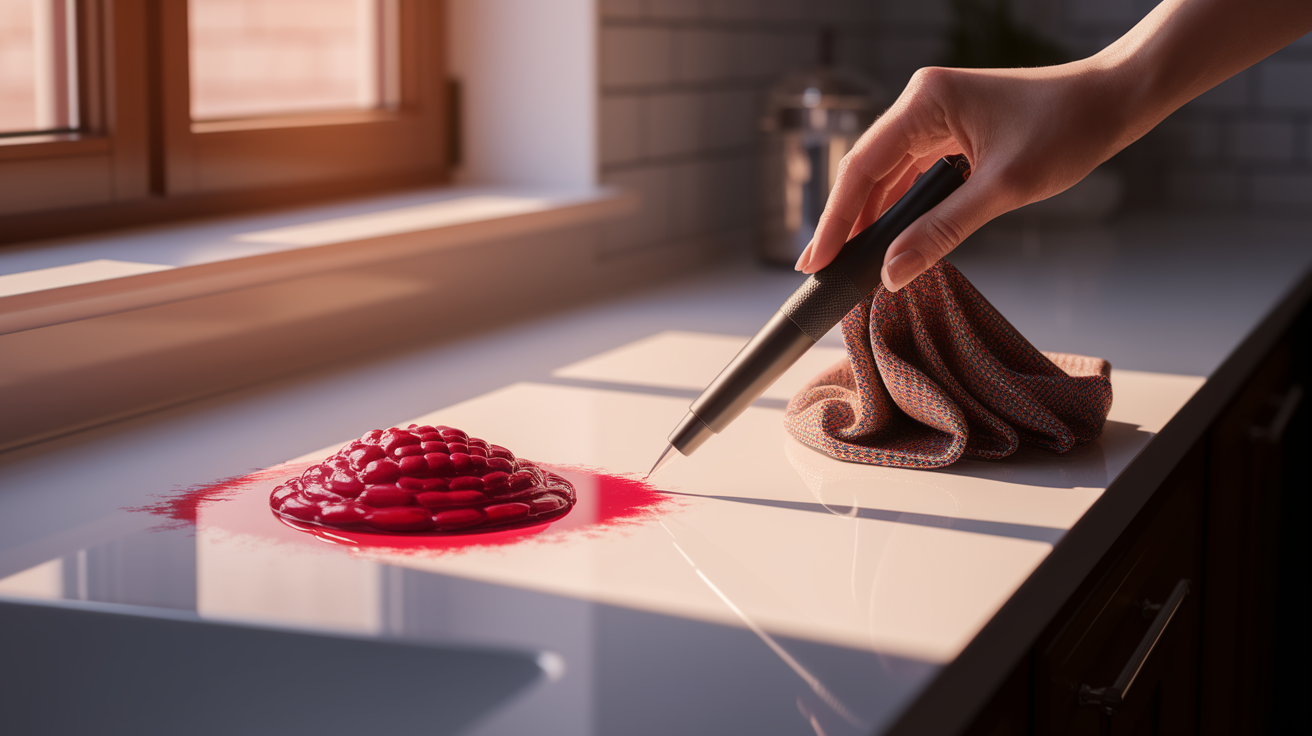
The Baking Soda Paste Method
For thick, crusty buildup that resists standard vinegar treatment:
- Create a paste using 3 parts baking soda to 1 part water
- Apply the paste to stubborn stains and let sit for 15 minutes
- Scrub gently with a soft brush in circular motions
- Spray with vinegar solution – the fizzing action helps break down deposits
- Rinse thoroughly and dry completely
Commercial CLR Treatment
For severely etched glass or when natural methods aren’t sufficient, CLR (Calcium, Lime, Rust Remover) can be effective:
- Apply CLR according to manufacturer directions
- Never leave on longer than recommended to avoid glass damage
- Always wear gloves and ensure adequate ventilation
- Test on an inconspicuous area first
- Follow up with thorough rinsing and drying
Careful Scraping for Thick Deposits
When dealing with extremely thick mineral buildup:
- Use a plastic razor blade or scraper at a 45-degree angle
- Keep the glass wet with cleaning solution while scraping
- Work slowly and avoid applying excessive pressure
- Never use metal scrapers on glass surfaces
Warning: Steel wool should only be used as a last resort and only the finest grade (0000). Always test first and use minimal pressure to avoid permanent scratching.
Heat-Enhanced Cleaning
For shower doors and other surfaces where you can safely apply heat:
- Run hot water to create steam and warm the glass
- Apply your vinegar solution while the glass is warm
- The heat helps the acid penetrate deposits more effectively
- Work quickly while the surface remains warm
Prevent Future Stains: Easy Maintenance
Prevention is always easier than removal when it comes to hard water stains. Implementing these simple maintenance habits will keep your glass surfaces crystal clear with minimal effort.
Daily Prevention Habits
- Squeegee after each use – Remove excess water from shower doors immediately after bathing
- Wipe down surfaces – Use a microfiber cloth to dry windows and mirrors after cleaning
- Improve ventilation – Run exhaust fans during and after showers to reduce humidity
- Leave doors open – Allow air circulation in enclosed shower areas
Weekly Maintenance Routine
Implement a simple weekly cleaning schedule to prevent buildup:
- Spray glass surfaces with a light vinegar solution
- Wipe down with a microfiber cloth
- Focus on areas prone to water accumulation
- Check and clean door tracks and metal trim
Long-Term Solutions
For homeowners dealing with severe hard water issues, consider these permanent solutions:
- Water softener system – Proper maintenance of your water softener ensures optimal performance in removing minerals before they reach your fixtures
- Whole house filtration – Installing a comprehensive filtration system can significantly reduce mineral content throughout your home
- Water-repelling treatments – Apply commercial glass treatments that cause water to bead and roll off surfaces
Natural Prevention Methods
- Regular vinegar rinses – Monthly application of diluted vinegar prevents mineral accumulation
- Dryer sheet treatment – Occasional wiping with dryer sheets can reduce soap scum and mineral adhesion
- Rain-X application – Originally designed for car windshields, this product works well on shower glass
Crystal Clear Farewell: Keeping Your Glass Spotless
Maintaining crystal-clear glass surfaces doesn’t have to be a constant battle against hard water stains. With the right techniques and consistent maintenance, you can enjoy spotless windows, shower doors, and mirrors year-round.
Key Takeaways for Success:
- Natural acids like vinegar and lemon juice are your most effective weapons against mineral deposits
- Regular maintenance prevents the need for aggressive cleaning methods
- Proper drying technique is crucial for preventing new stains
- Address hard water issues at the source for long-term solutions
Remember that consistency is key – it’s much easier to prevent hard water buildup than to remove months of accumulated mineral deposits. Start with the simple daily habits, implement weekly maintenance, and your glass surfaces will remain clear and beautiful.
Frequently Asked Questions
What is the best way to clean hard water stains from glass?
The most effective method combines equal parts distilled white vinegar and water, applied generously and allowed to sit for 10-15 minutes before gentle scrubbing with a microfiber cloth.
Can vinegar remove hard water stains from glass?
Yes, vinegar is highly effective because its acetic acid dissolves calcium and magnesium deposits that cause hard water stains. It’s safe, natural, and readily available.
How often should I clean hard water stains from glass?
For prevention, wipe down glass surfaces after each use and perform a thorough cleaning weekly. For heavily stained glass, monthly deep cleaning may be necessary until buildup is controlled.
Is it possible to remove etched hard water stains from glass?
Light etching can often be improved with persistent treatment using acidic solutions and gentle abrasives like baking soda. Severe etching may require professional restoration or glass replacement.
By following these proven methods and maintaining consistent care routines, you’ll keep your glass surfaces sparkling clean and free from unsightly hard water stains. The investment in time and simple supplies pays off with beautiful, crystal-clear results that enhance your home’s appearance and your daily experience.