Faucet & Sink
Faucet vs Tap: Terminology, Fit, and Bathroom Design Context
Faucet and tap often overlap, but bathroom design depends on fixture type, hole spacing, valve/trim compatibility, spout reach, and parts support.
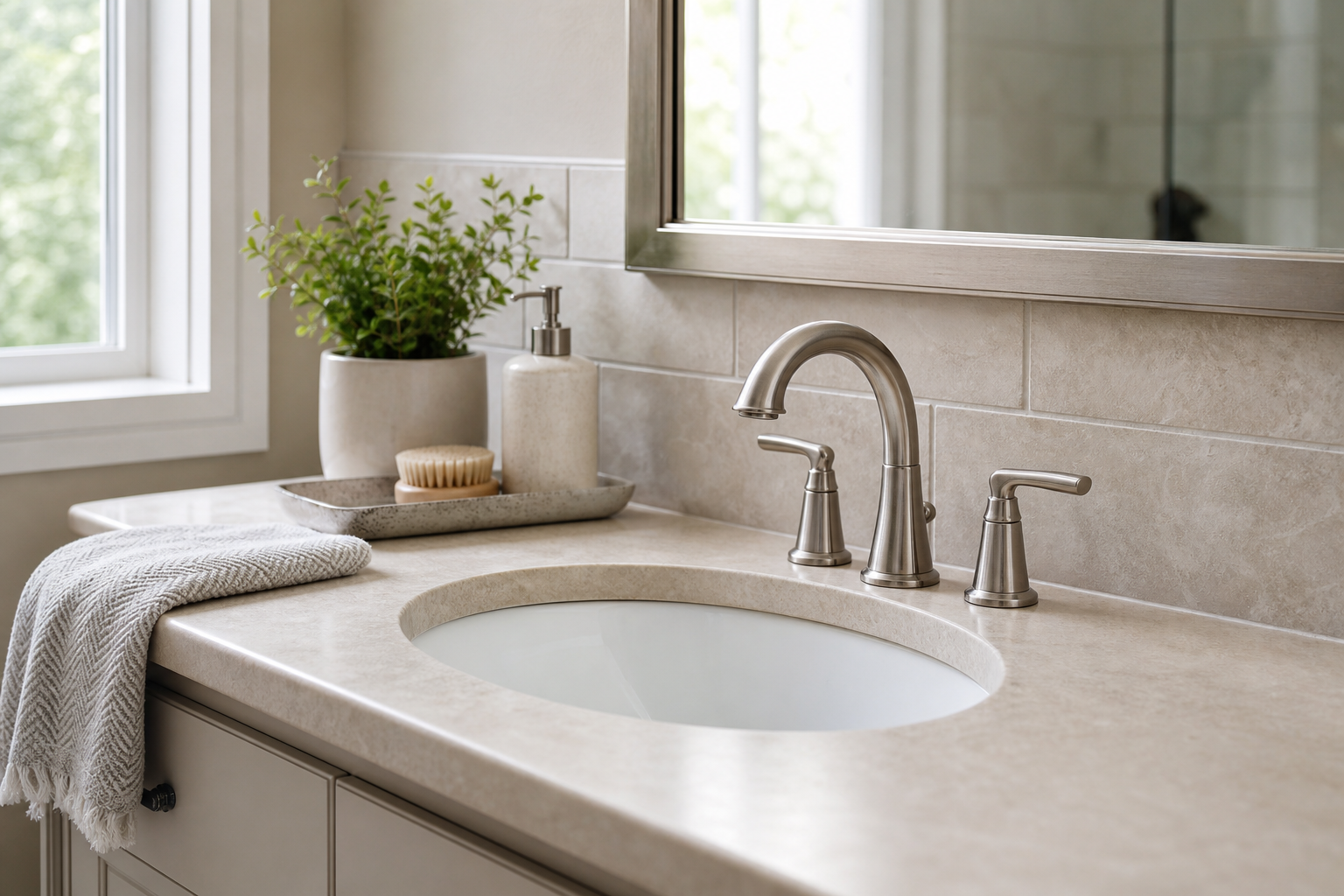
What to know about Faucet vs Tap: Terminology, Fit, and Bathroom Design Context
In many U.S. plumbing and retail contexts, “faucet” is the common term for the fixture that controls water at a sink or tub, while “tap” may mean the same thing in other English-speaking regions or may refer more generally to a water outlet. For bathroom design, the practical issue is not the word but the fixture type, hole spacing, valve/trim system, spout reach, finish, and local product terminology.
Terminology table
| Term | Common use | Design implication |
|---|---|---|
| Faucet | Common U.S. retail/plumbing term for sink/tub fixture | Use when searching U.S. spec sheets and parts. |
| Tap | Common in UK/Australia and sometimes general water outlet language | Check regional product names and thread/standard differences. |
| Mixer tap/faucet | Hot and cold mixed through one body/spout | Verify valve type, hole count, and cartridge support. |
| Spout/trim/valve | Parts of tub/shower or wall systems | Do not confuse visible trim with rough valve behind wall. |
Bathroom fixture decision table
| Fixture context | What to verify | Who may need to help |
|---|---|---|
| Bathroom sink | Hole count, spread, deck thickness, drain assembly | Plumber if shutoffs/drain need changes. |
| Wall-mount sink faucet/tap | Rough-in height, reach, valve access, backsplash | Plumber/designer before wall work. |
| Tub filler | Tub spout reach, diverter, valve/trim compatibility | Plumber; tub/shower valve work is not just decor. |
| Shower trim | Rough valve brand/model behind wall | Manufacturer/plumber before buying trim. |
| Imported fixture | Thread, certification, parts, and code acceptance | AHJ/plumber/showroom. |
Design checklist
- Use the exact product spec sheet, not just “tap” or “faucet” in the title.
- Measure hole spacing, deck thickness, backsplash clearance, spout reach, and drain compatibility.
- Confirm valve/trim compatibility for wall, tub, and shower fixtures.
- Check WaterSense or flow-rate details where relevant, without assuming performance from the label alone.
- Confirm replacement parts, cartridges, aerators, and finish-care instructions.
Common mistakes
- Buying shower trim that does not fit the rough valve in the wall.
- Assuming imported “tap” listings meet local code, thread, or certification expectations.
- Choosing a tall vessel-sink faucet/tap without checking splash and reach.
- Matching finishes by photo instead of exact finish code.
- Using the term difference as a design decision when the real issue is fit and support.
When to call a plumber or showroom
Call a plumber for wall-mount fixtures, tub/shower valves, shutoff changes, drain alignment, low-flow complaints, or imported fixture compatibility. Call the manufacturer or showroom for trim/valve matching, finish codes, cartridge support, and regional terminology questions.
Fixture, drain, and finish boundary
Decision aid: Faucet vs Tap: Terminology, Fit, and Bathroom Design Context
Start by identifying the relevant symptom, fixture, or planning question before choosing parts or arranging work.
Write down when the issue began, what changed, which fixtures are affected, and any model or service-history details. That record makes it easier to compare the article with the exact product documentation and to explain the problem if qualified help is needed.
- Separate a faucet or supply symptom from a drain symptom, and note whether it affects hot water, cold water, or both.
- Match product-specific directions to the exact model manual and confirm local requirements where installation, gas, electricity, water quality, or structural work is involved.
- Stop if water reaches a cabinet, wall, floor, or electrical part, or if a shutoff or fixture starts to move when it should not.
Authoritative references for this topic
Use the current version of these sources to verify safety, efficiency, health, or product-specific details that apply to your situation.