Faucet/Sink

Should Bathroom Faucets Match Light Fixtures? Practical Design and Finish Checks

Matching faucet and light finishes is optional; use undertone, room size, corrosion, cleaning, and replacement availability to choose safely.
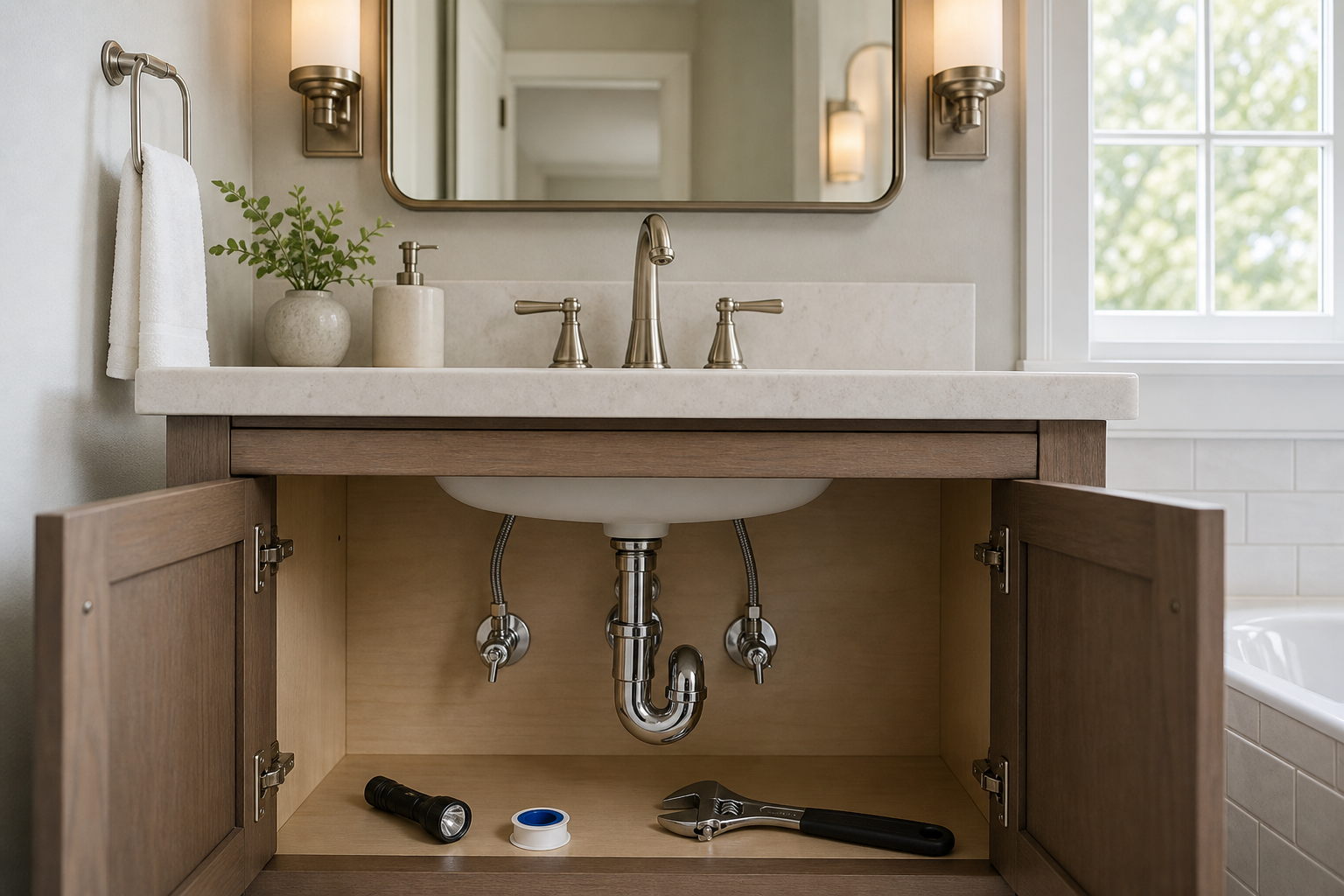
Plumbing scene for Should Bathroom Faucets Match Light Fixtures? Practical Design and Finish Checks

Direct answer

Bathroom faucets do not have to match light fixtures exactly. A safer design choice is to coordinate undertone, sheen, cleaning needs, corrosion resistance, and replacement availability—especially in humid bathrooms.

Finish matching table

ChoiceGood fitWatch out for
Exact matchSmall bathrooms or formal style.Different brands may still vary.
Coordinated metalsModern layered design.Keep warm/cool undertones intentional.
Black fixturesHigh contrast.Hard-water spotting and cleaner limits.
Living finishesTraditional/patina look.Natural variation over time.

What to bring to the store

  • Photos in daylight, faucet brand/finish name, light fixture finish name, countertop/cabinet samples, and cleaner/water-spot concerns.

Sources used

  • Faucet and lighting manufacturer finish-care and warranty documents.
  • Bathroom ventilation/humidity guidance from building-science and manufacturer care resources.

Methodology

This is a design compatibility guide, not a product ranking.

Source-supported homeowner checklist

This faucet or sink page should help a homeowner identify model, finish, mounting, drain, disposer, or aerator details before buying parts, forcing trim, or opening hidden plumbing. For this exact topic — Should Bathroom Faucets Match Light Fixtures? Practical Design and Finish Checks — use the checklist below before deciding whether the issue is a simple observation, a parts-compatibility question, or a plumber/service call.

CheckWhy it mattersStop point
Exact model, material, or fixture locationParts, cleaners, clearances, and manuals vary by brand, age, and installation.Stop if the part is hidden, corroded, stuck, leaking, or tied to shared plumbing.
Visible symptom patternTiming, sound, water color, odor, and whether other fixtures react help separate local fixture issues from system problems.Stop if multiple fixtures, sewage, unsafe water, active leaks, or electrical areas are involved.
Manufacturer or public-agency guidanceCare limits, warranty exclusions, test requirements, and public-health boundaries should control the next step.Do not substitute internet shortcuts for a product manual, utility notice, lab test, or local AHJ rule.
Documentation for a proPhotos, model numbers, meter readings, labels, and dates reduce guesswork and prevent repeat visits.Call a qualified plumber, appliance technician, utility, or local health/code office when the issue is outside visible, low-risk checks.

Page-specific source links

What this page intentionally does not do

It does not rank products without a published methodology, promise savings or service life without a dated source, or teach work that belongs to a licensed plumber, electrician, gas professional, sewage cleanup crew, utility, or local inspector.

Homeowner decision support for this topic

Faucet and sink symptoms often depend on brand, finish, aerator, cartridge, disposer, drain, and shutoff condition; exact identification prevents wrong parts and finish damage. For Should Bathroom Faucets Match Light Fixtures? Practical Design and Finish Checks, use the sequence below so the page is useful even when your exact brand, fixture age, water conditions, or home layout differs from the examples.

Before you buy parts or try a fix

  • Photograph the fixture, appliance, pipe, label, model number, visible water path, and any stain, sound, odor, or error code.
  • Check whether the symptom is isolated to one fixture or appears at multiple fixtures, rooms, hot/cold sides, or times of day.
  • Read the manufacturer manual, product label, utility notice, public-health guidance, or local code page that applies to this exact material or fixture.
  • Compare the symptom with the related reviewed guide and category hub before assuming a generic repair applies.

Escalation thresholds

SituationWhy it changes the planSafer action
Water appears outside the fixture, under flooring, in a wall/ceiling, or near electrical equipmentHidden damage and shock risk can grow quickly.Stop using the fixture, document the area, and call qualified help.
A shutoff, handle, fastener, trim piece, or drain part is stuck or corrodedForcing it can create a larger leak or damage finished surfaces.Stop before applying more leverage; use the model manual or a pro.
The issue involves sewage, unsafe water, gas/combustion, pressure relief, or permitted workThese are safety and code boundaries, not simple homeowner maintenance.Use emergency/utility guidance or a licensed professional.
The same symptom returns after basic observation or cleaningRepeat symptoms often point to a system cause, compatibility issue, or hidden restriction.Save notes and photos for a plumber, appliance technician, utility, or local health/code office.

Related reviewed paths: Faucet/Sink hub and a relevant safety/triage guide.

Safety note: Shut off water before repairs when appropriate. Call a qualified plumber for sewer backups, major leaks, gas appliances, approvals, or work you are not confident completing safely.